
Mailer and the Second Wavers
“The Prisoner of Sex”—in both magazine and book form—was largely a baroque riposte to Kate Millett’s bestselling feminist polemic Sexual Politics.
Charlotte Allen
· 31 min read
A collection of 291 posts
“The Prisoner of Sex”—in both magazine and book form—was largely a baroque riposte to Kate Millett’s bestselling feminist polemic Sexual Politics.

Finding out the truth about any aspect of Hunter Thompson’s life is frustrating given his propensity for self-mythologising.
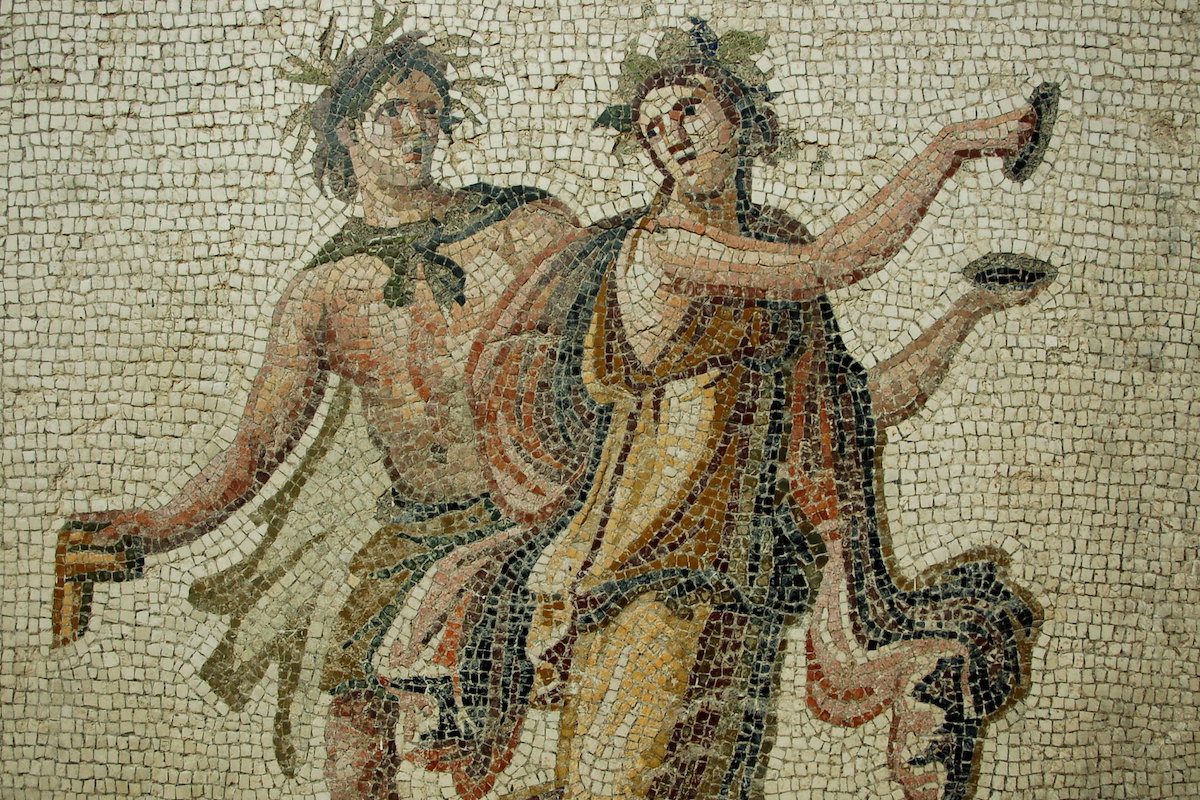
The underlying assumption of The Immortality Key is that the human need to reconcile itself with death is a core element of religion.

It is into such pathologies that The Captive Mind delves, and why it has such application to our time.


On March 4th, the Ringer, a website that covers pop culture, featured an article entitled “We’re in a Time Loop of Time-Loop Movies.” Similar articles have appeared in many other pop-culture venues of late. Suddenly, time-loop stories seem to be everywhere. This month Hulu began streaming

In any case, I do not share the view that to restrict speech necessarily diminishes the spread of ideas.

The reason these books endure and will be read long after the writers of littérature engagée harping on a string of fashionable social trends are ridiculed and forgotten, is their aesthetic impact.

Reviews of A Generation of Sociopaths: How the Baby Boomers Betrayed America by Bruce Cannon Gibney, Hachette, 465 pages (March 2018) OK Boomer, Let’s Talk: How My Generation Got Left Behind by Jill Filipovic, Atria/One Signal, 336 pages (August 2020) Boomers: The Men and Women Who Promised Freedom

Amis is in love with English, and the marriage is a healthy one.

Hard as it might be to believe, the years that stretched from roughly 1967 through the bicentennial year of 1976 brought even more foment, outrage, unrest, and upheaval to America than the most recent decade has managed. The escalation of the Vietnam War, the student protests against that war, the

Allergic to narrow-mindedness, poor taste, and moral arrogance, Ellison detested any kind of racial essentialism, separatism, and determinism.

The disrupters rely on rhetorical devices such as replacing the passive “under-represented” with the active “marginalized,” “erased,” and “excluded.”

NOTE: This essay contains spoilers. The surprise success of the Netflix miniseries The Queen’s Gambit has brought me a great deal of delight—I’m a longtime fan of both the novel and its author, Walter Tevis. Just this summer, I wrote an essay about all the great American

Anglophone readers may be tempted to call Zamyatin a Russian Orwell, but the description works equally well in the reverse.