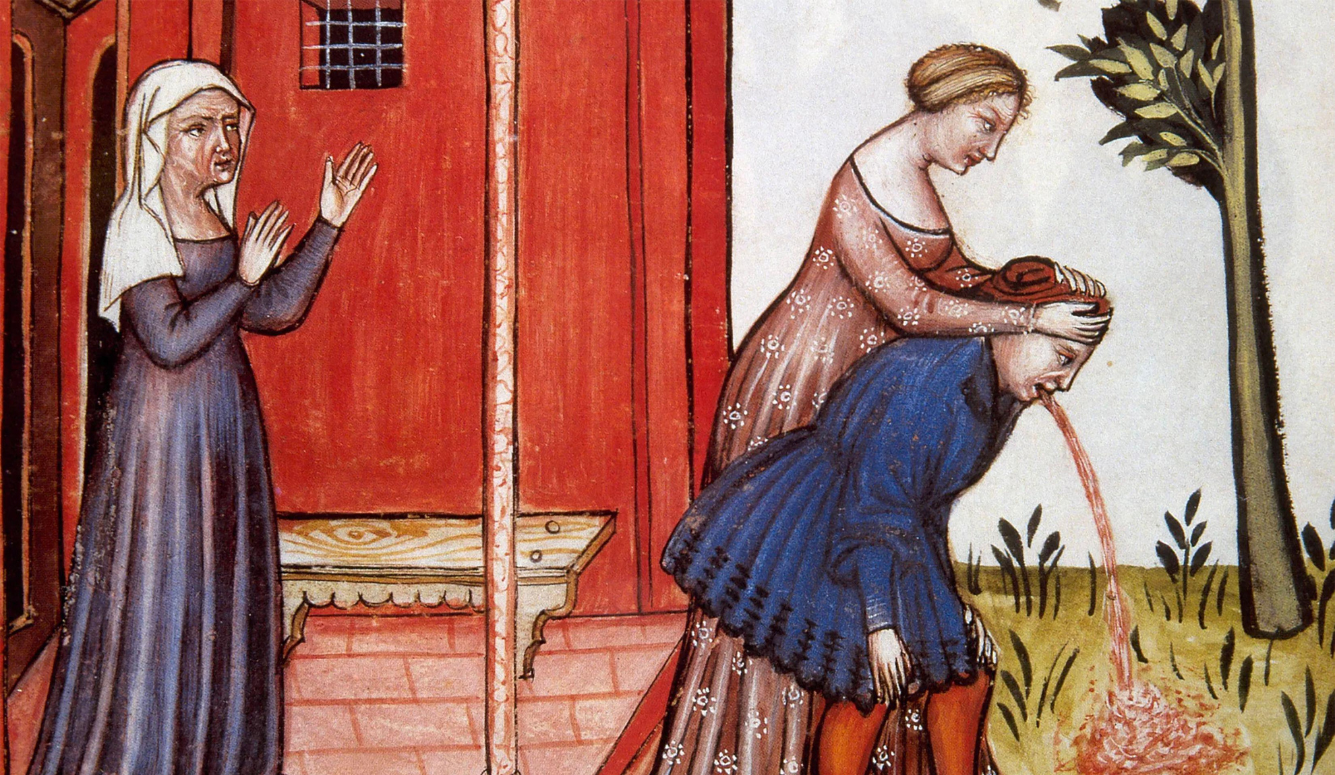
Life in The Grim Old Days
Chelsea Follett's new history shows how wretched life was before the industrial revolution, but our escape from it began long before the steam engine.
Robert Zubrin
· 9 min read
A collection of 455 posts
Chelsea Follett's new history shows how wretched life was before the industrial revolution, but our escape from it began long before the steam engine.
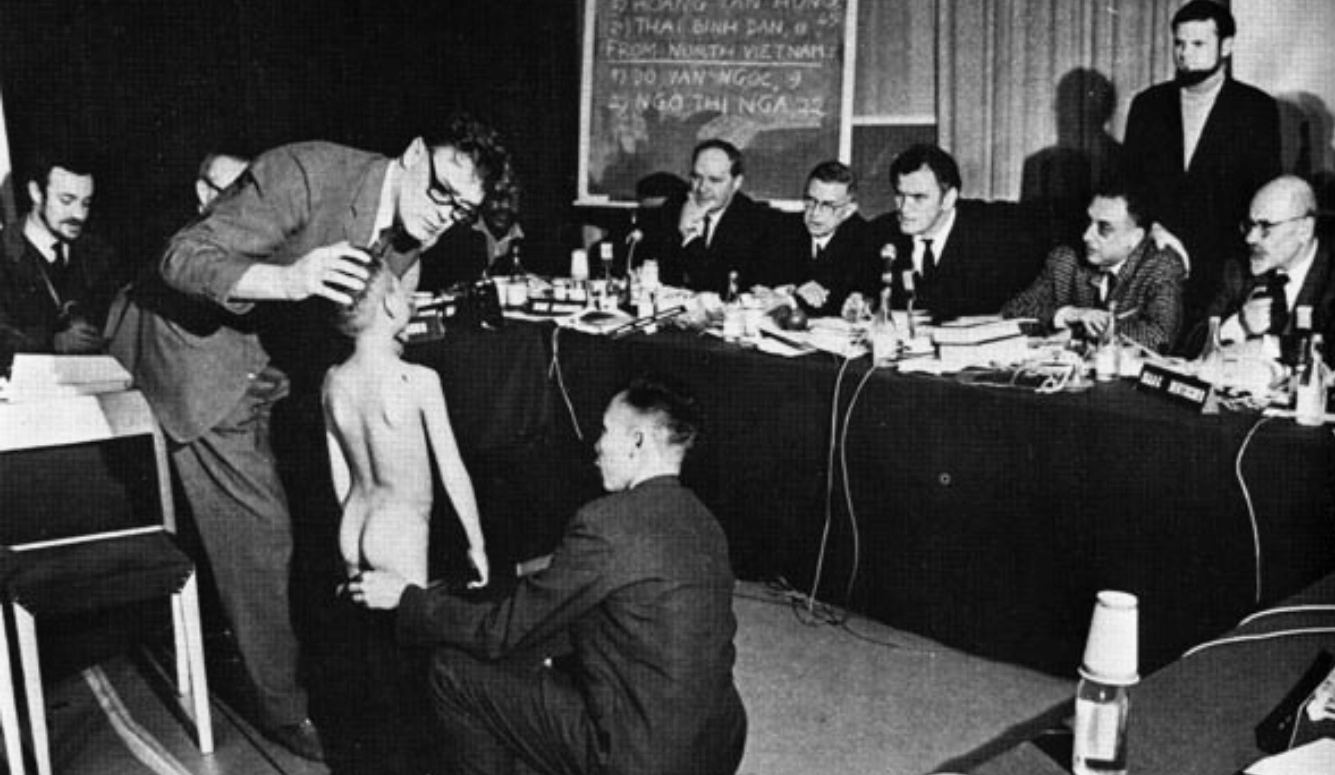
In 1967, left-wing intellectuals accused America of genocide in Vietnam—they were wrong then, and they’re wrong again now.
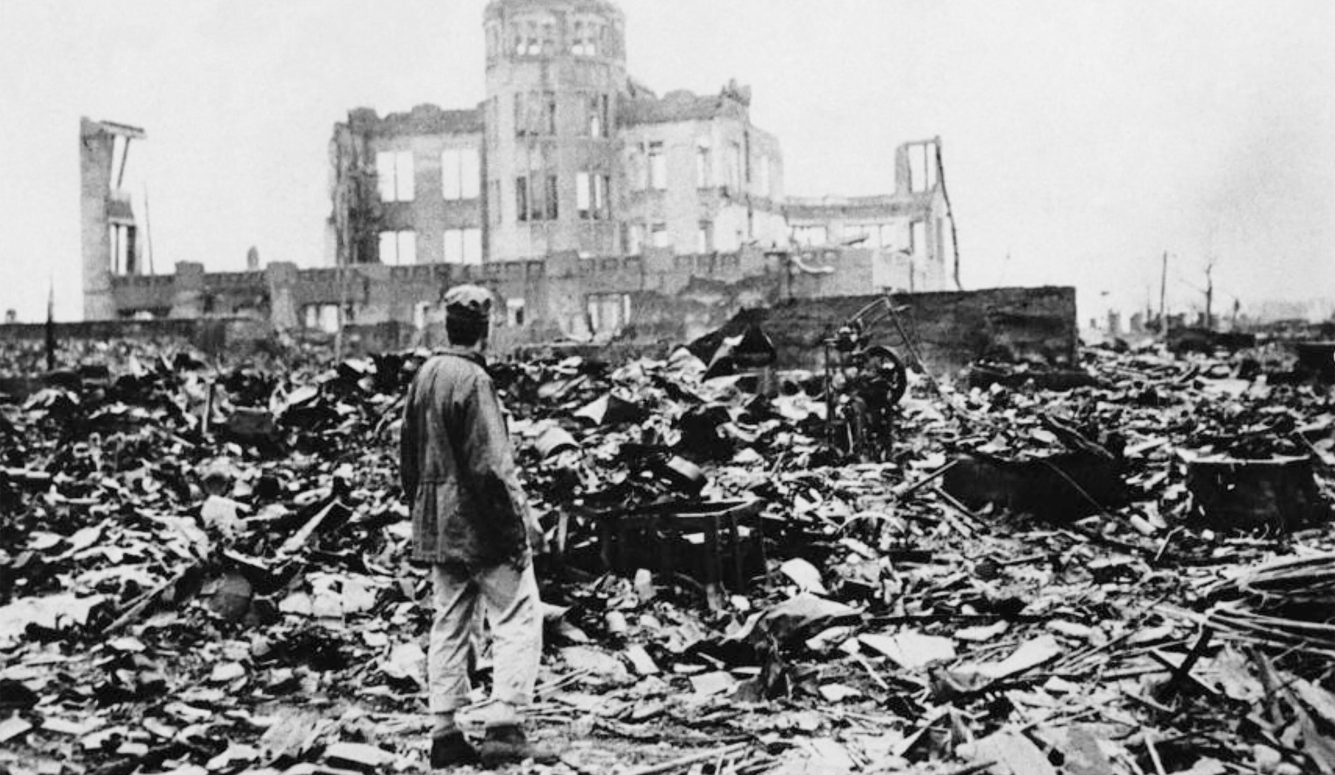
Kiyoshi Tanimoto’s extraordinary testimony about the Hiroshima attack and its aftermath has been published by his daughter some forty years after his death.
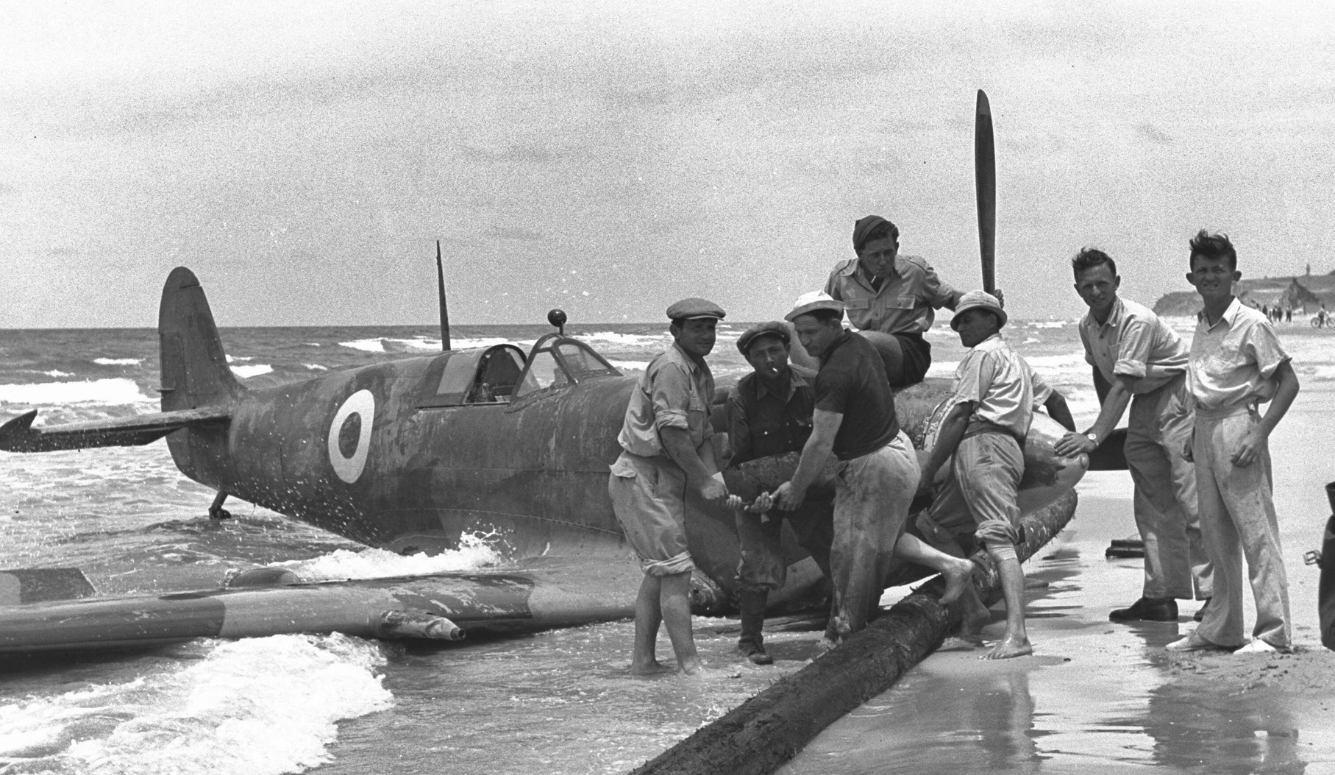
A new exhibition at the Canadian Museum for Human Rights in Winnipeg peddles PLO myths about Israel’s war for independence in 1948.
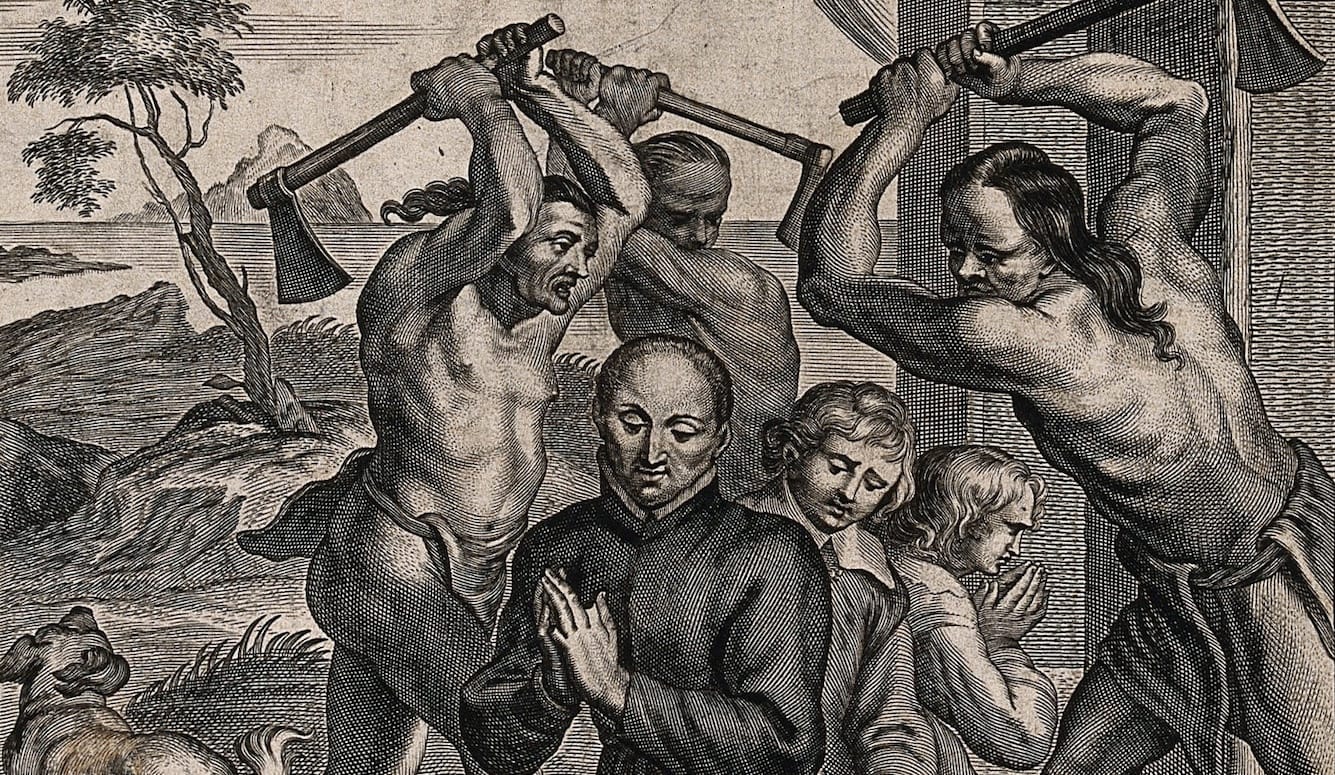
In the 31st instalment of ‘Nations of Canada,’ Greg Koabel describes the violent provocations that tipped the St. Lawrence region into all out war in the late 1640s.
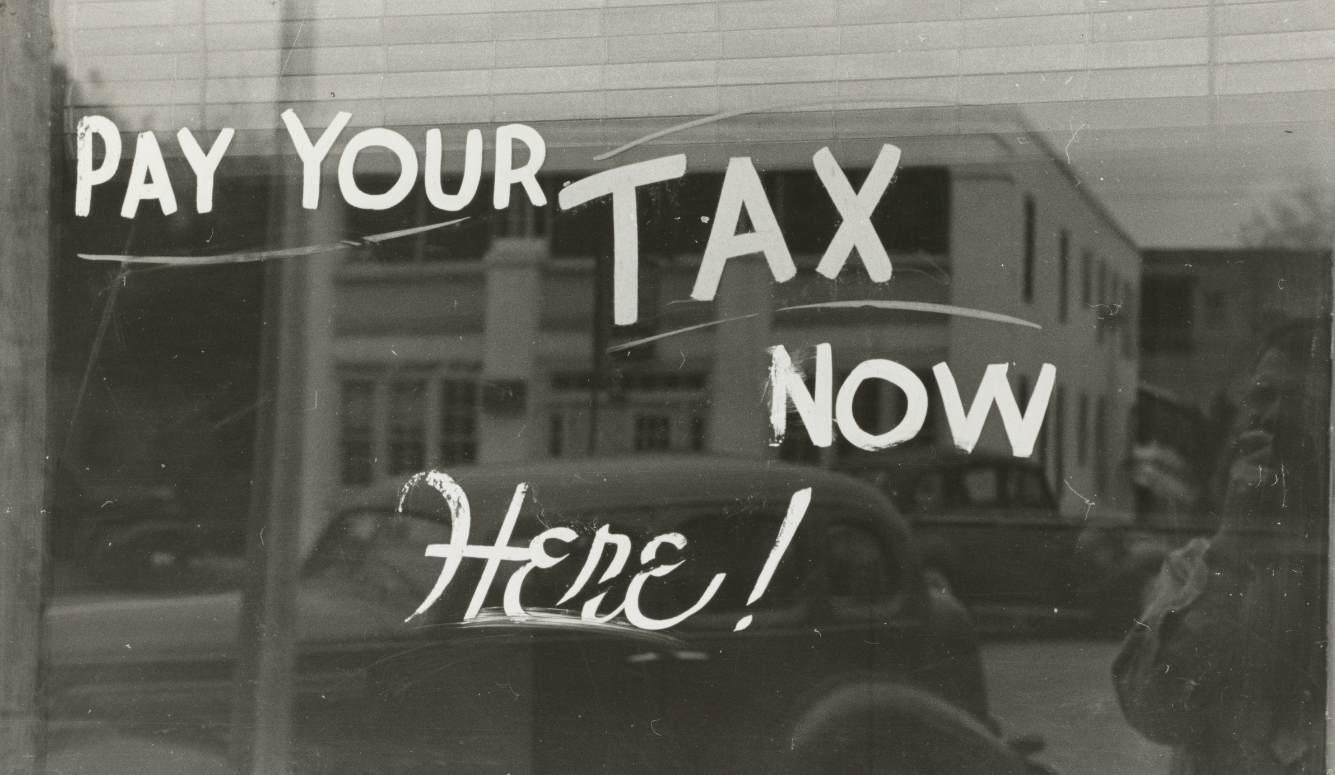
Every few decades, the ideas with the worst track records come back into style.

Watching Gillo Pontecorvo’s film six decades after its release permits a nuanced understanding of the events that it portrays, which was unavailable when it first came out.
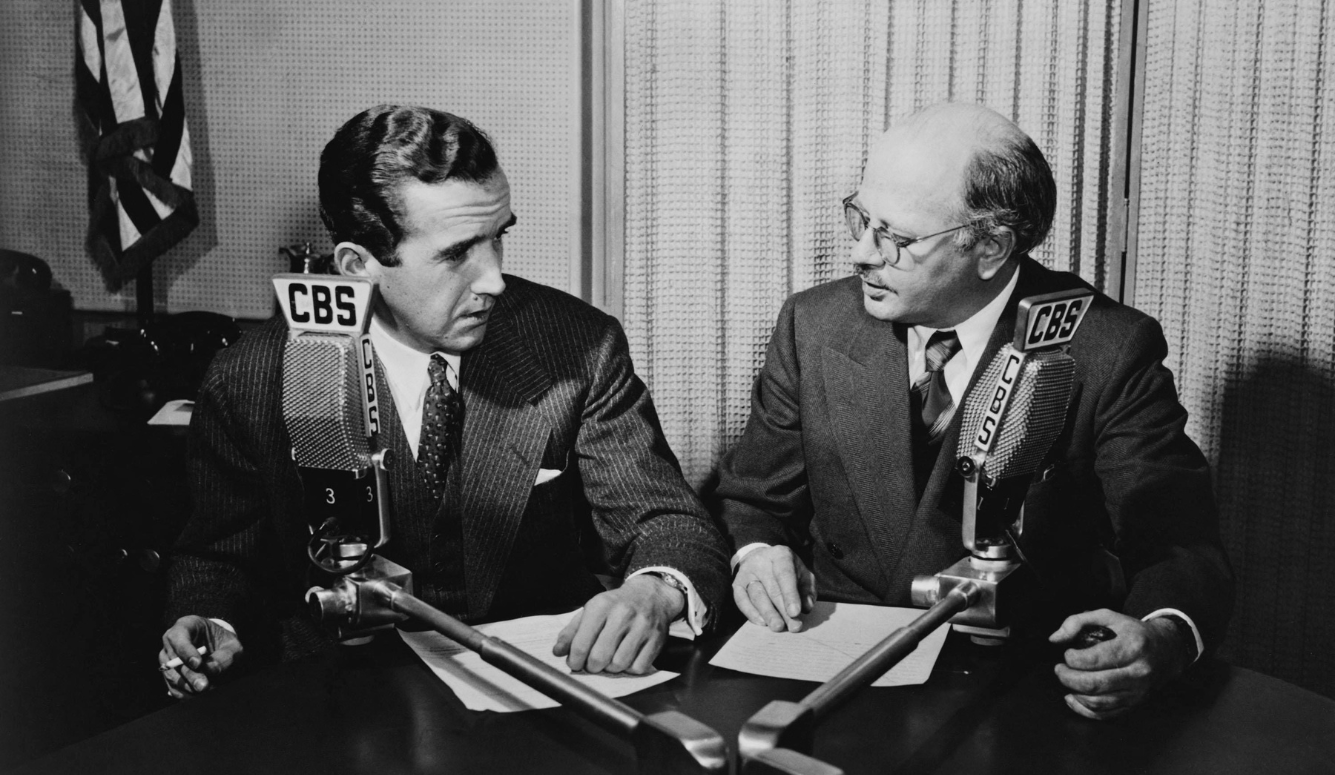
The rise, fall, and rise again of one of the 20th century’s most important journalists.

Israeli governments have never decided what to do with the West Bank—so the settlers have begun deciding for them.
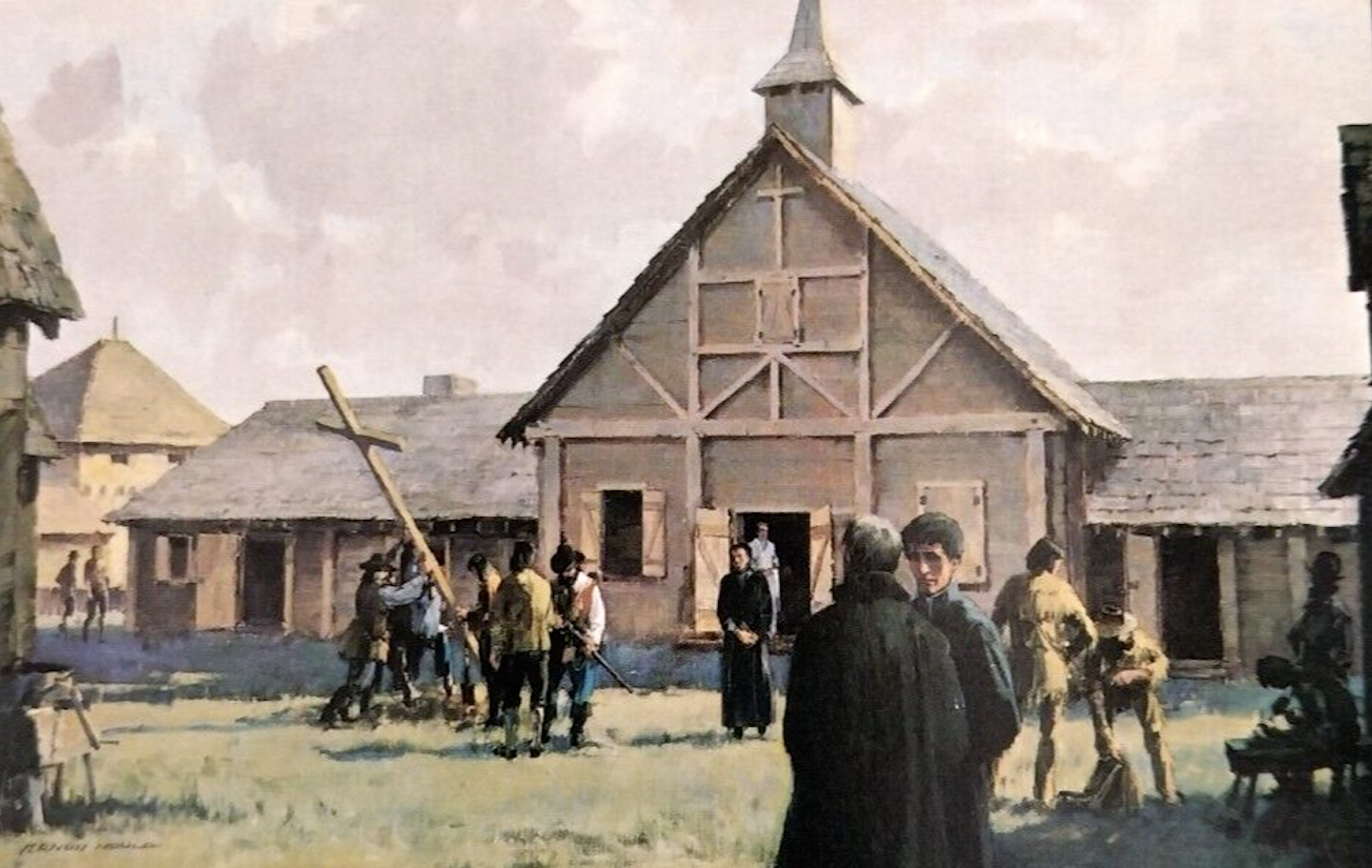
In the 30th instalment of ‘Nations of Canada,’ Greg Koabel describes the expanding Jesuit presence of the late 1630s—and the increasingly bitter opposition it provoked among France’s local Indigenous allies.
A distinguished historian of the Holocaust views Israel through the wrong prism.

Reconsidering Israel’s wars in 1956, 1982, and 2026.

Humans have not merely been shaped by evolution—we have shaped it too, through the environments we chose to inhabit and the lives we chose to lead.
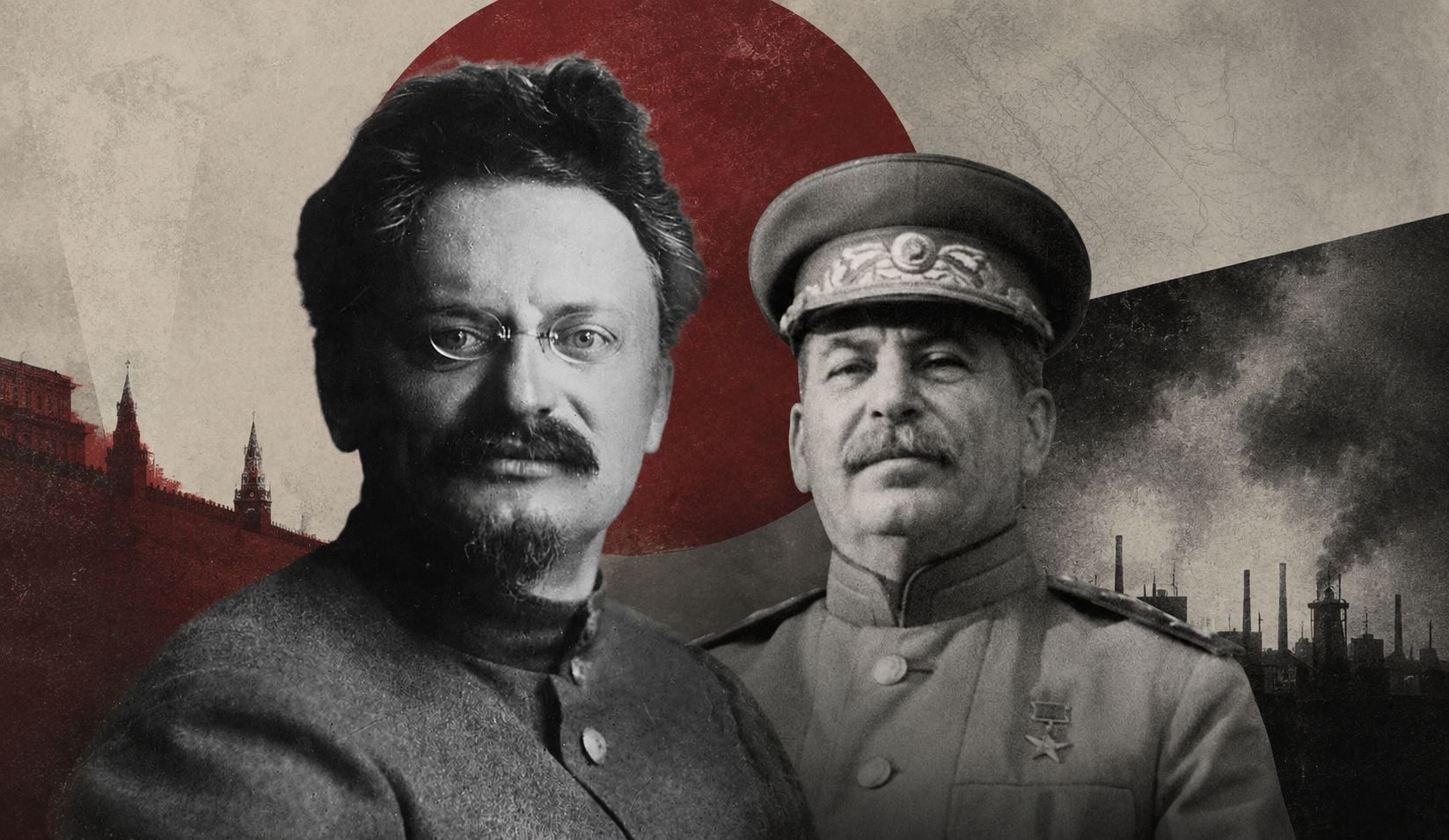
British author Josh Ireland’s new book about the murder of Leon Trotsky tells the gripping story of a rivalry between two very different men.
Iona Italia talks to lawyer and historian Adam Wakeling about the enduring importance of Enlightenment values and how to defend them today.