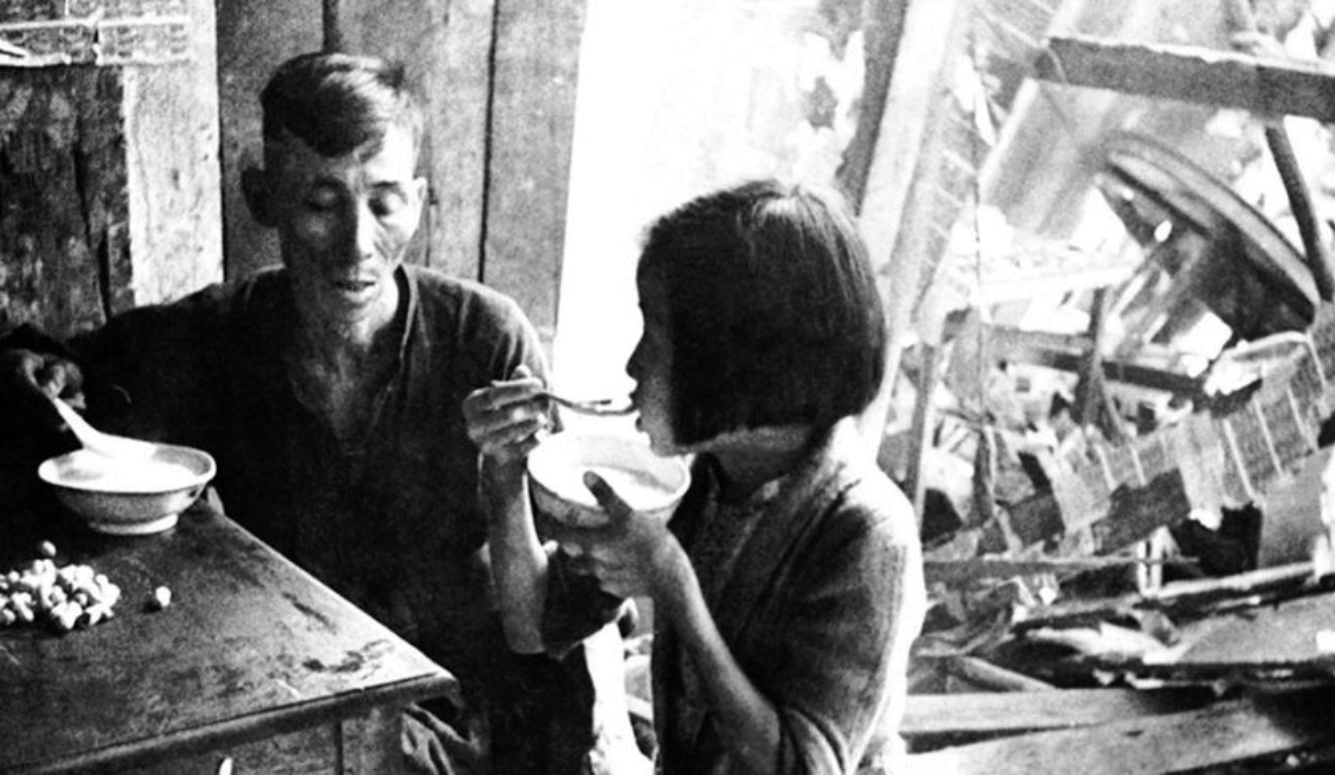
An Ambivalent Relationship
Southeast Asia in World War II, Part Three: Independence Movements under Japanese Occupation


Imran Said is a freelance writer currently based in Kuala Lumpur, Malaysia. He has written on international security, history, and politics for several publications.
Southeast Asia in World War II, Part Three: Independence Movements under Japanese Occupation
Southeast Asia in World War II, Part Two: The Japanese Occupation and Its Repercussions
Southeast Asia in World War II, Part One: Japanese Conquests and British Disgrace
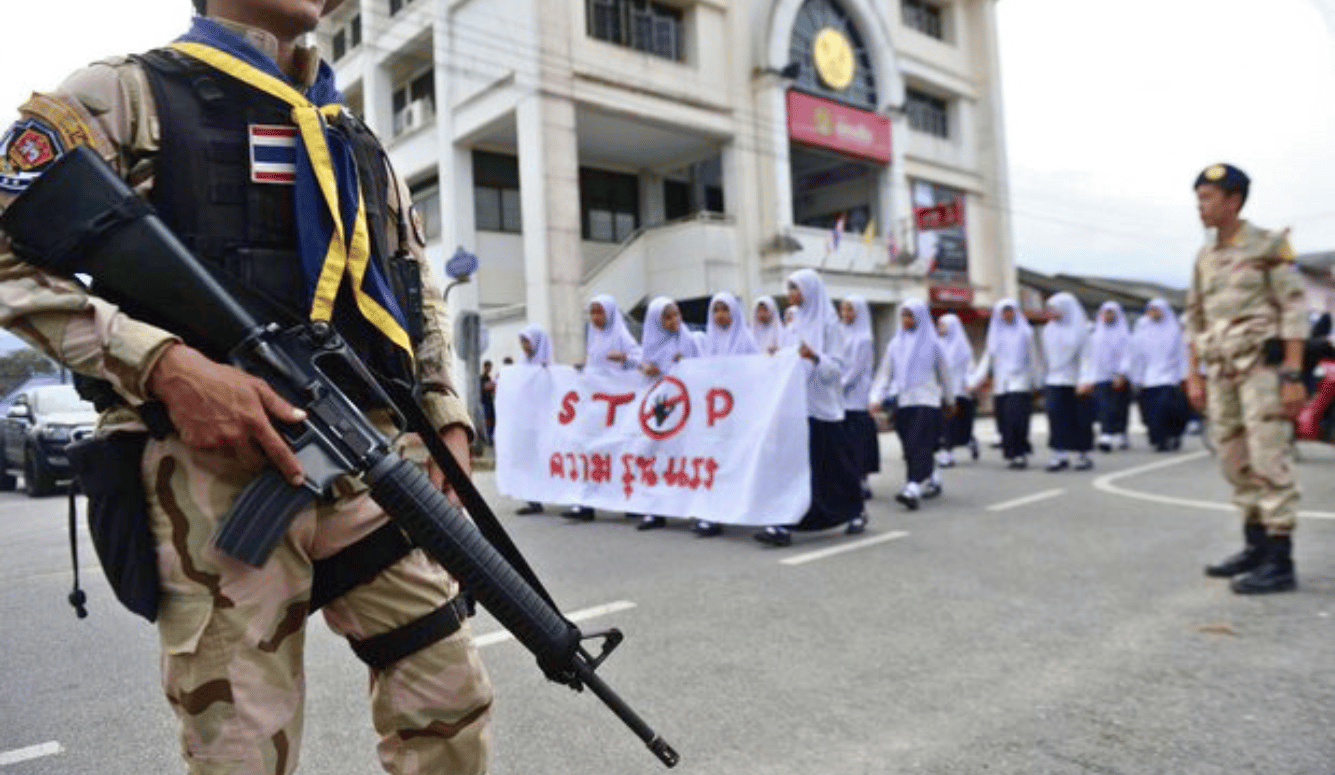
A spate of deadly shootings in Thailand is just the latest episode in a centuries-long struggle between Thais and Malays.
An unprecedented number of elections took place in Africa, Asia, and Latin America this year. Their results suggest that prospects for democracy are mixed.
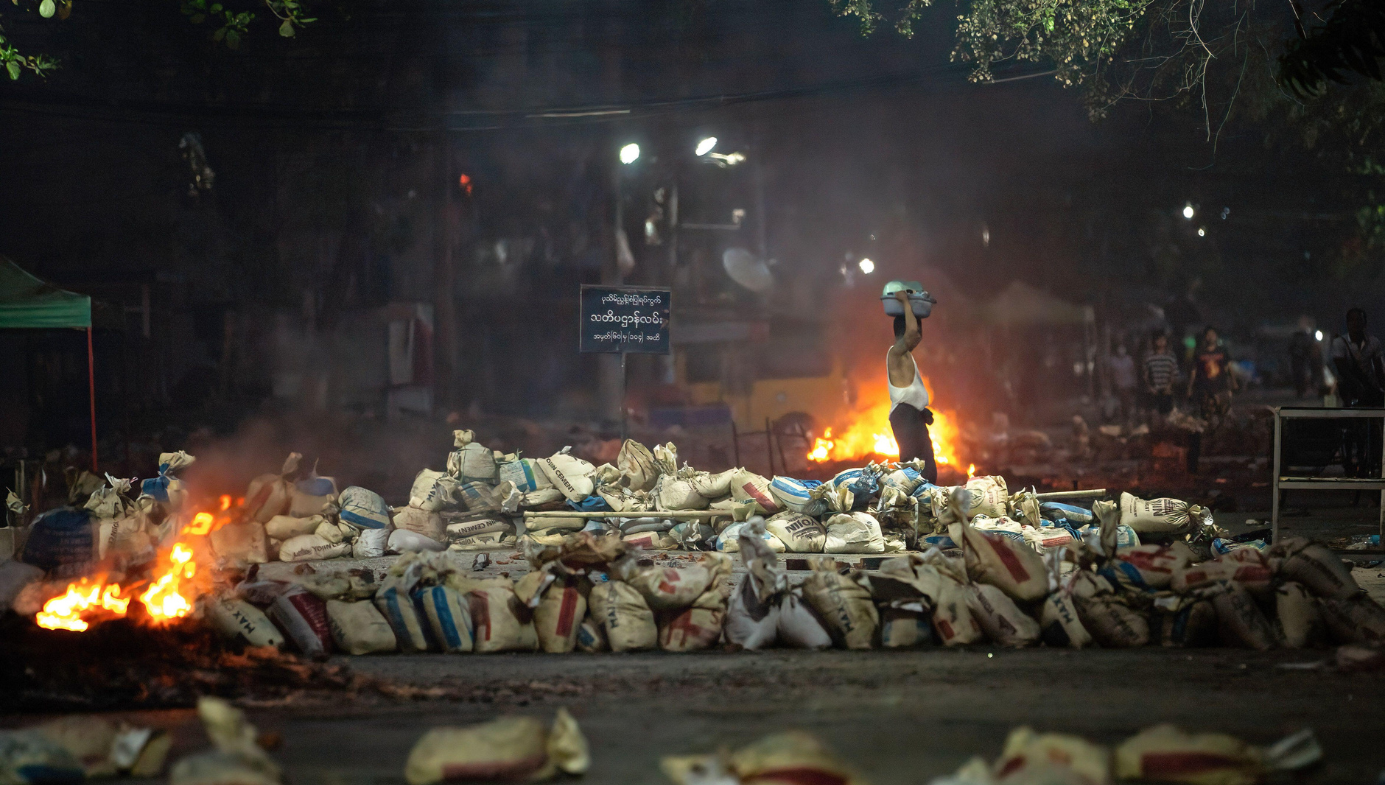
Across Southeast Asia, former autocrats are staging their comebacks, exploiting ethnic and religious divisions, as well as fragile institutions. In Myanmar, a decade of cautious democratisation was violently upended by a military coup last year, while, in more recent times, once-disgraced kleptocratic forces in the Philippines and Malaysia have
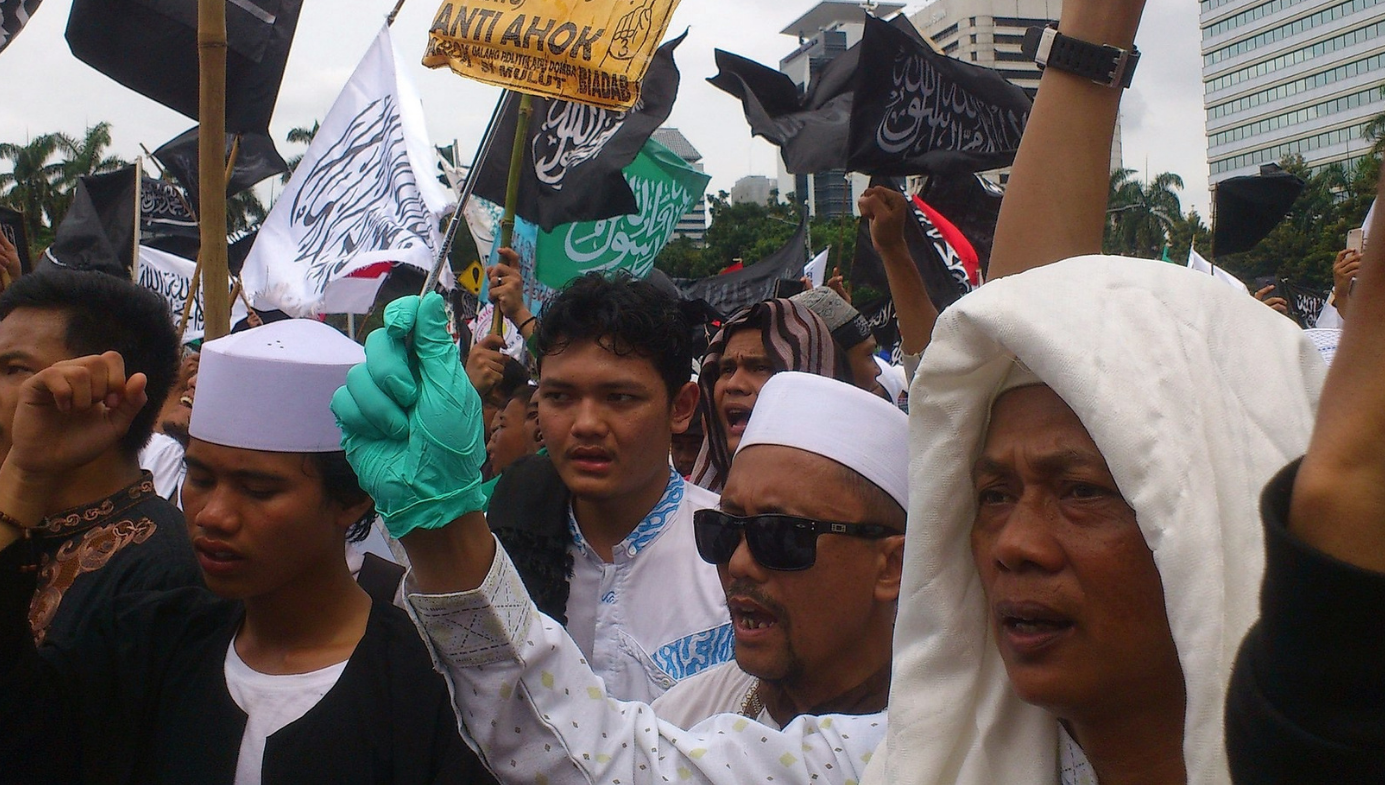
Islamism as an ideology may be great at mobilizing people, but this doesn’t necessarily translate towards effective governance, as has been proven again and again
Lost in much of the fretting (or boasting) about American declinism is the massive lead the American economy continues to hold over China, despite four decades of rapid growth for the latter.
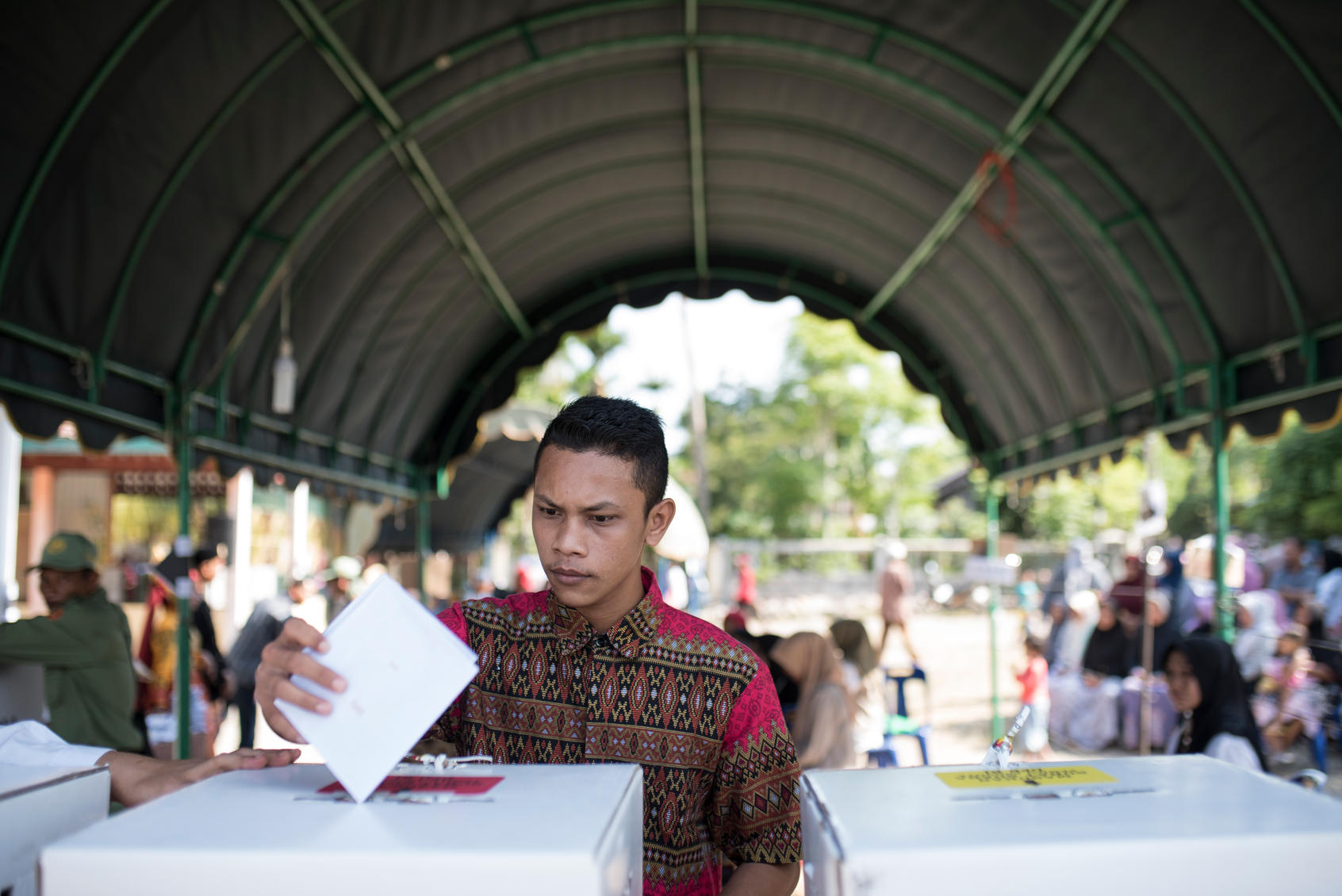
Despite the brief unrest that followed the announcement of Jokowi’s victory, the election of April 17 stands as a testament to the continuing resilience of Indonesia’s young democracy.
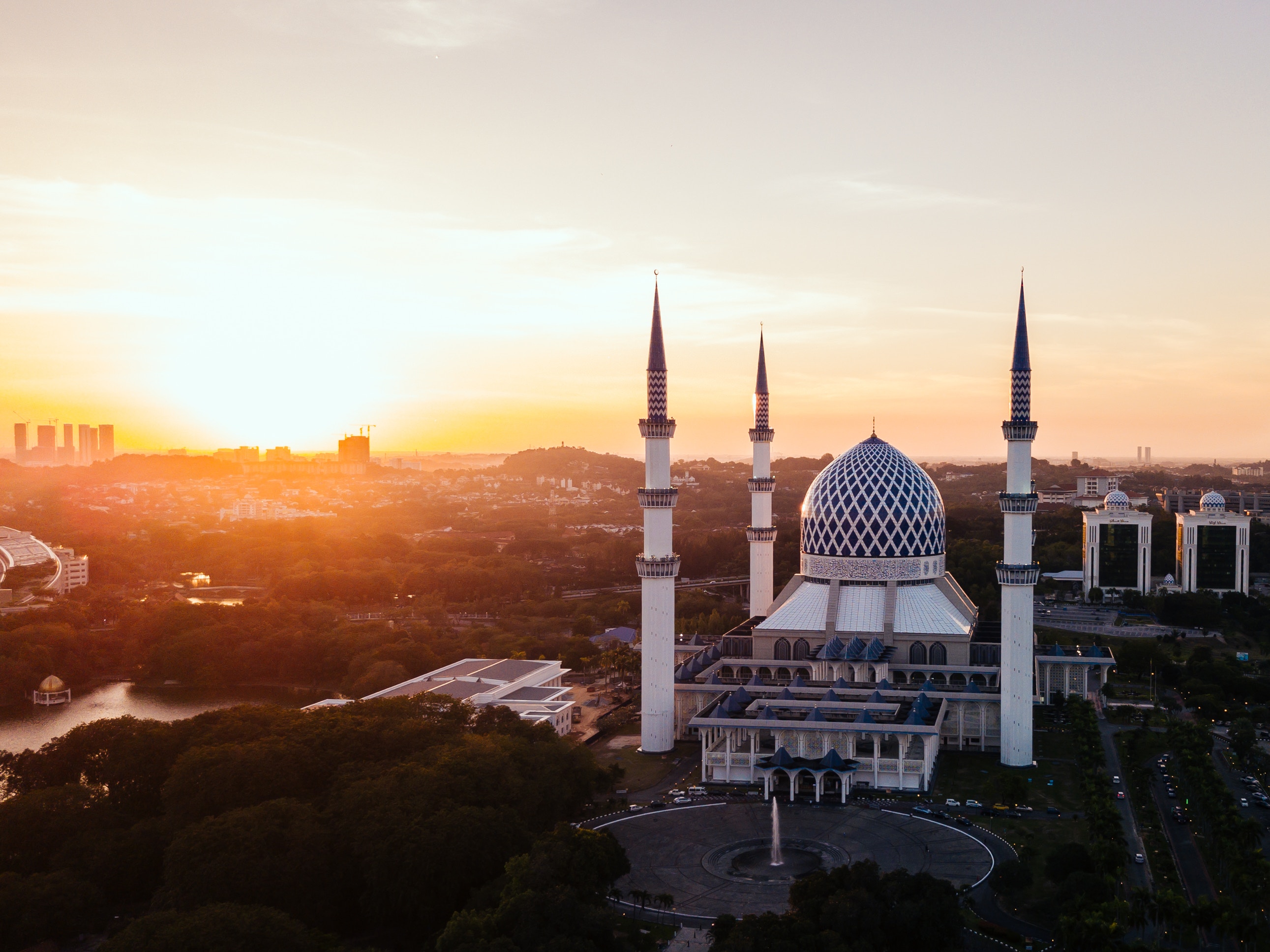
Residing in Malaysia in the final years of the Najib administration, one could be forgiven for thinking society had somehow collectively lost its mind.
This Orientalism has clouded how many on the Western Left understand and approach minority cultures within their own societies.