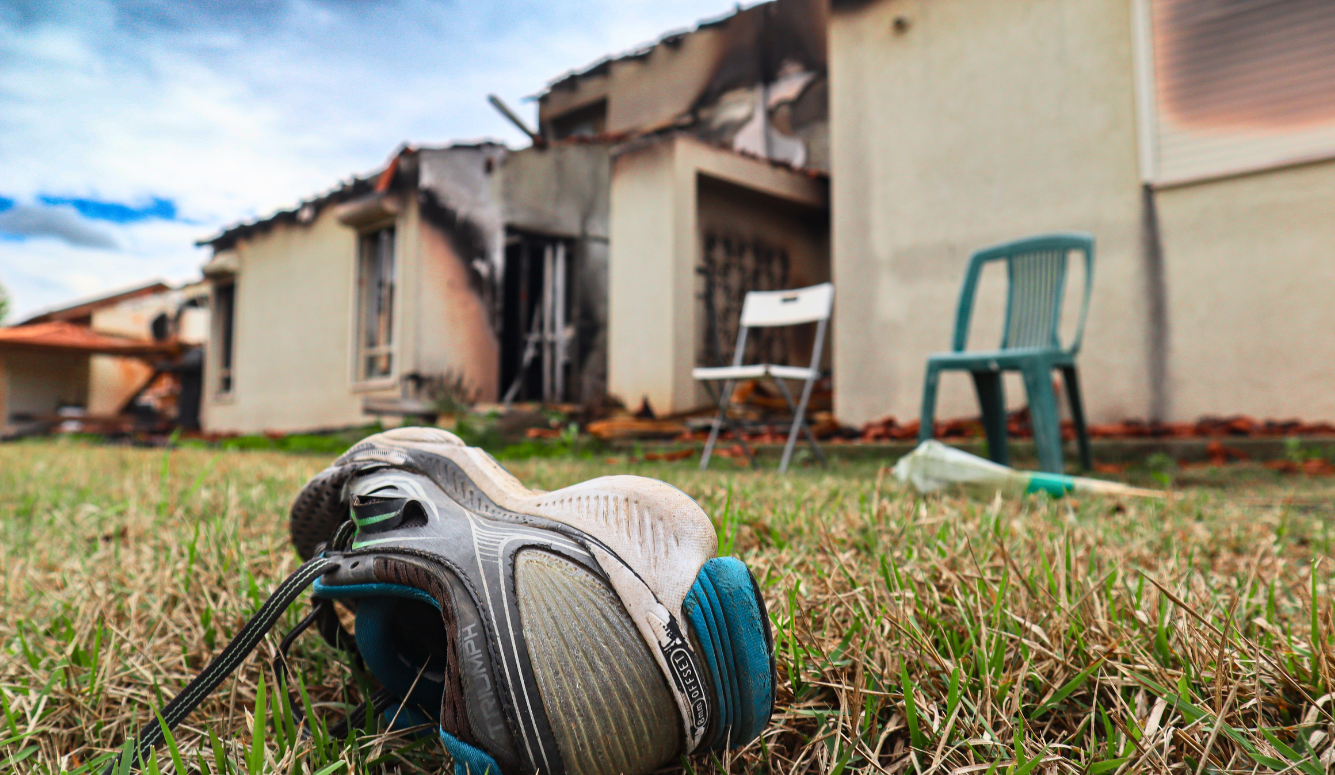
War Stories
Yonah Jeremy Bob and Elliot Kaufman’s account of the 7 October massacre and its aftermath is a triumph of dogged reporting and shrewd analysis.
Michael M. Rosen
· 8 min read
Analysis and commentary on Israel, the Israeli-Palestinian conflict, antisemitism, and Middle East politics from Quillette.
Yonah Jeremy Bob and Elliot Kaufman’s account of the 7 October massacre and its aftermath is a triumph of dogged reporting and shrewd analysis.
Former Human Rights Watch senior editor Danielle Haas on how NGO reports get made, what happens to staff who dissent, and why she wants outside oversight.
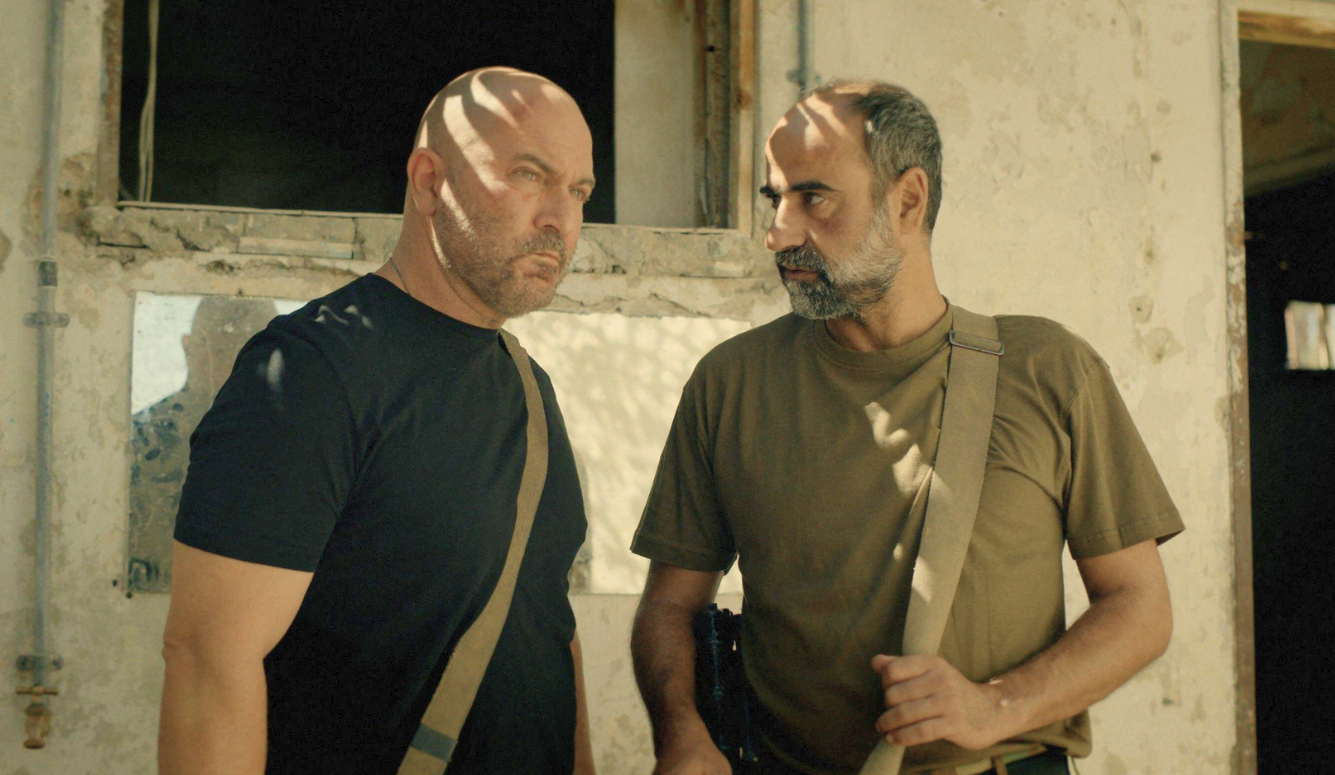
If you’re not already familiar with the casus belli that ignited the Gaza war, watching the fifth season of ‘Fauda’ will be good for you, but it will also be bad for you.
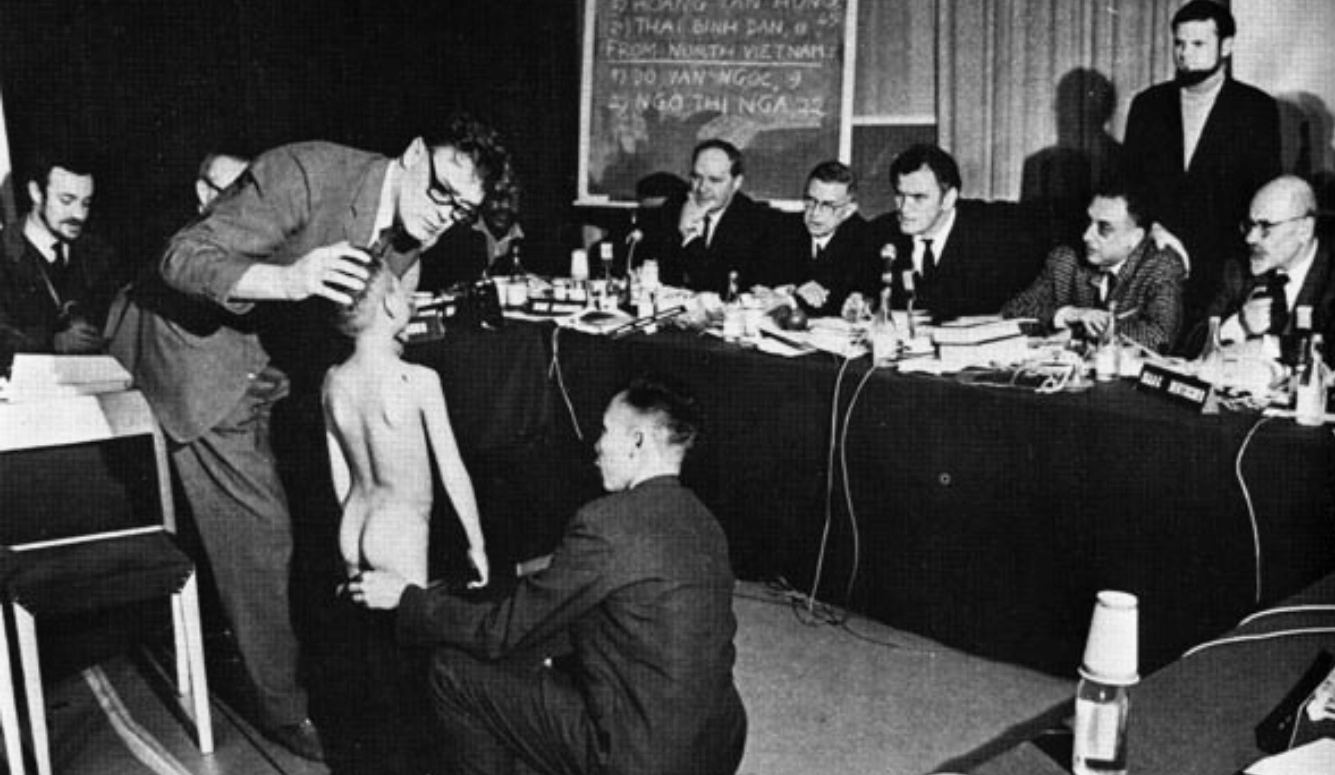
In 1967, left-wing intellectuals accused America of genocide in Vietnam—they were wrong then, and they’re wrong again now.
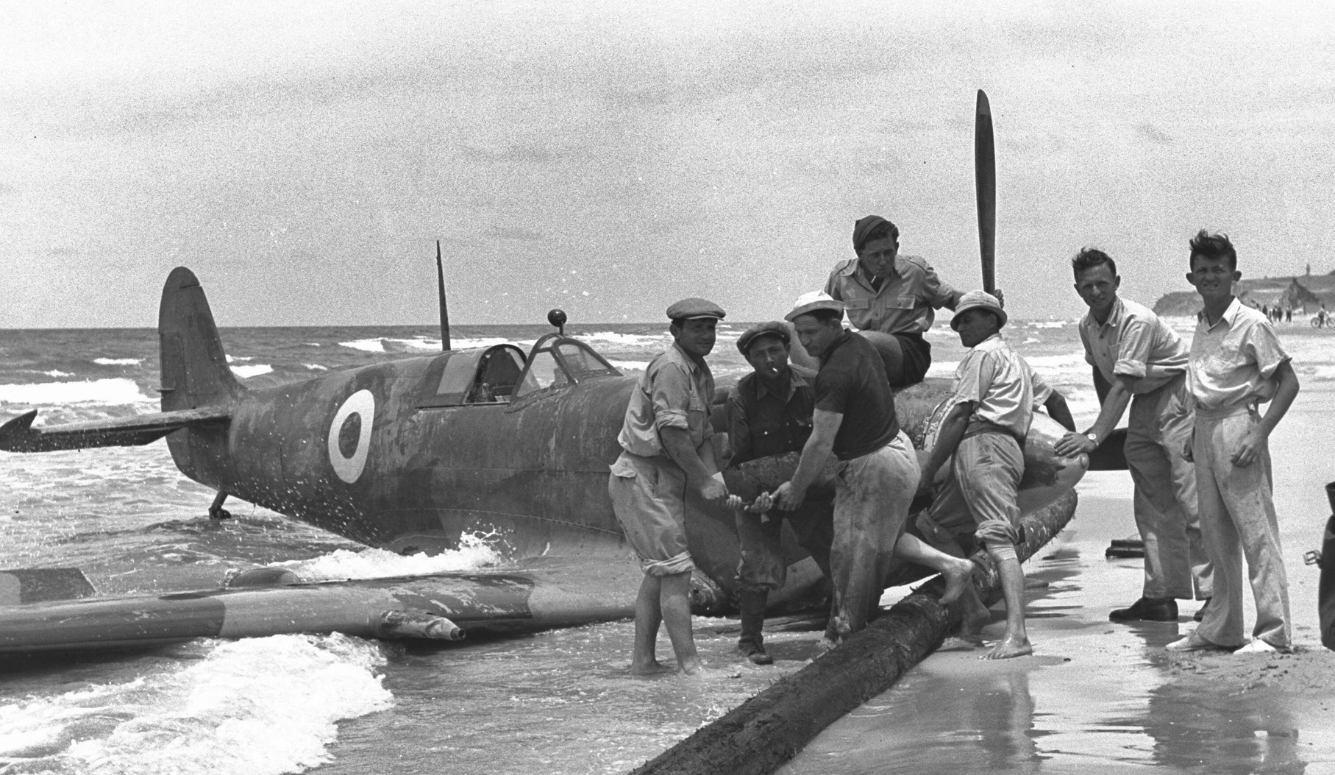
A new exhibition at the Canadian Museum for Human Rights in Winnipeg peddles PLO myths about Israel’s war for independence in 1948.
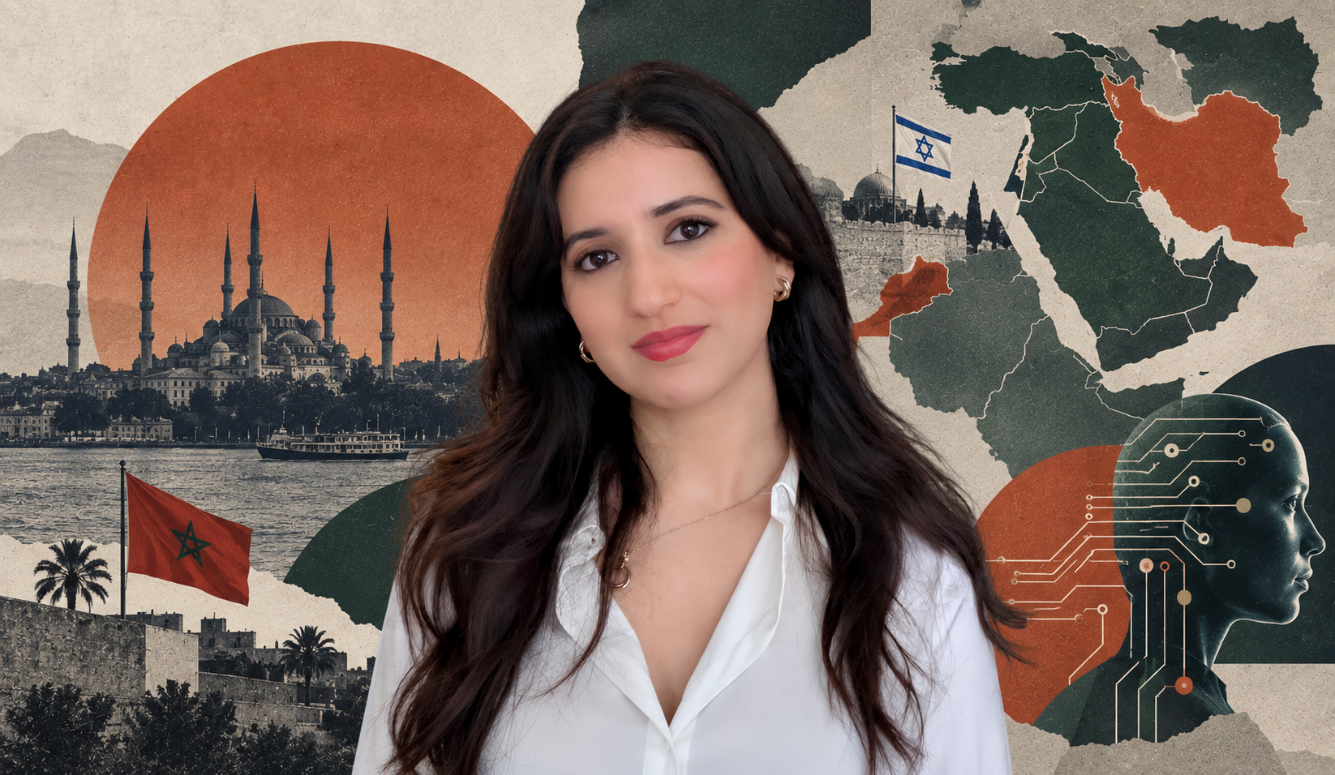
Political analyst Zineb Riboua discusses Iran’s declining influence, the Houthis, Turkey’s ambitions, Israel’s changing role in the Middle East, Islamist radicalisation in Europe, AI doomerism, third-worldism and the West’s demographic decline.
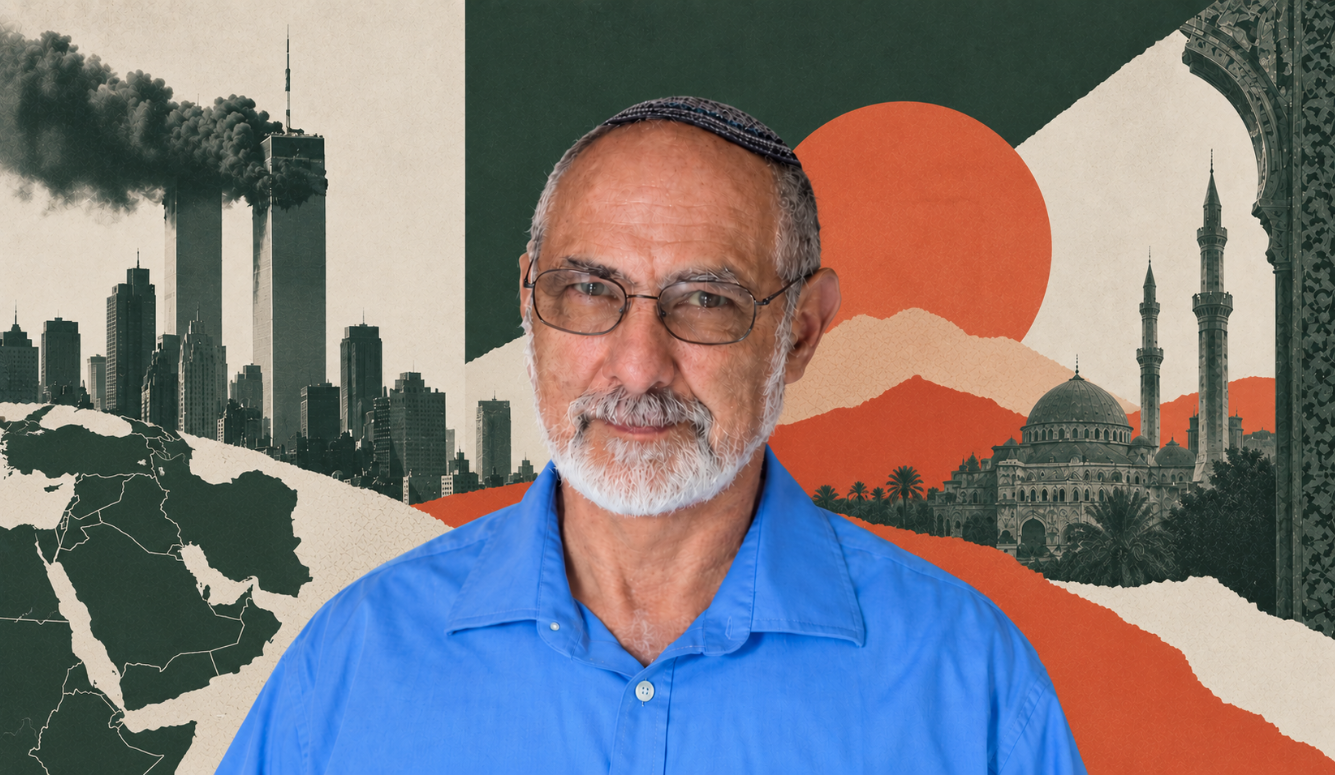
A medievalist on apocalyptic movements, shame–honour cultures, and why he believes the Western press has spent twenty-five years reporting jihad backwards.
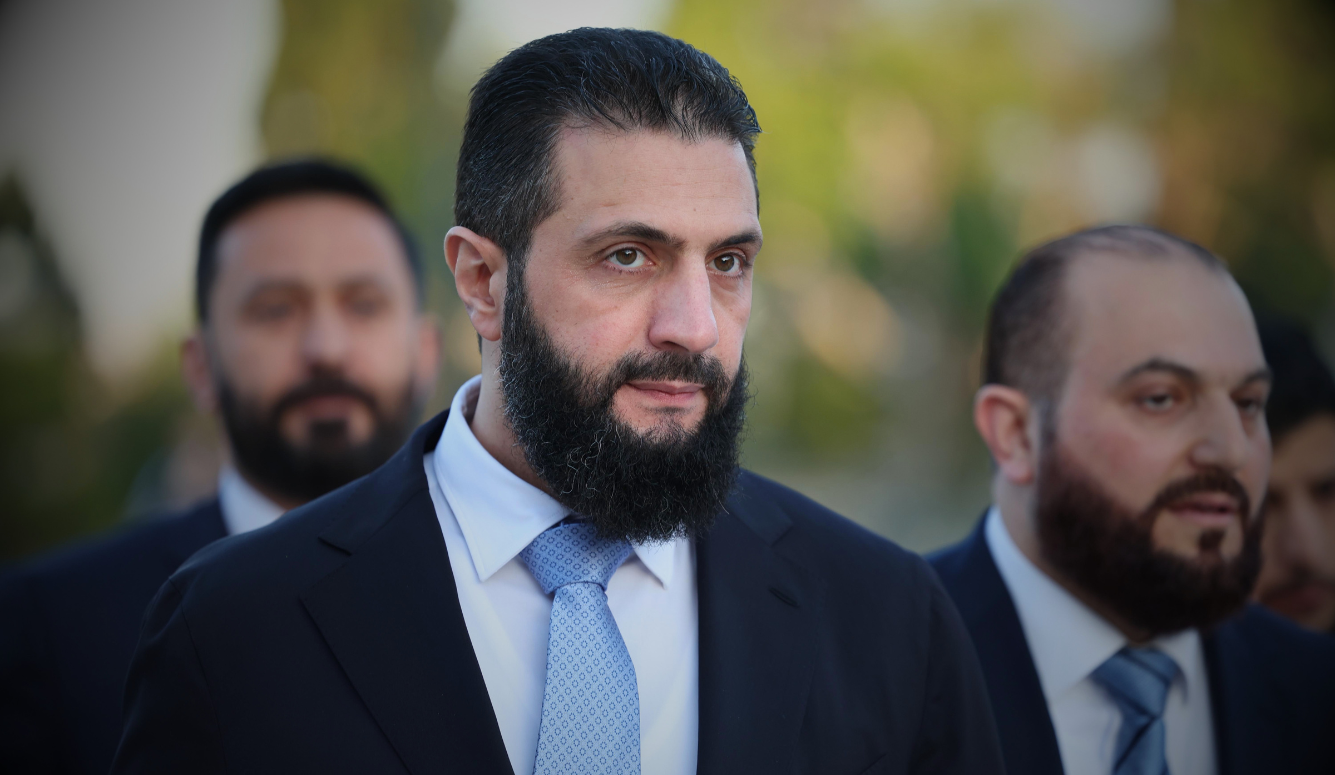
The strategic case for Syria–Israel normalisation.
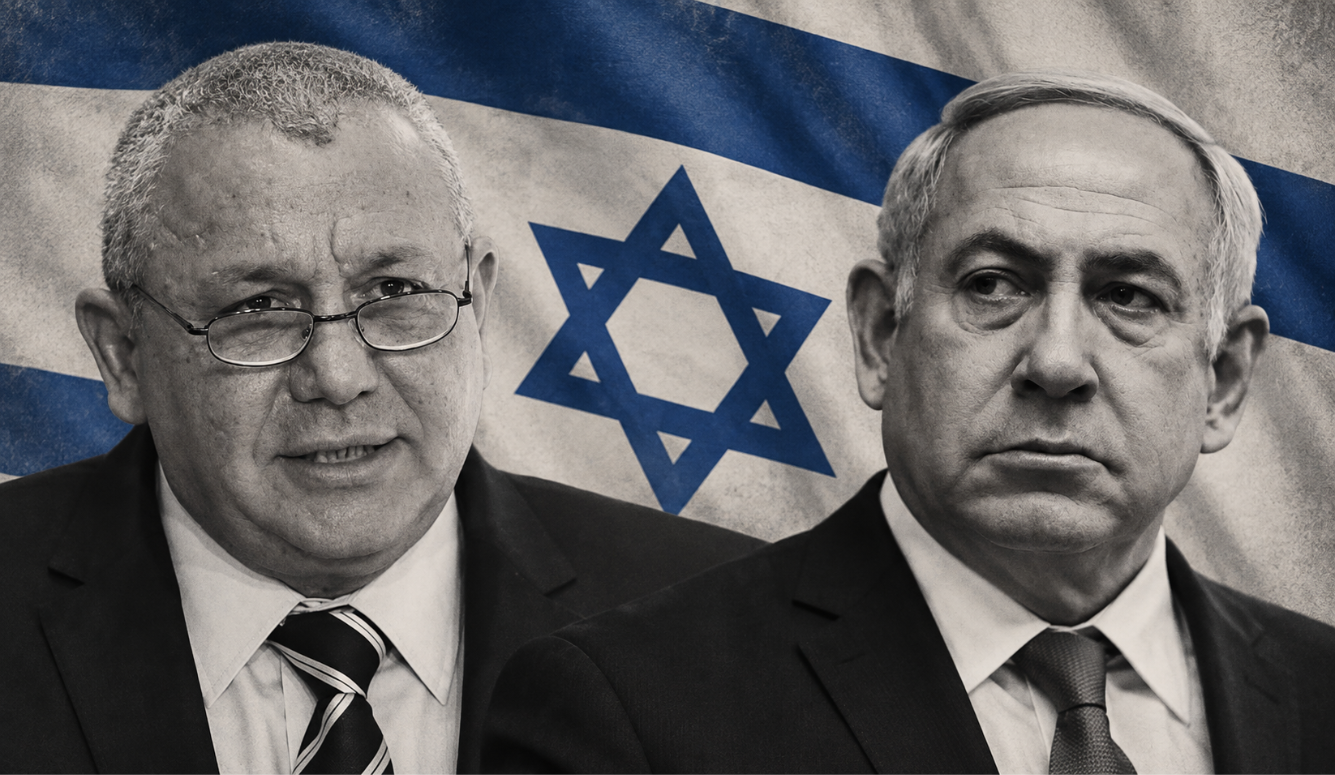
Israelis go to the polls on 27 October. After seventeen years of Netanyahu, former IDF chief Gadi Eisenkot is in the lead.
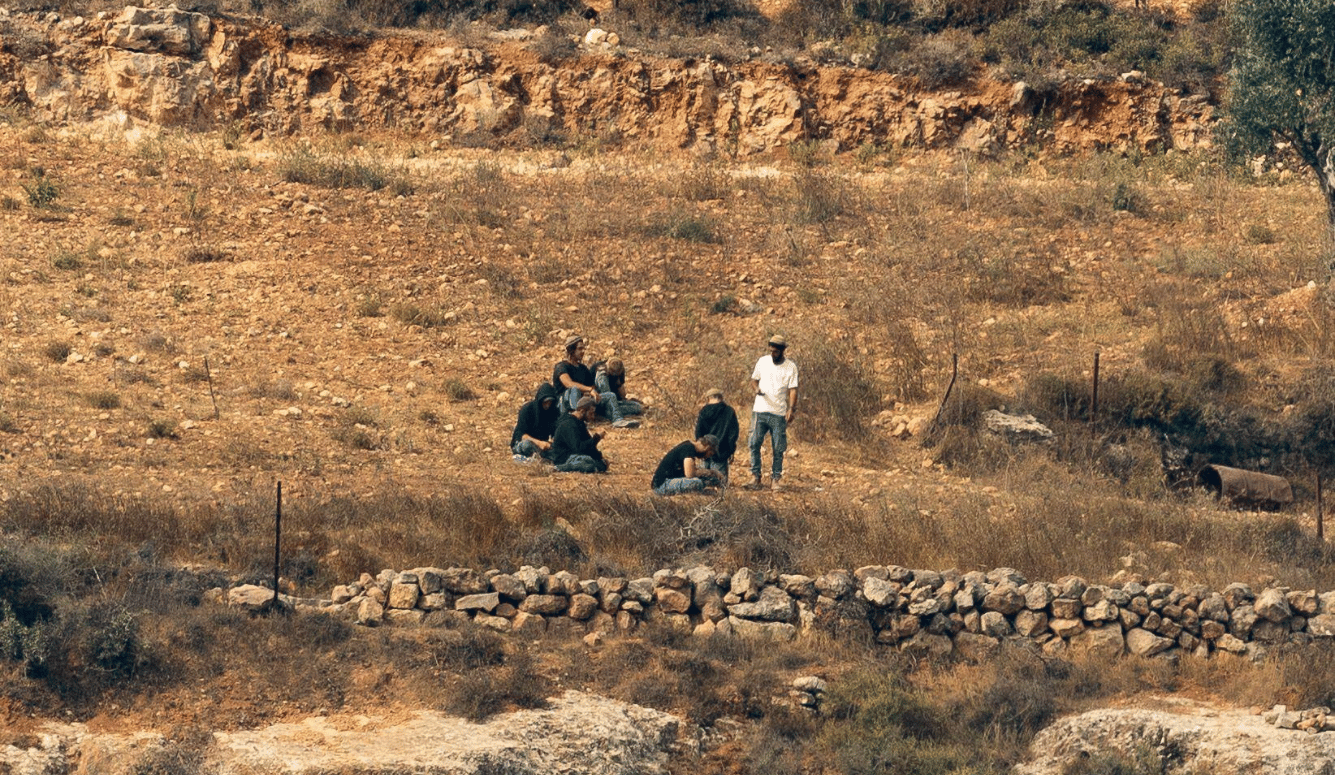
Israeli governments have never decided what to do with the West Bank—so the settlers have begun deciding for them.
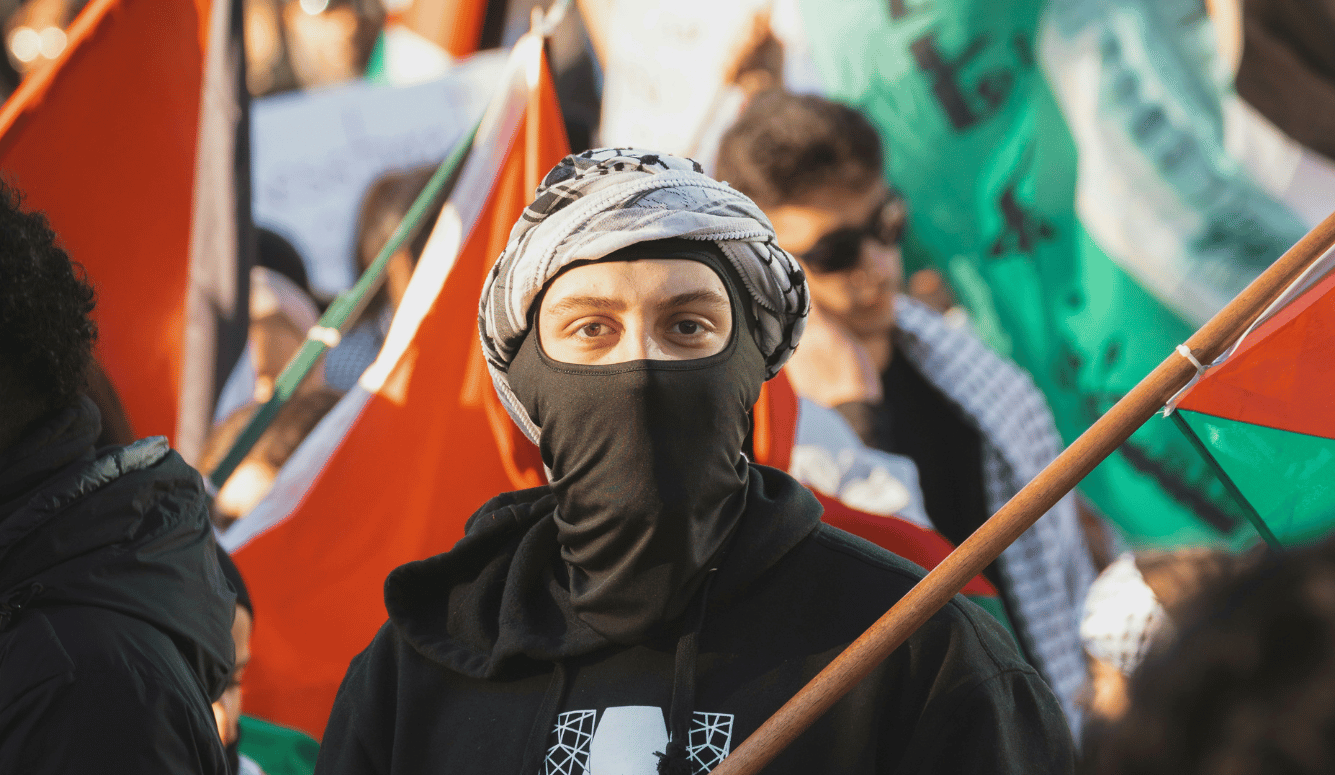
By framing terrorism and armed struggle as legitimate resistance, the pro-Palestine movement has unwittingly strengthened Israel’s case that withdrawal and concessions carry unacceptable risks.

Activist Rachel Moiselle on why a country with 3,000 Jews obsesses over Israel, how antizionism became a faith, and the cost of speaking out.
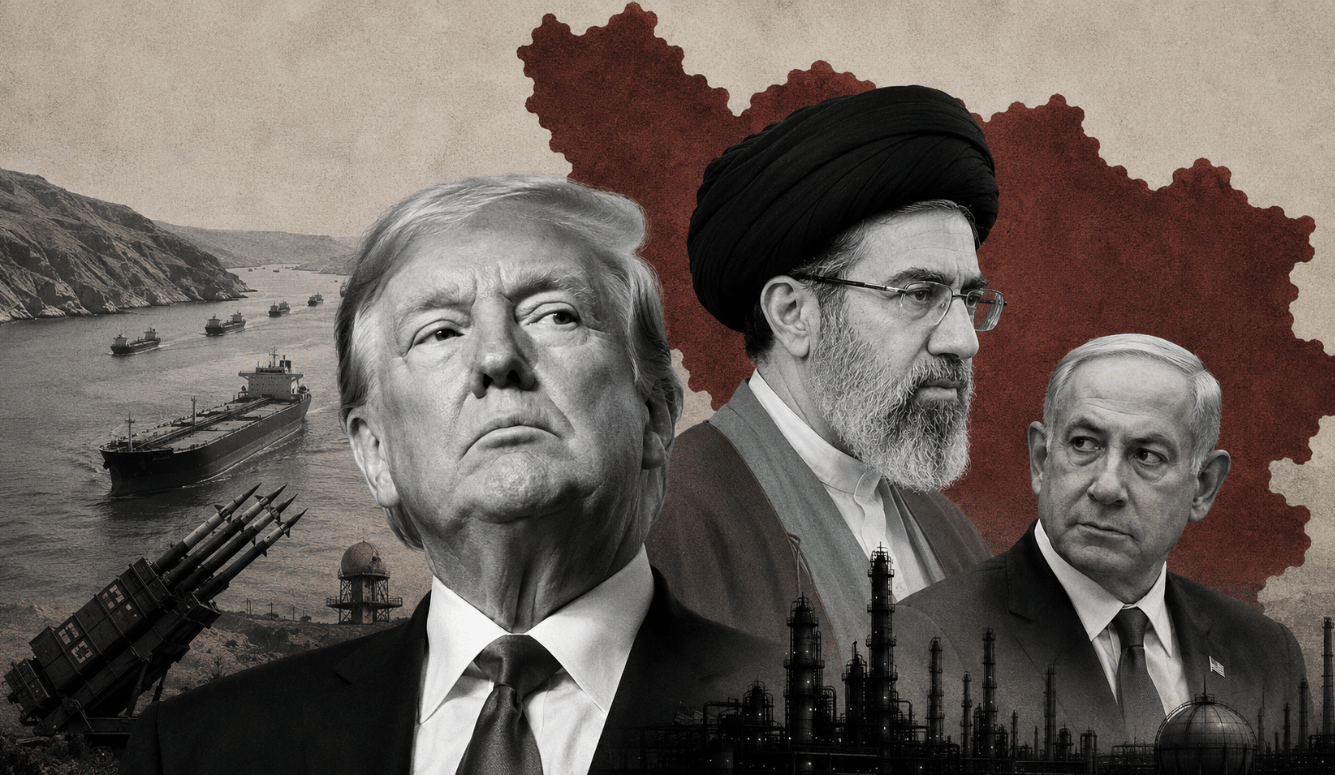
A collapsed ceasefire has pushed America and Iran back towards full-scale war over the Strait of Hormuz. Now Trump must decide whether to finish the job or give Tehran one more chance.
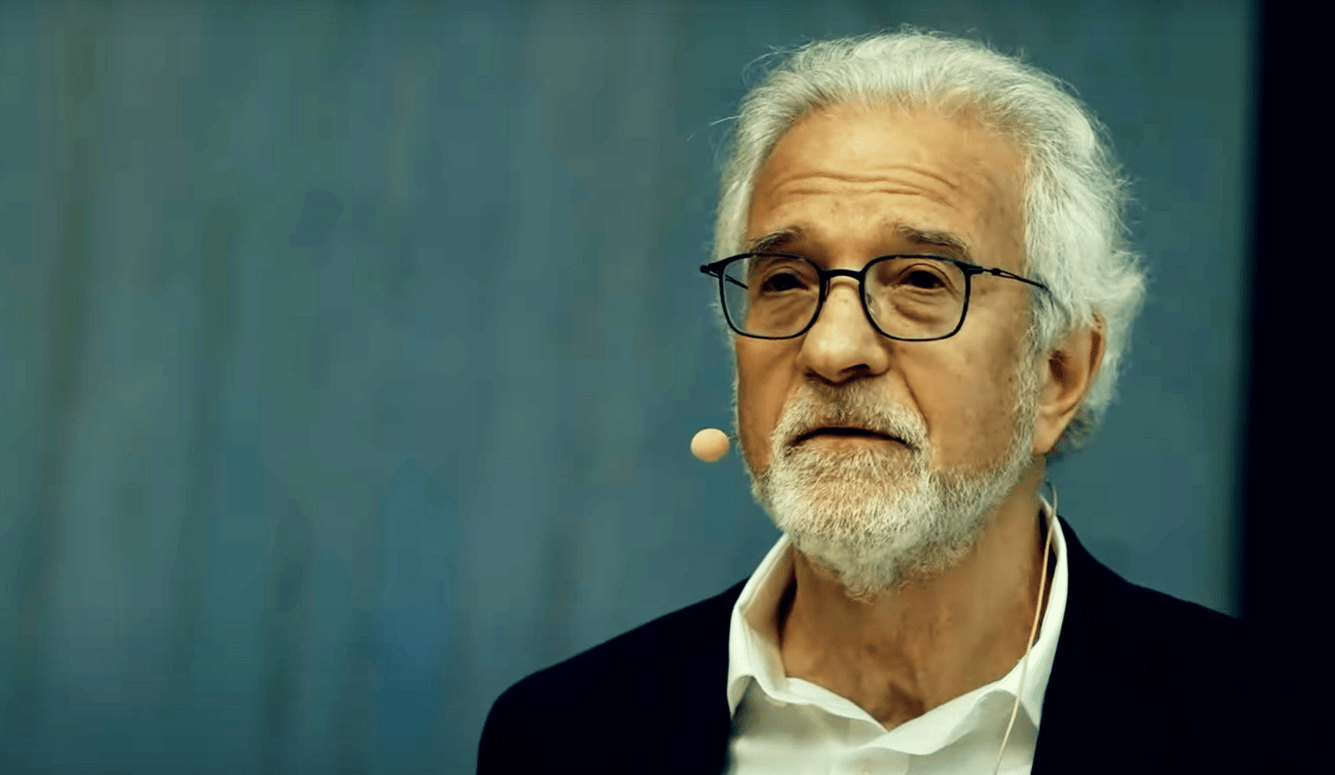
A distinguished historian of the Holocaust views Israel through the wrong prism.
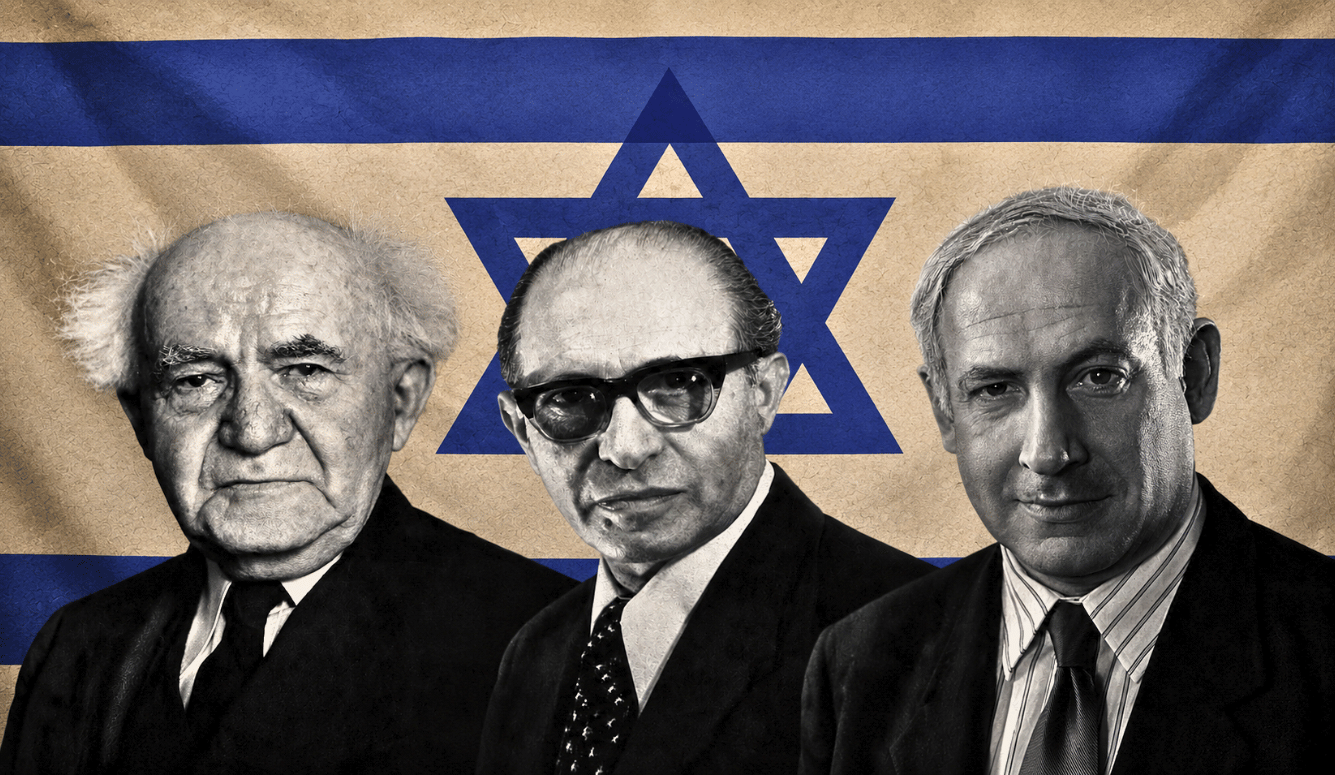
Reconsidering Israel’s wars in 1956, 1982, and 2026.