Citizen Sane
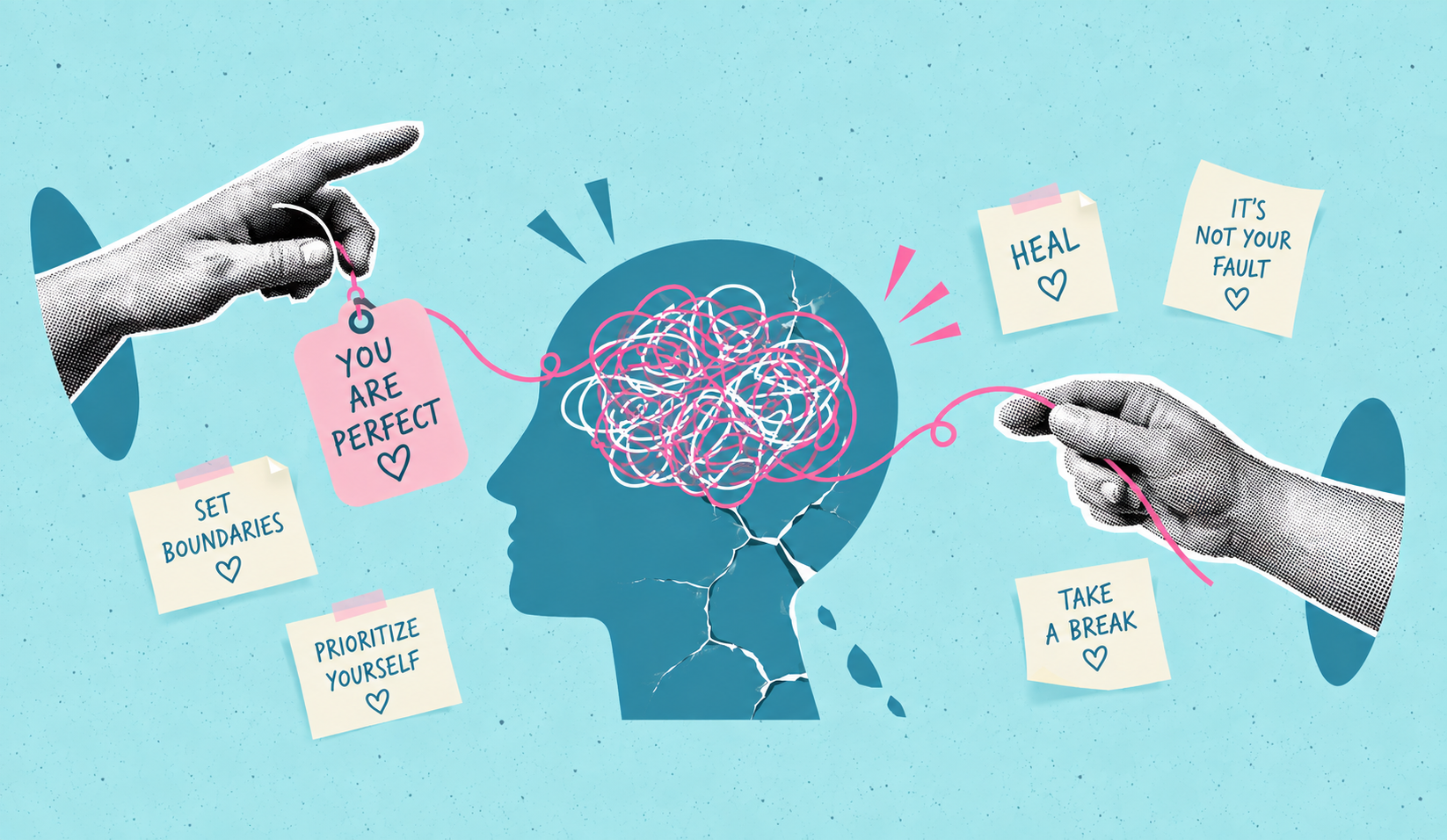
The mainstreaming of therapy culture may be driving us all out of our minds.
Steve Salerno
· 18 min read
A collection of 226 posts
The mainstreaming of therapy culture may be driving us all out of our minds.
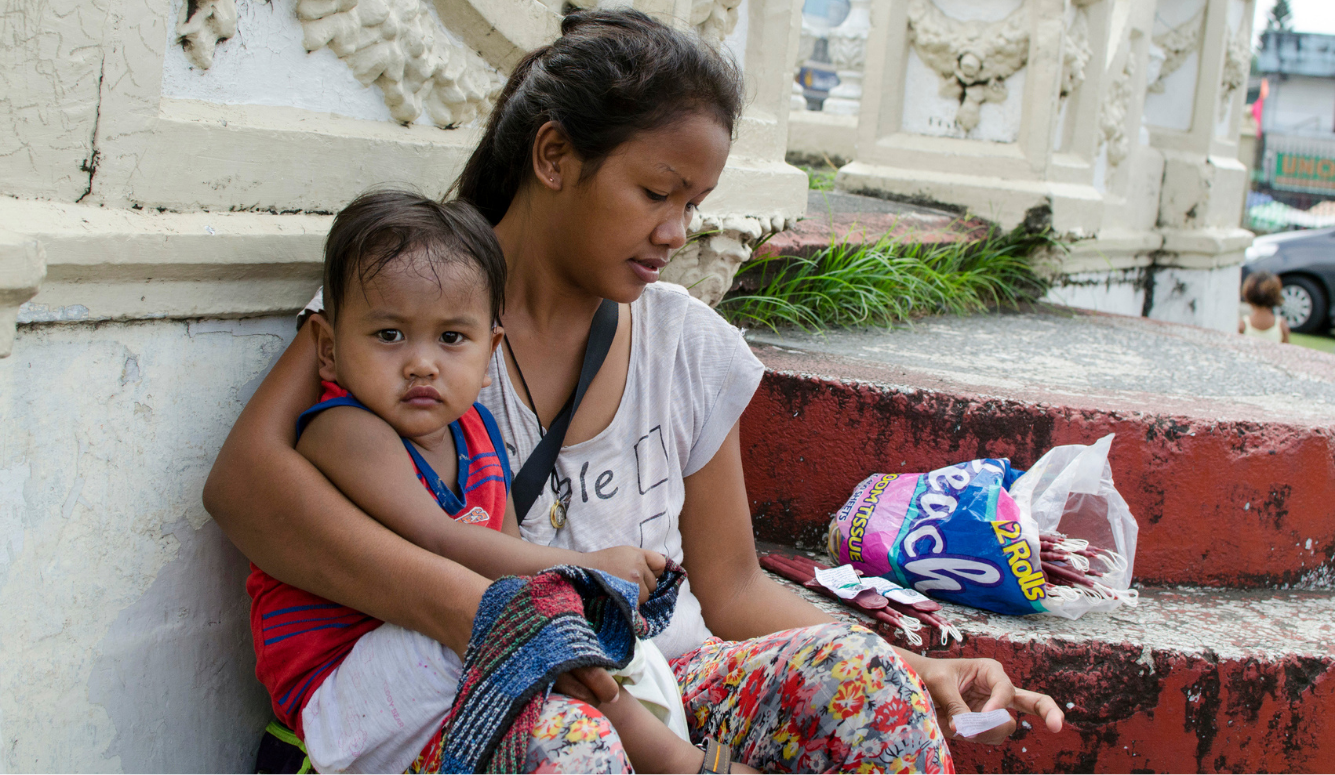
Differences in height between men and women—a biomarker of stressor exposure in childhood—suggest that poor early health and nutrition constrain what children are achieving at school.
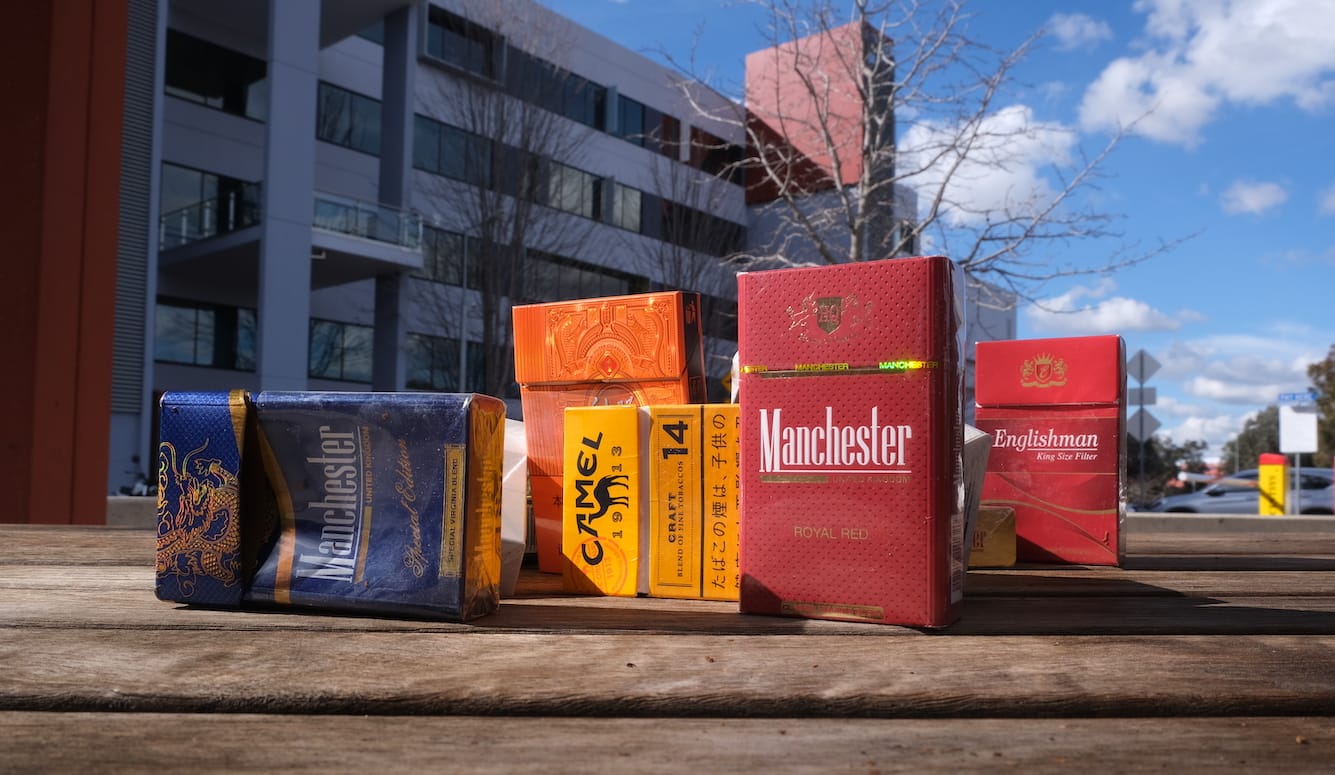
An unorthodox survey suggests it’s time for the Australian government to concede defeat in the tobacco wars. Will it have the guts to do so?

How Australia's war on tobacco backfired.
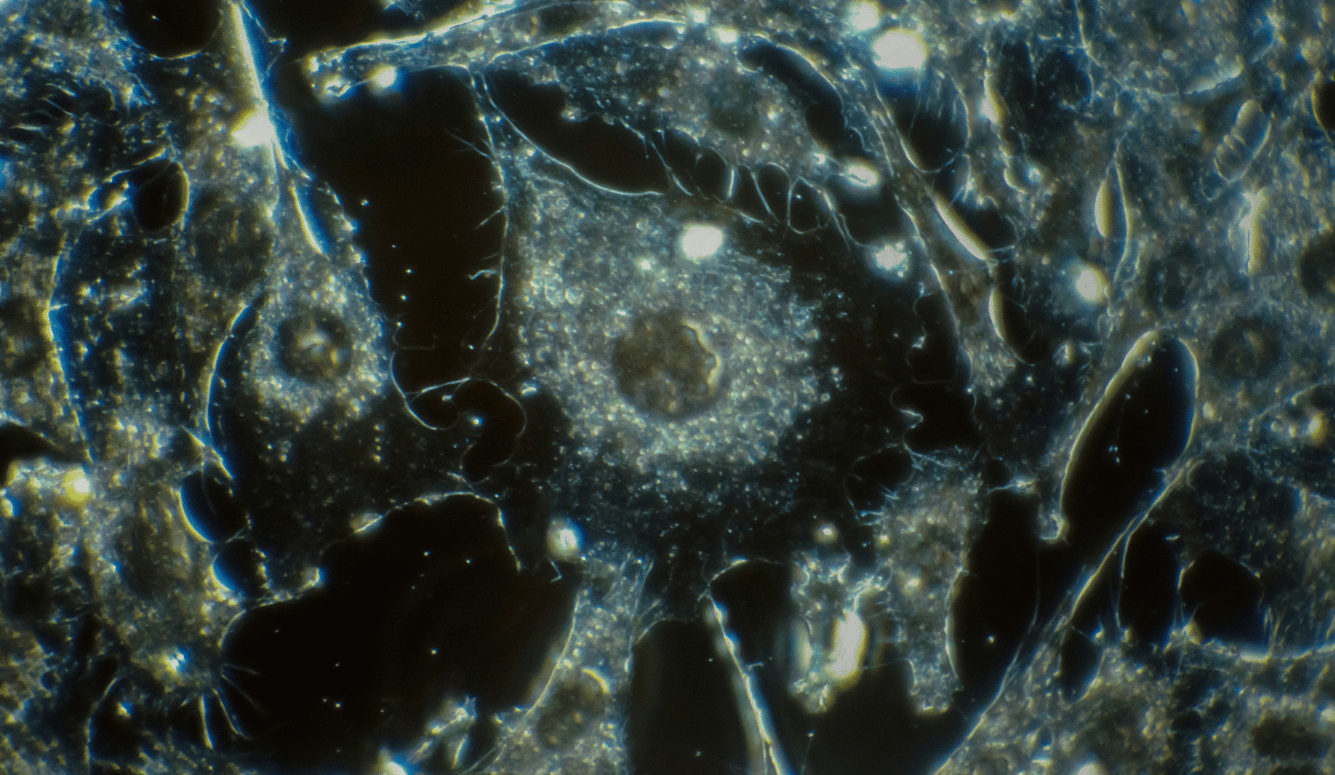
How decades of invisible science produced two cancer breakthroughs.
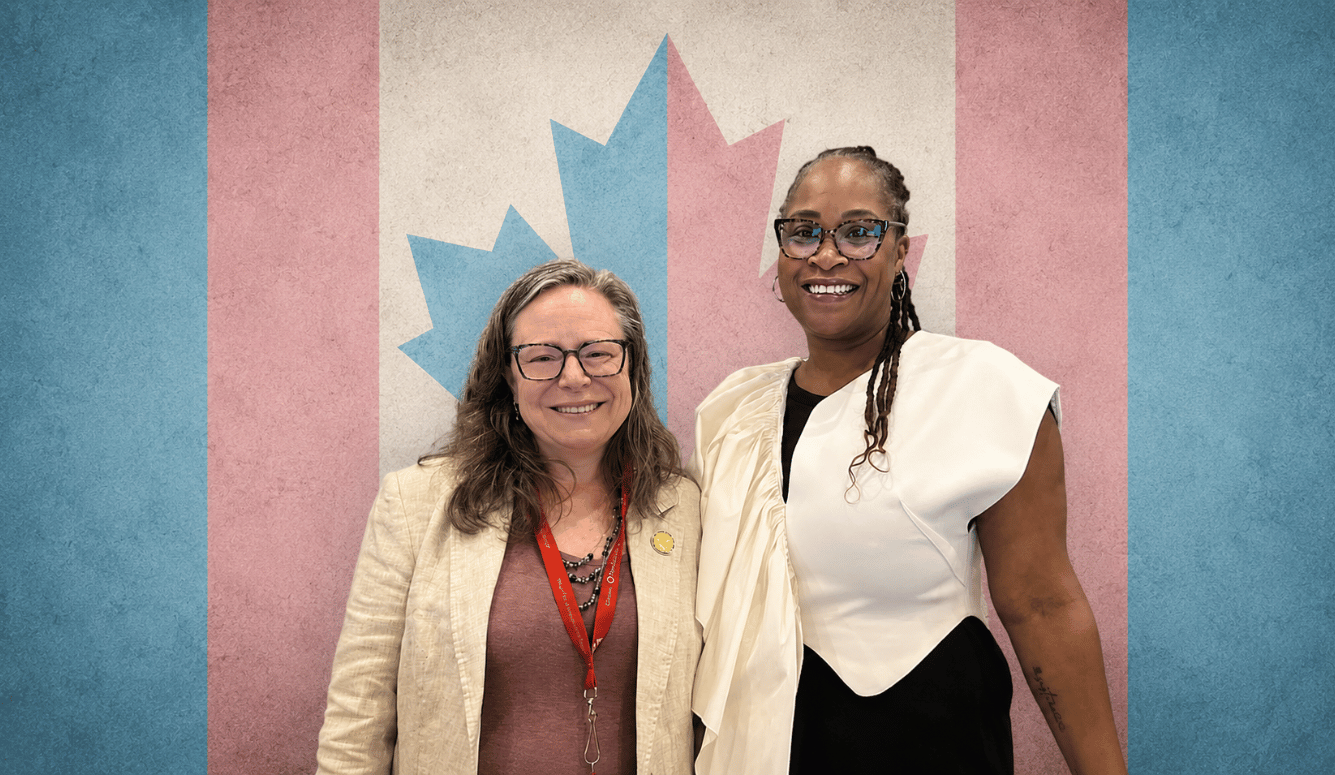
The career arc of Canadian Paediatric Society president Natasha Johnson helps explain why her country has become such an outlier in the treatment of trans-identified children.

Nathan Schachtman’s indispensable new paper explains how the International Agency for Research on Cancer has misled the public with its classifications of carcinogens.
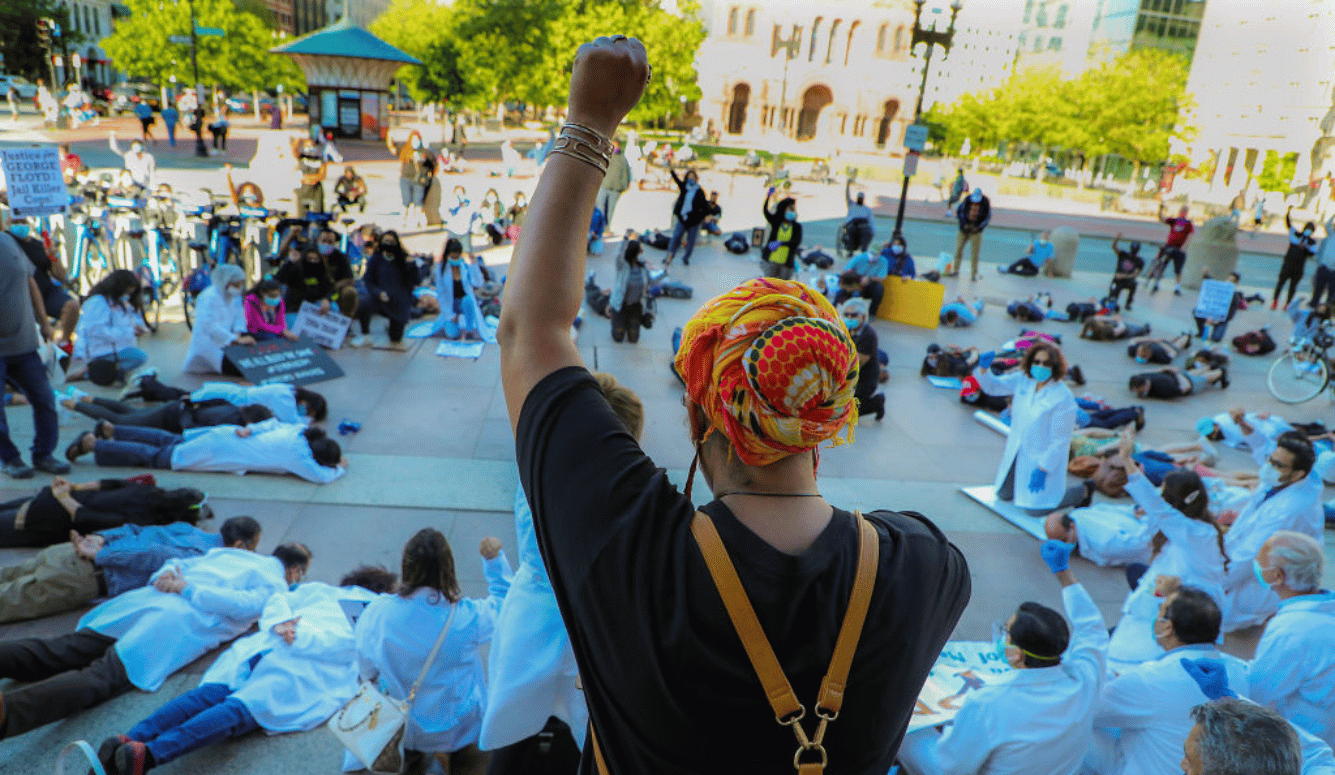
Tragicomic scenes from reparations-based medicine.
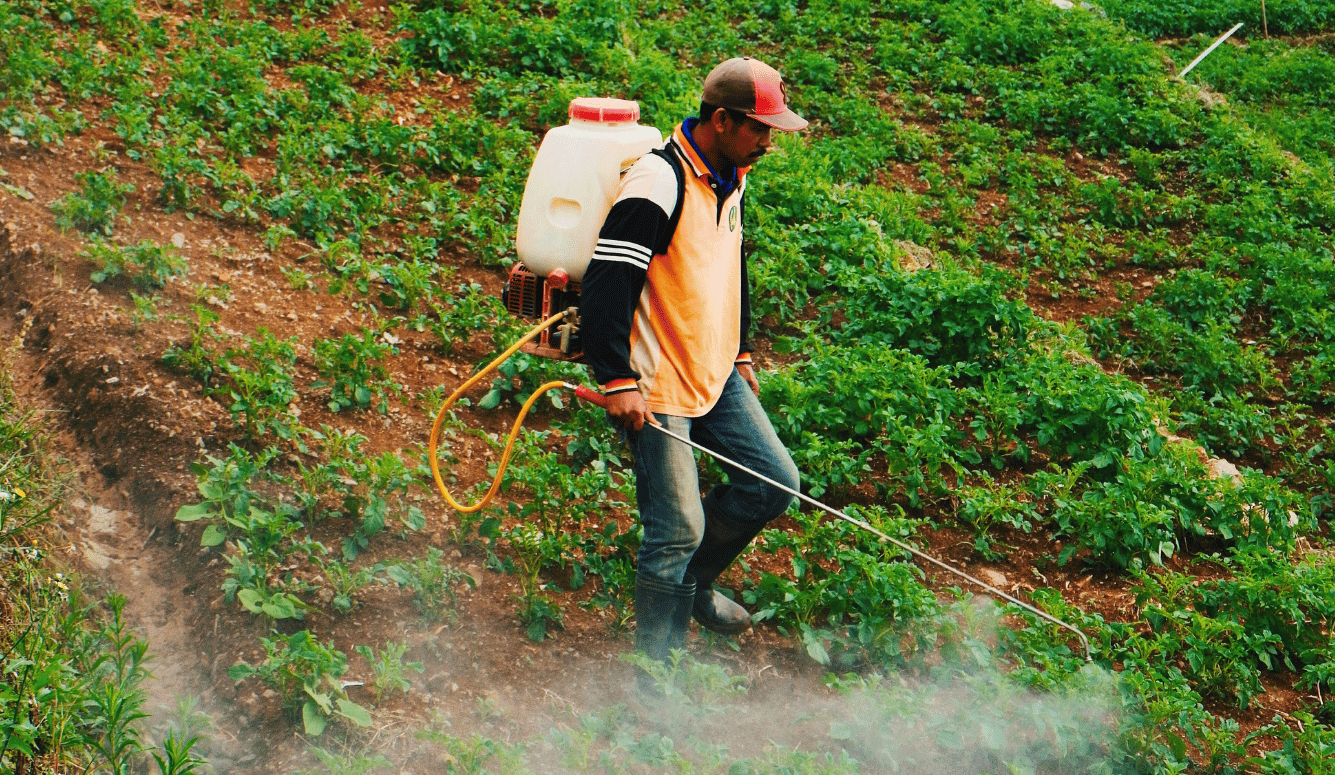
Now that glyphosate has become a national-security issue, it’s time to revisit the source of misinformation about this controversial herbicide.
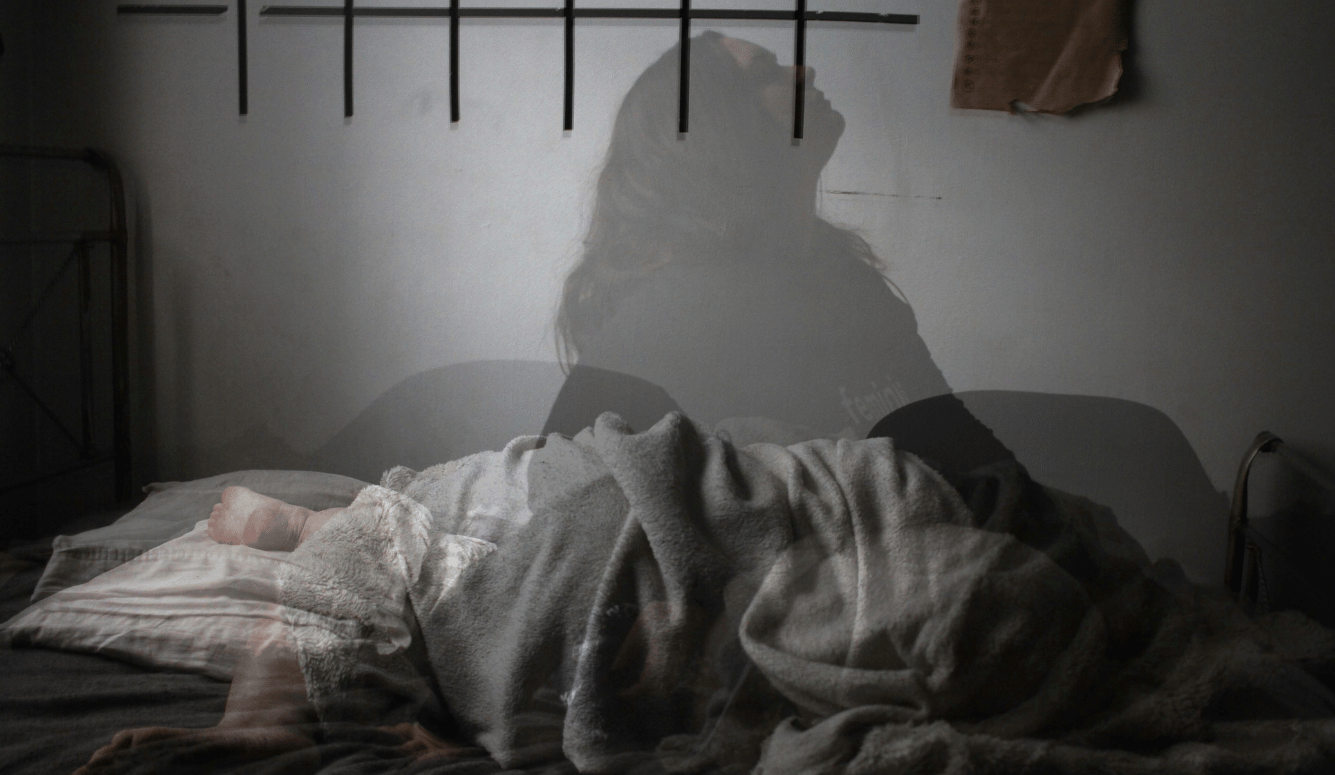
The sad and curious case of the chronic fatigue syndrome.
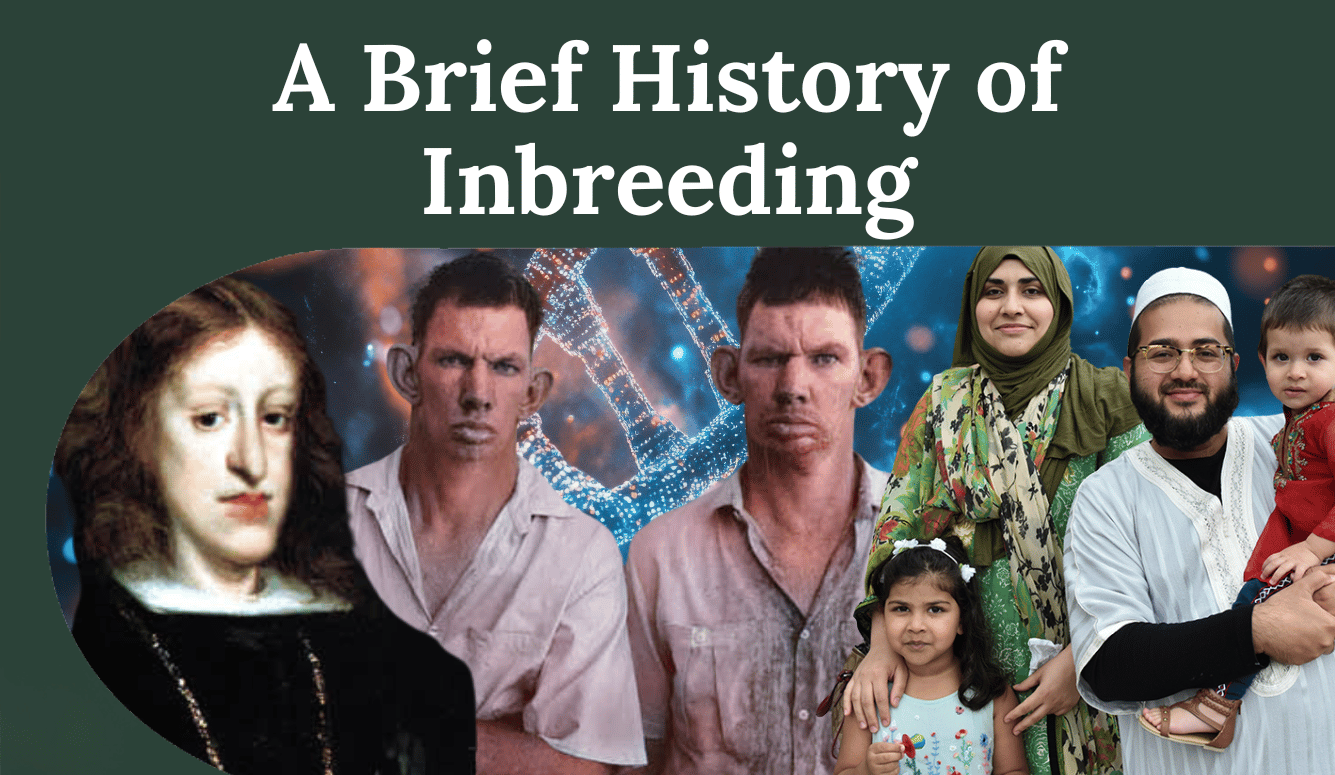
What large-scale genomic data reveals about consanguinity, inherited disease, and the uneasy politics of discussing biological risk.
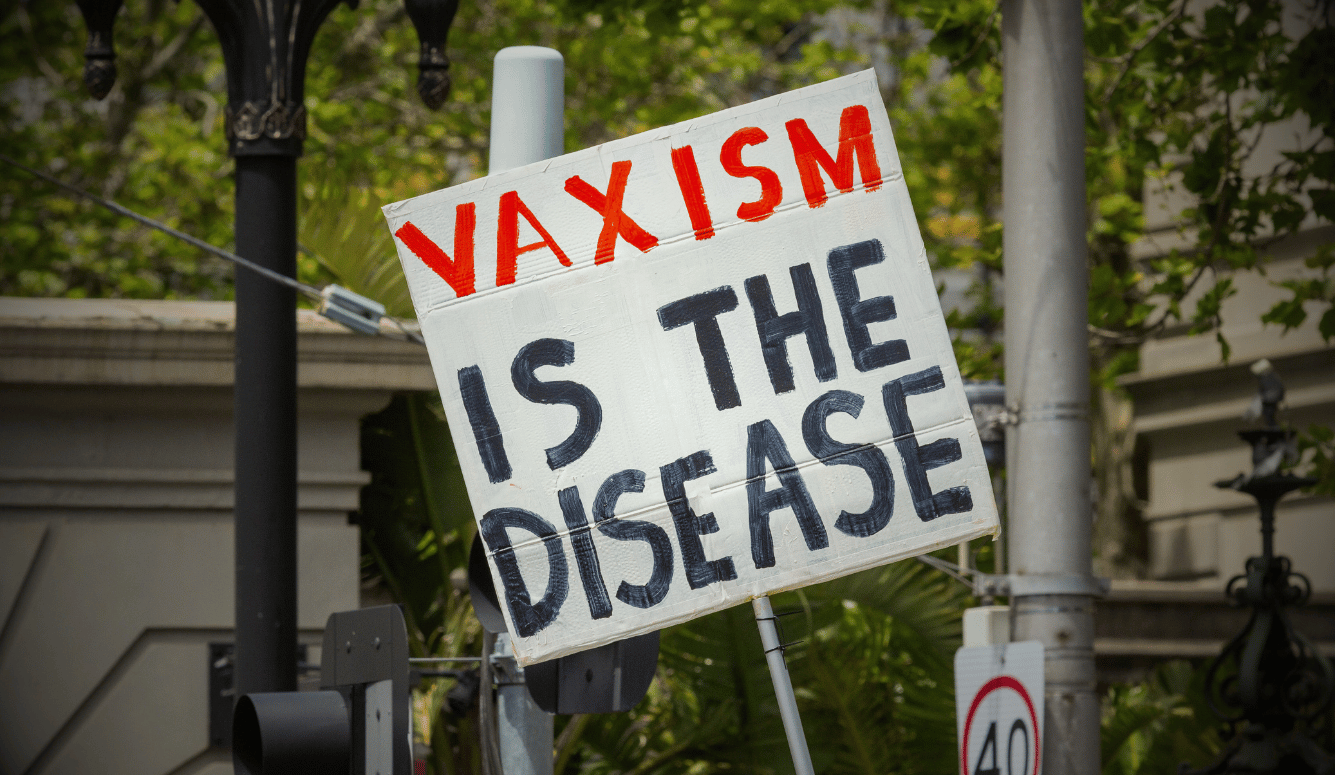
By spreading unproven claims that Covid-19 vaccines caused the deaths of children, Trump's FDA continues to undermine public trust in vaccines, with disturbing implications for the health of Americans.

A new article in MIT’s ‘Undark’ magazine recycles old misinformation about a supposedly toxic chemical.
The hepatitis B vaccine episode is a preview of what happens when scientific institutions are corrupted by people who reject the scientific method itself.
In anticipation of the ‘new results’ RFK Jr. has promised about the causes of autism, an overview of what science has already learned.