Prison or Peer Review
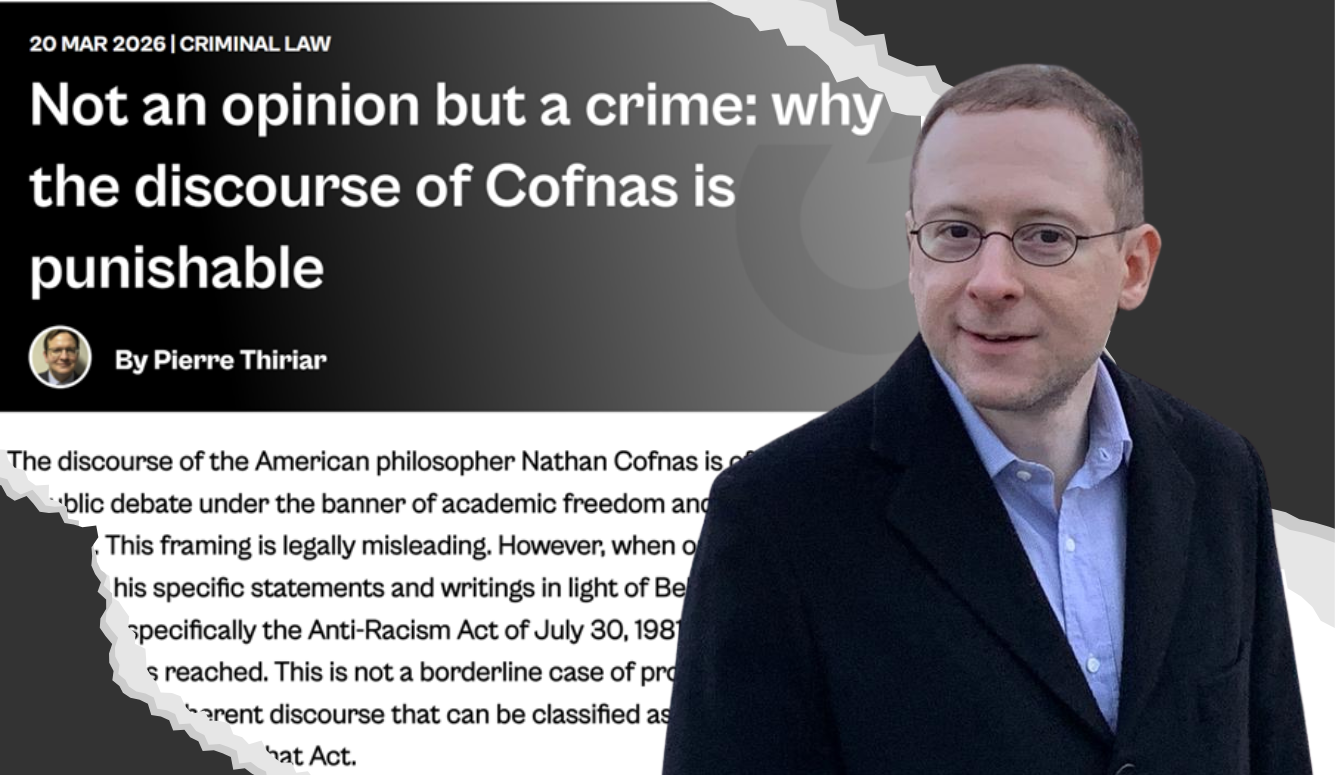
Nathan Cofnas: what was done and what was owed.


Rosalind Arden is a researcher at the London School of Economics. She is interested in human variation. Why are some people smarter than others? What are the consequences of being more, or less bright?
Nathan Cofnas: what was done and what was owed.
Name-calling, guilt-by-association, and other unscrupulous methods of argument are polluting our discourse.
The Cofnas and Arday controversies show that on matters of race, administrators at Cambridge have failed to conduct deliberate checks, failed in probity, and failed in their tolerance for unsettled science.
The most consequential weakness of philosopher and journalist Kathleen Stock’s new polemic against assisted dying is its failure to engage with the empirical record.
European jurists should not seek to arbitrate controversial matters best settled by science.
A look at the process, history, and ethics of a potentially revolutionary new technology.
A society worth having rests on our willingness to co-operate, to be able to depend a little on the kindness and civility of strangers.
Science Fictions is engaging, story-led, and well-organised. It will equip my sad young friend to articulate what went wrong with his charity’s study on literacy and, as importantly, to do the next one well.
A profound discomfort with empirical findings emerging from intelligence research lies at the heart of the disinvitation.