Intellectual Freedom and the Culture Wars—A Review
Most instructors on campus who revealed their political views also showed themselves to be a part of the Left
Clayton Trutor
· 8 min read
A collection of 291 posts
Most instructors on campus who revealed their political views also showed themselves to be a part of the Left
This is what censorship looks like in 21st-century America.
Our culture makes a well intentioned but dangerous error in taking every thought experiment, every utterance, every representation, every fantasy of sexual expression seriously.

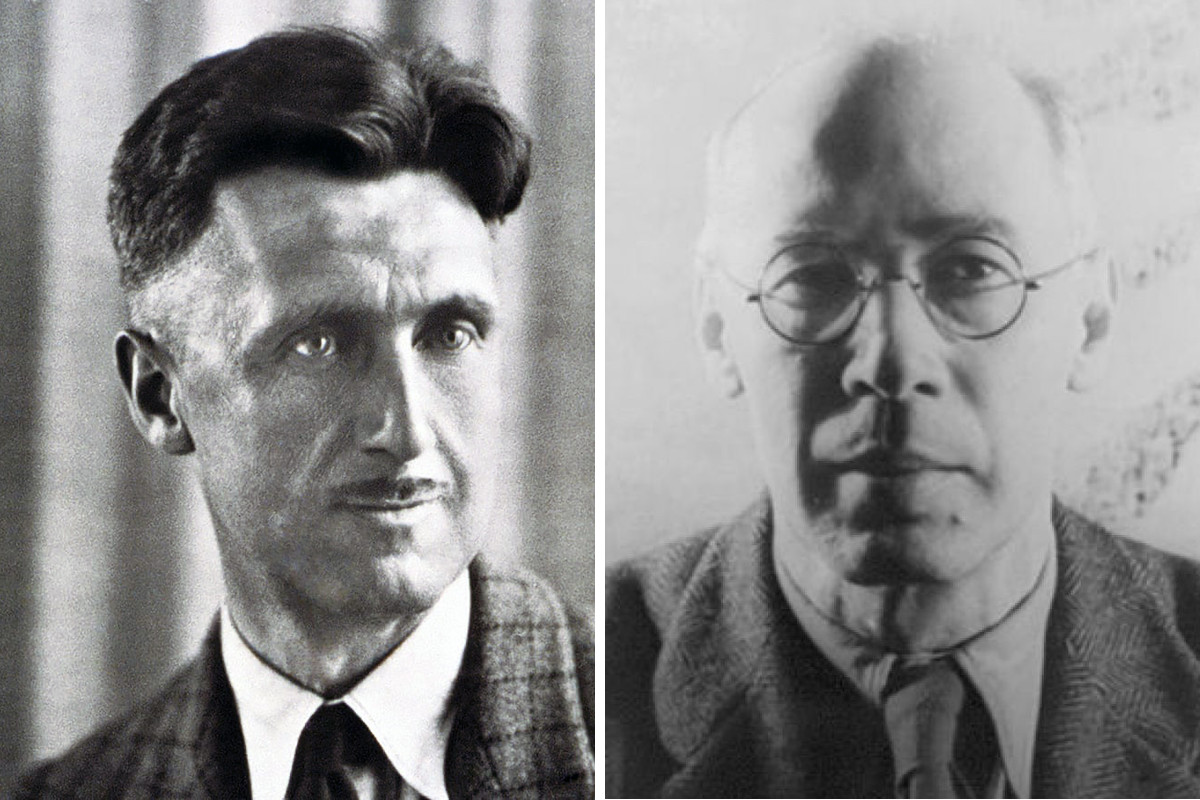
Like Miller, Orwell didn’t just focus on the “dirty-handkerchief side of life”—he repeatedly confessed to the dirty-handkerchief side of his own personality.
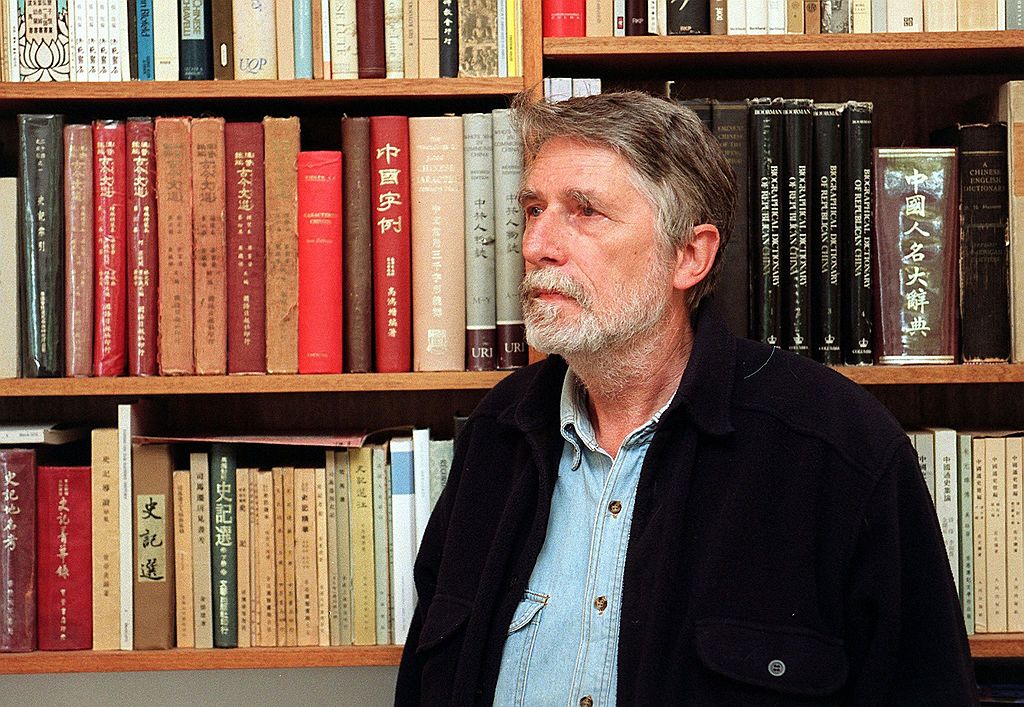
One general conclusion from reading Leys is that although totalitarian movements are immensely dangerous, that doesn’t mean we should give the theories behind them much intellectual weight.
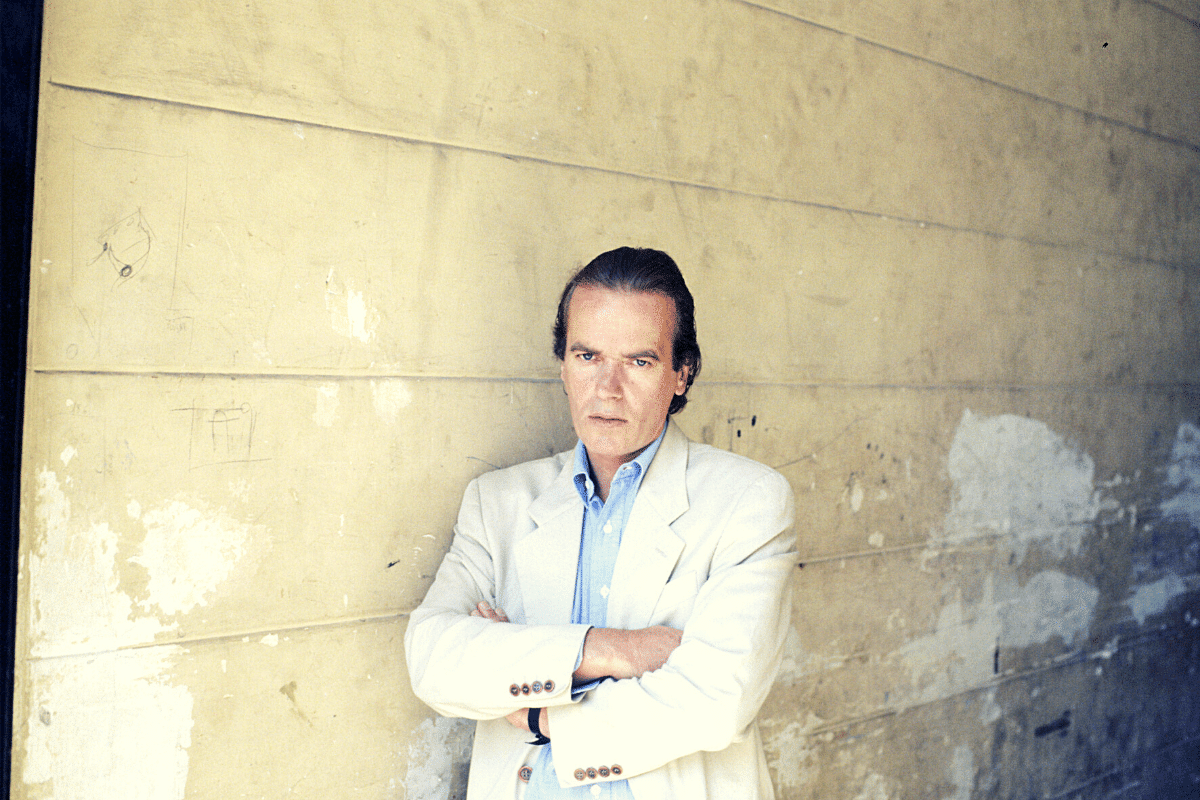
The novel’s composition is a bit cobbled, which Amis acknowledges when he says that he pities the reviewer who has to cross the whole thing front-to-back, recommending instead that the book be taken up at random and read in leaps and snatches.

Compared to the titans of modernism, postmodernists—despite a handful of interesting thinkers like Barthes and Derrida—are no more than garden gnomes.
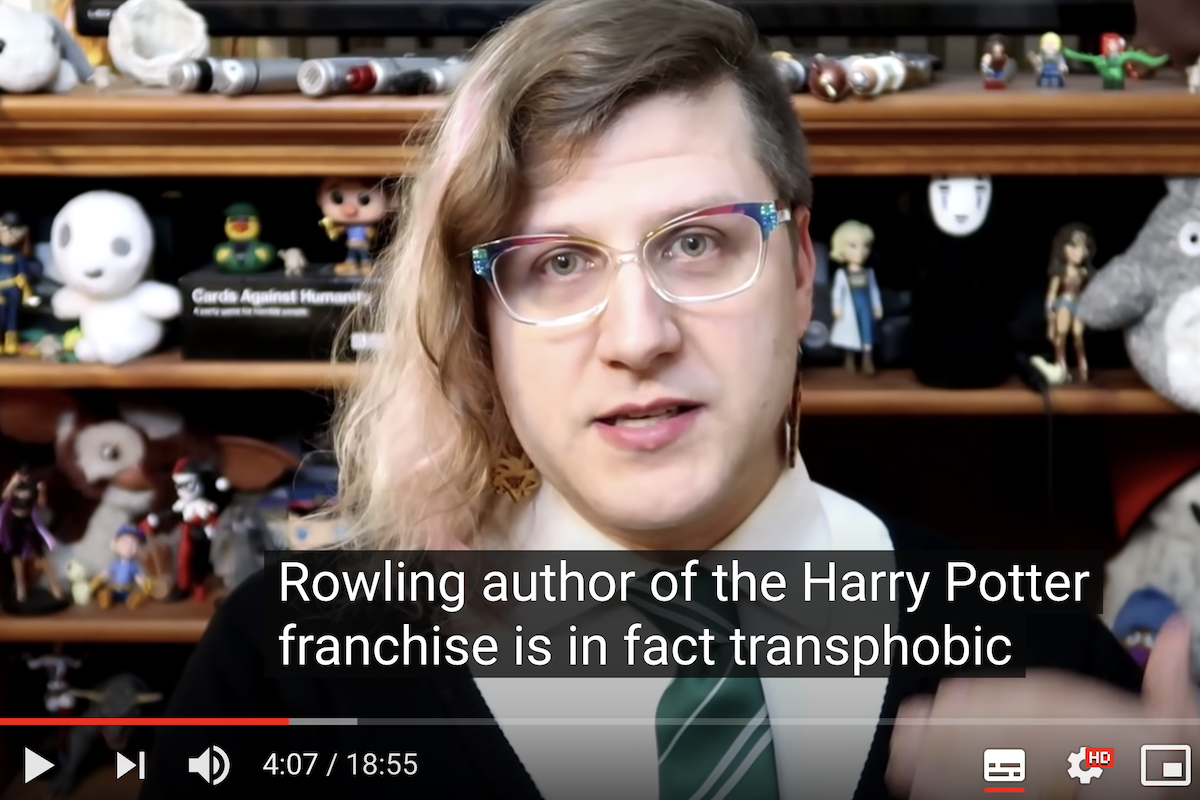
And it turns out that she was, because despite the best efforts of her critics, she hasn’t yet been truly cancelled.
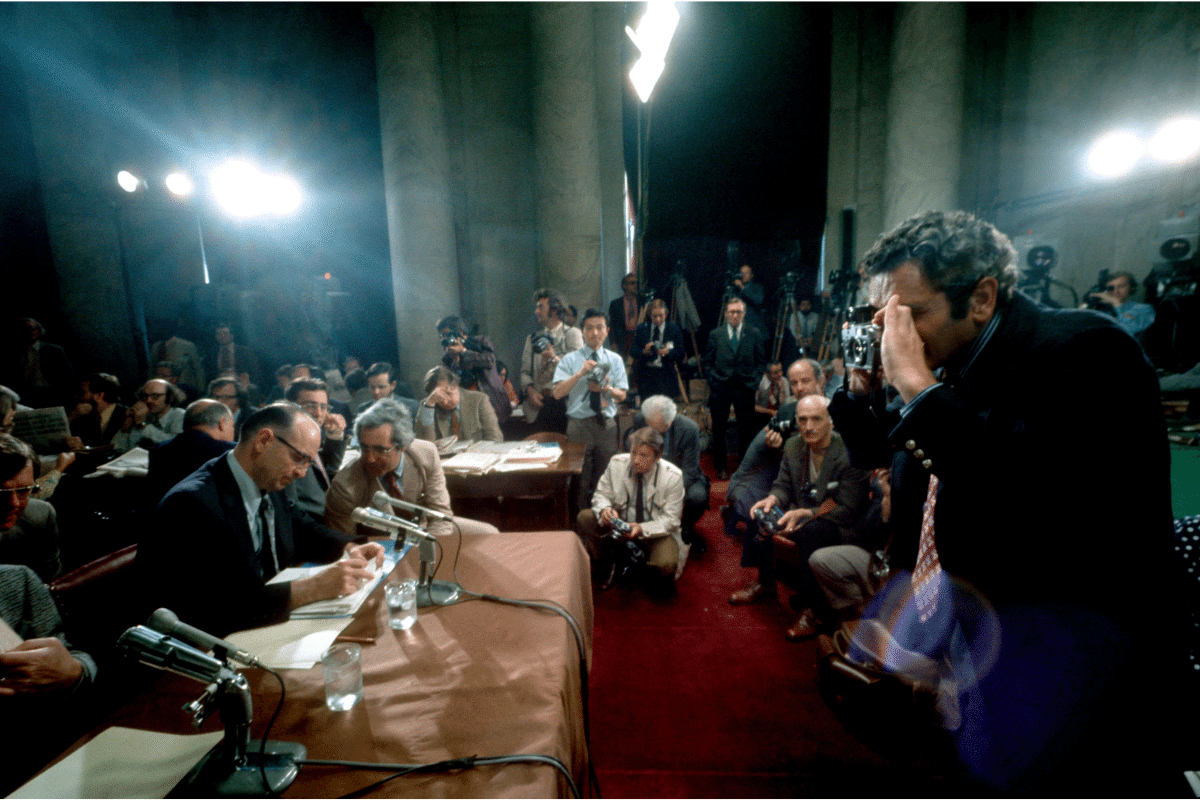
As an avid reader of pop fiction, I’m more partial to the Nixon administration than any other White House. The Reagan years may have produced more crooks, and the Trump years may have produced more chaos, but there is one measure by which the criminal and criminal-adjacent members
Under the Frog was based on his Magyar parents, both of them basketball players who, in the wake of the doomed 1956 uprising against the Soviets, fled Hungary for Britain.
Artists and scientists have a reductionist’s idea of one another and perceive the other as a threat.

WEIRD individuals are psychologically peculiar in a number of ways.
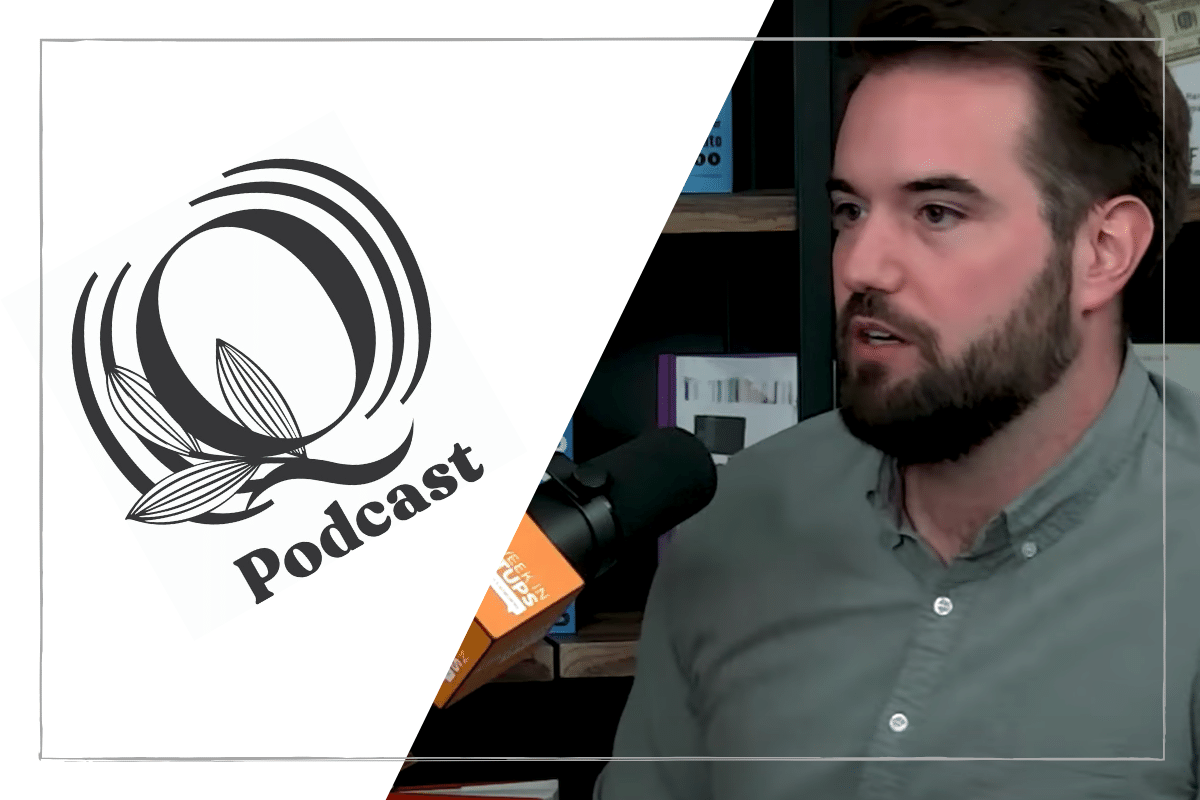
Listen onSpotify Tech entrepreneur Chris Best talks about Substack, his self-publishing platform that is attracting journalists like Andrew Sullivan, Jesse Singal and Jen Gerson.

Science Fictions is engaging, story-led, and well-organised. It will equip my sad young friend to articulate what went wrong with his charity’s study on literacy and, as importantly, to do the next one well.