
Brute Physical Facts and Social Construction
The progressive and the traditionalist are equally detached from the underlying reality as currently described by science.
Vinod Goel
· 12 min read
A collection of 98 posts
The progressive and the traditionalist are equally detached from the underlying reality as currently described by science.

Gender critical feminists are among those who have been excluded from Twitter for years. The time is right for a correction.

The human brain evolved to be religious, but religion also evolved to appeal to the human brain.
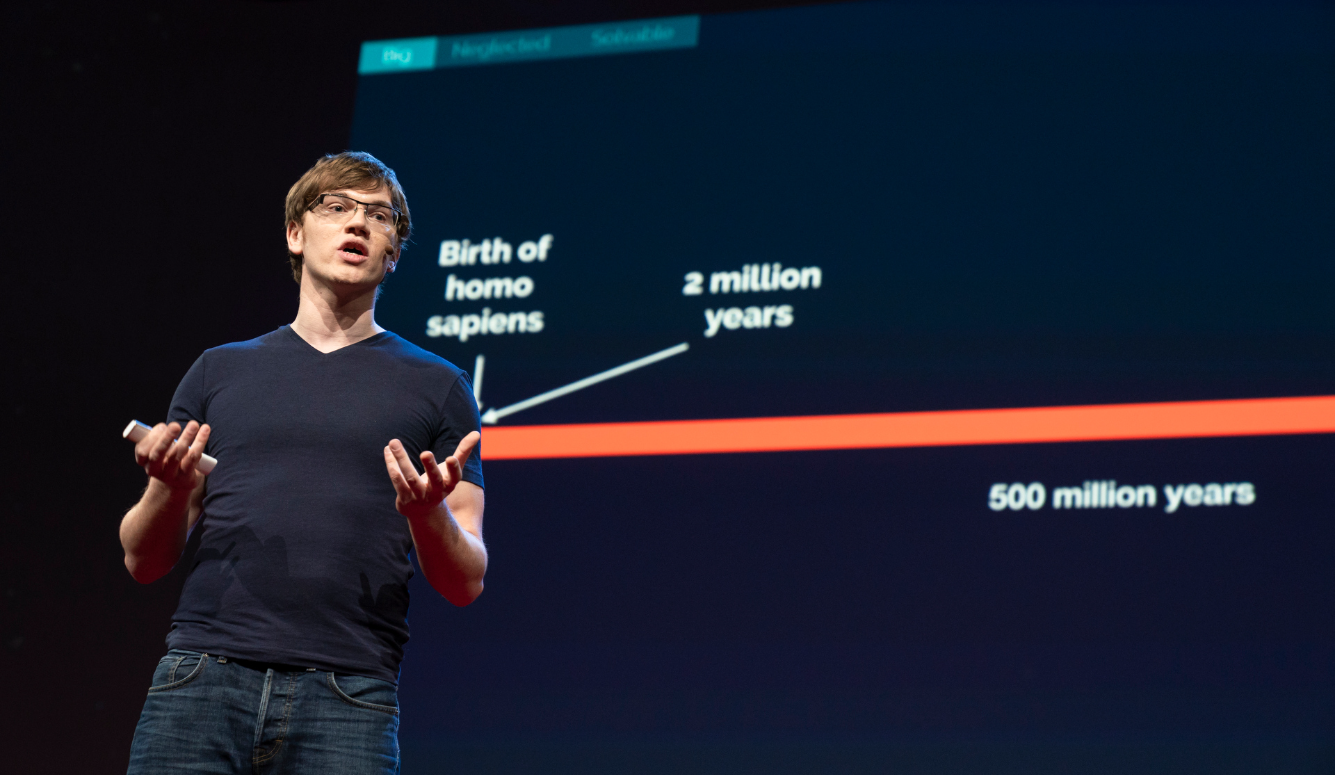
The further we look into the future, the less certain we can be about our predictions and plans.
It is not a destination. It’s our ongoing life’s work as responsible adults.
Survival of the fittest versus compassion and cooperation in evolutionary theory and politics.

To be human is to be artificial.

Coping is not enough. We must strive to live.

In teaching students that all knowledge is constructed through their own interactions, we fail to give them satisfying answers about the world and its meaning.
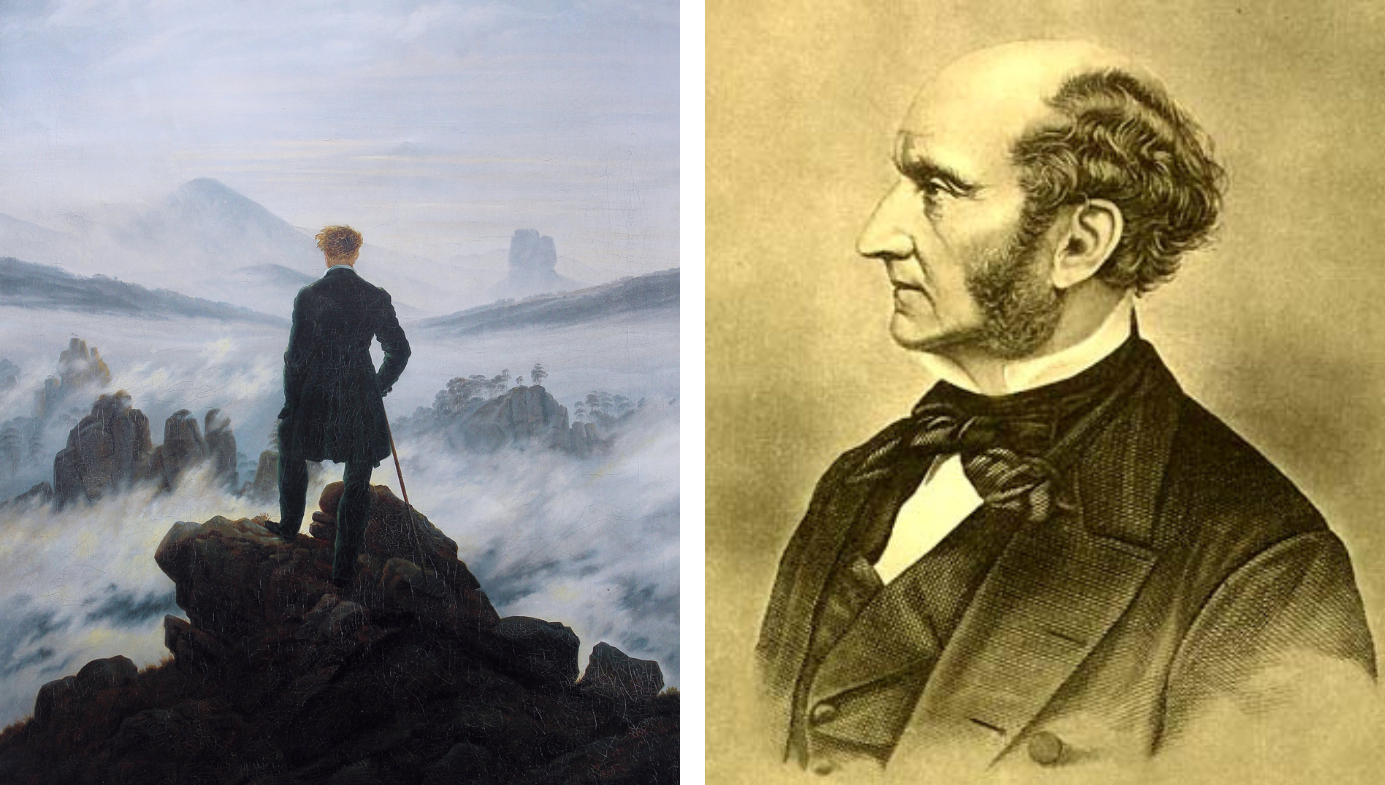
Two strands of Mill's philosophy were profoundly in conflict.
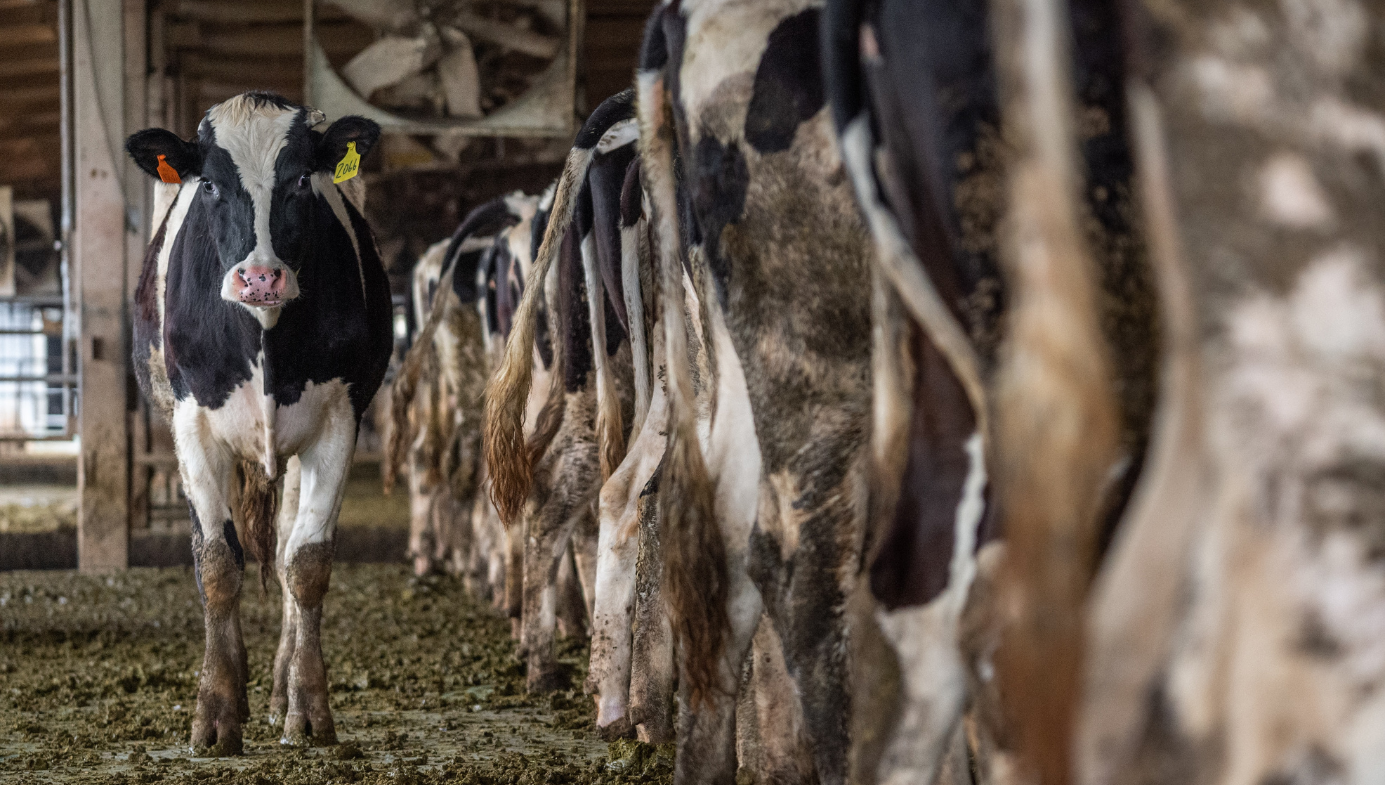
Editor's note: Quillette asked three scholars to reflect on the debate about animal rights. If you would like to contribute to this discussion, please send a response of ~800 words to [email protected]. I. Animals have rights Bo Winegard is an essayist and holds a PhD in
At the center of neoreactionary thinking is a cluster of unworkable ideas.
As long as there have been philosophers, there has been thinking about morality.

Is moral expertise really a thing—normatively, theoretically, or metaphysically? All three major Western schools of moral philosophy seem to think so, including virtue ethics, deontology, and consequentialism.

Societal crises of self-confidence can result from distorted and oversimplified narratives.