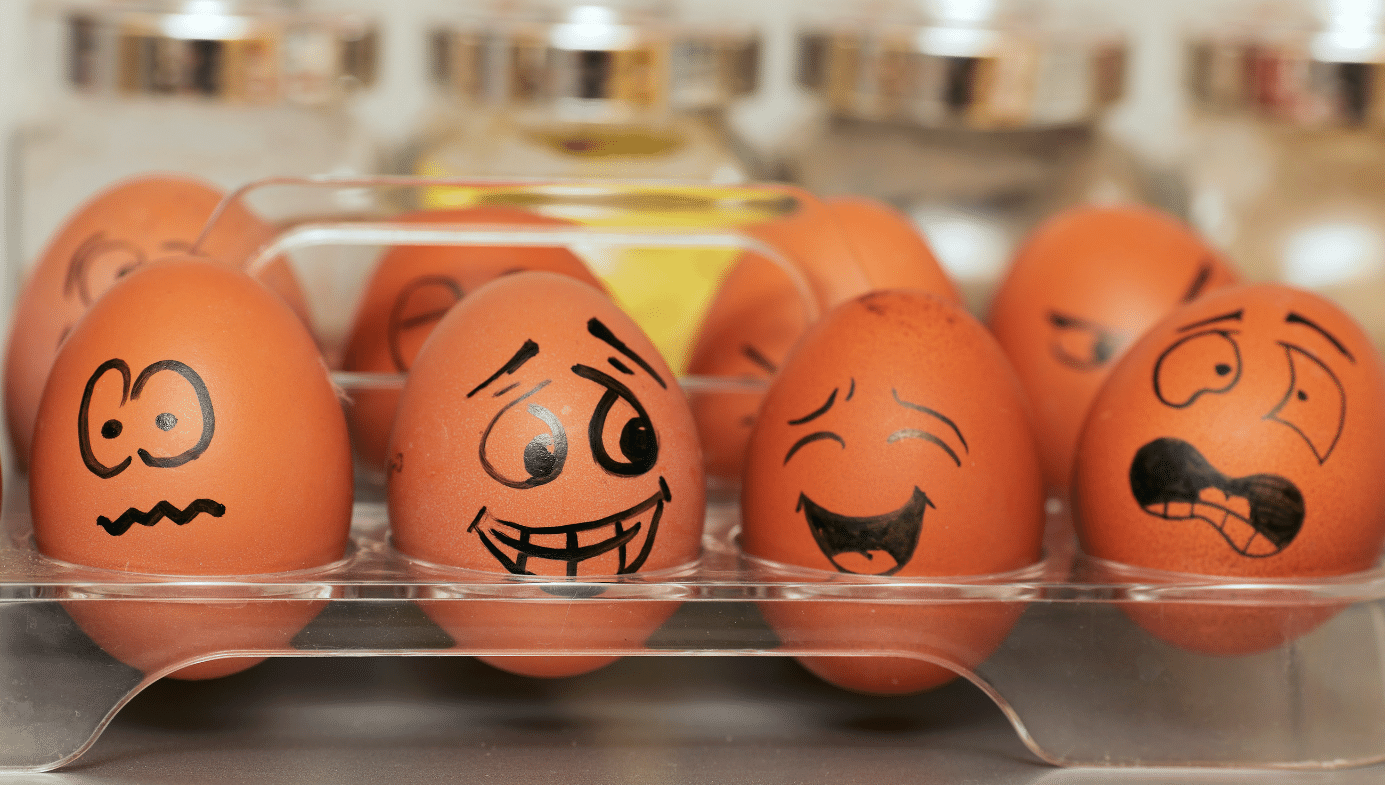

The first duty in life is to be as artificial as possible.
What the second duty is no one has as yet discovered.
~Oscar Wilde
That we should not lie is generally sound advice, though few of us are able to navigate life without uttering or affirming the occasional falsehood. However, some—generally those of a romantic temperament—also strive to apply this counsel to the self. They argue that authenticity is one of humankind’s chief virtues and that betraying it is immoral and tragic—immoral, because it requires a person to lie about their underlying being; tragic, because it smothers the unique self beneath a dull blanket of conformity.
I do not share this enthusiasm for authenticity because it is based on a fundamental misunderstanding of human nature. At best, authenticity can be undesirable; at worst, it is philosophically incoherent. The word “authenticity” is sometimes useful in ordinary discourse—we may say that a person is authentically a lover of the arts or authentically cheerful or authentically kindhearted, and it’s obvious what these claims mean. Nor will I deny that lying about one’s own traits and tendencies is often a bad idea and sometimes genuinely immoral. Nevertheless, authenticity, as understood by many of its modern champions, is not a noble or even attainable ideal.
The first problem with authenticity is that the very nature of the human self is artificial, and shaped by its surrounding culture. The romantic idea, familiar to most teenagers, is that the true self precedes society, that it develops according to its own logic like a self-contained embryo, and that it is dependent on others only for life-sustaining nutrients. To the extent that cultural influences are important, they are often seen as sources of alienation, coercion, and manipulation. The true self is precisely that which is not a product of society, that which resists instruction and conformity, and that which makes an individual unique. As a result, the romantic is obsessed with novelty in art as in life, praising the new often simply because it is new.
But this romantic conception of the self is wrong. We are not flowers or butterflies whose growth is largely an unfolding of prespecified potential. We are profoundly social animals with brains designed to absorb and assimilate our surrounding culture, beginning most dramatically with language. A person without culture is an abstraction like form without content, and the few known cases of “feral children”—that is, children who grew up with little human contact—are tragic testimonies to the indispensability of social learning.
Keep reading
How France Lost Control of Its Streets

How to Suppress Men’s Writing
Back to the Dark Ages
Prison or Peer Review
France’s Imaginary Austerity