I, Victim
Pascal Bruckner’s book about victimhood culture invites us to choose liberation, and to move from resentment to a secular kind of grace.
Marilyn Simon
· 9 min read
A collection of 236 posts
Pascal Bruckner’s book about victimhood culture invites us to choose liberation, and to move from resentment to a secular kind of grace.
By dismissing the importance of biological sex, Robin Dembroff earned predictable acclaim from fellow scholars. But as a work of philosophy, ‘Real Men on Top’ is unconvincing and deeply flawed.
Iona Italia talks to lawyer and historian Adam Wakeling about the enduring importance of Enlightenment values and how to defend them today.
Worries about AI doom rarely take Darwinian evolution seriously. A new paper argues we should—but we are still further from that scenario than its authors suggest.

How religious conservatives cancelled philosopher Bertrand Russell in 1940, sparking academic freedom debates that echo today.

Neuroscience’s challenge to free will misses the point: consciousness and choice emerge from complex systems, not individual neurons.

Tech companies stand to benefit from widespread public misperceptions that AI is sentient despite a dearth of scientific evidence.
The world is not waiting for our utopian visions to make sense of it and order it. Liberal democracy works when it assumes as much.

The philosopher John Searle’s concept of Intentionality and his Chinese Room experiment reveal the differences between AI computation and human thought.

We need to cultivate an appreciation for the abundance that modernity has bestowed instead of taking it for granted.

The disillusion produced by GPT-5 is not a technical hiccup, it’s a philosophical wake-up call.

Ralph Waldo Emerson’s doctrine of self-reliance has been corrupted by social media, wellness culture, conspiracy theorists, and the “sovereign citizen” movement.

Once seen as a model of progressive drug policy, San Francisco now stands as a morbid example of how that approach has gone astray.

Liberal pluralism remains the best way to secure as much freedom as possible for a nation with 340 million diverse inhabitants, and this point should become clearer as clashing illiberal forces compete to impose their own versions of law and morality on everyone else.
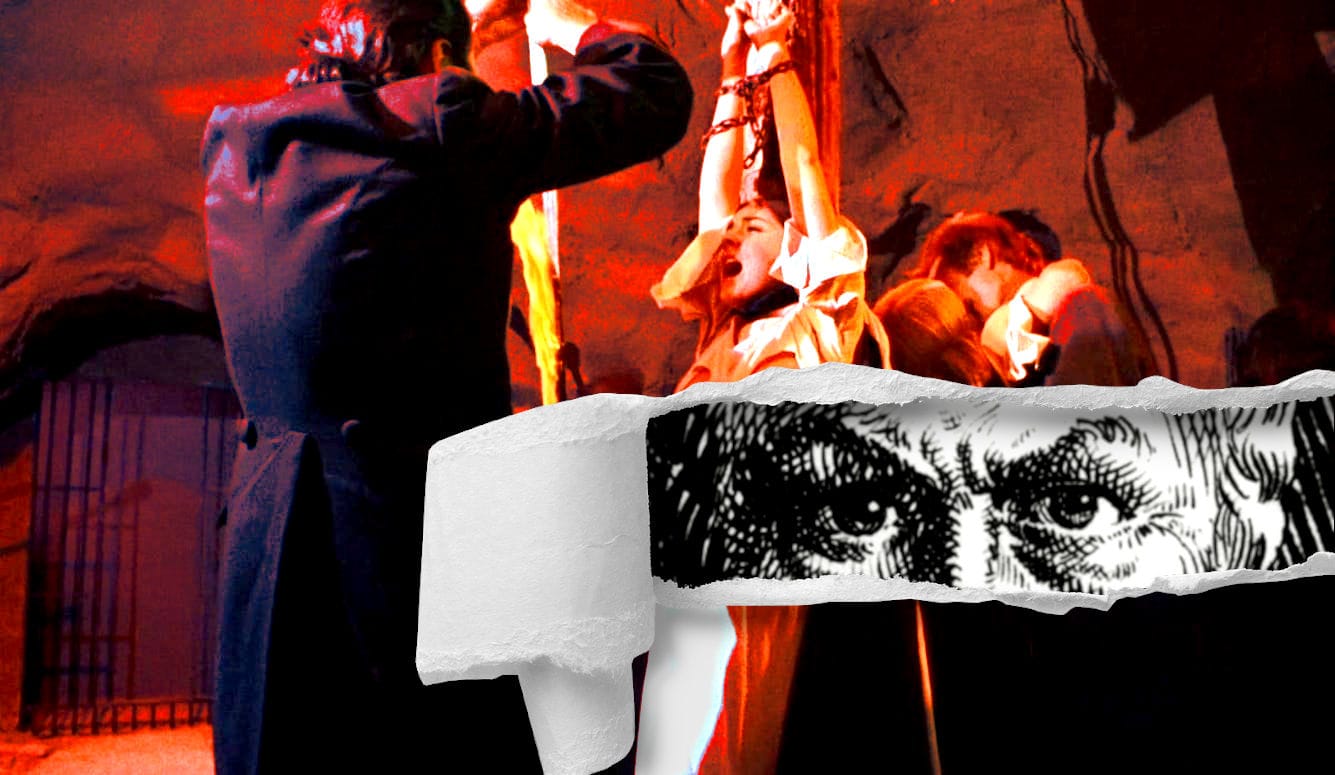
Seduction and submission in the work of the Marquis de Sade.