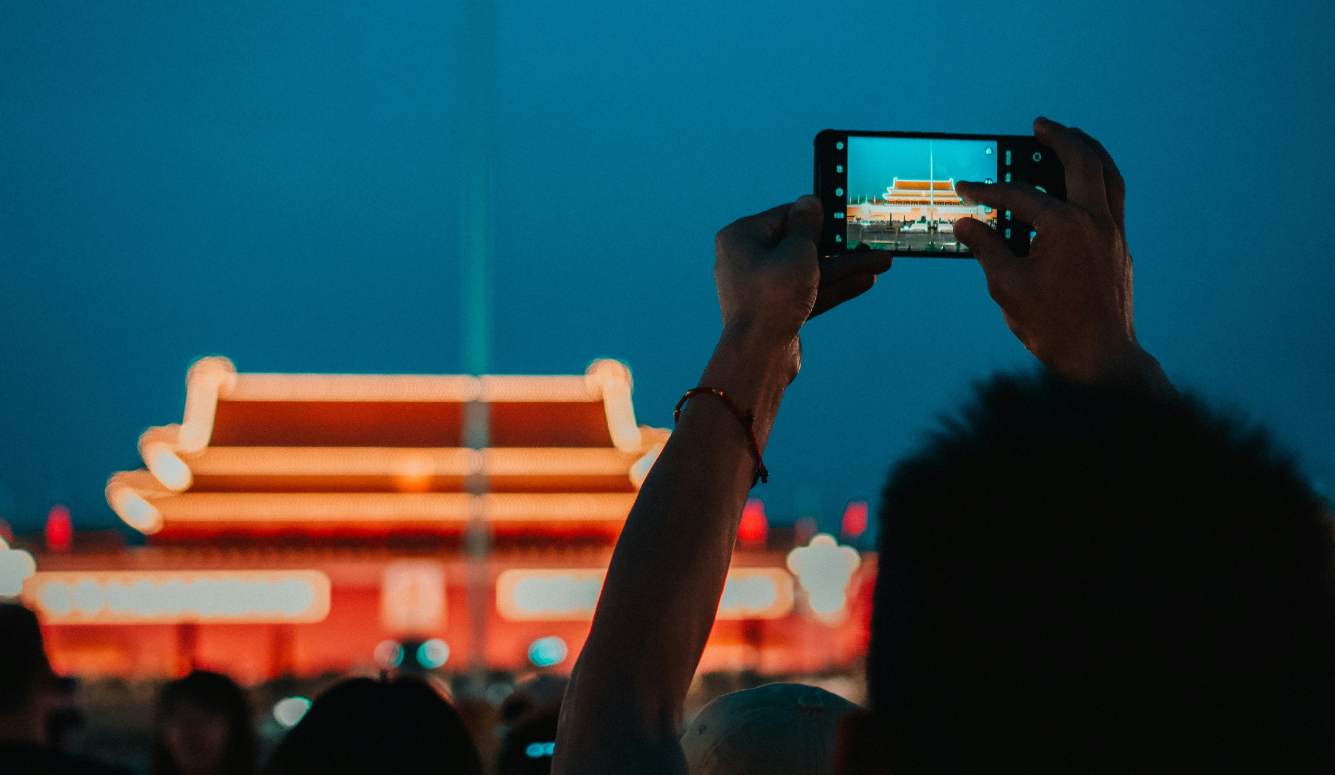
The Trouble with Chinamaxxers
Gen Z calls it Chinamaxxing. But the West's new infatuation with China is less a triumph of Communist Party soft power than a symptom of our own decline.
Aaron Sarin
· 9 min read
Gen Z calls it Chinamaxxing. But the West's new infatuation with China is less a triumph of Communist Party soft power than a symptom of our own decline.
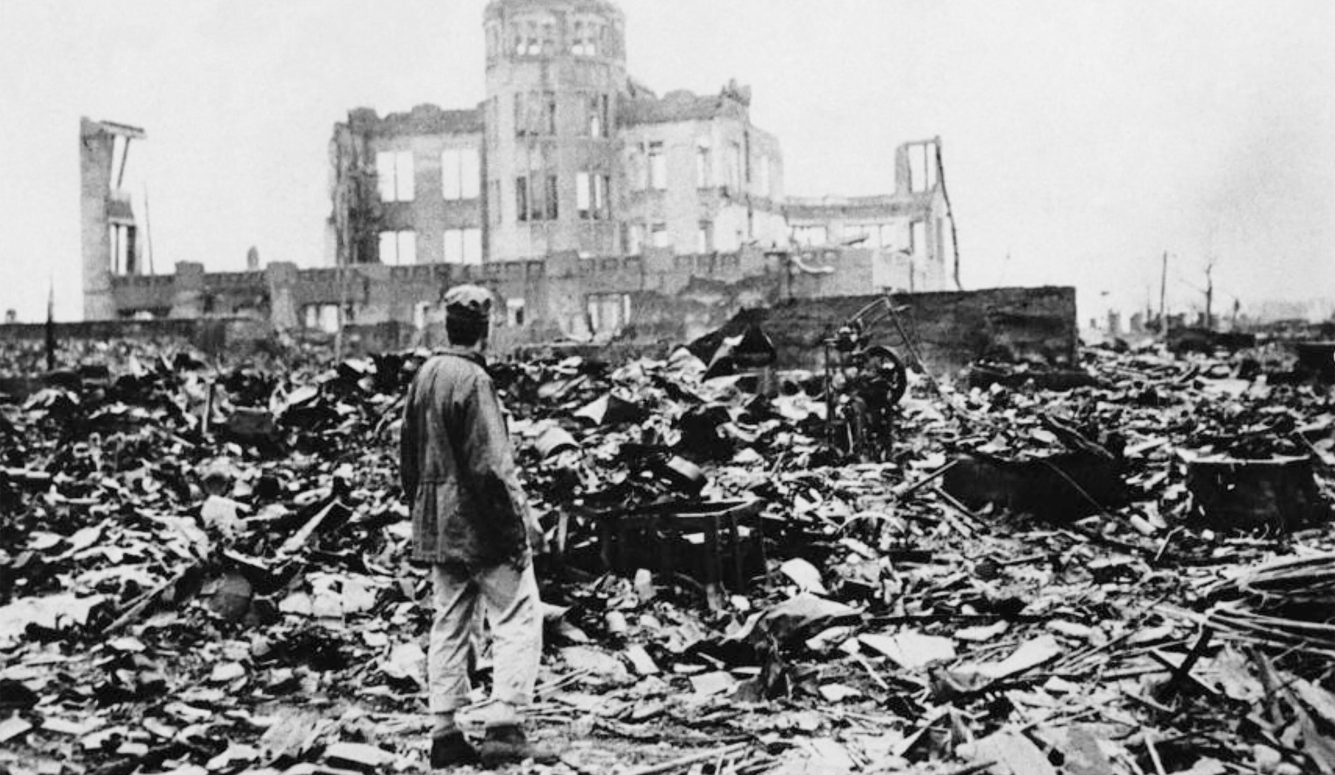
Kiyoshi Tanimoto’s extraordinary testimony about the Hiroshima attack and its aftermath has been published by his daughter some forty years after his death.

A new exhibition at the Canadian Museum for Human Rights in Winnipeg peddles PLO myths about Israel’s war for independence in 1948.
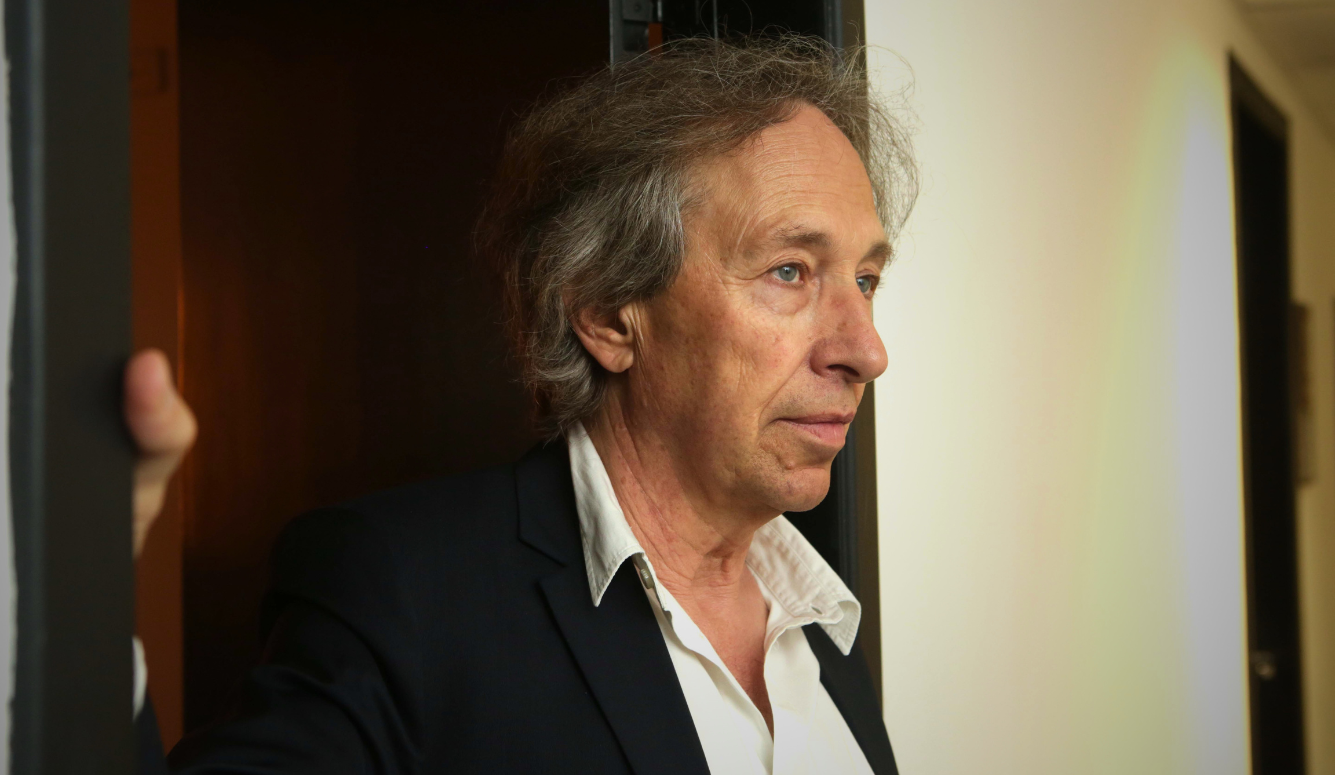
Pascal Bruckner’s book about victimhood culture invites us to choose liberation, and to move from resentment to a secular kind of grace.
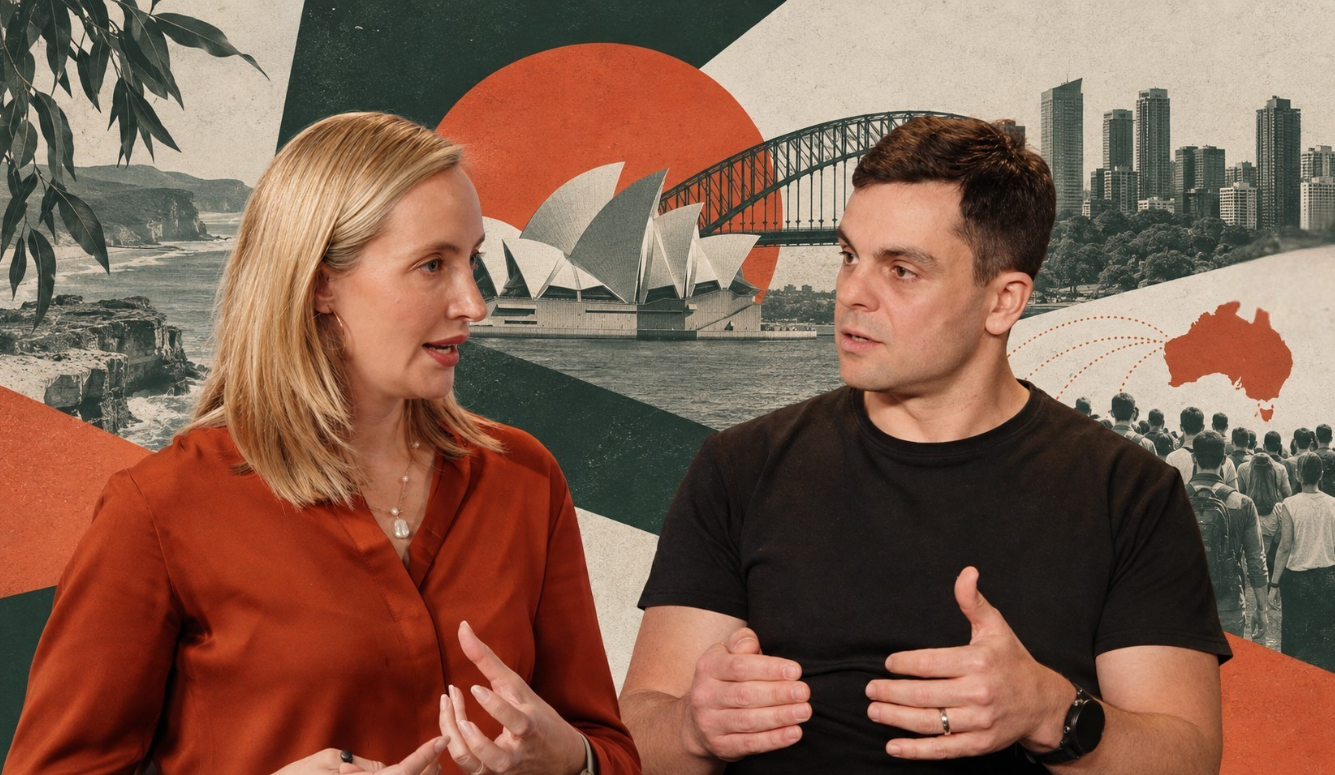
Investor Misha Saul joins Claire Lehmann to discuss Australia’s declining productivity, immigration policy, and the political choices shaping the country’s future.

Bernie Sanders wants to outlaw artificial superintelligence. The risks he points to are real—but the answer to a powerful new technology is regulation, not prohibition, and China has no intention of pausing.

The digital revolution is not remaking the world as the industrial one did.

Political analyst Zineb Riboua discusses Iran’s declining influence, the Houthis, Turkey’s ambitions, Israel’s changing role in the Middle East, Islamist radicalisation in Europe, AI doomerism, third-worldism and the West’s demographic decline.
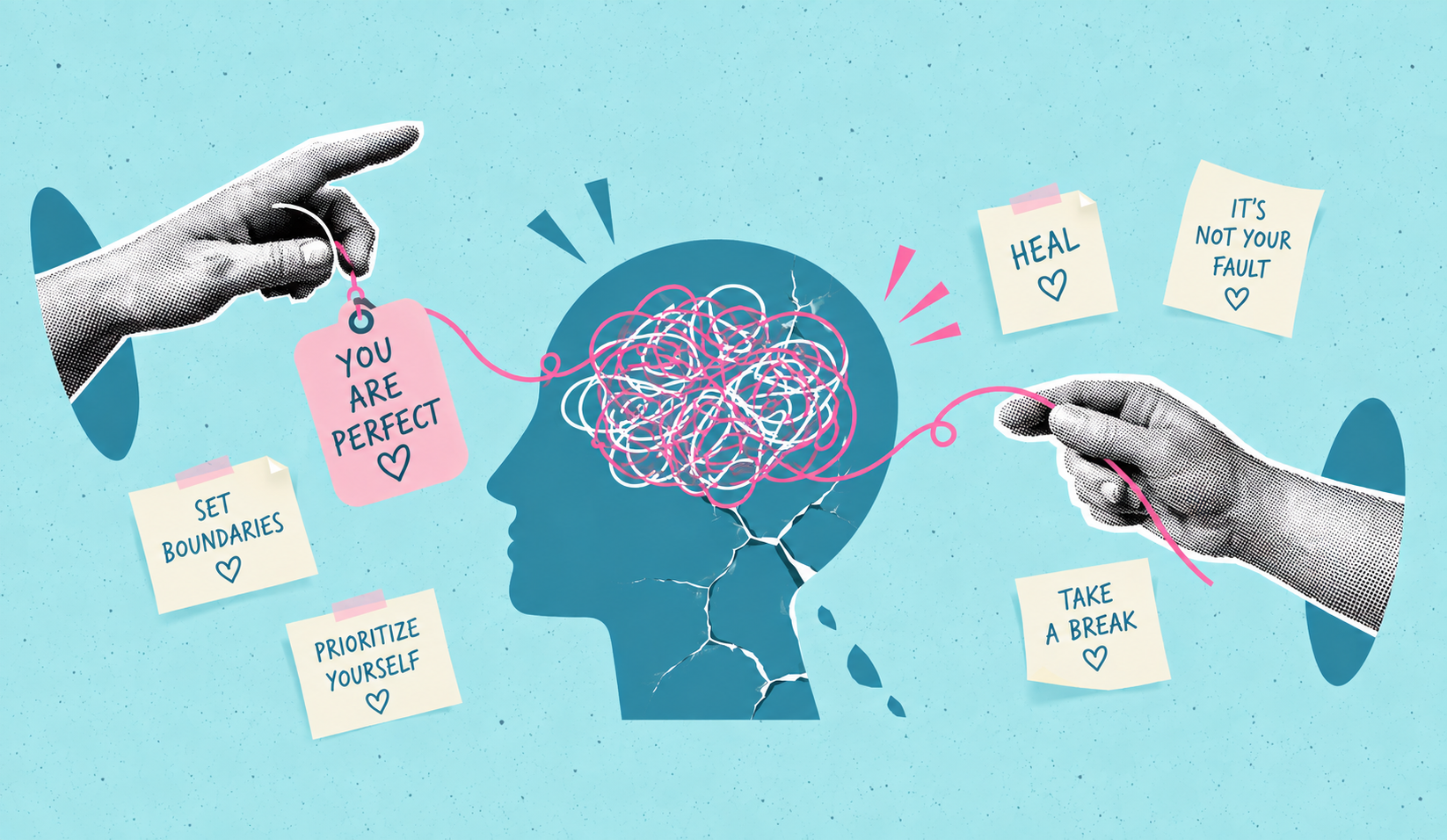
The mainstreaming of therapy culture may be driving us all out of our minds.
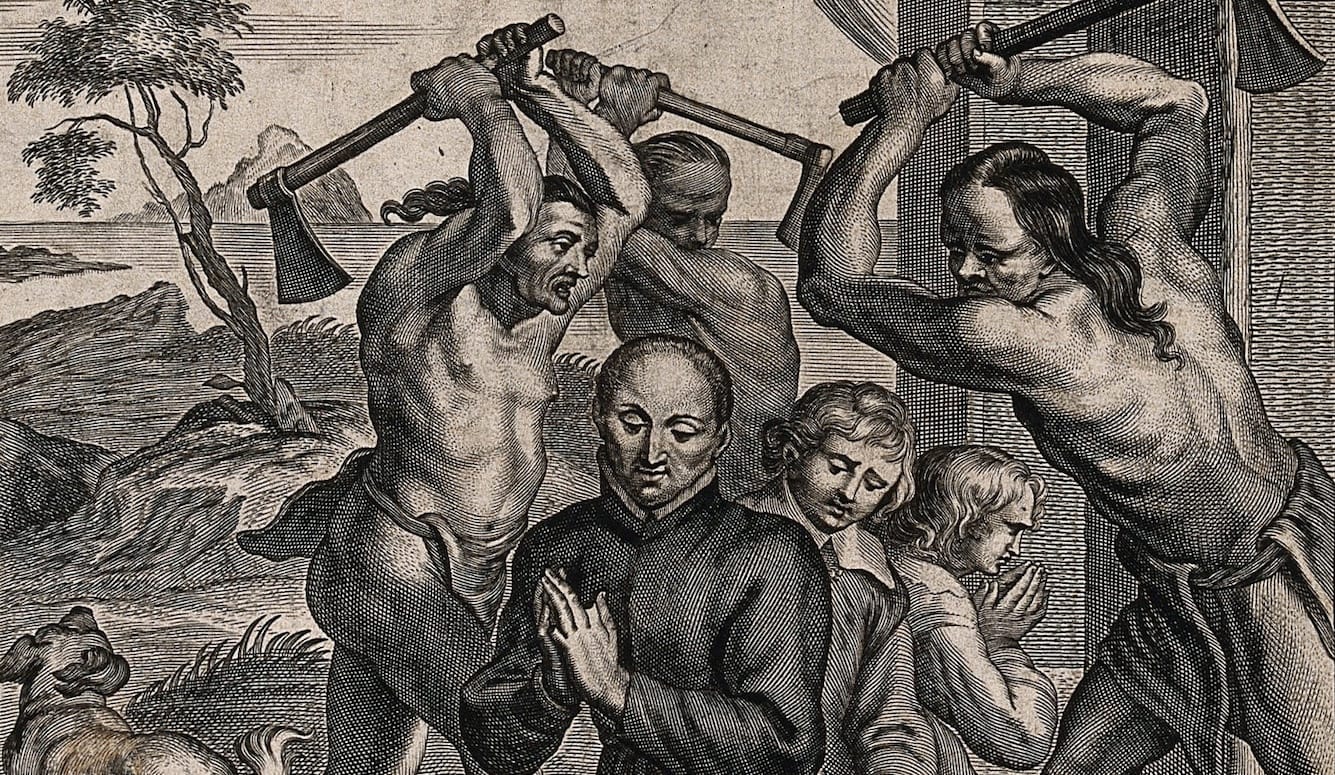
In the 31st instalment of ‘Nations of Canada,’ Greg Koabel describes the violent provocations that tipped the St. Lawrence region into all out war in the late 1640s.
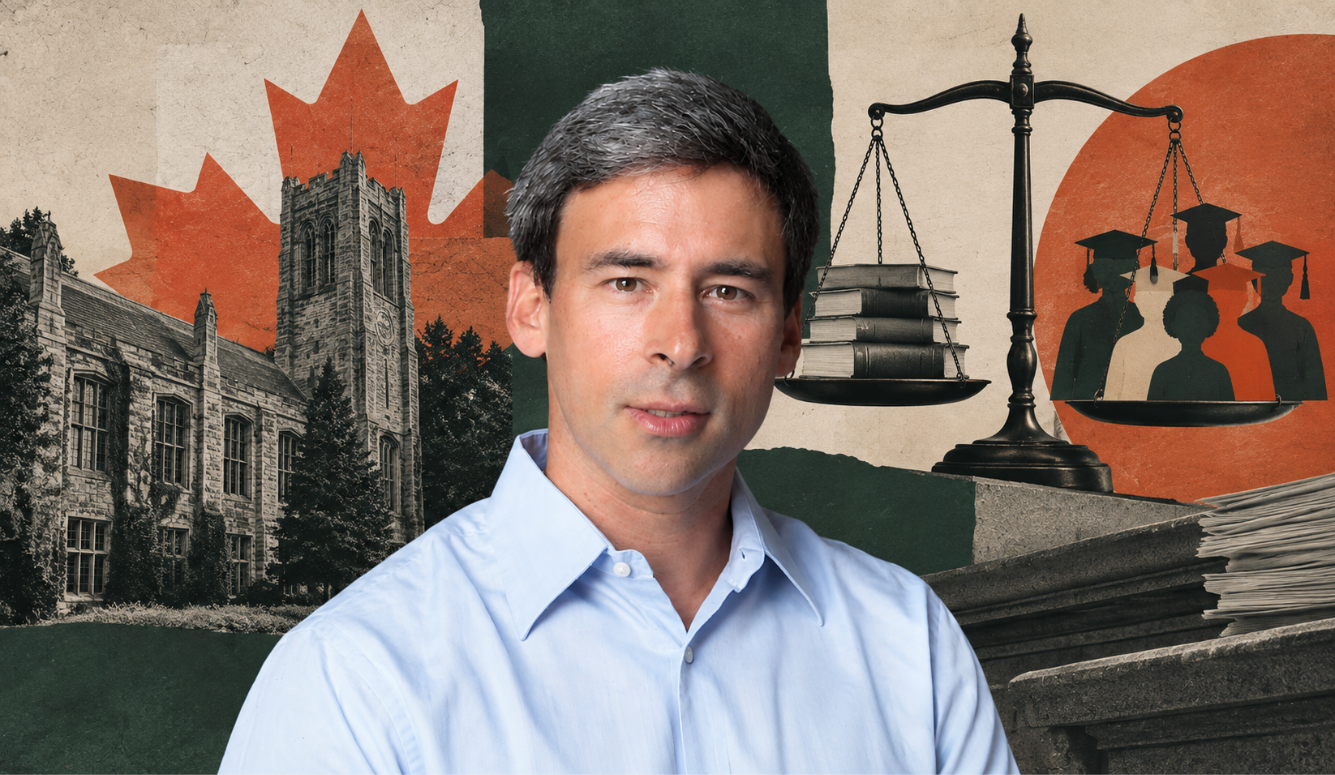
Podcast host Jonathan Kay speaks with Eric Kaufmann about his new report, ‘The Equity-Excellence Trade-Off: A Study of EDI in the Canada Research Chairs Program’

Why is masturbation so shameful?

A medievalist on apocalyptic movements, shame–honour cultures, and why he believes the Western press has spent twenty-five years reporting jihad backwards.
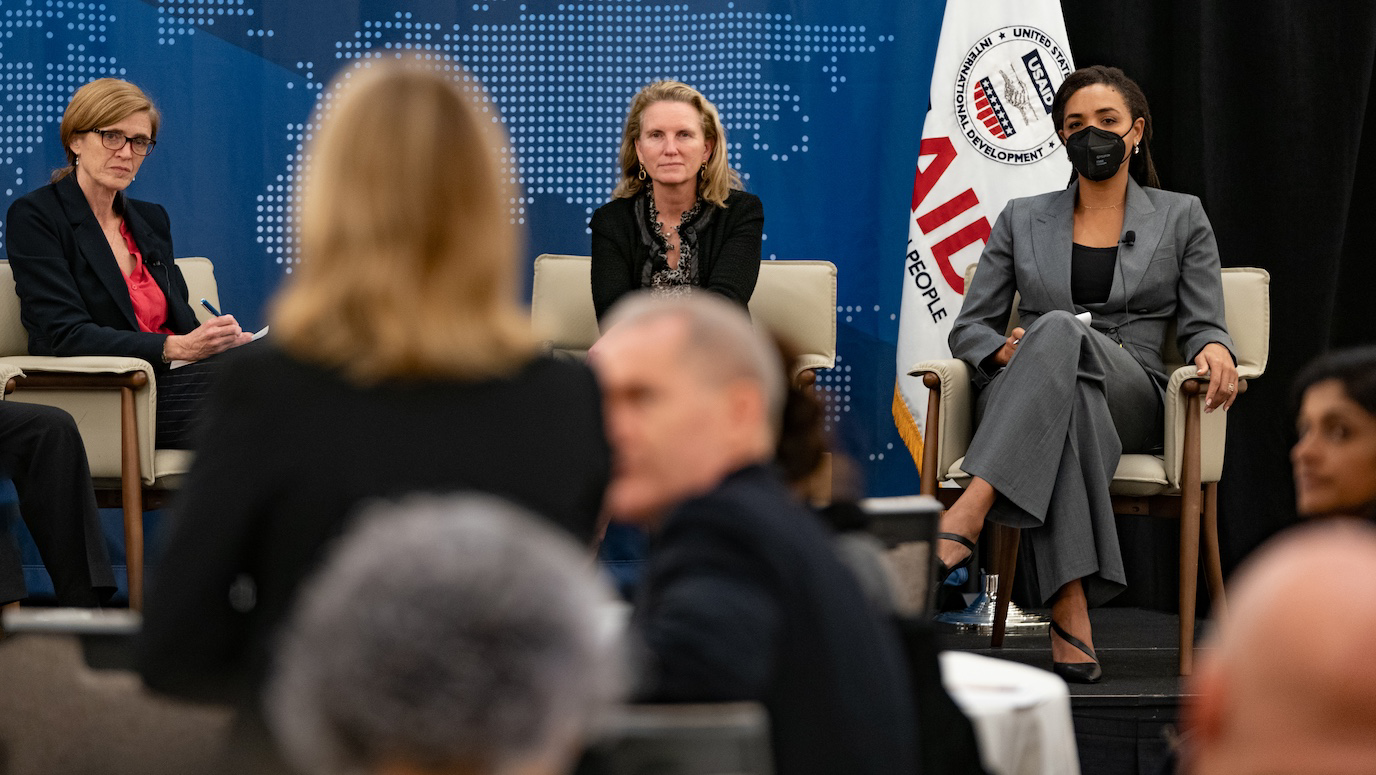
During my three-decade career as a diplomat and international-development manager, I saw the sector become more wasteful, frivolous, and ideologically self-serving.