The Roots of Recession
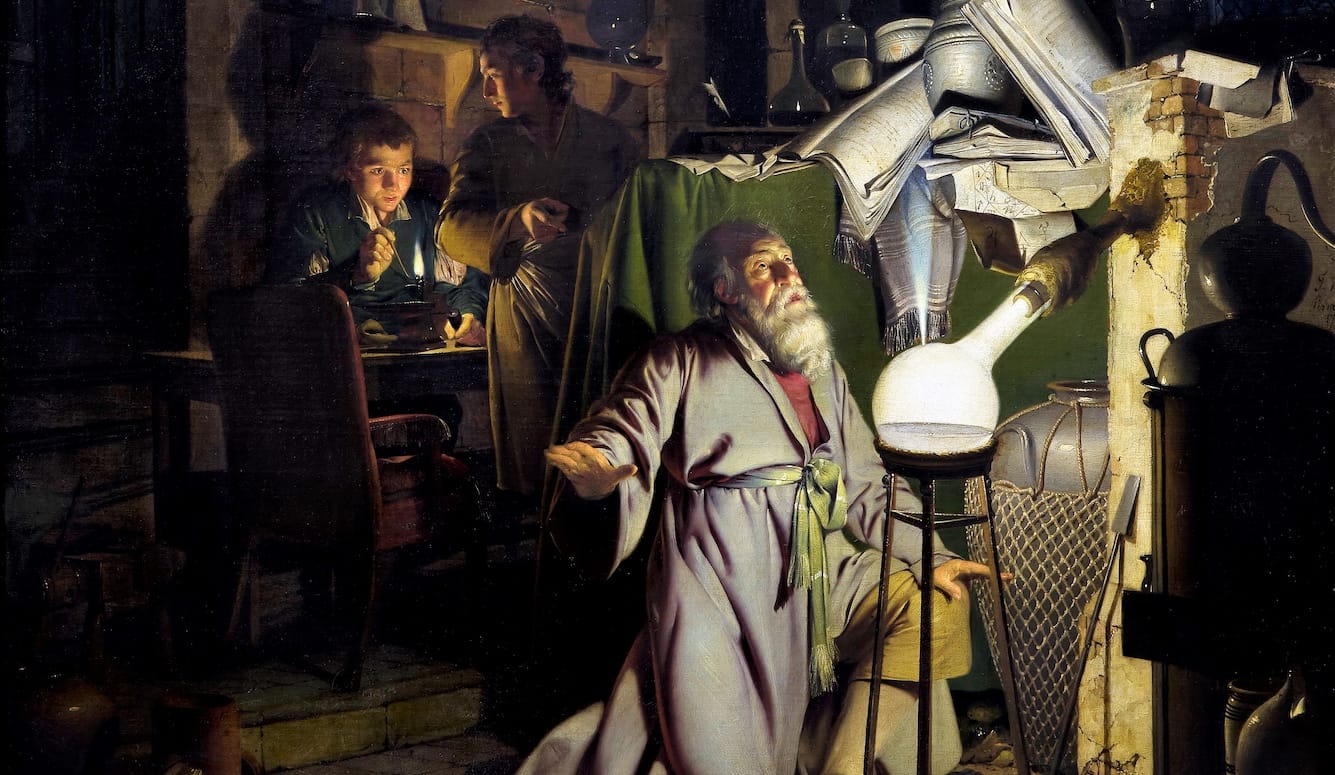
As an energy shock looms, a new book reframes recession as the product of historical circumstance, not cyclical inevitability.


As an energy shock looms, a new book reframes recession as the product of historical circumstance, not cyclical inevitability.
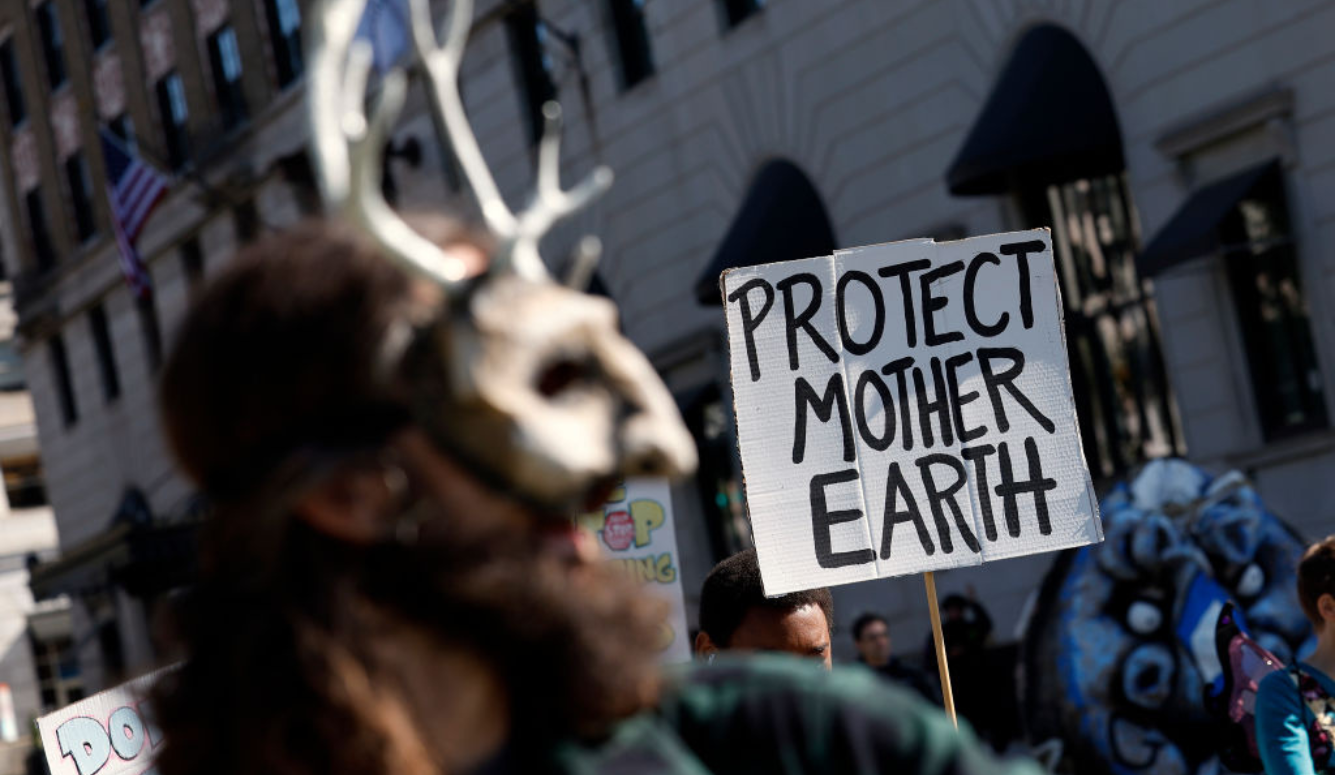
Earth Day once helped focus public attention on real environmental problems. Today it is a festival of alarmism, misanthropy, technophobia, and moral theatrics.
Of the six chemical elements necessary for life, phosphorus is the rarest. It determines what grows and shrinks, who lives and dies. By disrupting the planet’s phosphate cycle, unchecked factory farming could have apocalyptic consequences.
Assuring the long-term future of Earth’s wildlife requires more economic and technological development, not less.
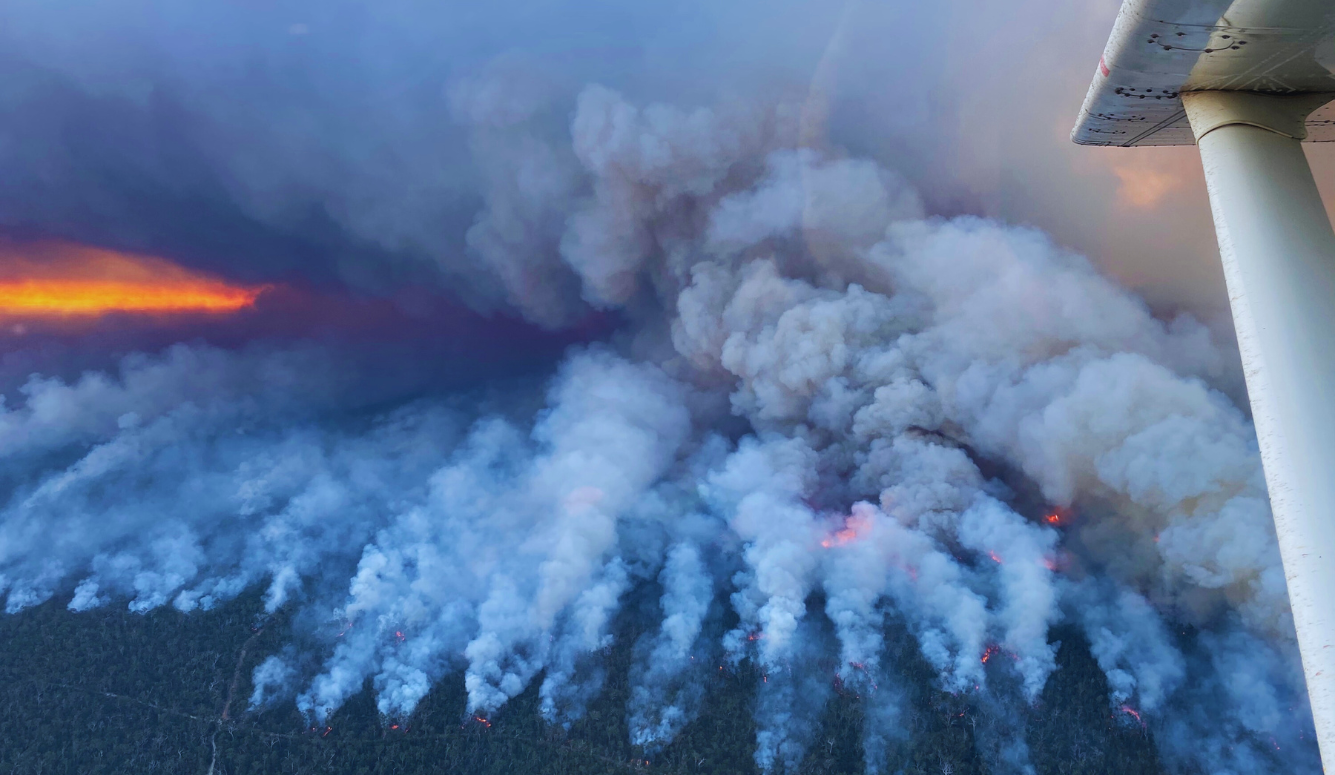
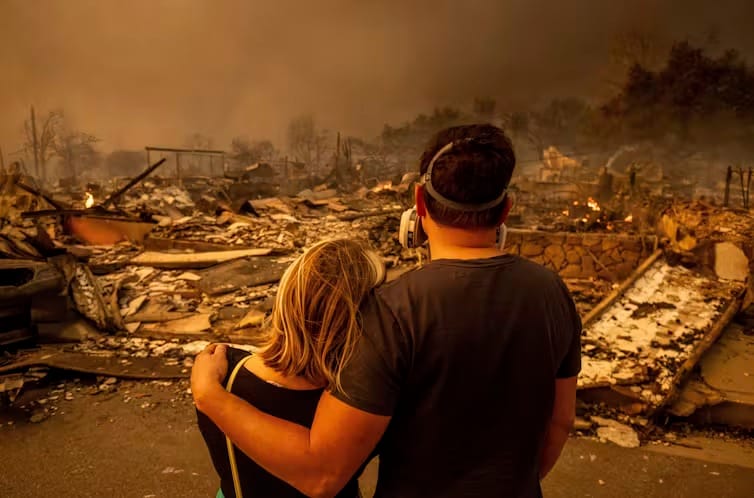
We know how to prevent catastrophic bushfires. For more than half a century, Western Australia has been reducing forest fuel loads through a systematic program of ‘prescribed burns.’
Climate change makes fires more dangerous. Government competence matters. And preventing catastrophic fires requires expensive, unpopular measures.
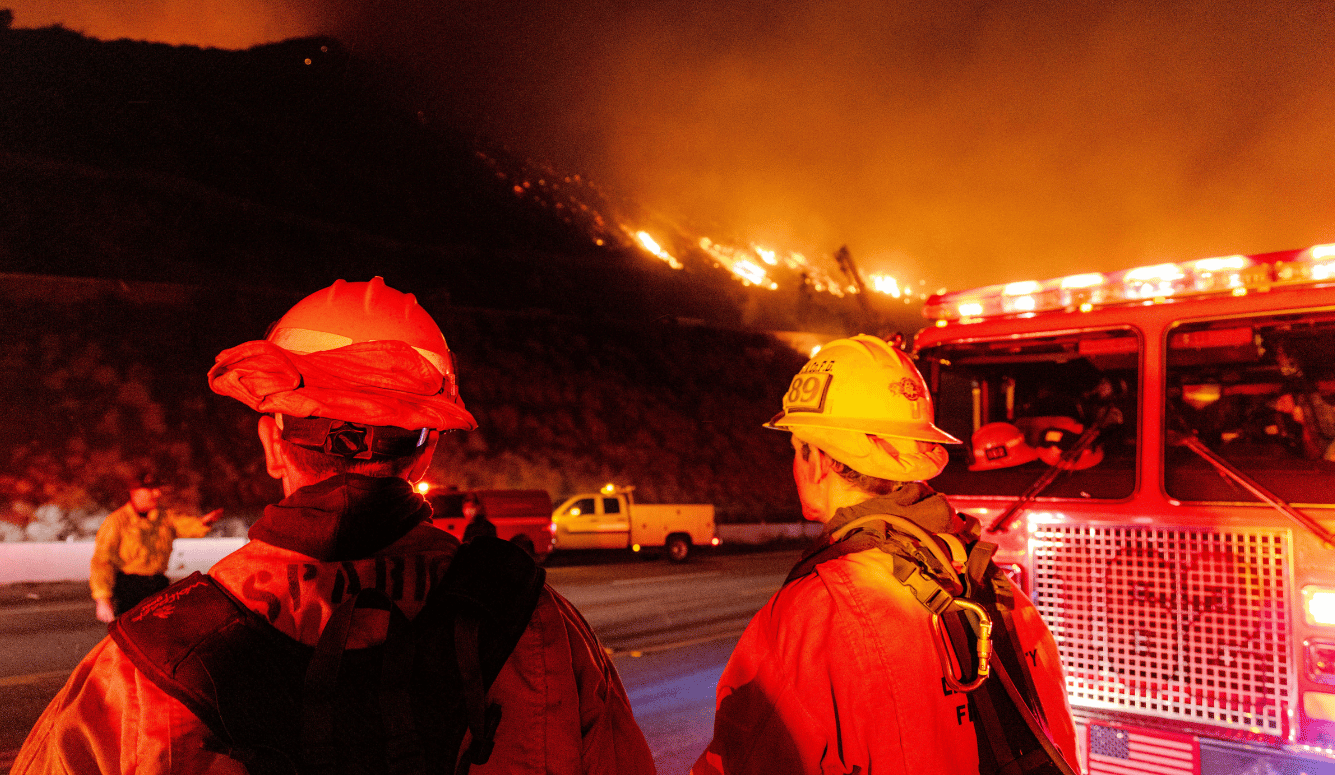
It’s very hard to extinguish a fire under these conditions.
The recycling industry—and the world at large—has yet to fully reckon with a bombshell study that dropped last year.
Civilisation has always been dependent on energy.
It remains the only proven technology capable of serving the energy needs of de-carbonized modern society.
We must find ways to combat climate change without incurring devastating inflation, greater class division, the immiseration of the middle class, and the destitution of the poor.
California continues to implement policies on energy, housing, and transportation that are anti-poor and anti-working class.