The Metaverse: Science Fiction or Reality?
We tend to overestimate a technology’s abilities in the near term, and massively underestimate what it can do in the long term.


Randall Mayes is a technology analyst, author, futurist, and instructor of emerging technologies in Duke University’s OLLI program.
We tend to overestimate a technology’s abilities in the near term, and massively underestimate what it can do in the long term.
In The Great Questions of Tomorrow, David Rothkopf, an international policy expert and former editor of Foreign Policy, noted that we are on the cusp of a sweeping revolution—one that will change every facet of our lives. Klaus Schwab, the executive director and founder of the World Economic Forum,
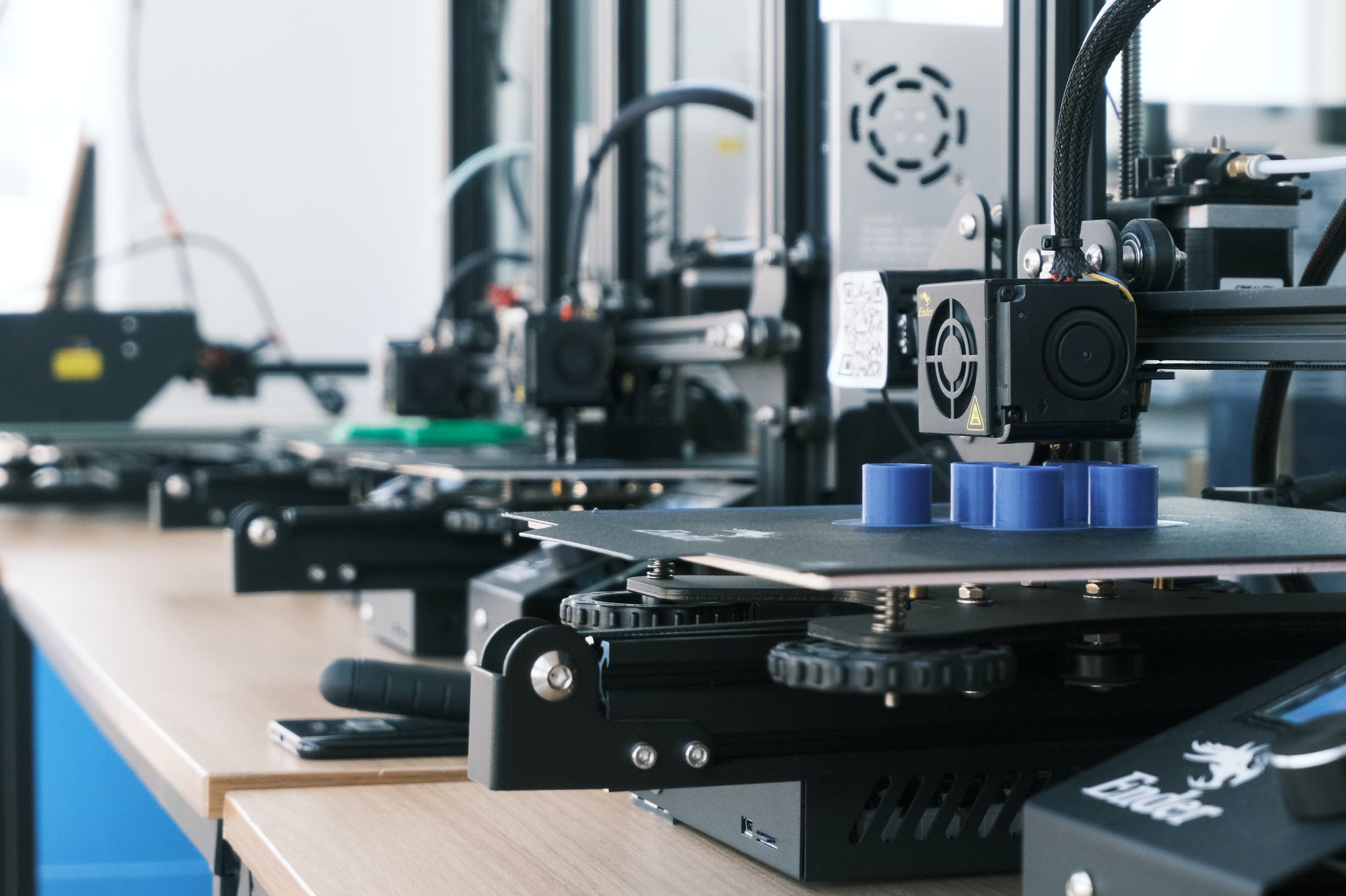
Most new technologies, when they are launched, arrive with a lot of hype. While 3D printing fits the business model for customized products, it is not yet cost effective in a commercial manufacturing sector which requires mass production.
Even though electric and self-driving cars have yet to saturate the market, dozens of companies are at various stages of launching flying cars in a variety of models.
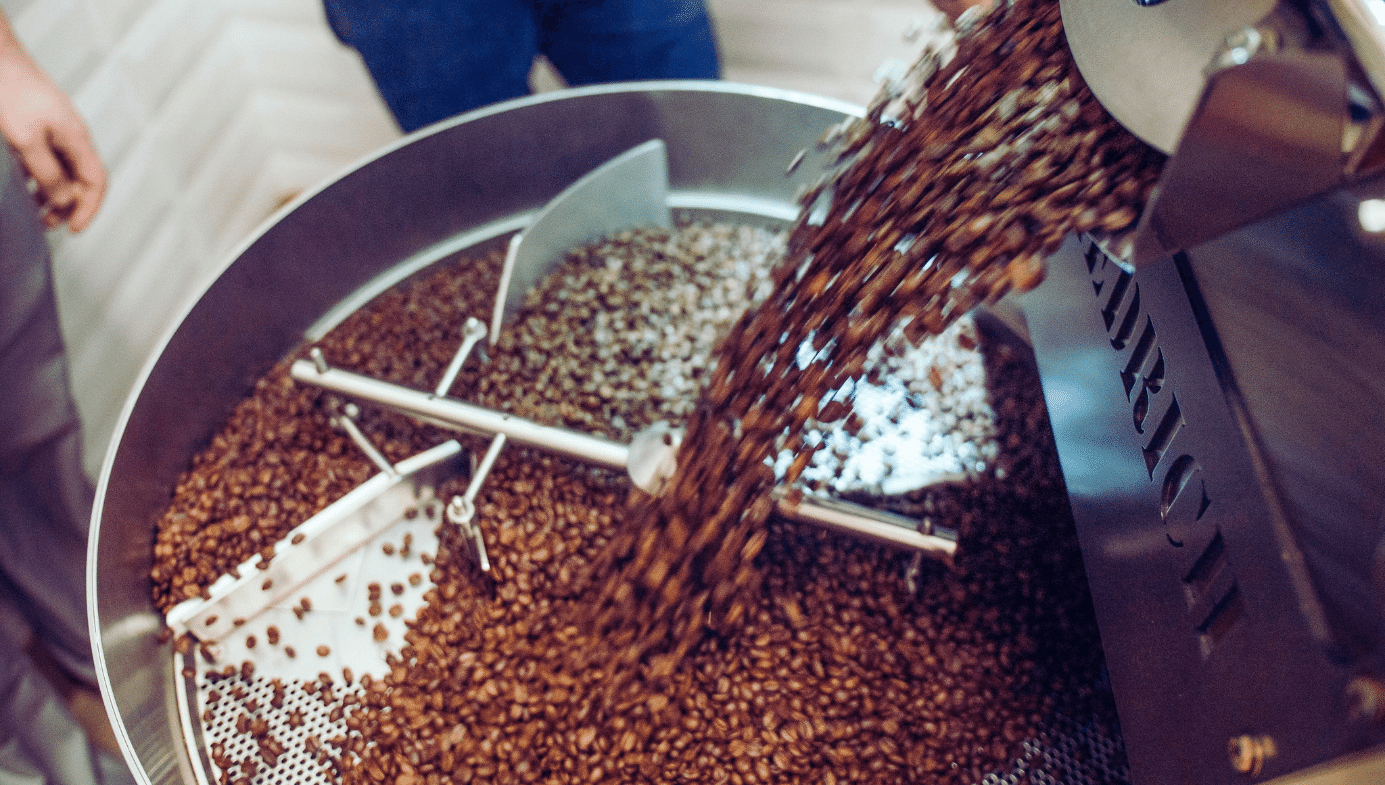
The major food staples are essential to human survival. Chocolate and coffee are not essential, but try to imagine a world without them. One of the numerous concerns with climate change is that many species will lose their habitats. Scientists are projecting that, in the coming decades, this could lead
AVs are essentially robots with the same requirements as human-driven vehicles—driving and parking skills, the ability to communicate with other cars and the infrastructure, navigation skills, and access to a source of energy.