
Libertarian Limitations
Andrew Koppelman’s analysis of libertarianism is rich in detail and full of thought-provoking ideas.
Marco den Ouden
· 16 min read
A collection of 106 posts
Andrew Koppelman’s analysis of libertarianism is rich in detail and full of thought-provoking ideas.

A recognition that genetic influences on social outcomes are important will potentially influence the kind of help that society offers poorer individuals. But it does not in any way compel an absence of help, or a casual indifference.
Foundations are having to fend off pressures to conform to the new philanthropic orthodoxies on race and identity issues.
Michael Lind's 'Hell to Pay' presents a dire cautionary message to the political establishment.
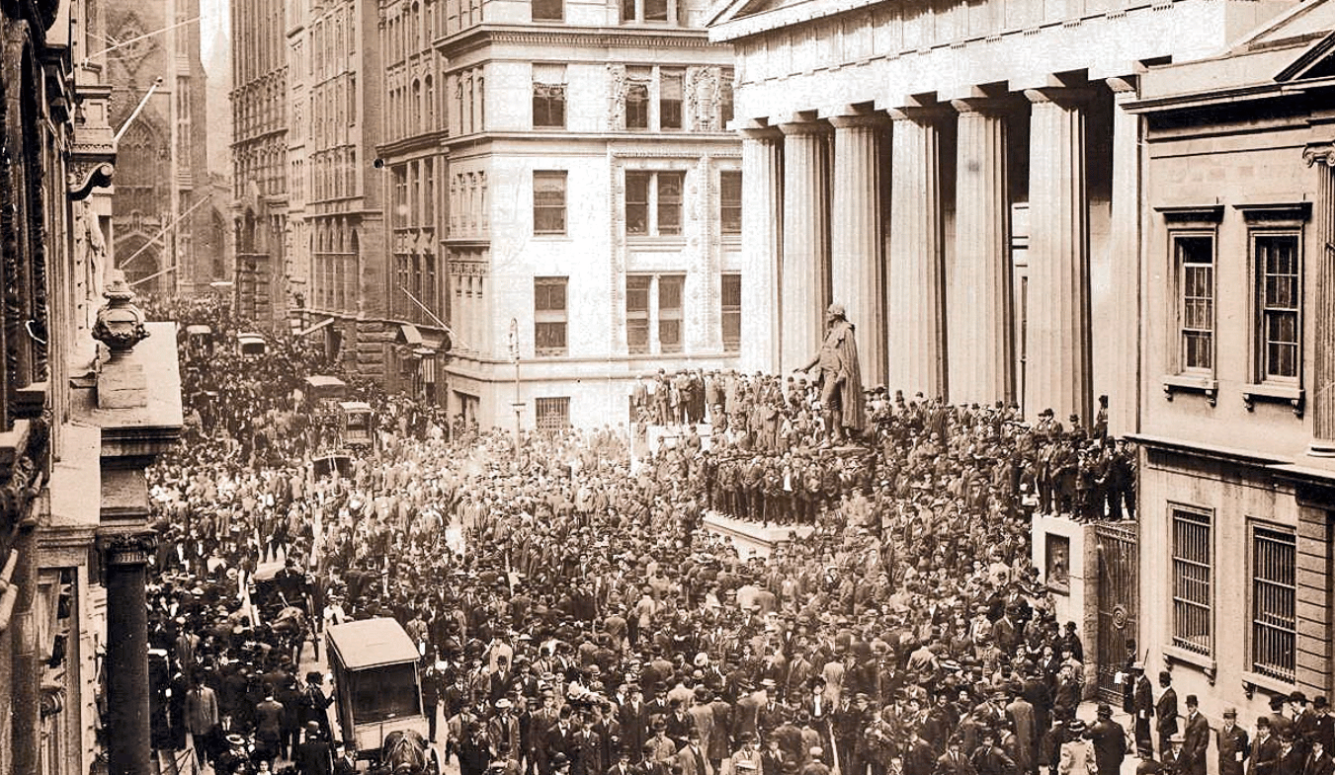
Lessons from past financial crises.
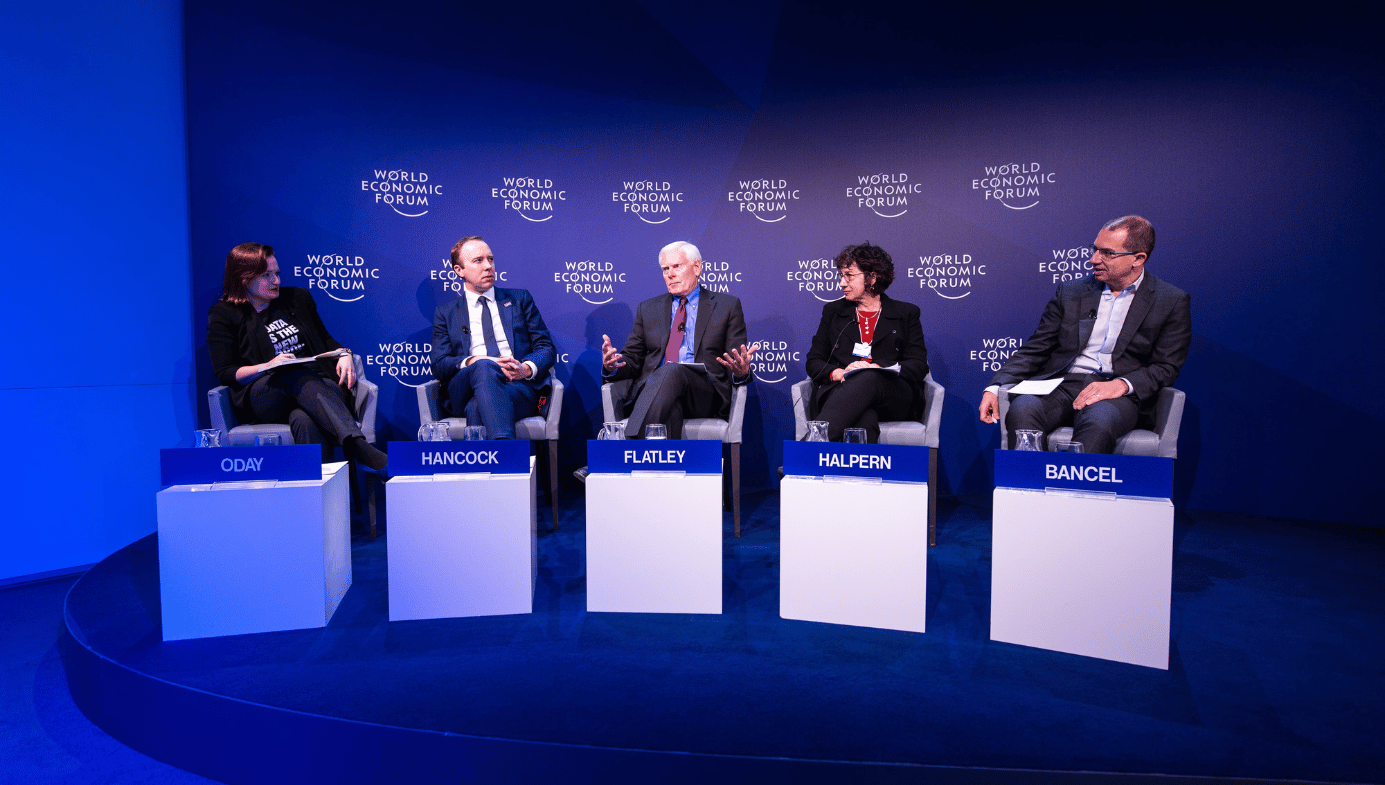
If the Davos crowd has demonstrated anything, it is the futility of their posturing.

The hubris and dilettantism of corporate titans is an old story. But the risk has been compounded by digital technology’s hugely scalable nature.
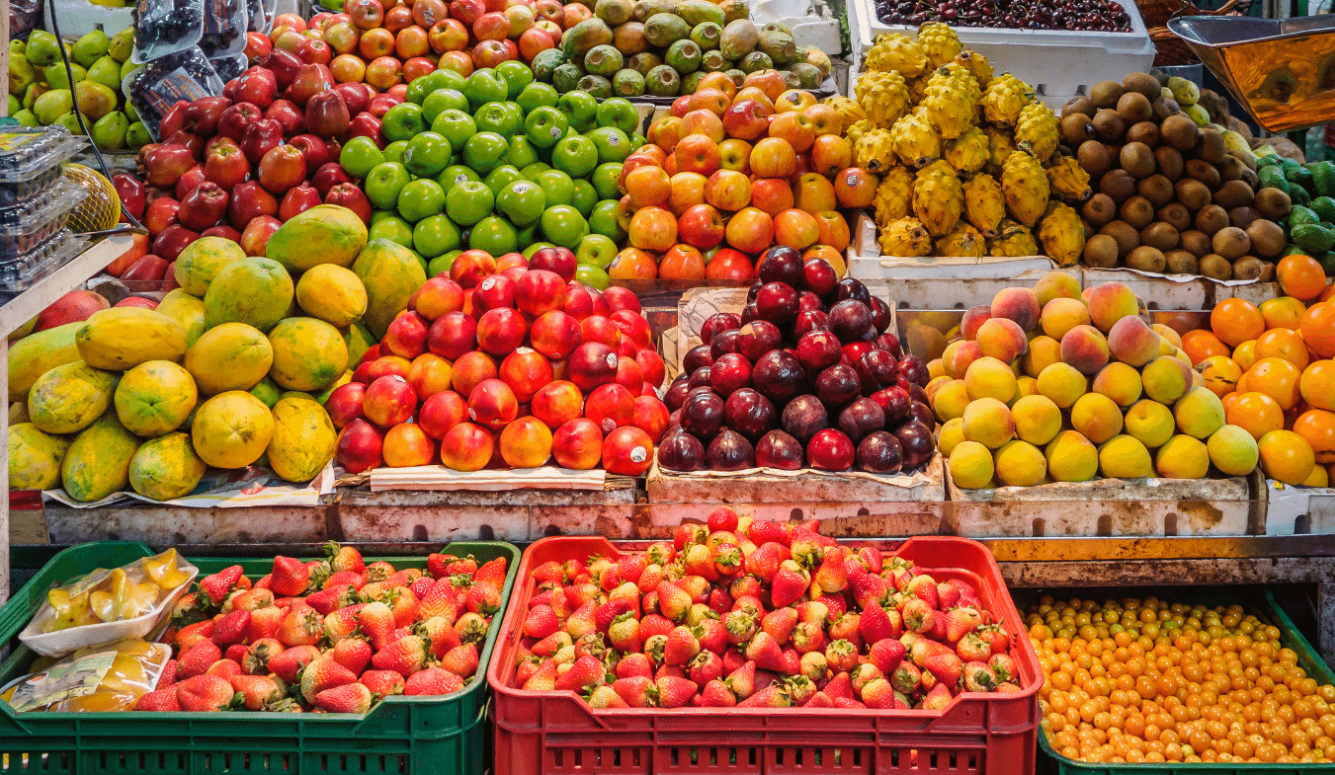
Rethinking Limits: What Superabundance Gets Right About Human Progress.
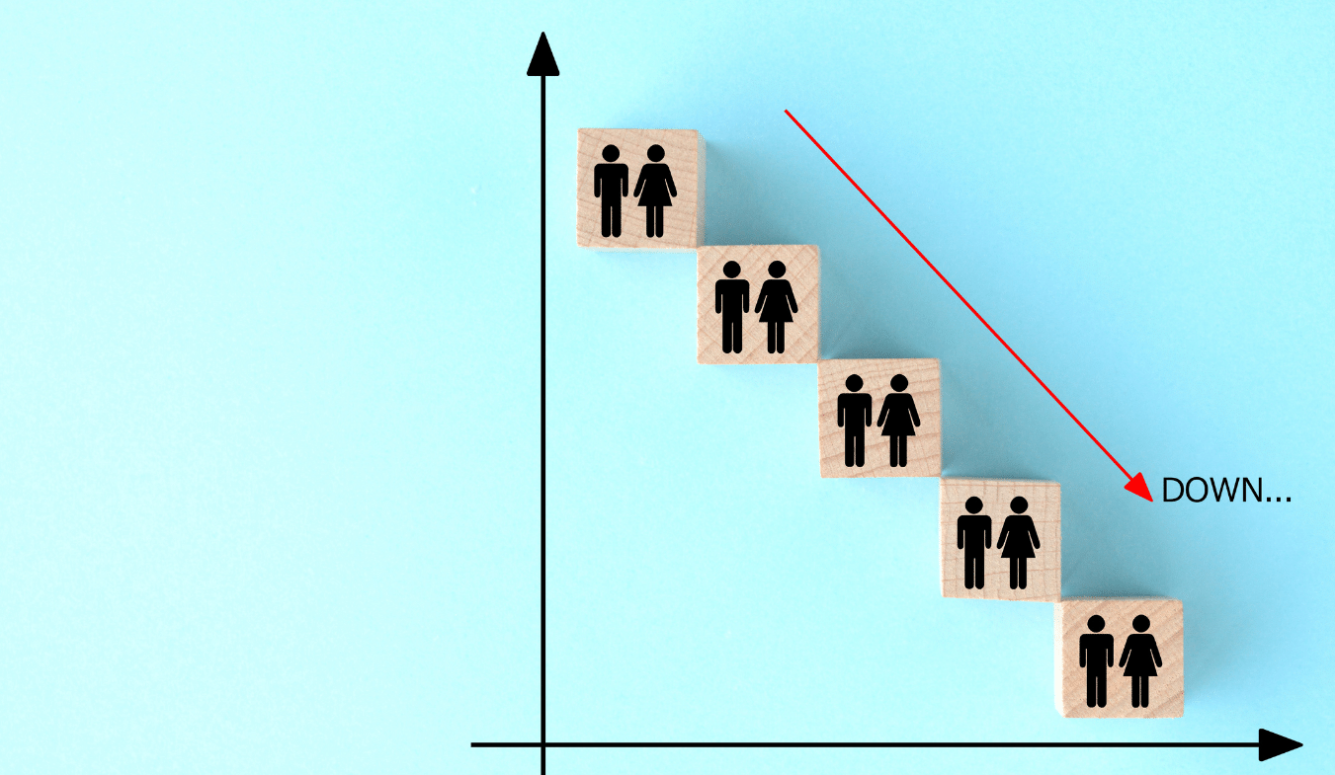
We need to consider ways to reverse or at least slow rapid depopulation
We must find ways to combat climate change without incurring devastating inflation, greater class division, the immiseration of the middle class, and the destitution of the poor.
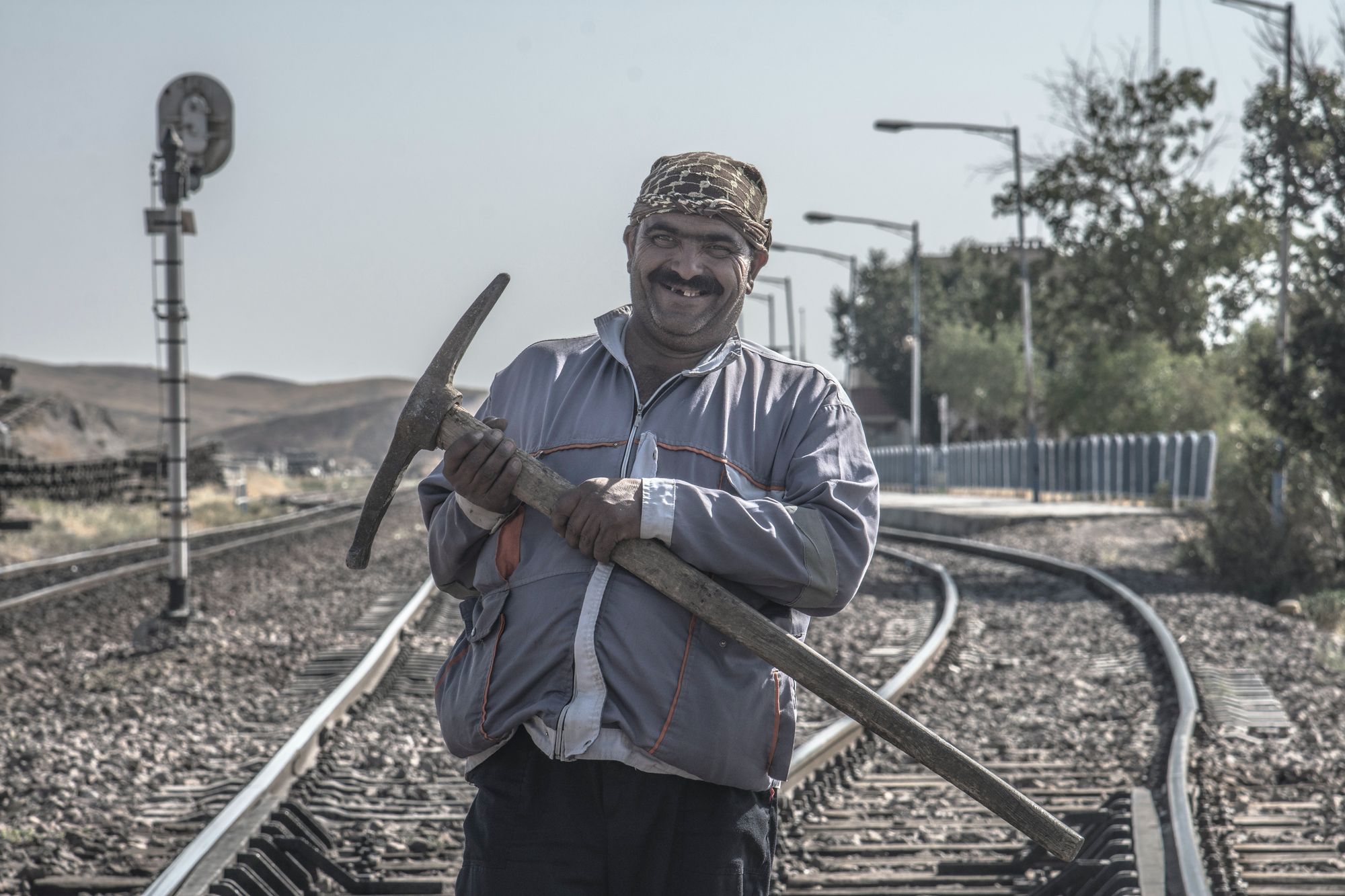
The dignity that comes with a job is more important than the salary.

If they are to survive and thrive, cities need to become more people-friendly.
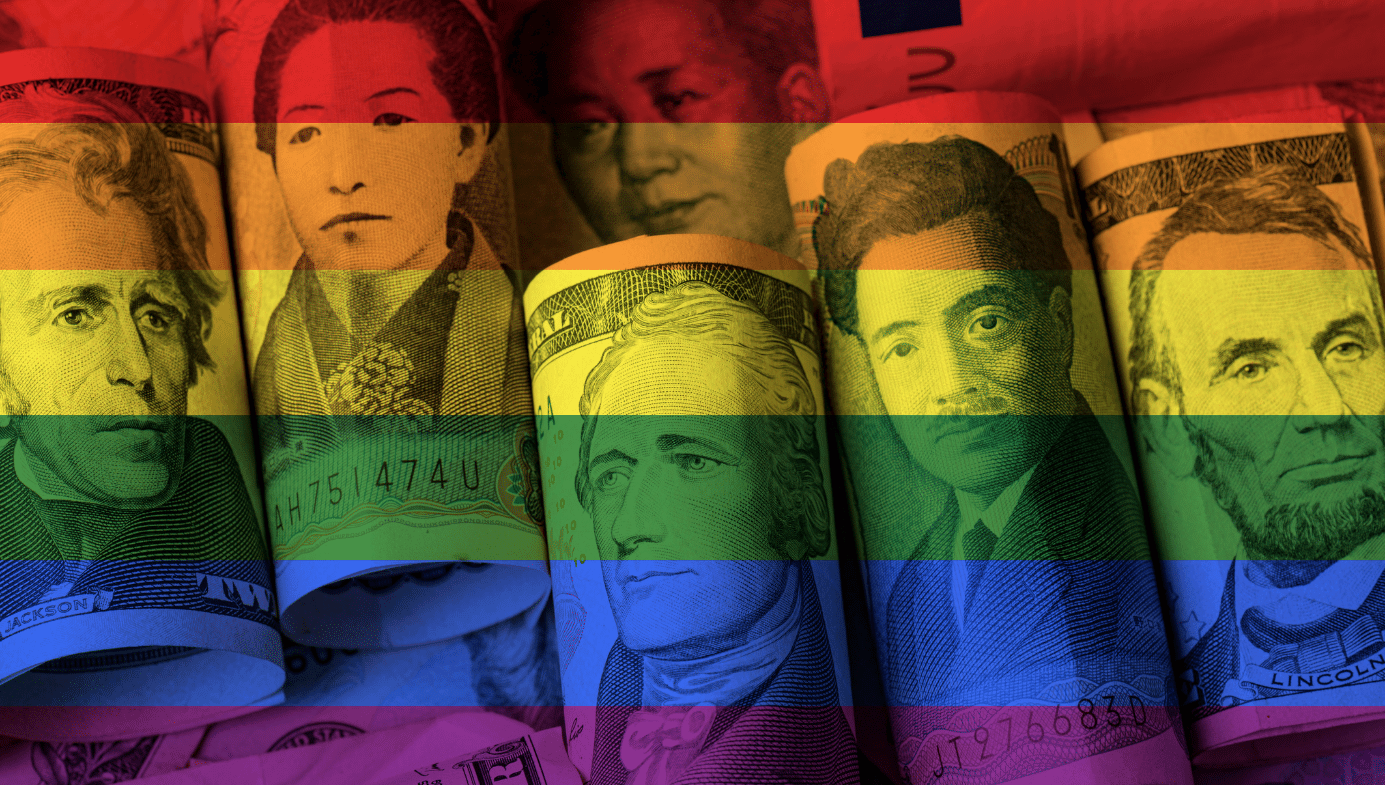
Woke capitalism is rational, but it is also unsustainable.
A review of A Brief History of Equality by Thomas Piketty, Belknap Press, 288 pages (April 2022) As I write this, the city of Rotterdam is considering a request to dismantle one of its historic bridges to grant Jeff Bezos’s super-yacht (too monstrous for normal ports) safe passage
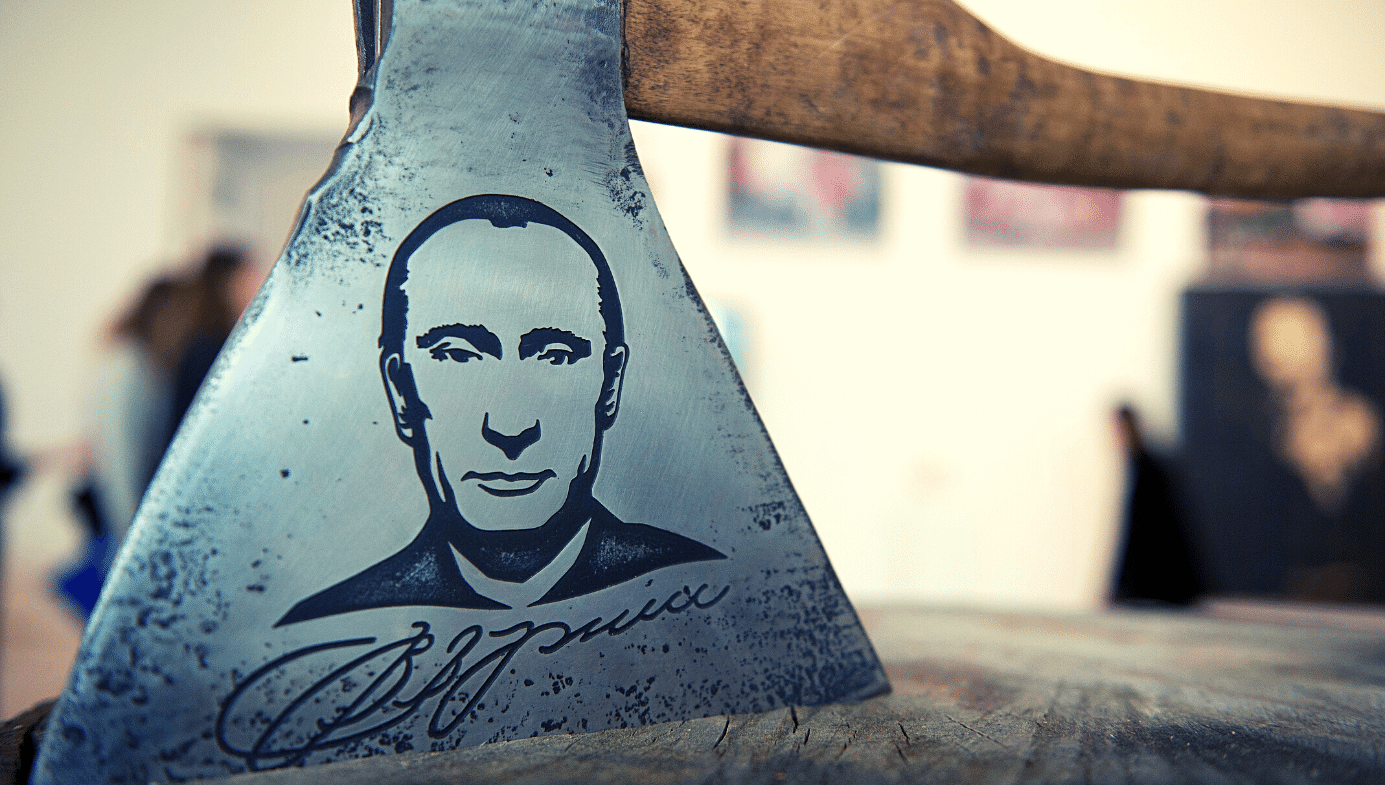
Russia’s invasion of Ukraine has revived the Western alliance. After years of drift and self-doubt, the West has been reminded of its historic and institutional uniqueness by seeing the contrast between the atavistic revanchism of Vladimir Putin and the heroism of Ukraine’s defenders. Once again, our collective