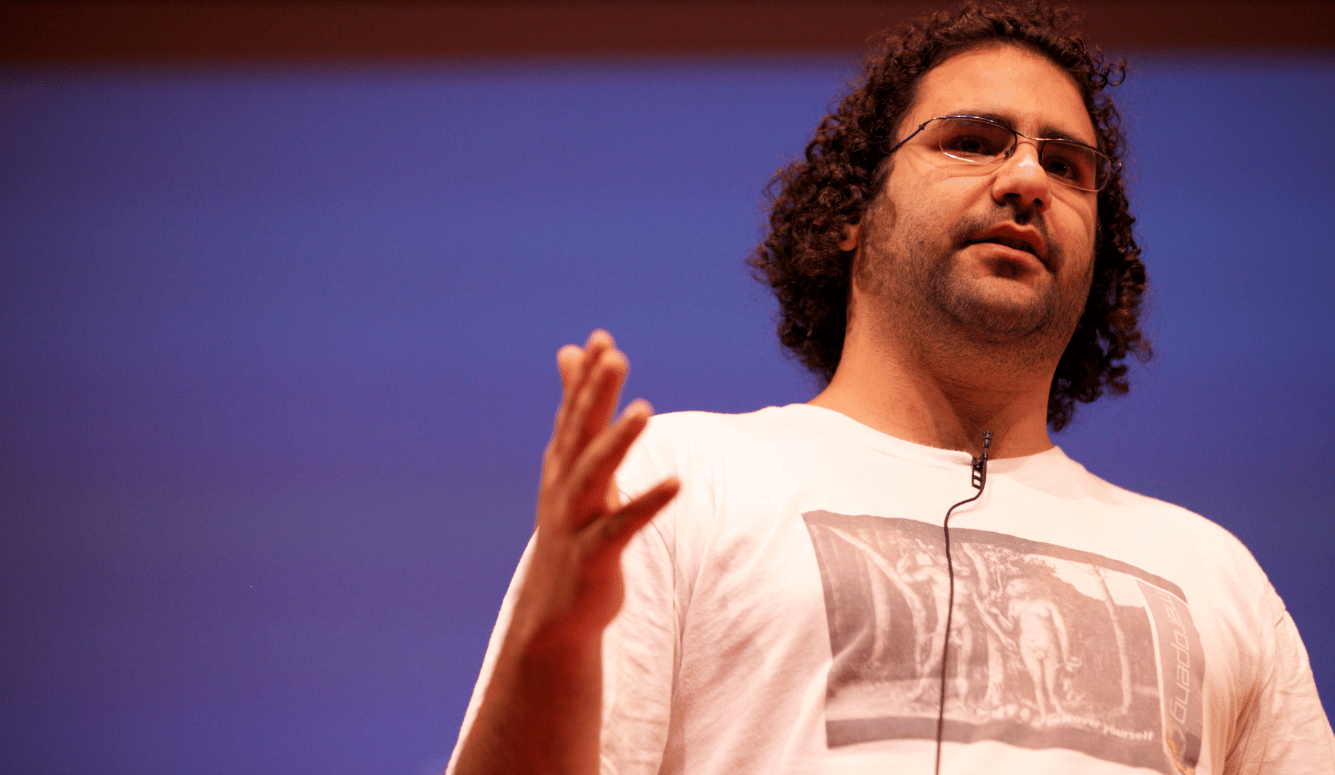
The Strange Case of Alaa Abd El-Fattah
How human rights law led the UK to roll out the red carpet for a man who expressed hatred of white people and support for killing civilians.
Guy Baldwin
· 10 min read
How human rights law led the UK to roll out the red carpet for a man who expressed hatred of white people and support for killing civilians.
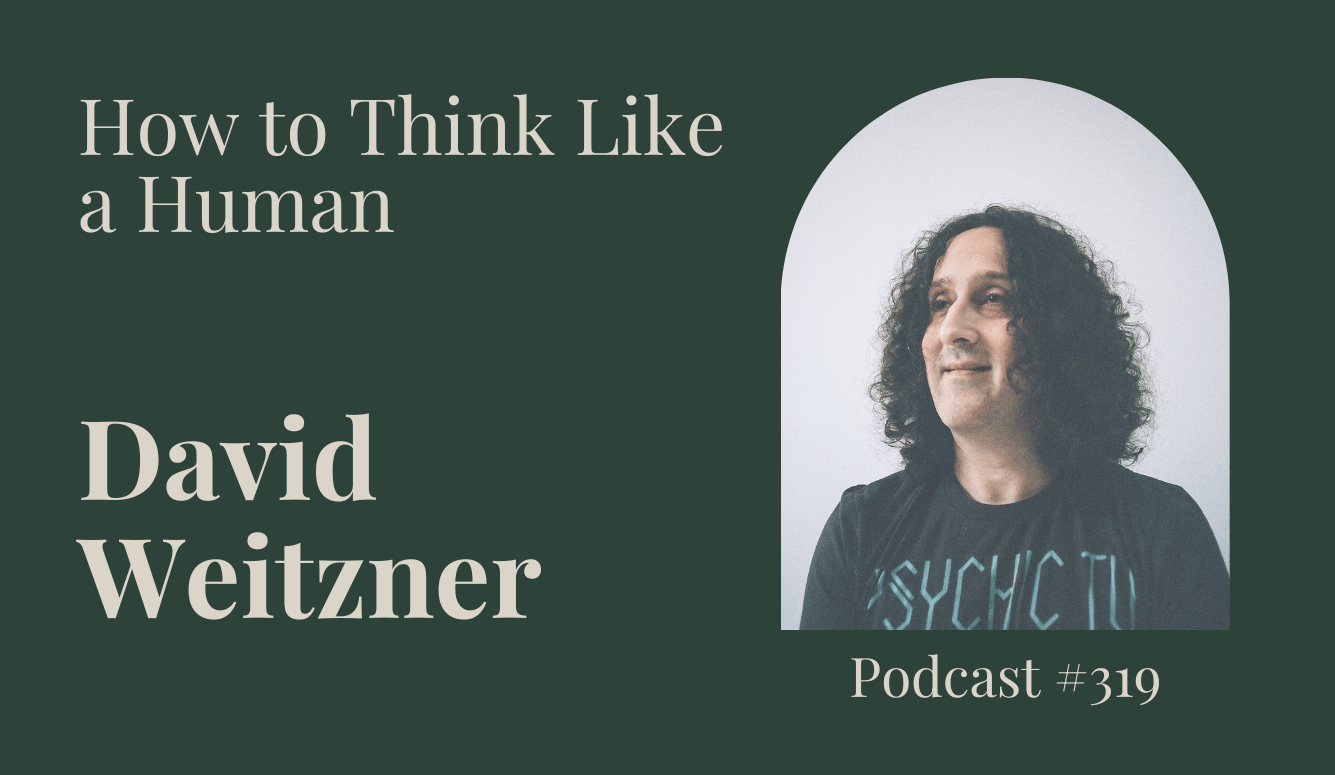
Managing Editor Iona Italia talks to psychologist David Weitzner about the differences between human cognition and artificial intelligence.
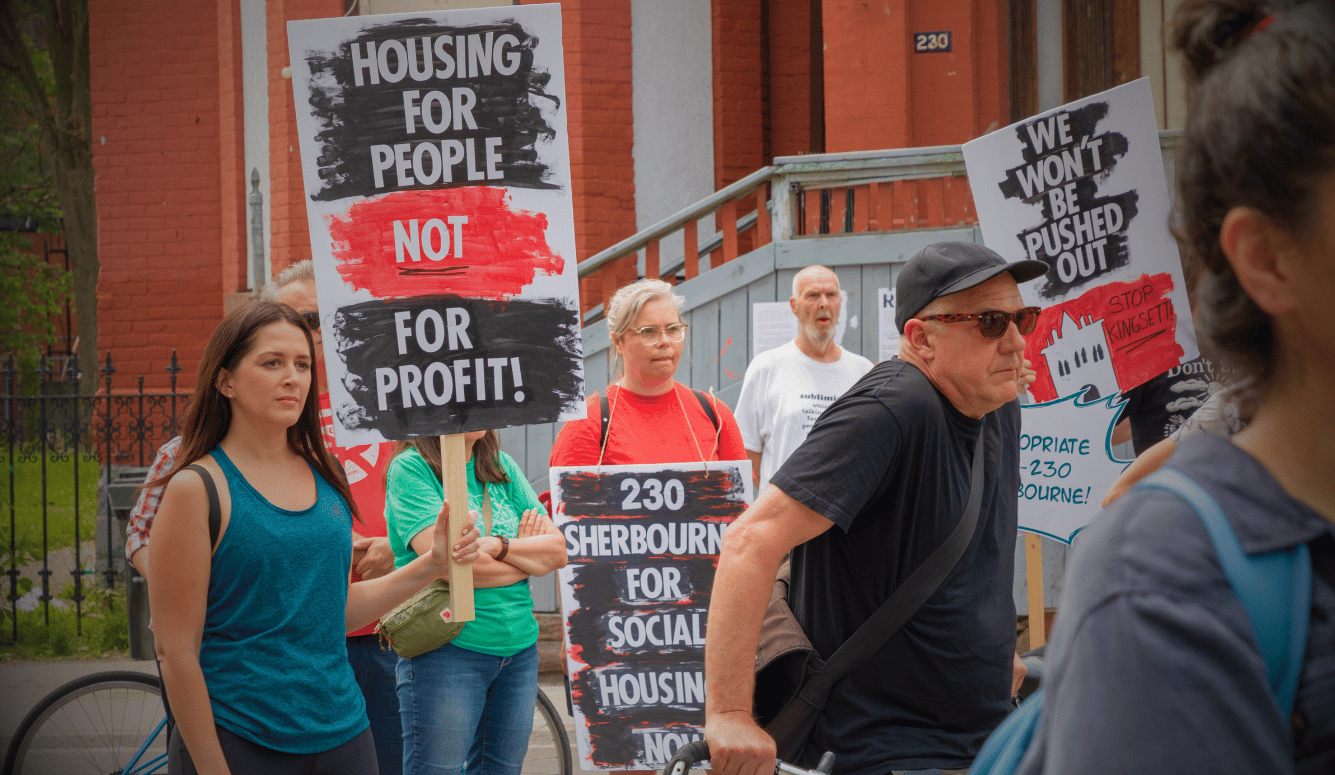
Soaring housing costs are driving young people towards socialism—only dispersed development and expanded property ownership can preserve liberal democracy.

Culture is fragmented; it is about to become atomised.
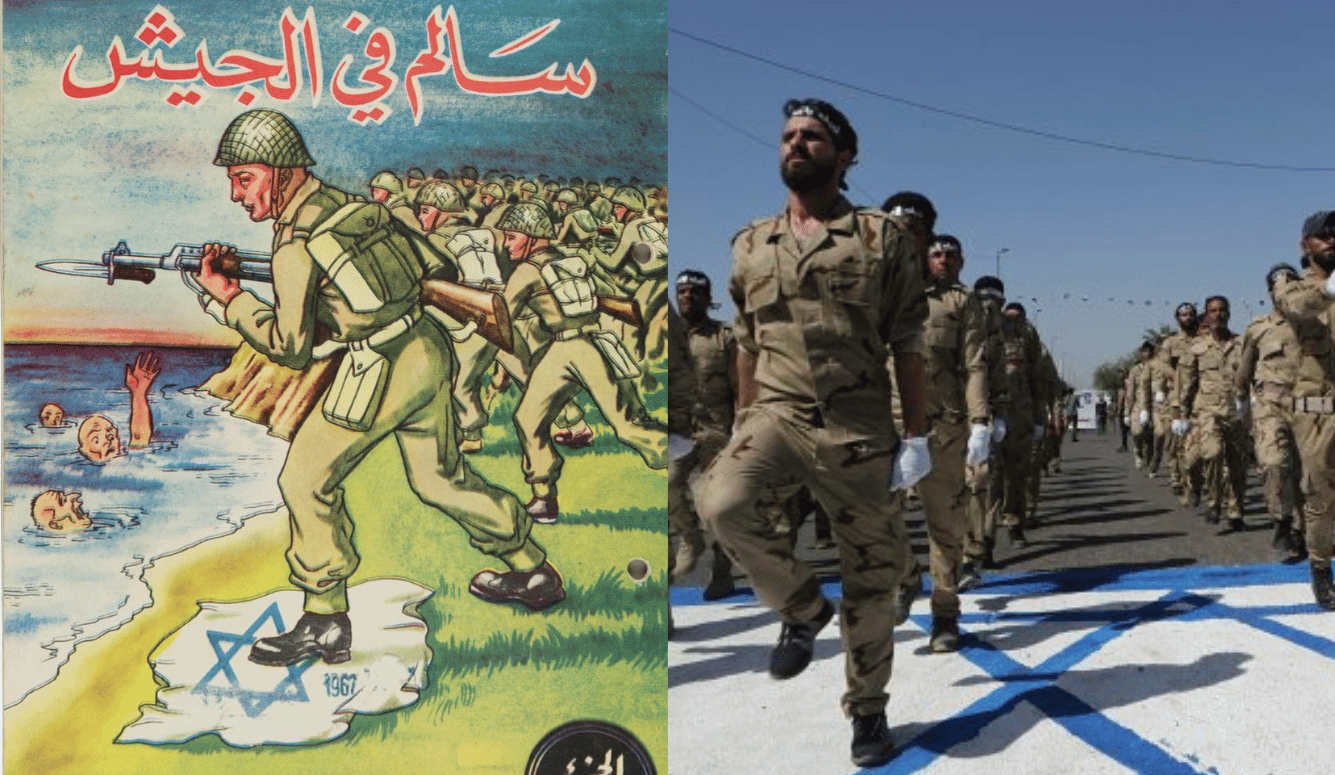
The Arabs still believe that they are fighting a colonial war against Israel. But they are not.
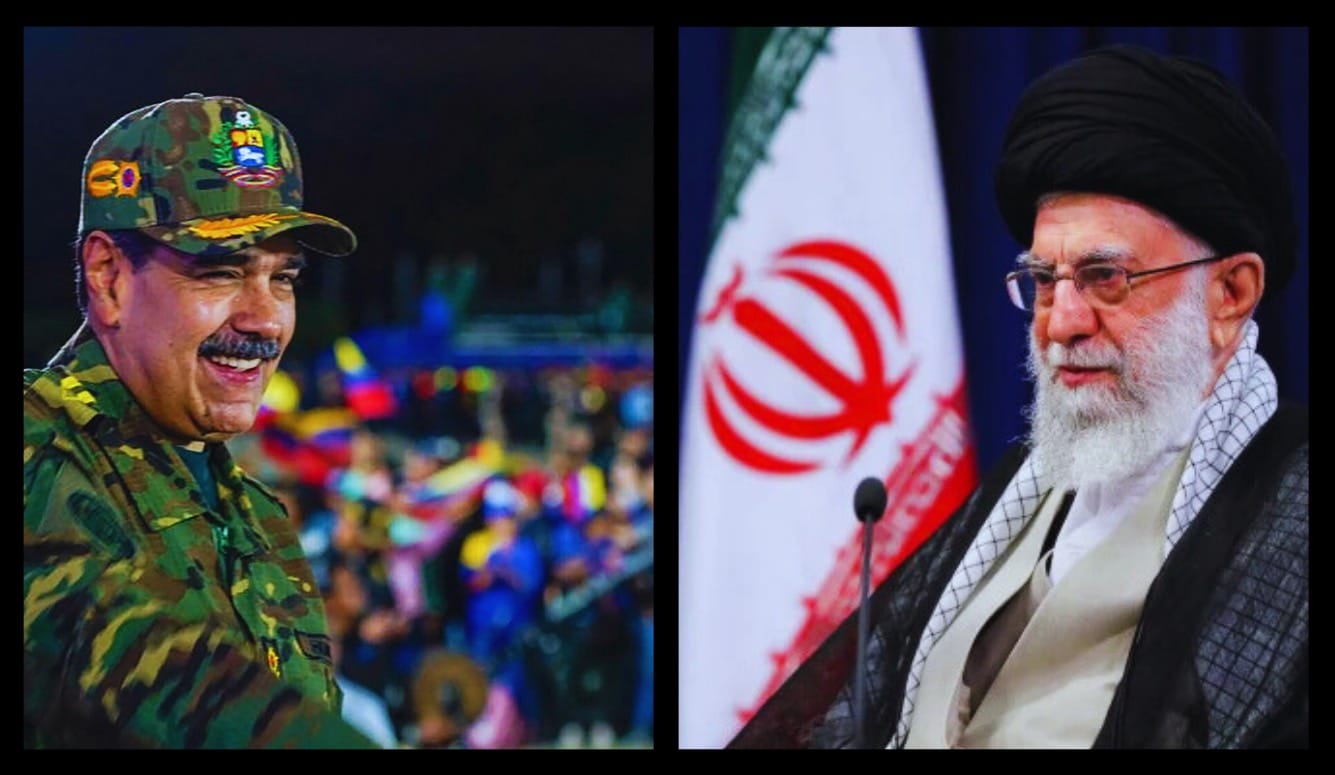
With the survival of Nicolas Maduro’s regime now uncertain, Iran and Hezbollah have much to lose in Caracas.
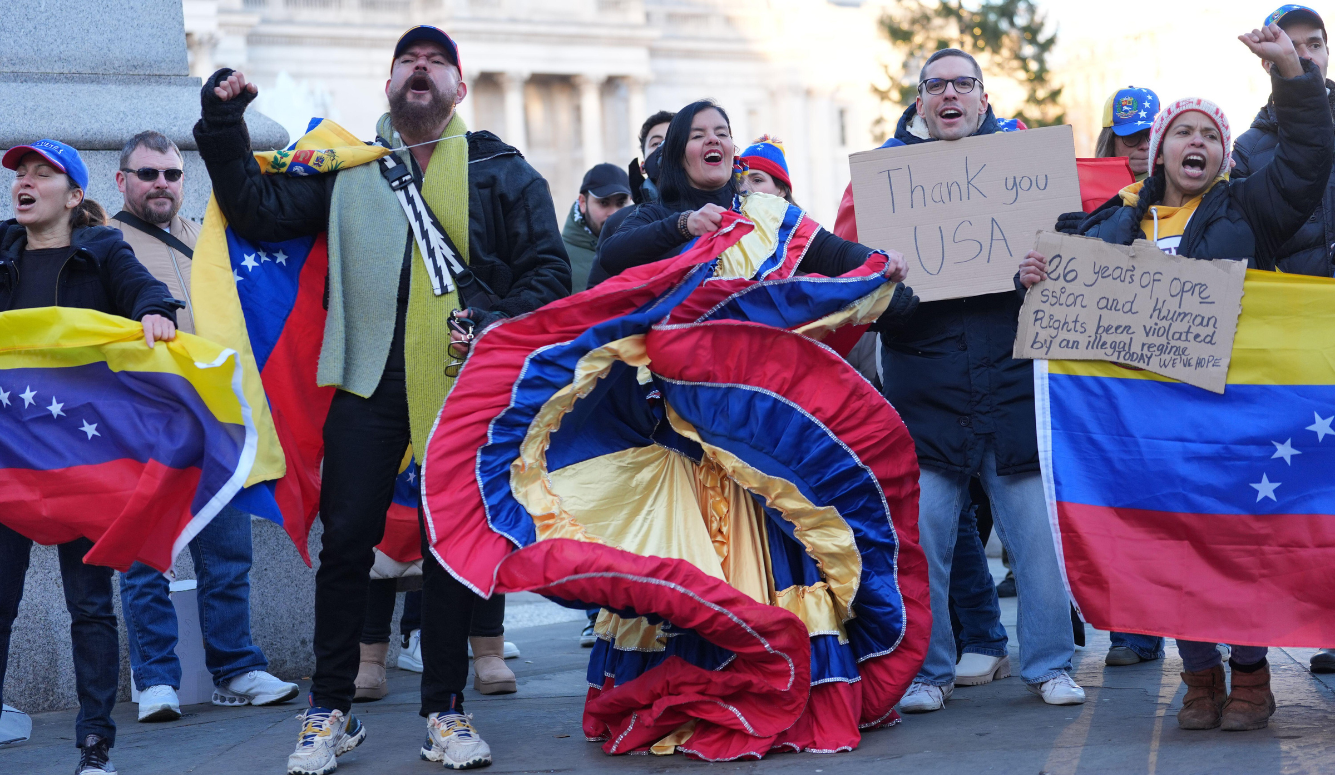
The tactical brilliance of the US operation in Caracas sends a message to the world: American power is back.
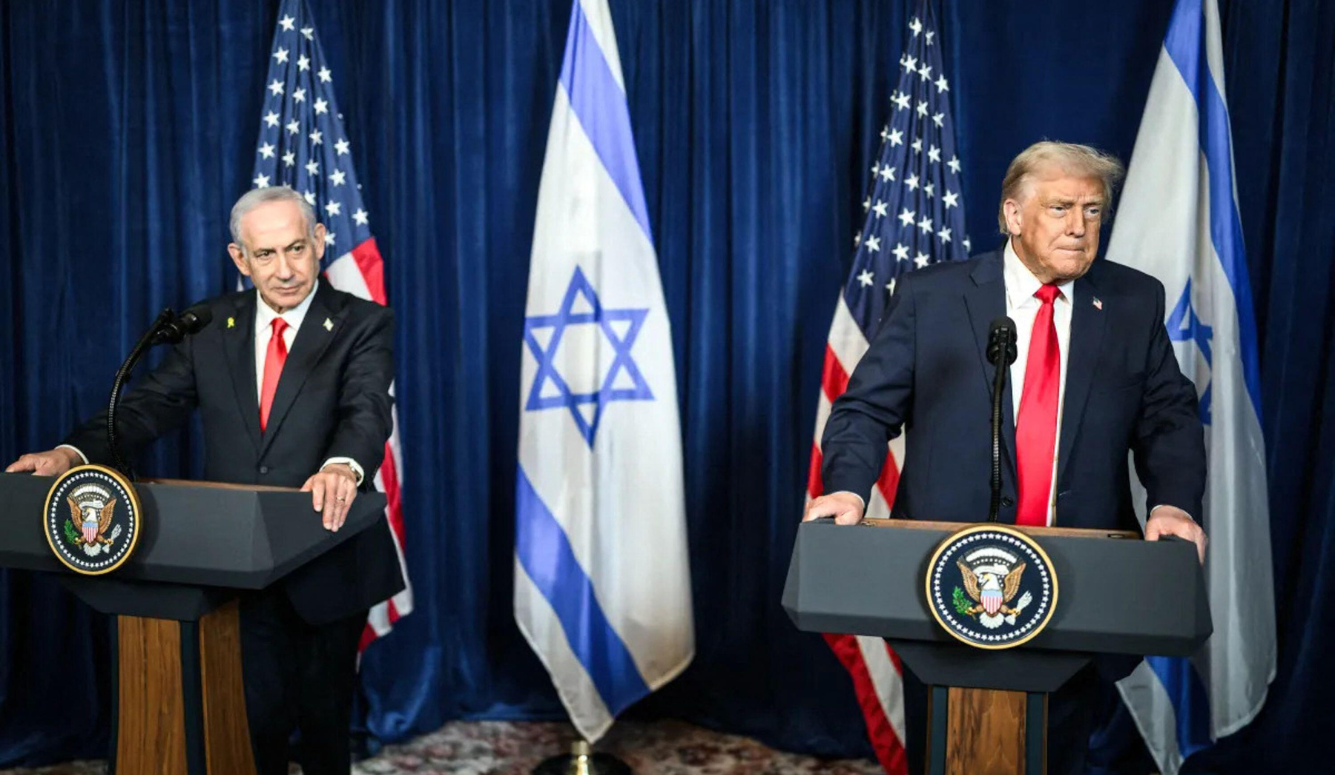
Despite public displays of mutual support, the Trump–Netanyahu partnership is on shaky ground.

Bari Weiss’s eleventh-hour cancellation of a 60 Minutes exposé on migrants imprisoned in El Salvador raises troubling questions about editorial independence at CBS News.

Two new books about America’s justice system paint a bleak picture of a deeply divided country.

The world’s newest nation state could provide a buffer against Islamist influence in the Horn of Africa—if the bet on its stability pays off.
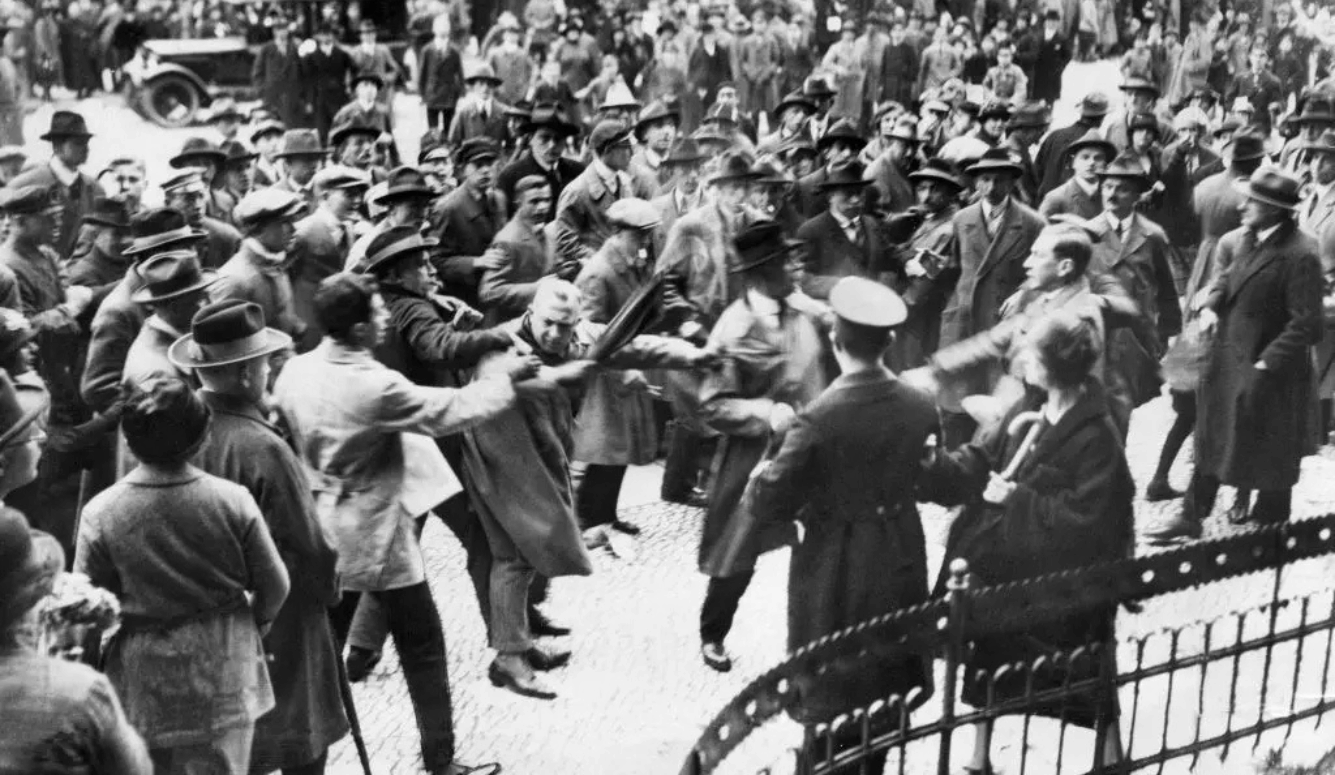
The fate of the Weimar Republic stands as a warning of what happens when societies and their citizens indulge extremism.
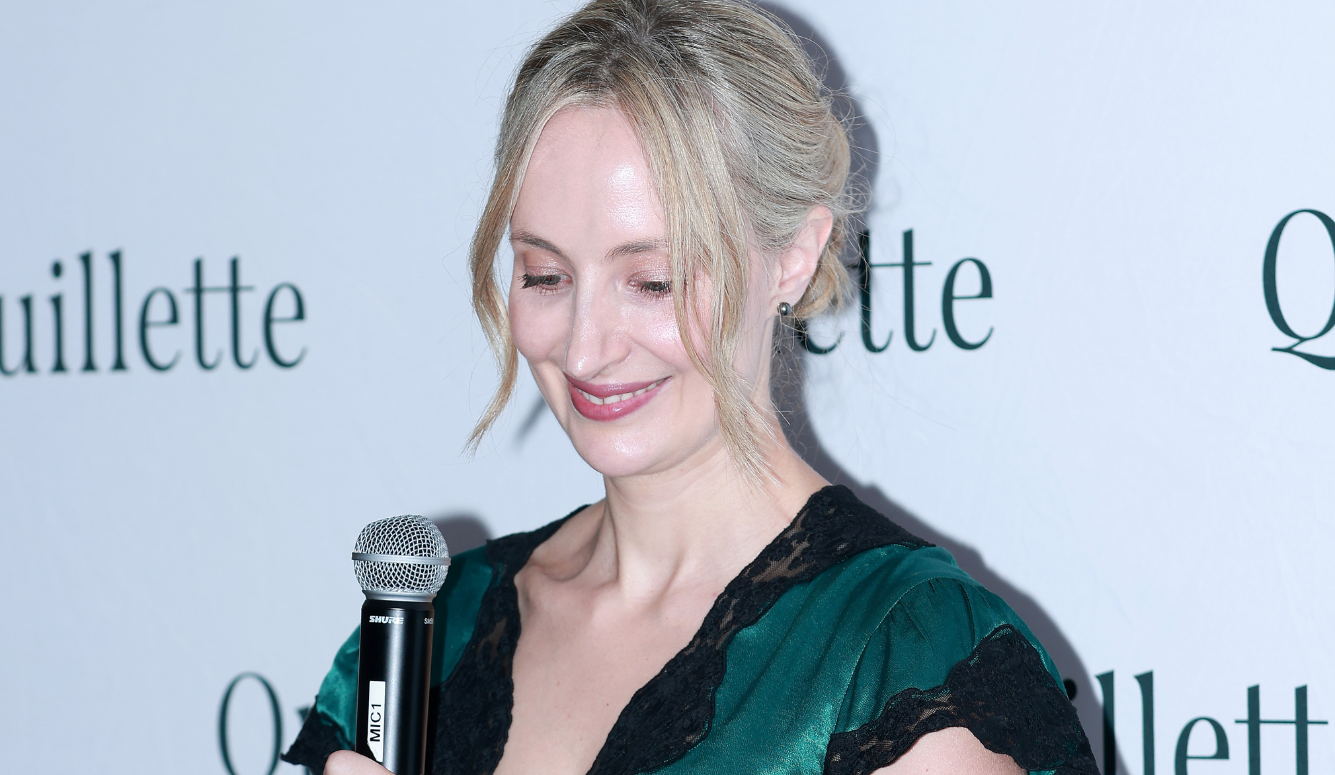
A speech marking the tenth anniversary of Quillette, delivered by founder and editor-in-chief Claire Lehmann in Sydney.

Quillette’s editors choose their favourite essays of the year.
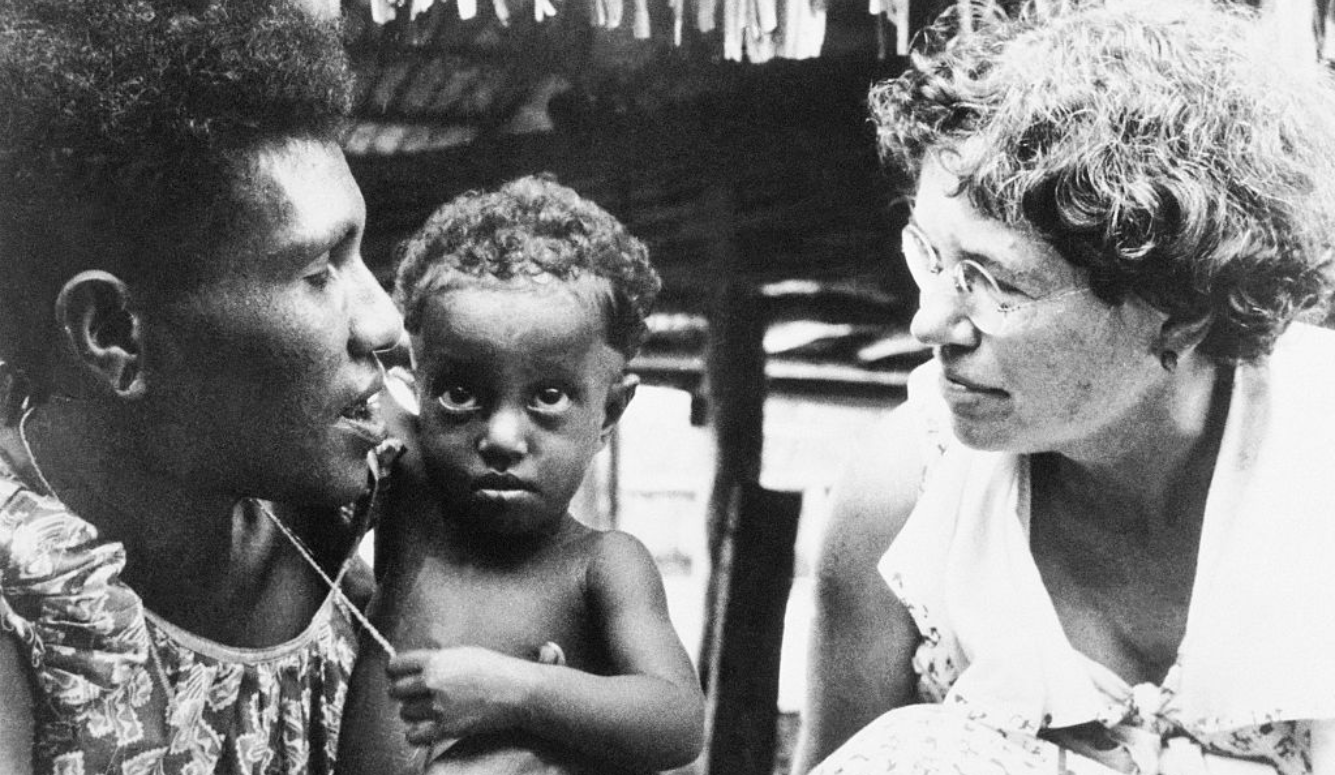
How Margaret Mead’s romanticised account of Samoan life became the founding myth of cultural determinism—and why it endures despite having been thoroughly debunked.