Liberalism v The Rule of Law
Two recent Australian Federal Court judgments illustrate the good things that the rule of law may confer on a society, even when it conflicts with ideals like freedom of speech and freedom of religion.


Two recent Australian Federal Court judgments illustrate the good things that the rule of law may confer on a society, even when it conflicts with ideals like freedom of speech and freedom of religion.
Helen Pluckrose has produced a practical guide to dealing with sticky workplace situations, alongside a clear intellectual account of social justice ideology.
I could bang on about offendotrons every week and have to resist the impulse.
A belief in democracy, in the capacity for governance among “ordinary people,” and a distrust of cognitive elites is what definitively sets populists apart from fascists.
The Tribe is an articulate, scrupulously fair but nonetheless root-and-branch attack on the ‘system and administration of diversity’, not only in UK Labour but also in other British institutions, including the civil service and the BBC.
There are too many artists, too many people who want to be artists, most of them aren’t very good, and schools should focus on inculcating self-discipline rather than dopey ‘all must have prizes’ creativity.
What, I wondered, would have happened had Jesus emerged in a Roman Empire that had gone through an industrial revolution?
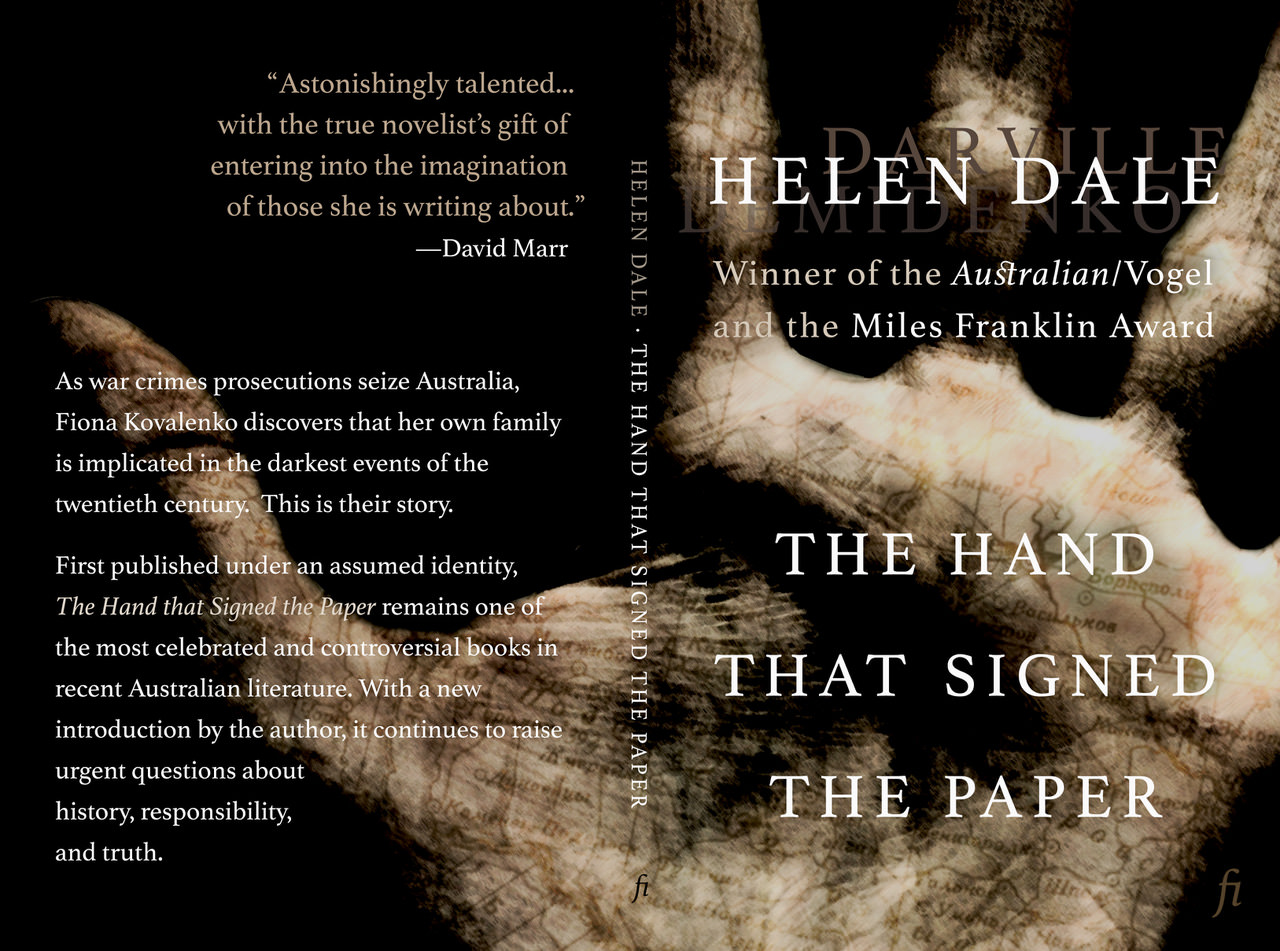
Being imaginative is more important for a writer than being from the “right” ethnic background or having the “right” experience.
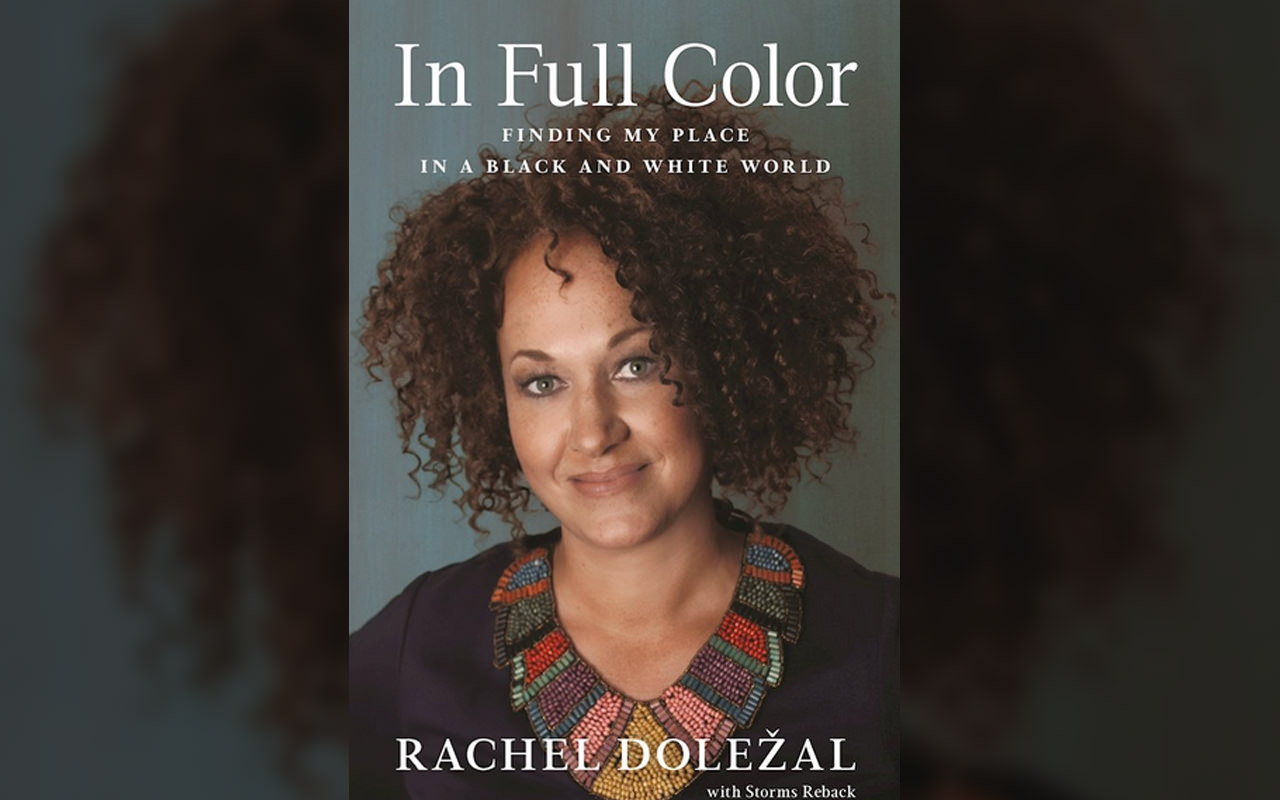
What it does do – and why it deserves to be widely read – is raise a mass of awkward questions about religion, race, sex, and identity.
‘Everyone else has to march up East Street in the heat,’ he’d go on, ‘or make arrangements with my pupil’ (that pupil was me). ‘Why shouldn’t they?’
The only way to head mobs off at the pass is for individuals and institutions to resist them.