No, You Don’t Have a Disorder, You Have Feelings
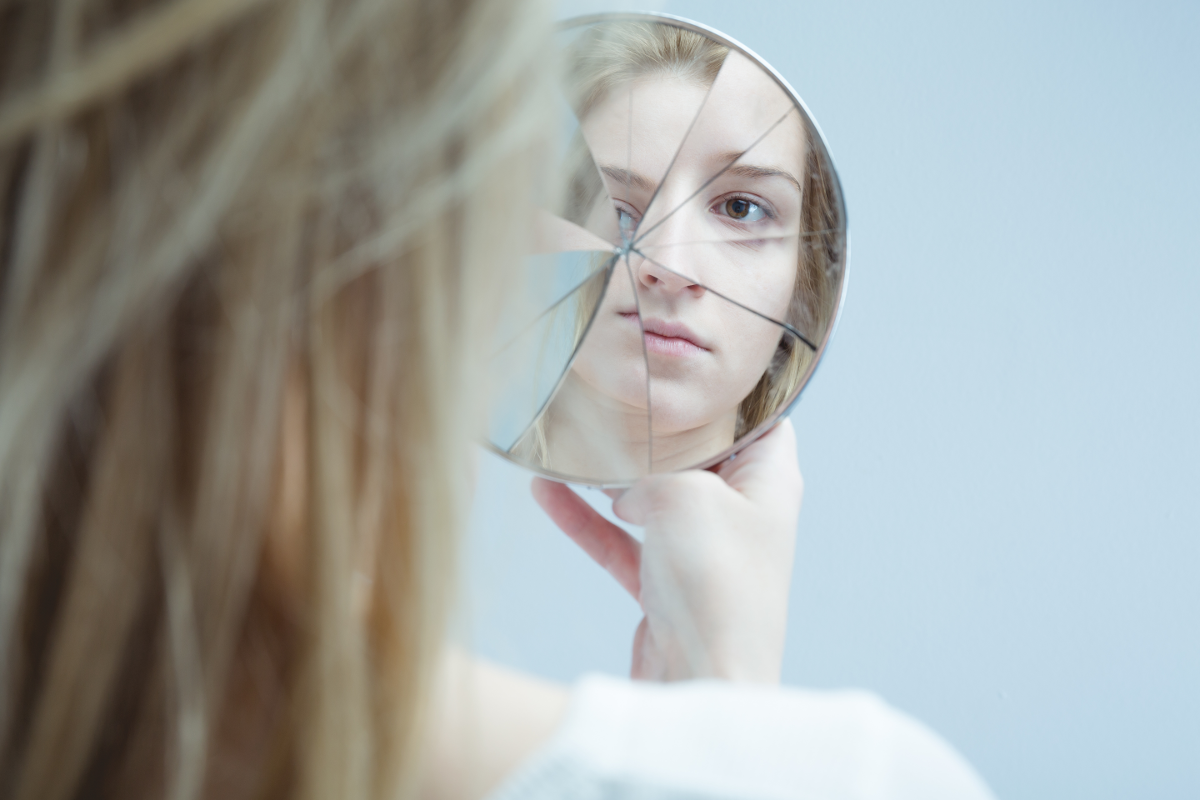
When we construe normal feeling as illness, we offer people an understanding of themselves as disordered. This encourages people to be stuck in a limiting narrative.


When we construe normal feeling as illness, we offer people an understanding of themselves as disordered. This encourages people to be stuck in a limiting narrative.
It may be unpalatable to consider that part of what holds women back is our own nature. But if part of the problem is within us, then we have the power to fix it.
A number of additional data irregularities in the USTS raise further questions about the quality of the data.
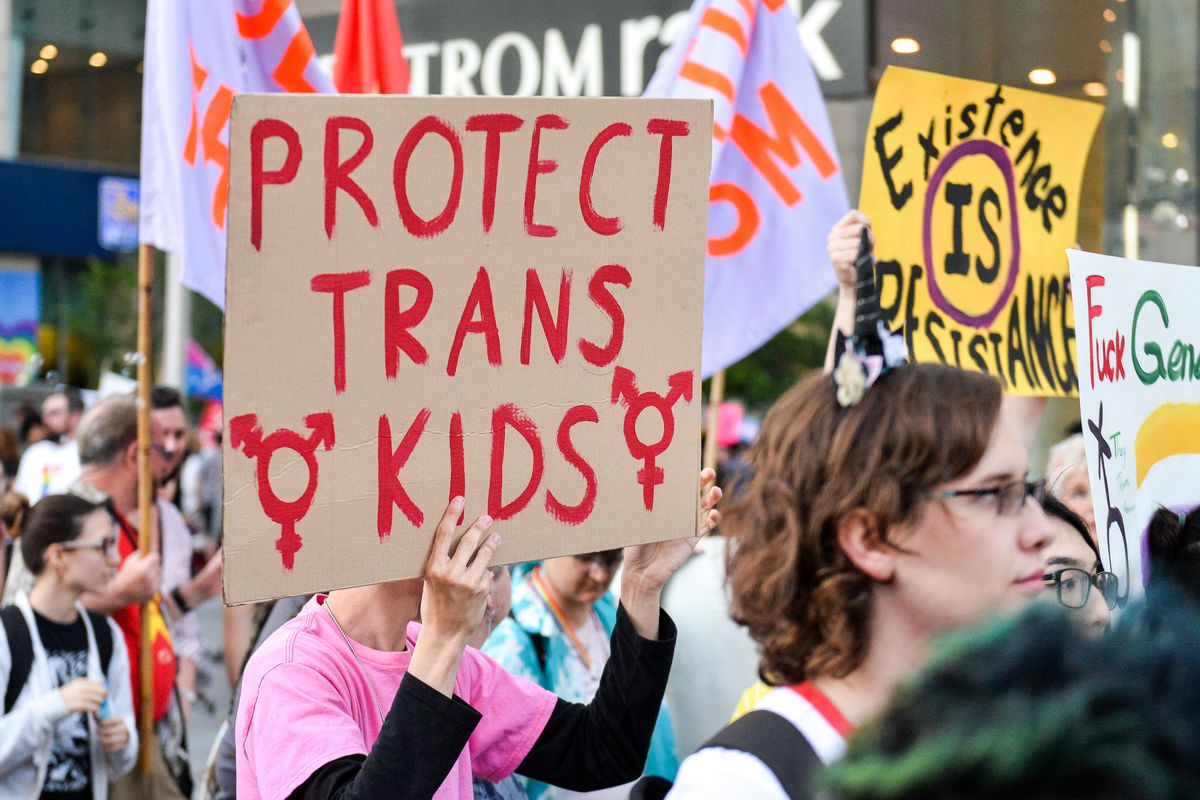
Until recently, those seeking transition generally were subject to extensive assessment by mental health practitioners.
A third problem with the belief that parental rejection is the norm is that it makes for bad policy.
Last week saw another attempt to silence debate and research whose findings diverge from an accepted orthodoxy. In the Advocate, transgender activist Brynn Tannehill decried a 2017 abstract that appeared in the Journal of Adolescent Health, stating that the research into rapid onset gender dysphoria or ROGD was “biased junk
“There is no such thing as not worshipping,” wrote novelist David Foster Wallace. “Everybody worships. The only choice we get is what to worship.” G. Jung would have wholeheartedly agreed. He posited that psychic life is motivated by a religious instinct as fundamental as any other, and that this instinct
Personal or collective attitudes that create an invitation to victimhood and infirmity can alter what we expect for ourselves.
What will it take for this contagion to be seen for what it is, so that its most damaging effects can be prevented?