
Sanitising a Paranoid Crank
Misleading and irresponsible journalism is being used to launder the reputation of RFK Jr.
Matt Johnson
· 10 min read
A collection of 177 posts
Misleading and irresponsible journalism is being used to launder the reputation of RFK Jr.

Denial of “invisible” suffering is bad science and worse ethics.

The politicisation of medicine has had terrible unintended consequences.

The recycling industry—and the world at large—has yet to fully reckon with a bombshell study that dropped last year.

Directing physicians to treat their patients as racial statistics rather than an individuals is a grievous misdirection of their skills.

A landmark report properly emphasises the application of science, not slogans, in establishing treatment protocols for trans-identified children.
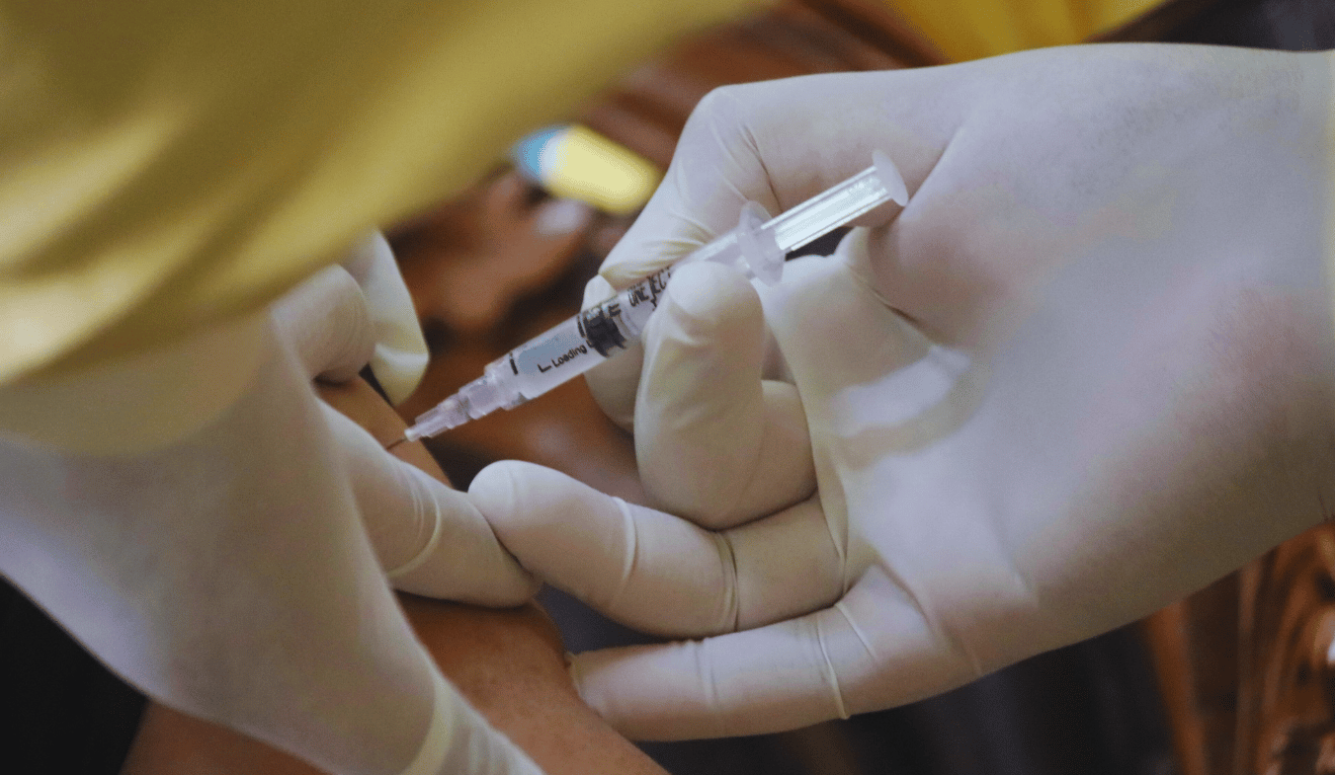
Overselling Covid vaccines during the pandemic has backfired and played into the hands of the anti-vaccine movement.
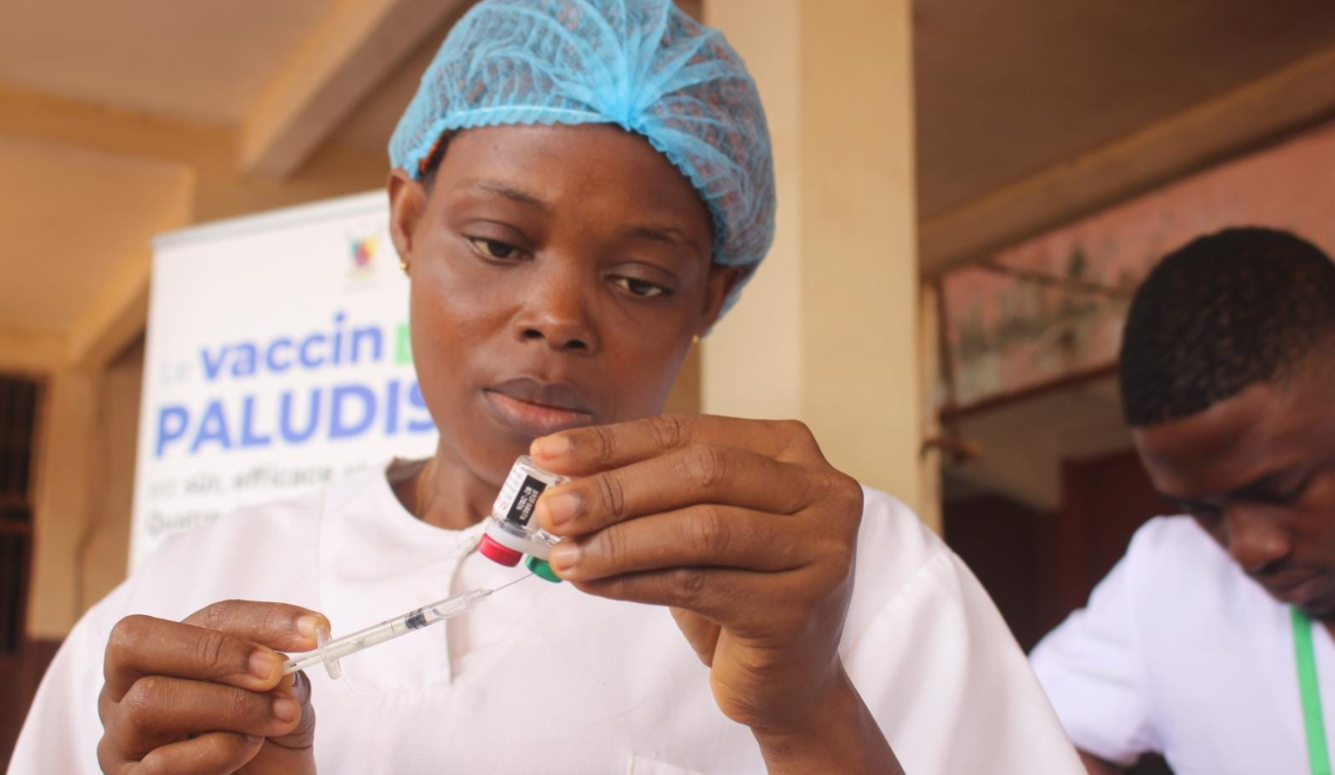
The malaria vaccine may well help reduce deaths, but we should not exaggerate its efficacy.

The importance of cognitive ability to disparities in human health is being overlooked.

A look back on the 2003 BMJ controversy over passive smoking and mortality.

New pharmaceuticals appear to offer a genuine solution to the problem of excess appetite, that uncontrollable urge to eat more than we need to that keeps so many of us fat.

Evidence that clinical decisions are driven by unconscious bias remains conspicuously lacking.

Affordable, safe, generic anticonvulsants restore homeostasis to the brains of chronic drinkers, but they are not being promoted.

When should we allow a person to hasten her own death?
I worry about the unintended consequences of the neurodiversity movement, particularly when their demands are promulgated religiously and without nuance.