
Children of the Counter-Revolution
Sexual liberty reconsidered.
Cathy Young
· 16 min read
A collection of 232 posts
Sexual liberty reconsidered.

Polygamy is a criminal offense throughout the Western world. Would making it legal be progress?

I recently started work in a male-dominated field, and I’ve been getting a lot of sympathetic remarks about my being “a woman in X.” But something has started to feel a bit off about this line. I’ve realized that being a woman in my field doesn’t

In November 2020, the British Columbia College of Nurses and Midwives (BCCNM) informed me that I was under investigation for my “off-duty conduct.” My disciplinary hearing is scheduled to take place from May 30th through June 3rd, and my career as a nurse hangs in the balance. I have

Young people are still discovering their sexual selves and are often lost when exploring the sexual terrain of someone else’s body and mind.

Maybe Butler is an anti-identitarian when it comes to gender, but she sure defends her political identity most rigidly, indeed, in an obscurantist way.

“Cancel culture” has become a trendy term in recent years. But public shaming has always existed. It’s a social tool, and like all tools can be used for good or ill.

Detransitioners and desisters can also feel angry at psychiatric and medical specialists, who they understandably believe have not adequately assessed their motivations for requesting medical intervention.
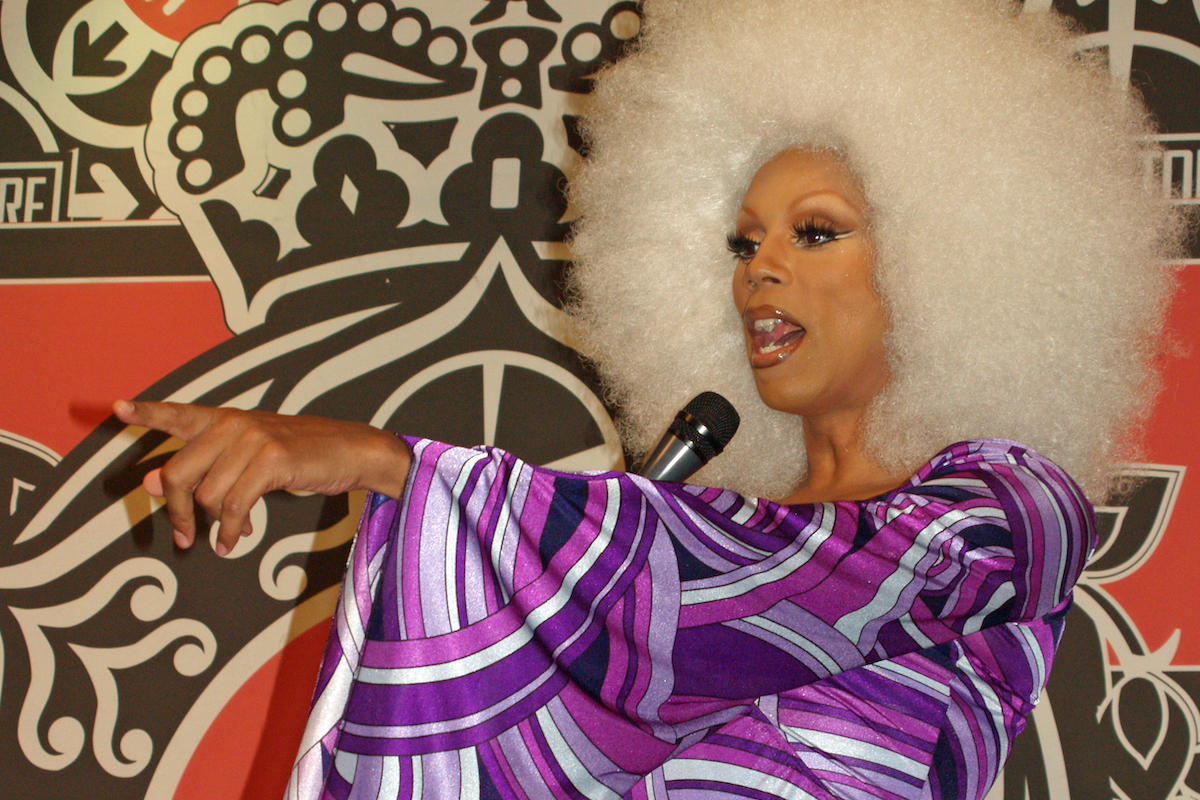
Our choice of words affects the way we think. That’s why we spend so much time fighting over which terms to use, whether it’s “undocumented immigrants” versus “illegal aliens,” “foetuses” versus “unborn babies,” or “militants” versus “terrorists.” In recent years, the question of word choice has figured prominently

Living under a totalitarian regime one knows censorship in and out. One can smell it from far away and I smell it in this terror of political correctness—or, if we turn it around, in the danger of expressing different, unpopular views.
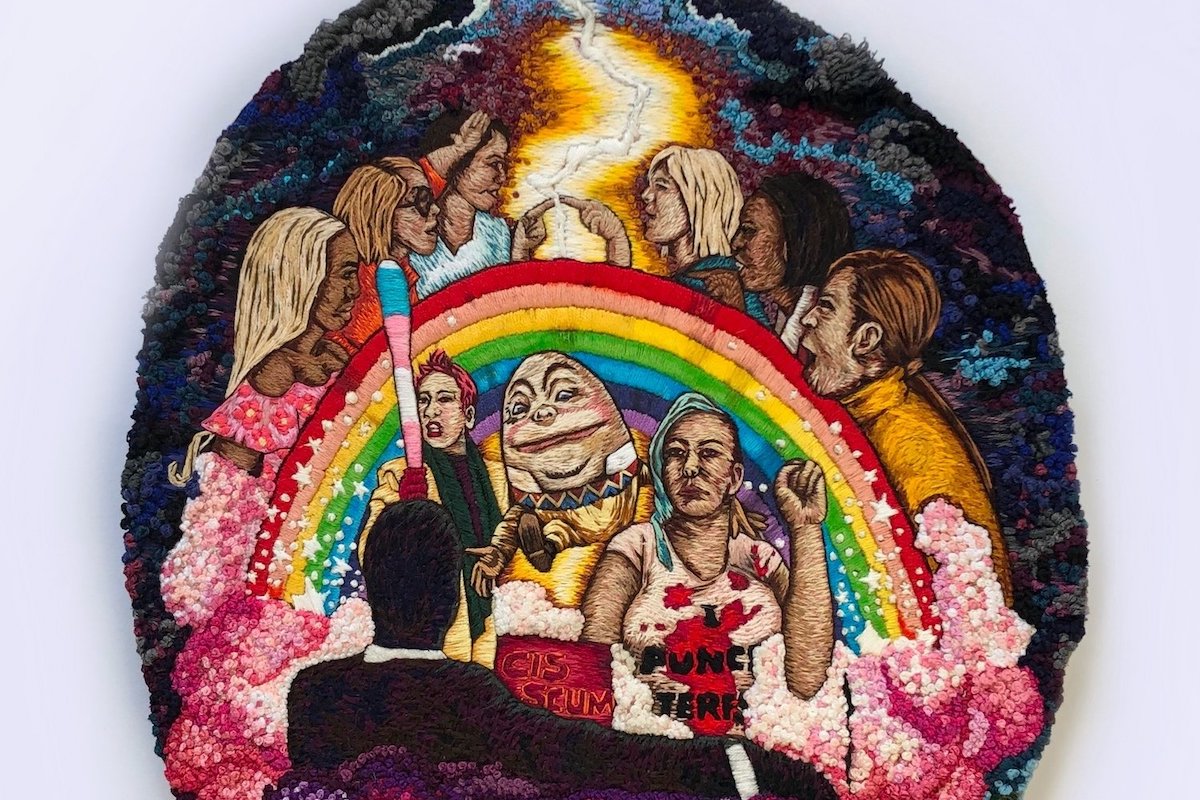
Once you sweep aside all the glitter showers, animated unicorns, and rainbow emojis, that is ultimately what gender supremacism is truly about.

There is now a growing international movement of men and women dedicated to resisting the anti-masculinity narrative.

Under this policy, declaring one’s pronouns is required when people introduce themselves in court whether they present in keeping with their biological sex or not.
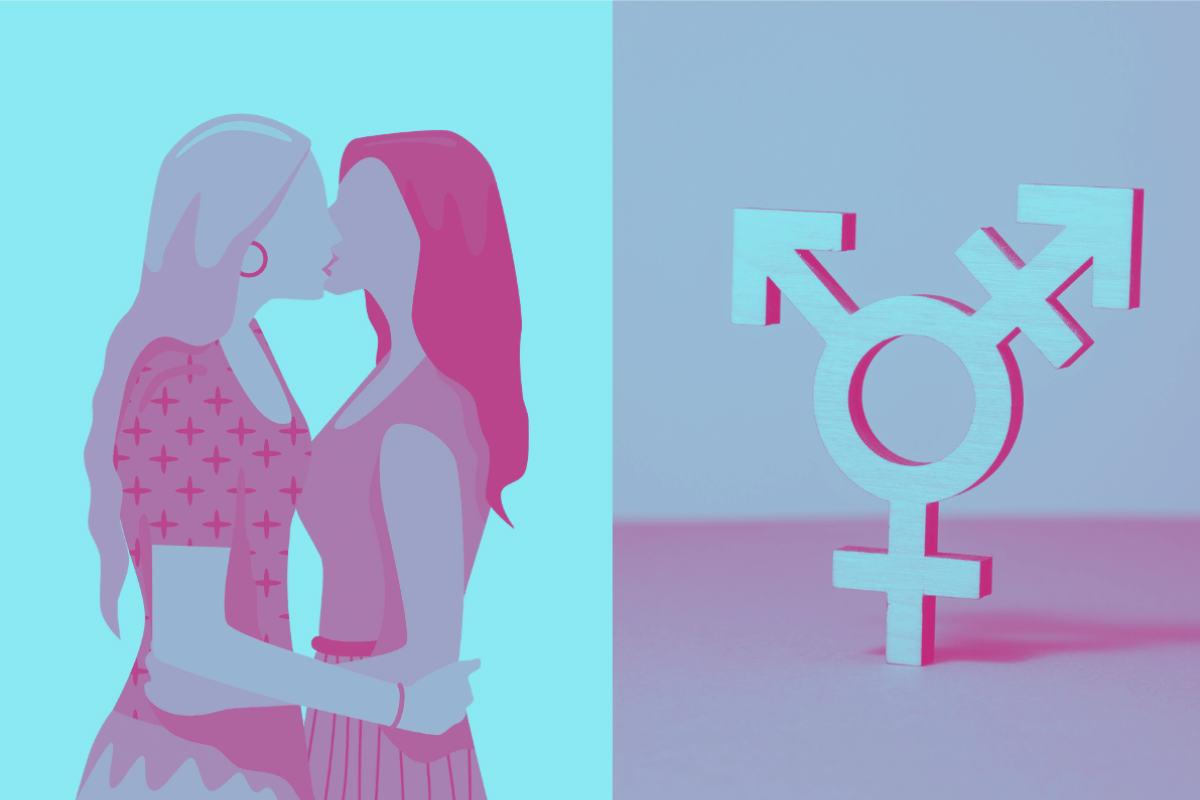
Two such orientations are heterosexuality and homosexuality. They are defined in terms of specific patterns of attraction.

As sexual violence was reaching historic lows, the narrative was demanding the opposite. The definition of sexual violence began to be broadened, and so the numbers grew.