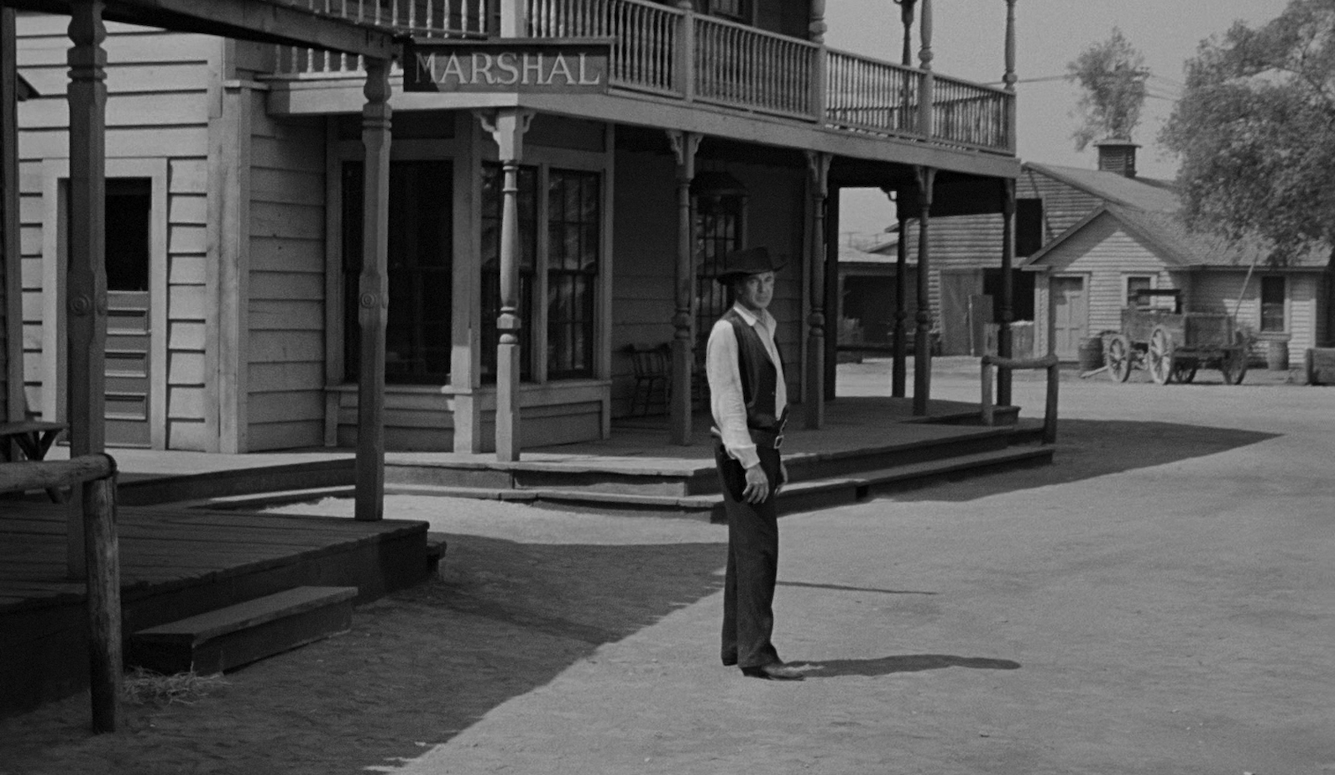
Together Alone
American individualism and the western, from Fred Zinnemann and John Ford to Larry McMurtry and Taylor Sheridan.
Craig Clifford
· 8 min read
American individualism and the western, from Fred Zinnemann and John Ford to Larry McMurtry and Taylor Sheridan.
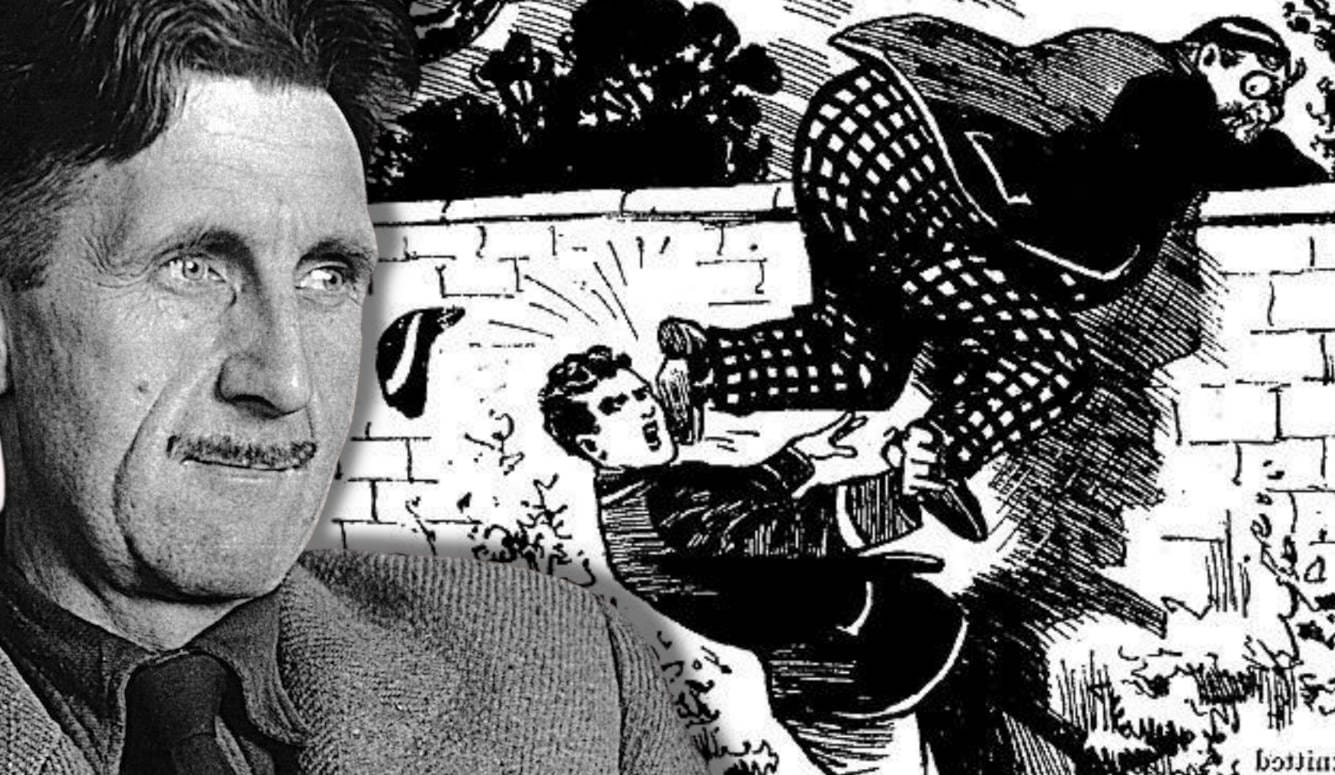
A look back at the 20th century’s most entertaining literary spat—one of the few such encounters that Orwell emphatically lost.
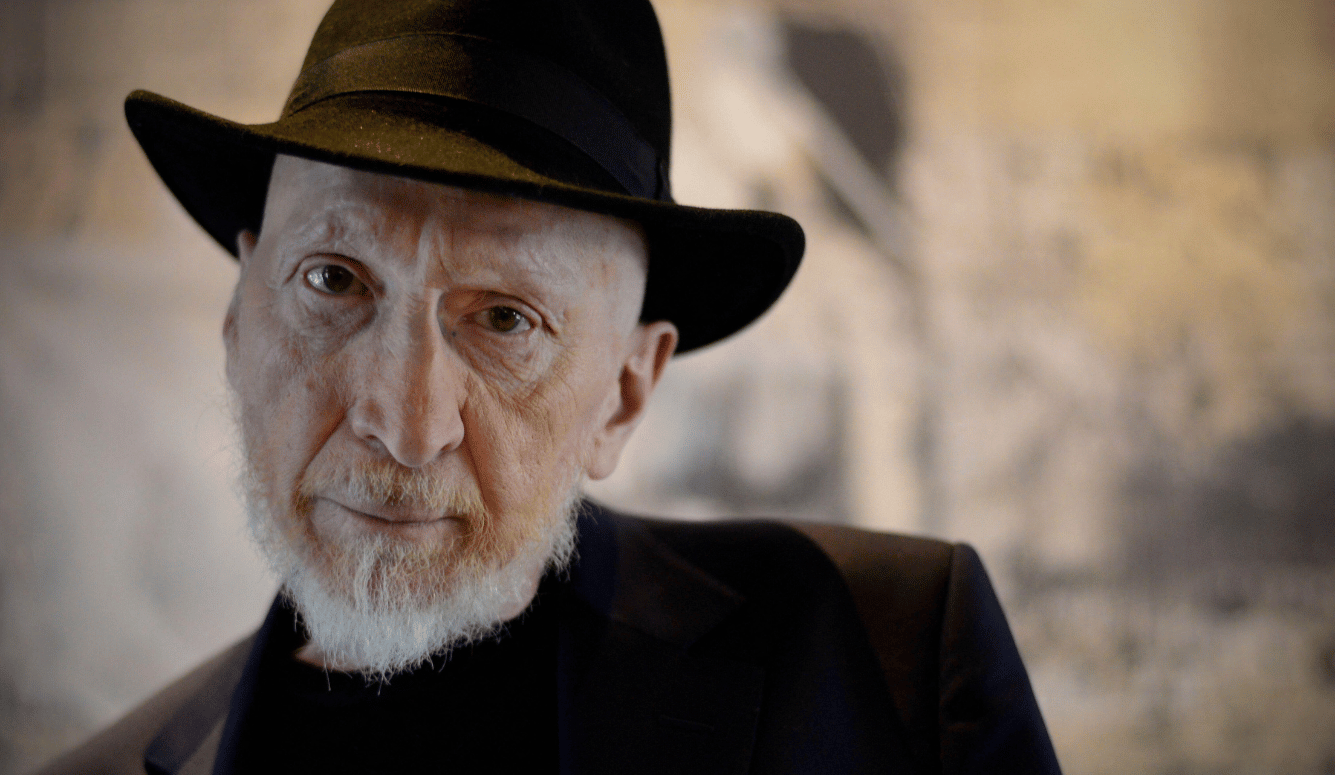
Frank Miller’s valuable new memoir explores the creative life of one of America’s most gifted writers and artists.
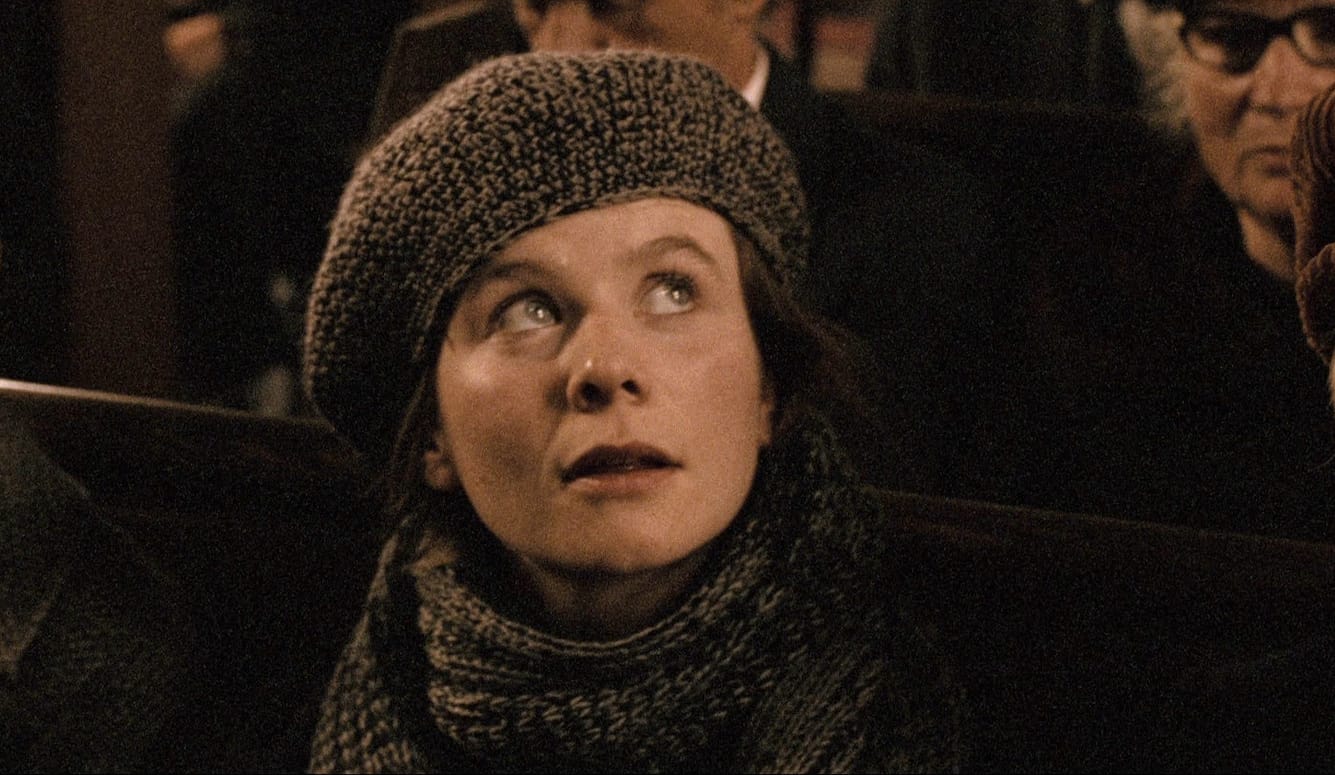
Lars von Trier’s harrowing but resplendent story of suffering and grace turns thirty this year.
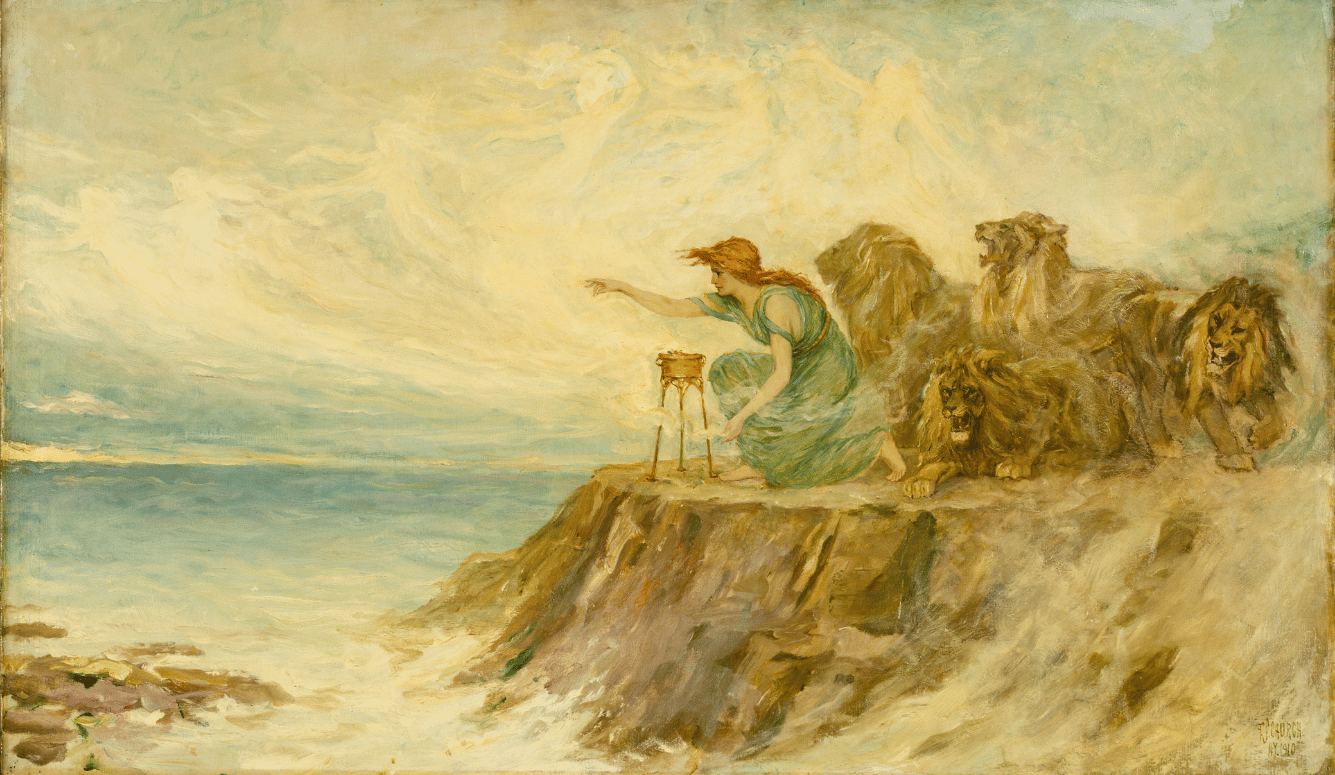
Homer’s epic provides a window on to a strange, paradoxical, fascinating, beautiful, and terrifying world that is at once familiar and unfamiliar.

Artists increasingly insist that their work and their politics are indivisible. They should not be surprised when the institutions that fund them agree.
The evidence for innate sex differences has been accumulating for decades. Steve Stewart-Williams's new book is a welcome inventory.
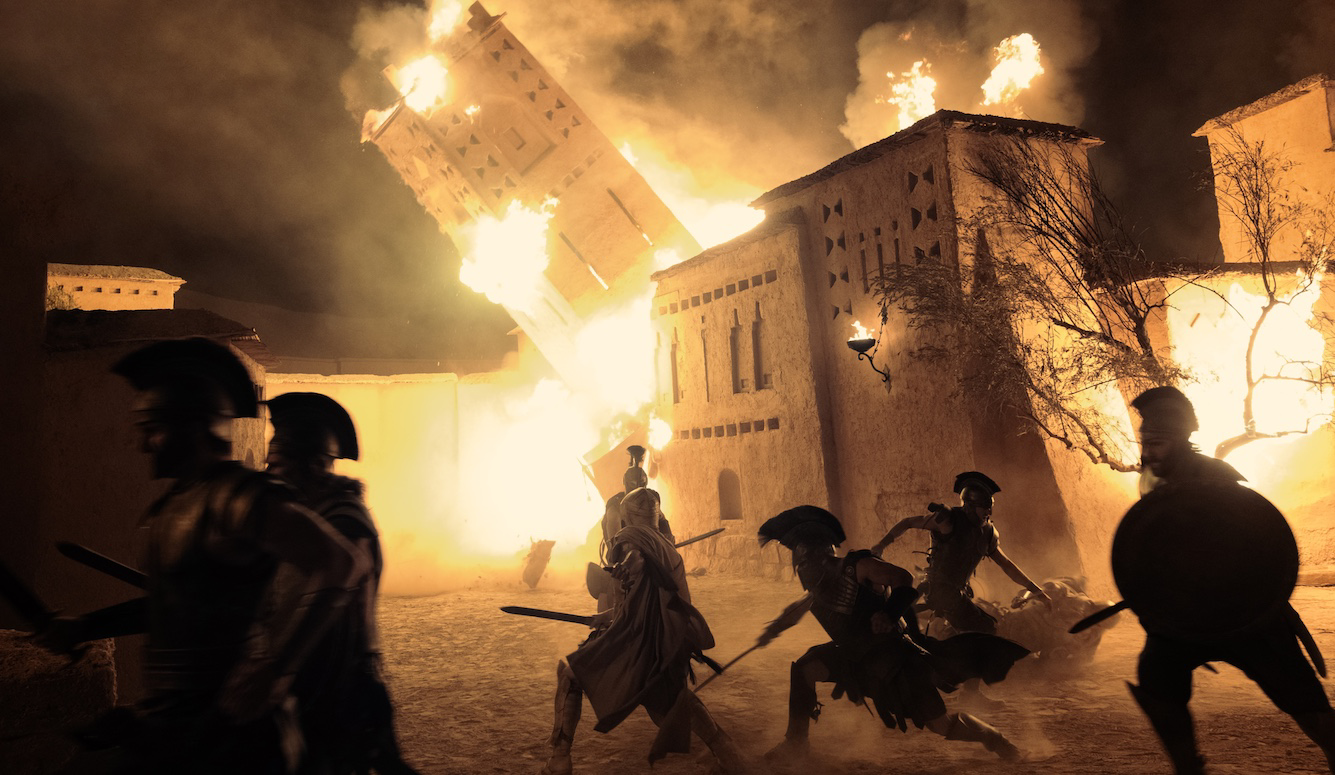
Christopher Nolan’s creation is a big movie in every technical sense. But inside, it is diminished and faded: heroes who aren’t allowed to be heroes and gods who aren’t allowed to be gods.

Men are quietly leaving the workforce—not for lack of jobs, but for lack of purpose.
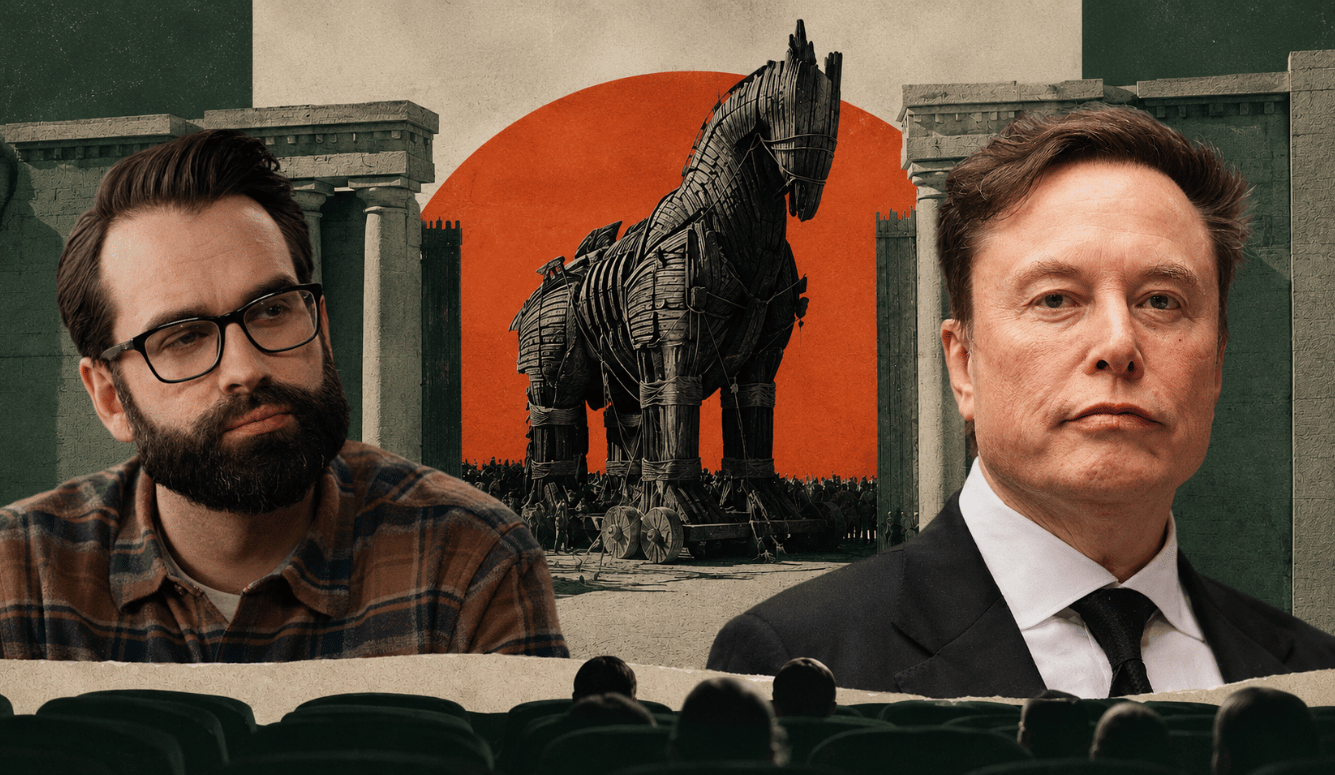
The Grift Industrial Complex targeted Christopher Nolan’s The Odyssey—and got buried.
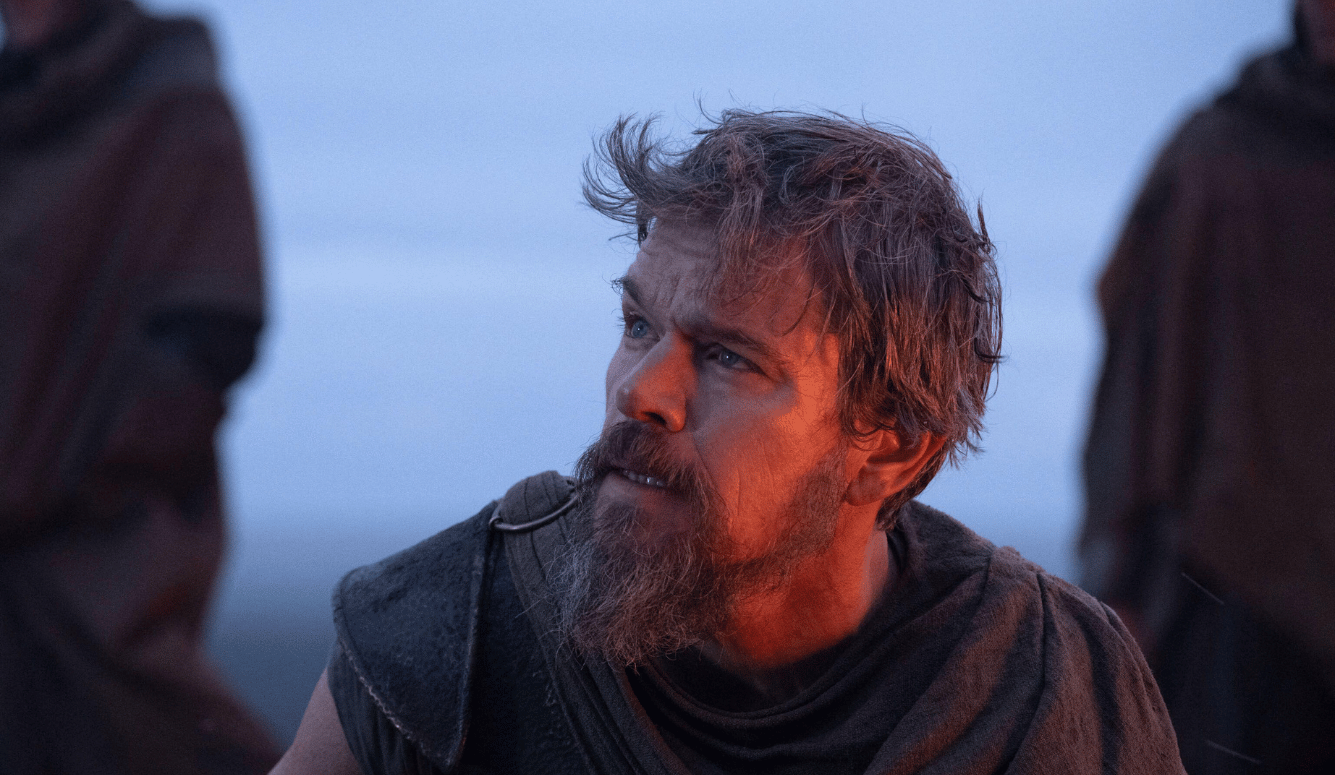
Christopher Nolan's Odyssey, shot entirely on IMAX cameras, is the newest chapter in an old story: technological innovation creating new forms of art.

When critics start issuing dictates, they end up excluding broad swathes of art and culture as well as whole areas of human experience.

How the beautiful game convinced the world that boredom is sophistication.

How decades of invisible science produced two cancer breakthroughs.
Thirty years as a high-functioning neurodivergent project manager.