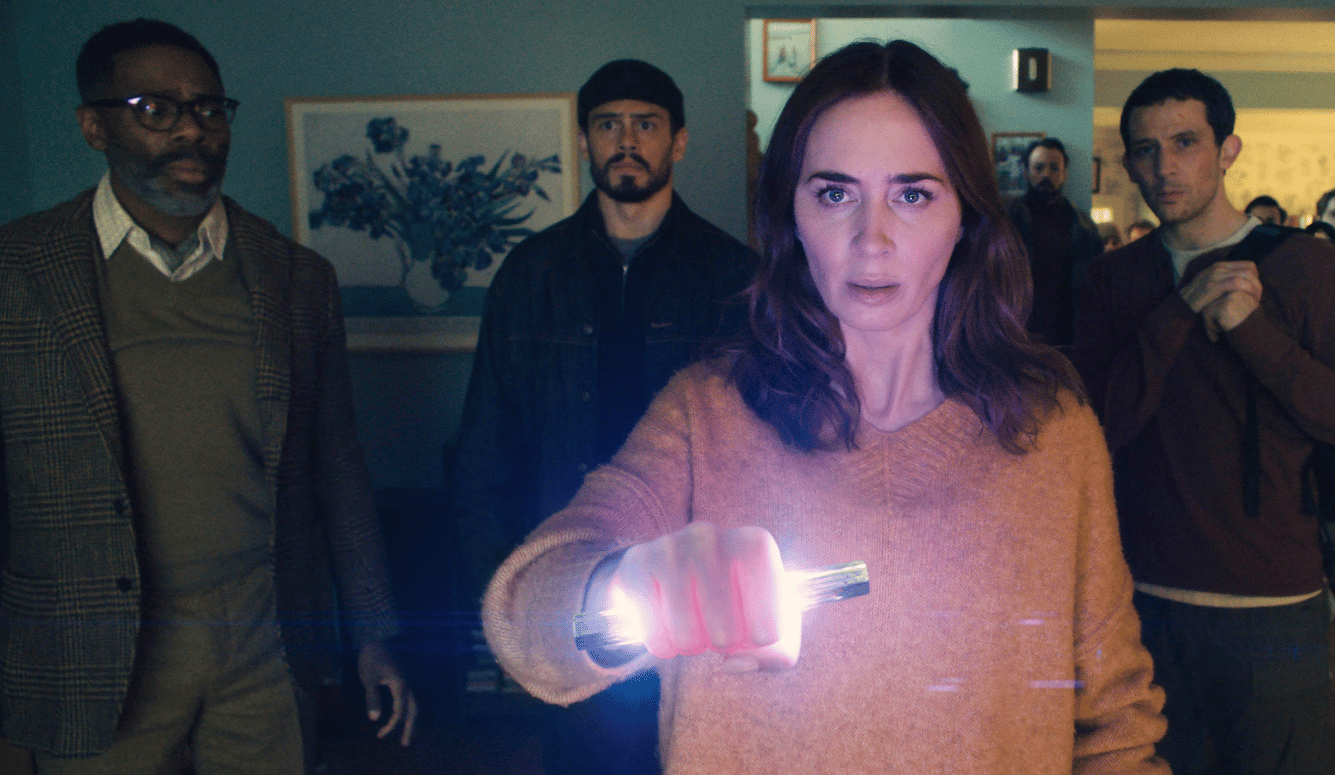
The Truth Does Not Belong to Eight Billion People
Total disclosure, as Spielberg imagines it, is a beautiful thing to watch. It is also a fantasy.
Yaniv Regev
· 6 min read
Total disclosure, as Spielberg imagines it, is a beautiful thing to watch. It is also a fantasy.
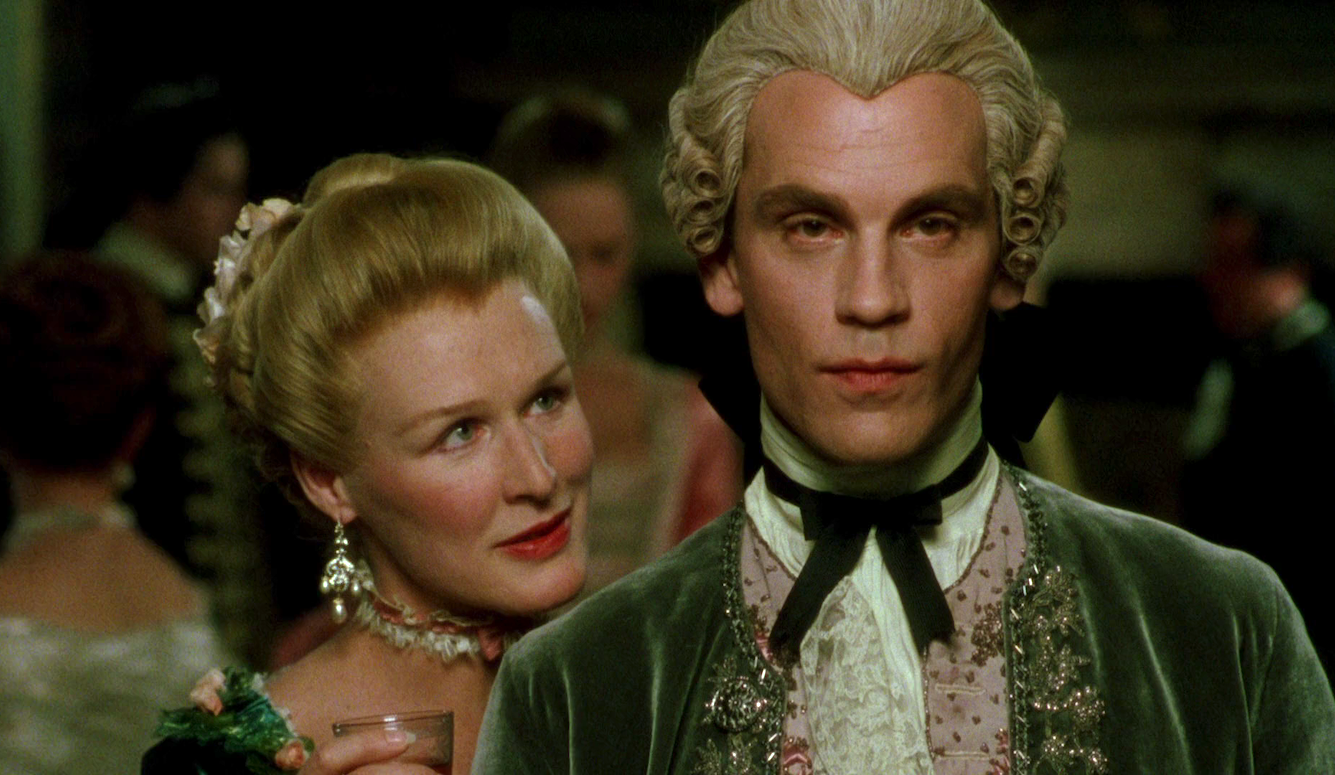
Nearly 250 years on, Laclos’s novel of seduction and treachery continues to scandalise.
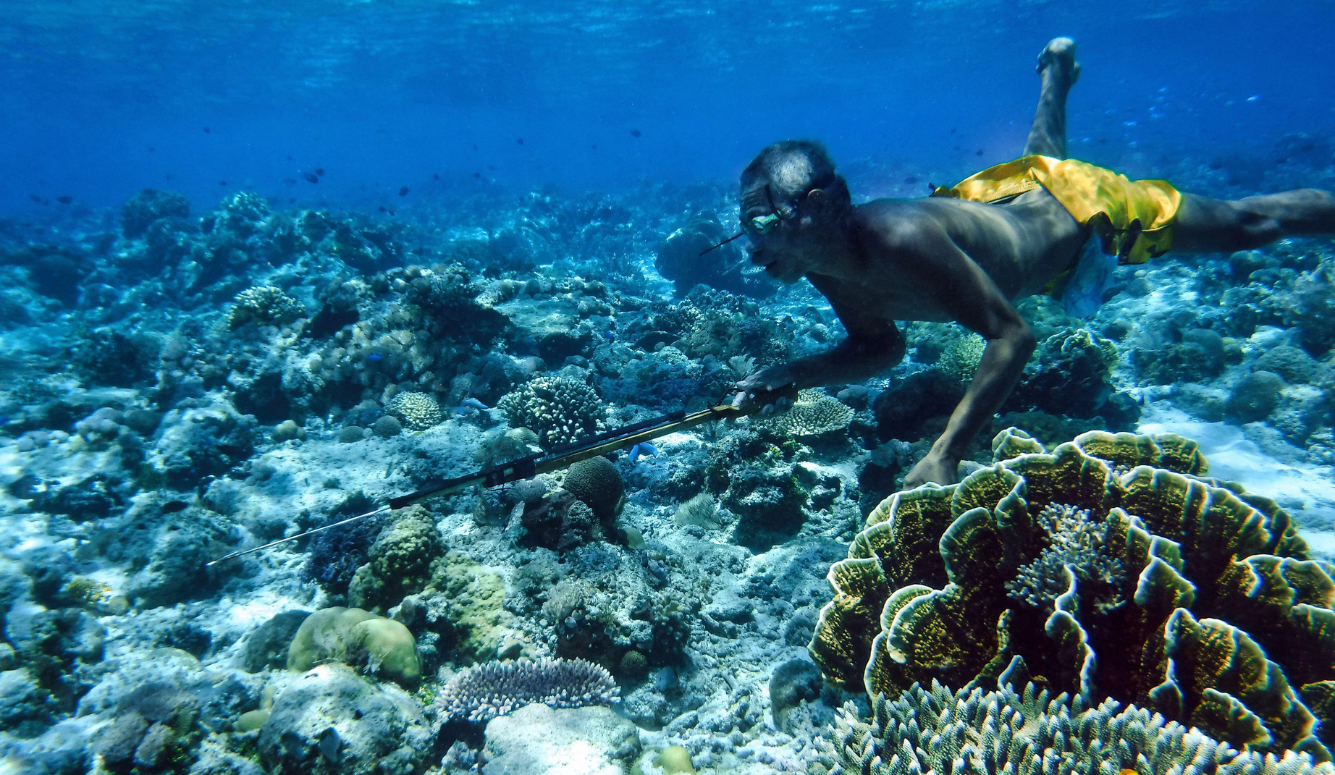
Humans have not merely been shaped by evolution—we have shaped it too, through the environments we chose to inhabit and the lives we chose to lead.

A tribute to David Hockney (1937–2026).
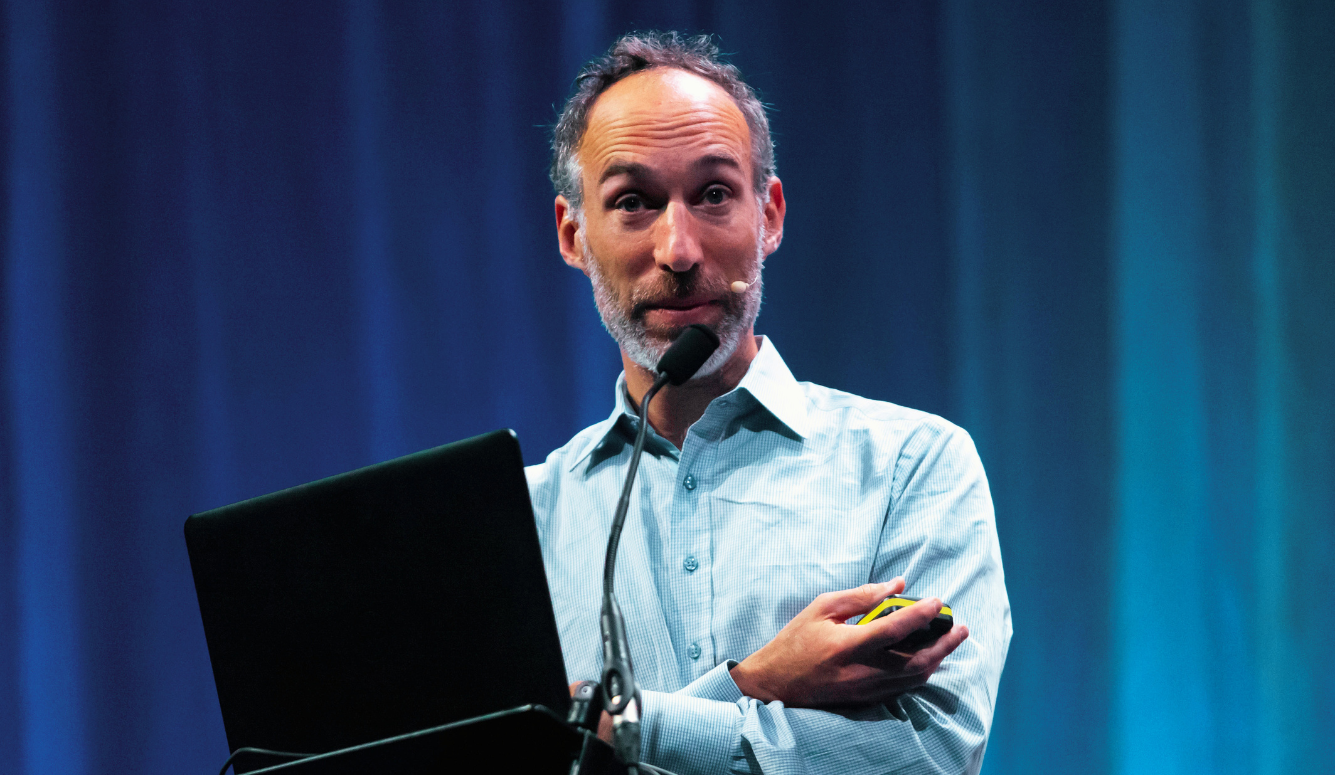
David Reich and the politics of recent human evolution.

The #CancelColbert saga in 2014 established the paradigm for countless hashtag controversies that followed.
What is consciousness for?

Love them or hate them, lists are now firmly established—along with cats and porn—among the apex predators of the modern internet.
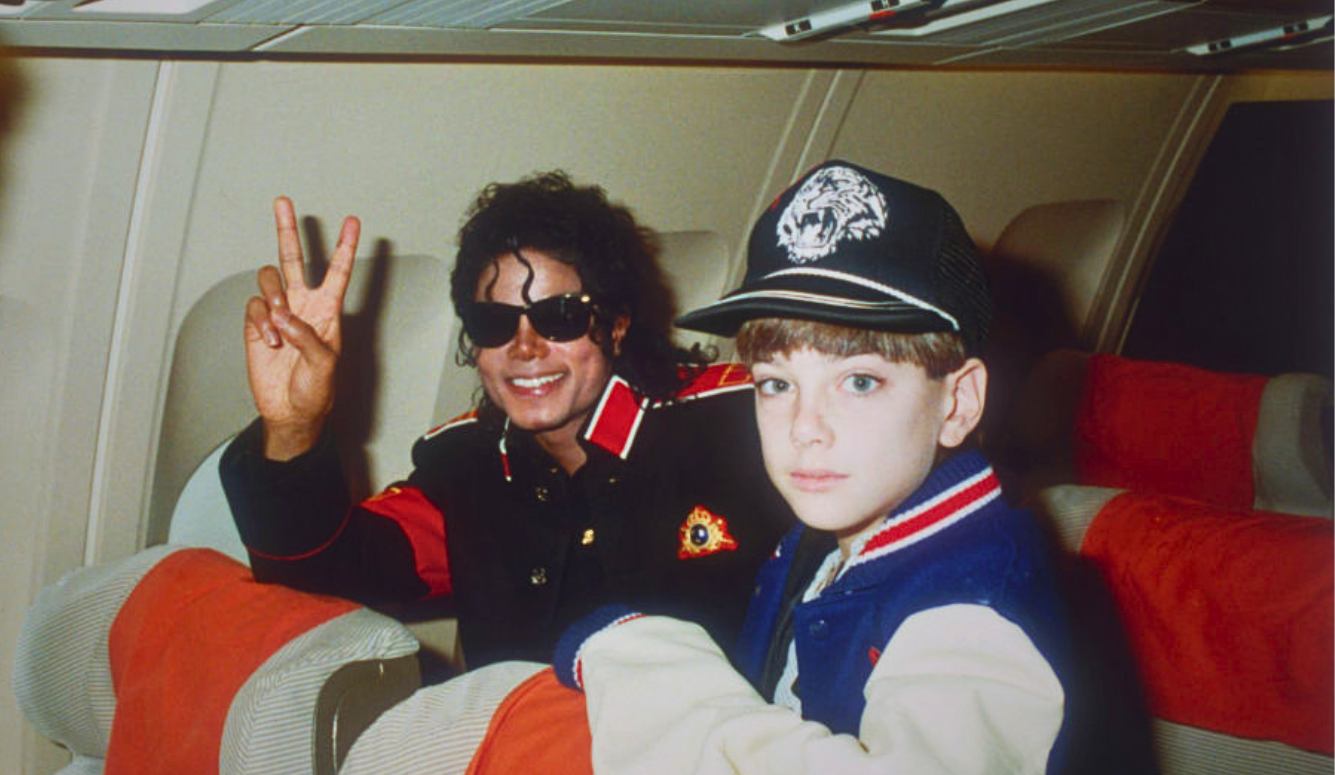
The new Michael Jackson biopic and the campaign to whitewash the King of Pop’s reputation.
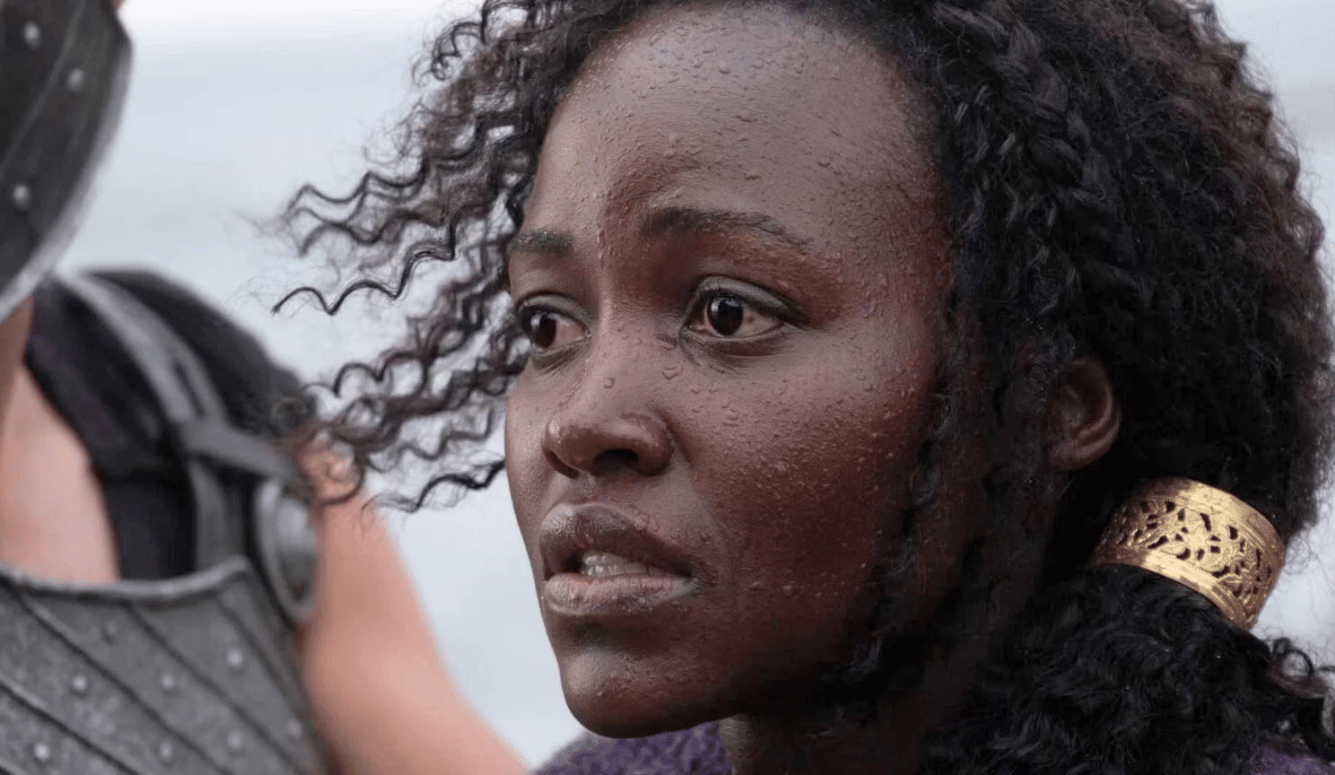
Outrage over a black Helen of Troy misunderstands the long Western tradition of radically reinventing classical myths.
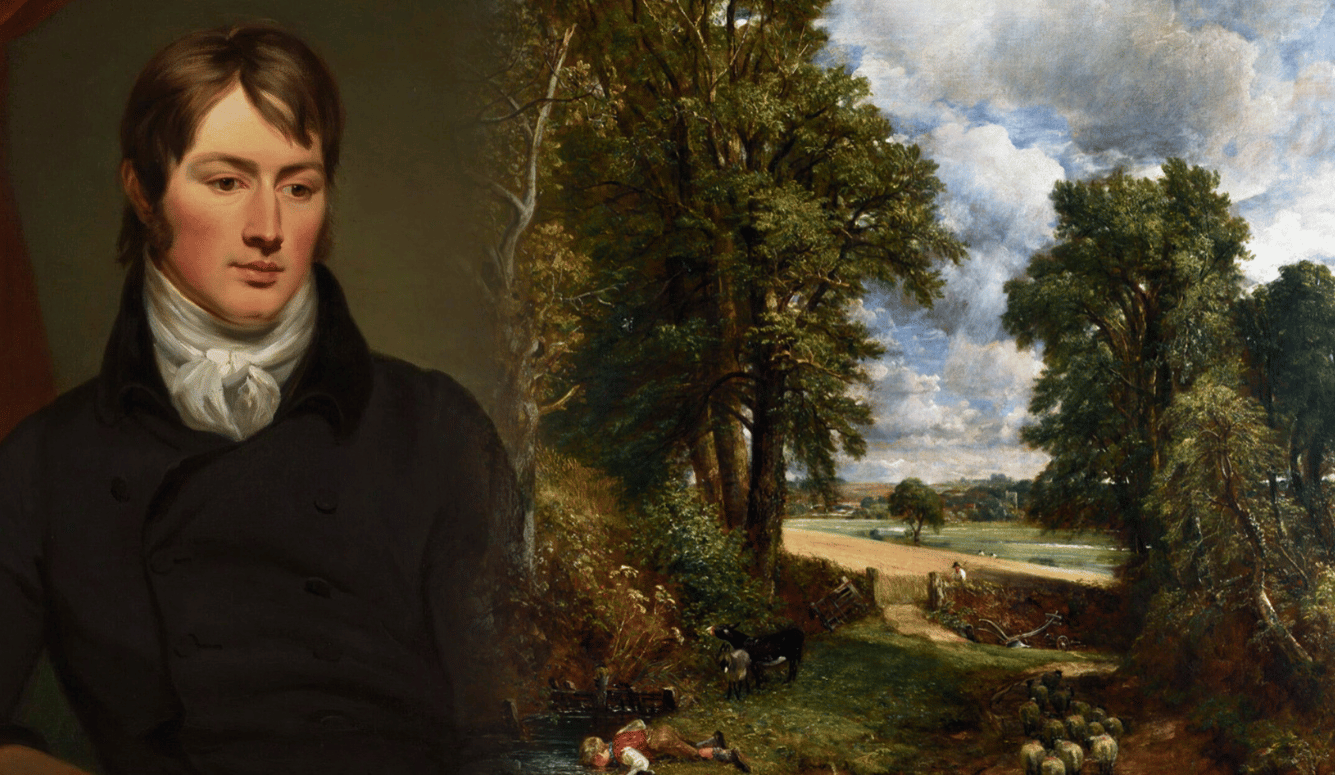
Susan Owens’s handsome new monograph reconsiders the life and career of the English landscape painter John Constable.
Worries about AI doom rarely take Darwinian evolution seriously. A new paper argues we should—but we are still further from that scenario than its authors suggest.

Nathan Schachtman’s indispensable new paper explains how the International Agency for Research on Cancer has misled the public with its classifications of carcinogens.

CBC-funded TV producers using fake names are ambushing Canadians who take a positive view of their country—including an 82-year-old Ontario grandfather who invited the film crew into his home.

The improbable story of rock’s greatest live album.