Wikipedia Turns Twenty
An expansive free encyclopedia is impossible without an army of volunteer writers.
Adam Wakeling
· 9 min read
A collection of 331 posts
An expansive free encyclopedia is impossible without an army of volunteer writers.
The upshot is this: When a topic has moral or ideological implications, people typically have an a priori point of view that they then use as an end point, at least on a subconscious level.

The fallout has been intense and has gripped the professional commentariat.

In American First-Amendment jurisprudence, Brandenburg’s name is now a byword for the test that is used in assessing the validity of laws against inflammatory speech—especially speech that can lead to the sort of hateful mob activity that played out at the US Capitol last Wednesday.

One can still sell people smartwatches, and create “new needs” for people who have already established lives of comfort.
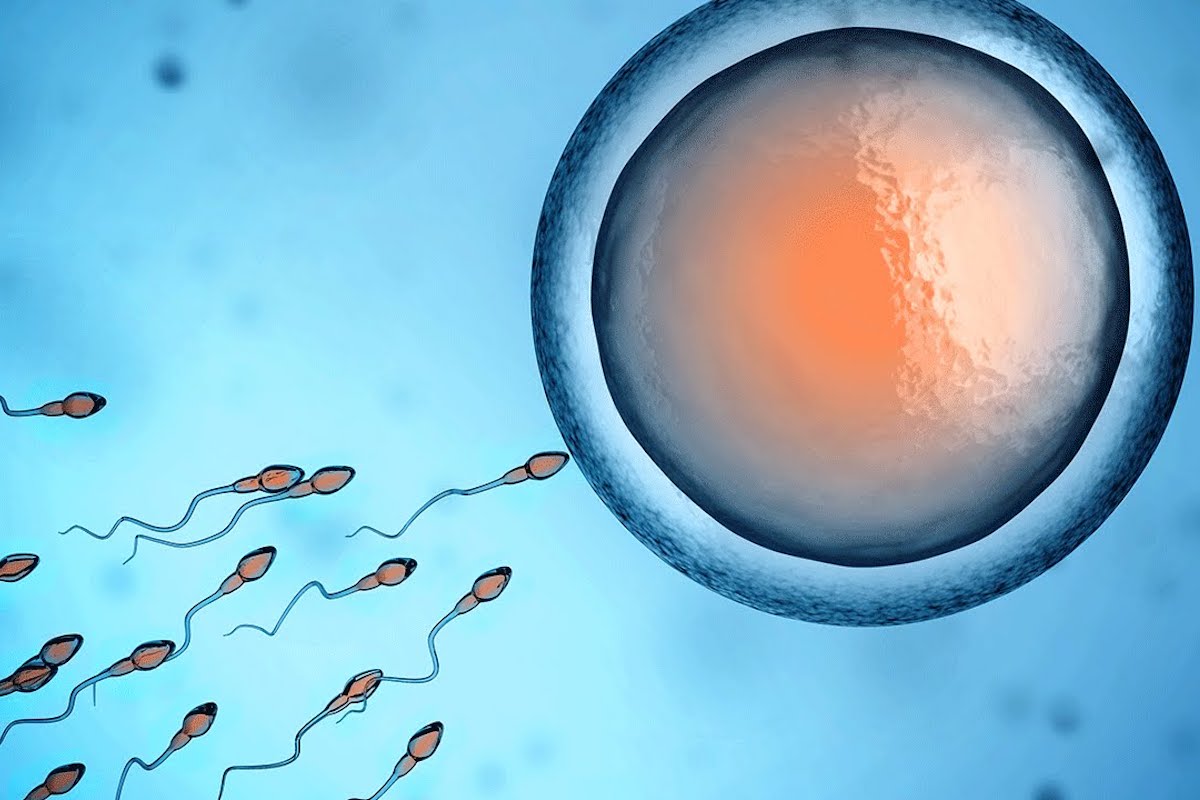
The very idea of “a dichotomous sex-classification system” is dubious, the authors believe.
But painting the world as a struggle between victims and oppressors leaves little room for a careful discussion of costs and benefits, the unforeseen consequences of intervention, and potential government failure.
Tech companies are not equipped to rule on messy and complex disputes over truth.

The time to begin planning our response, and designing systems to give humanity a fighting chance, is now.

Contrary to popular opinion, alternative medicine is not always harmless, and when patients use it instead of conventional medical treatment, it can even be deadly.

No scientific study is perfect and AlShebli et al.’s is certainly no exception.

The Enlightenment was well-named because it led to a greater understanding of ourselves, our society, and our environment, and was accompanied by the rise of the scientific method.

What is unique about our time is not “the awful spectacle of men dying like sheep,” as Thucydides put it, but the success of scientists in bringing many such spectacles to an end.

It is a sign that the end of the global pandemic may—may—soon be in sight.

Dogs are the only domestic species who have been with us since the Pleistocene, which ended 11,500 years ago.