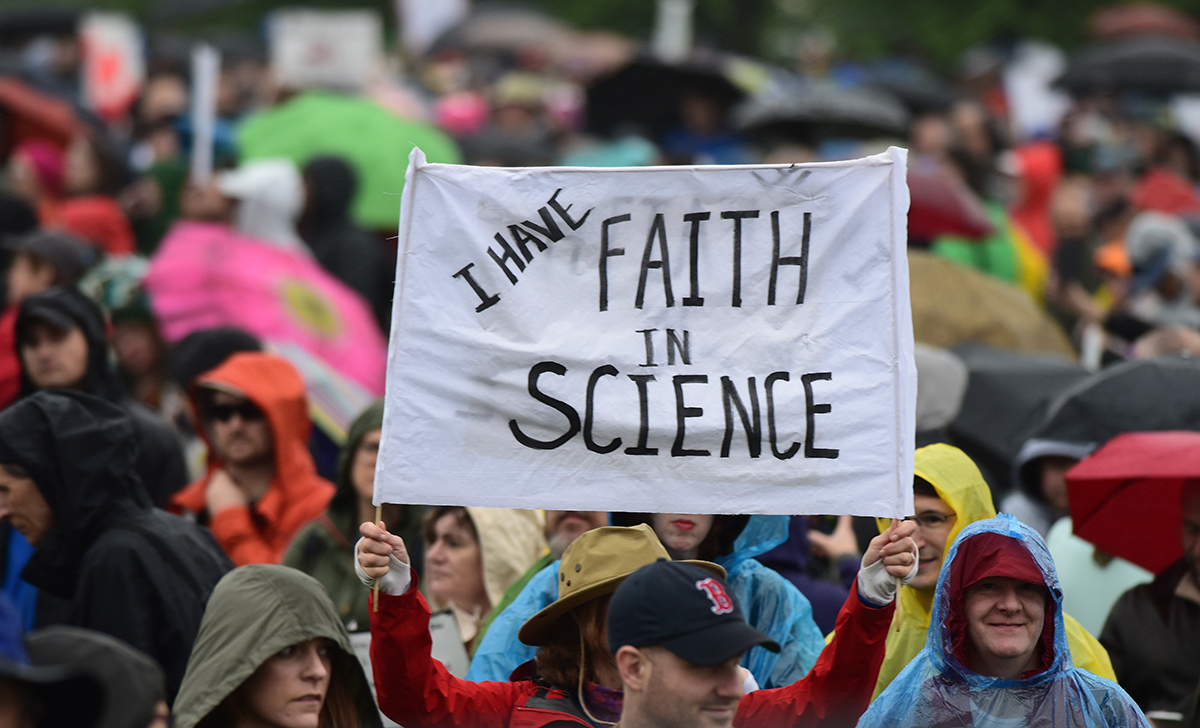
Secular Humanism is Not a Religion
Staddon makes an oddly tendentious argument for the religious character of secular humanism.
Jerry A. Coyne
· 9 min read
A collection of 98 posts
Staddon makes an oddly tendentious argument for the religious character of secular humanism.
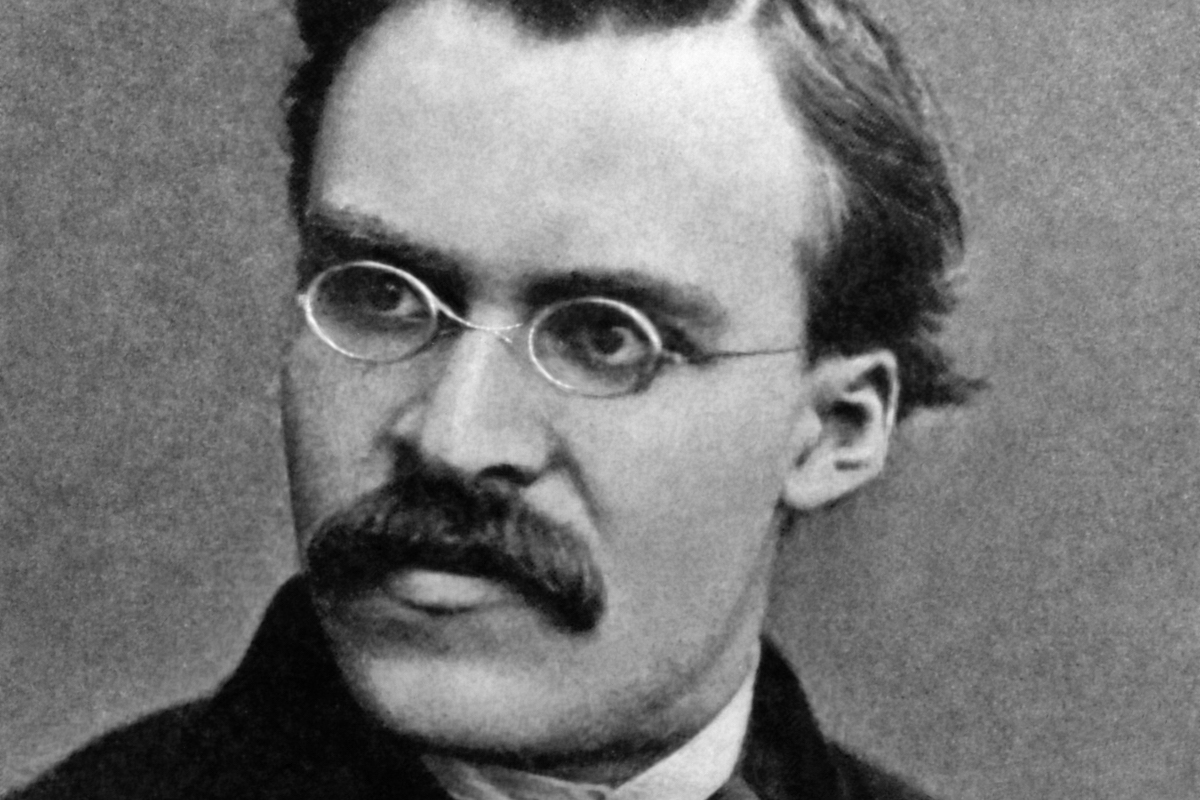
My sense is that Nietzsche is best understood as a radical individualist; one who insists passionately that our duty in life is to become what we are. But what kind of person is that?

Western States have, over the past 150 years, created bureaucracies without which much of what we all tend to take for granted would not work—or at least during a transitional period of uncertain length, would not work as smoothly and efficiently as we are used to.

This new orthodoxy arrogates to itself divine authority to make truth claims on the basis of consistency with its asserted principles, and these are held to be immune to disproof or falsification by reason or evidence.

Standard gender pronouns are not an honorific or a mark of respect, they are simply an instrument of categorisation that emerged with the evolution of language.

In terms of moral rules, secular humanism is indistinguishable from a religion.
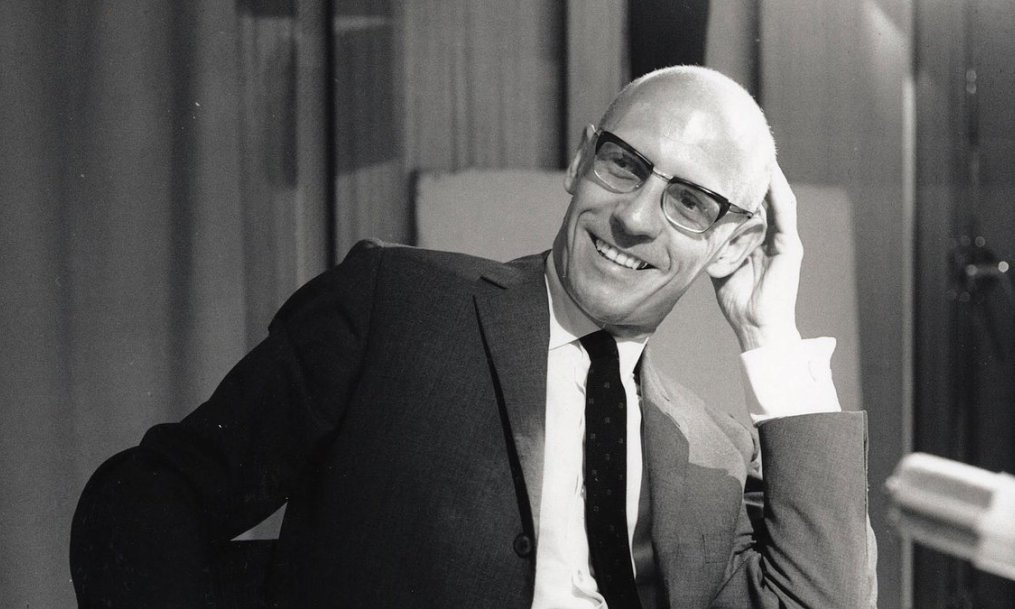
The Foucauldian method, invoking a hermeneutic of suspicion, works by unveiling or demystifying the relations of power that constitute claims to truth.
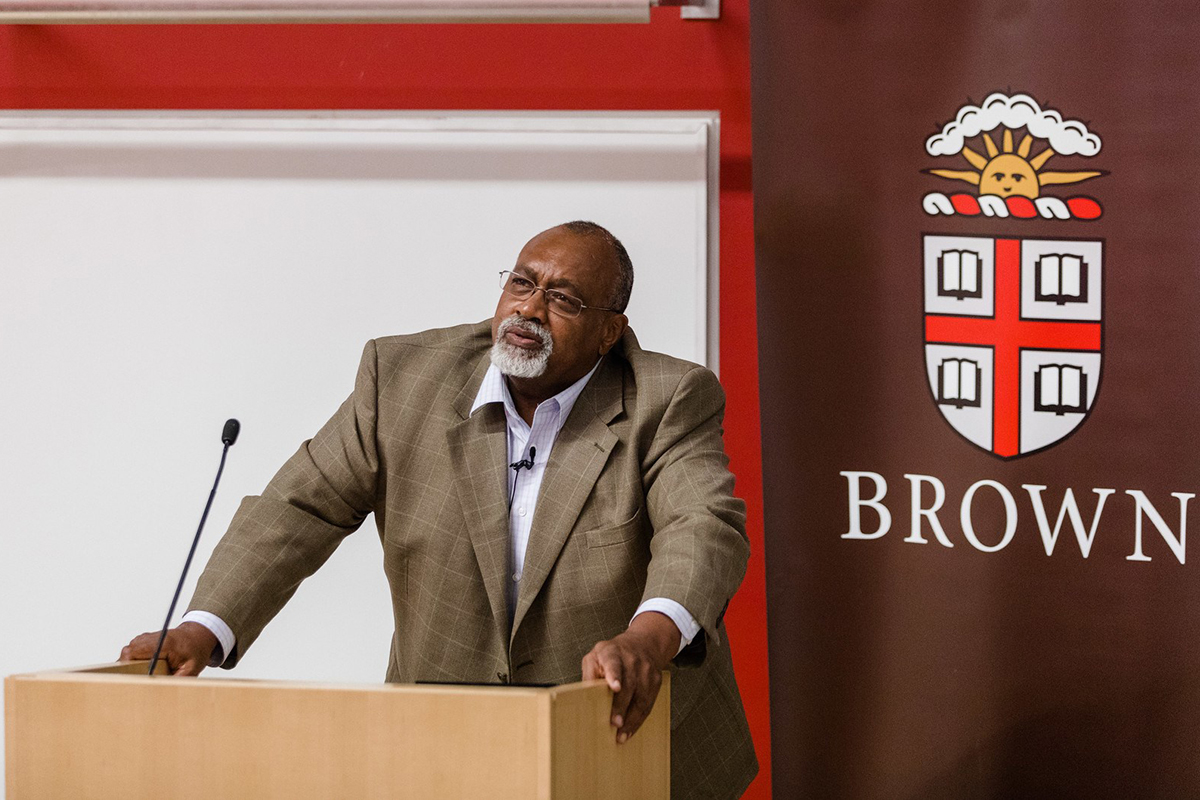
Loury has taught at Brown University for over a decade, an institution where pleas for American patriotism are likely to be summarily dismissed. So why does he insist on making them?
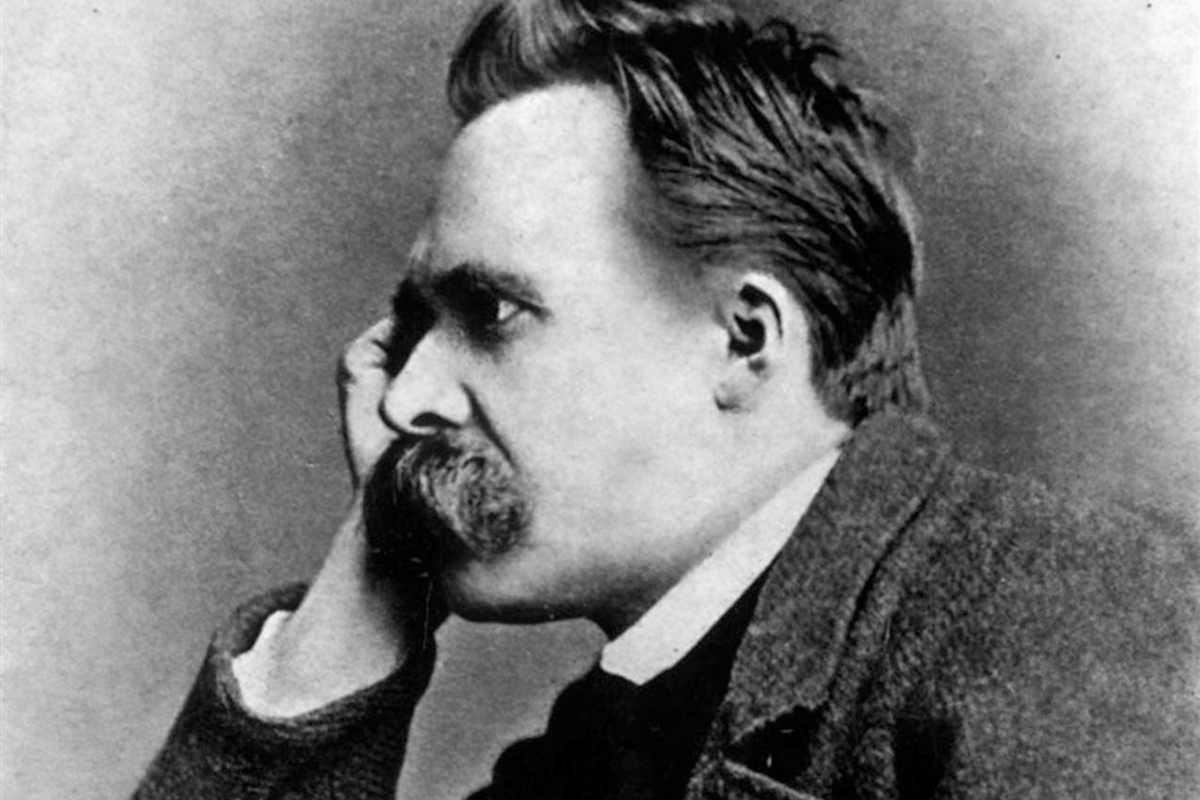
Very few of us can actually deal with too much truth, so we rarely enquire too deeply into the justifications for our beliefs.
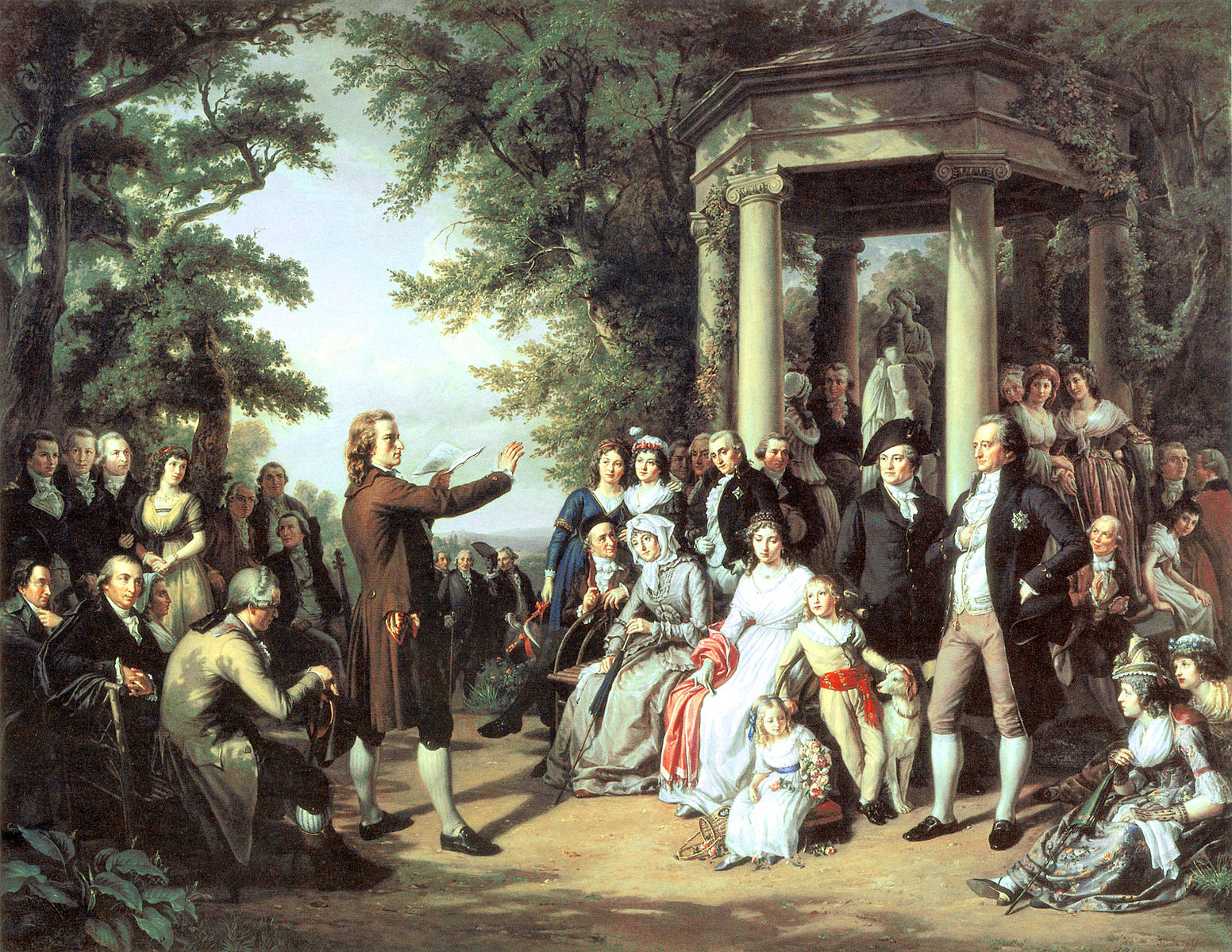
As Thomas Paine wrote, “To argue with someone who has renounced the use of reason is like administering medicine to the dead.”

Brodsky said that when confronted by boredom we should “exact full look at the worst.” He said “When hit by boredom, go for it. Let yourself be crushed by it; submerge, hit bottom.”

There’s nothing wrong with teaching Western Civilization or the Western classics alongside other cultural traditions. At the same time, the way Classics used to be taught is gone for good.

“Every human being worships something,” we’re told, whether it’s the movement of the planets, alien civilizations, a political cause, science, or even reason.
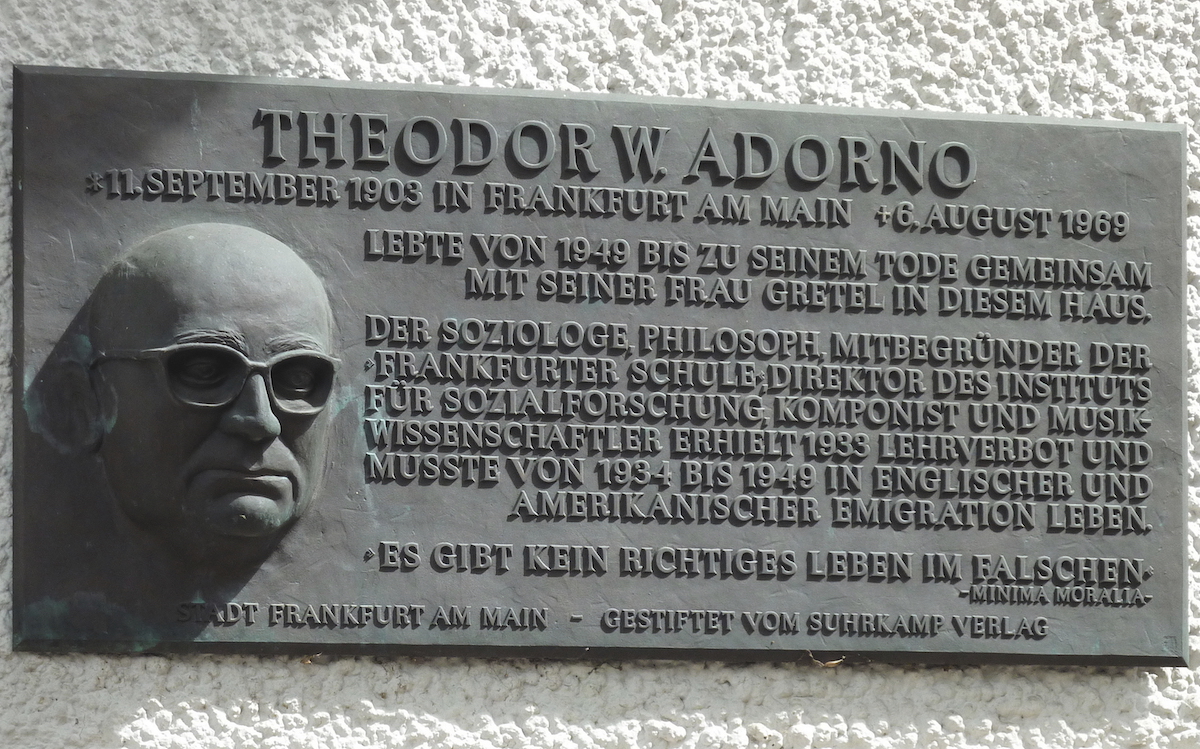
The claim that the work of postmodern philosophers is a continuation of Marxism by other means is quite strange, both philosophically and politically.

No human institution can ever secure a definitive interpretation of goodness, and it is usually the ones that claim to have done so that betray their own purpose.