
Is Liberal Immigration Anti-Democratic?—A Reply to Gadi Taub
Immigration restrictions, like tariffs and other restrictions on trade, affect the activities of citizens above all.
Sam Kiss
· 12 min read
A collection of 236 posts
Immigration restrictions, like tariffs and other restrictions on trade, affect the activities of citizens above all.

Like any significant historical event, this gender revolution has multiple causes.
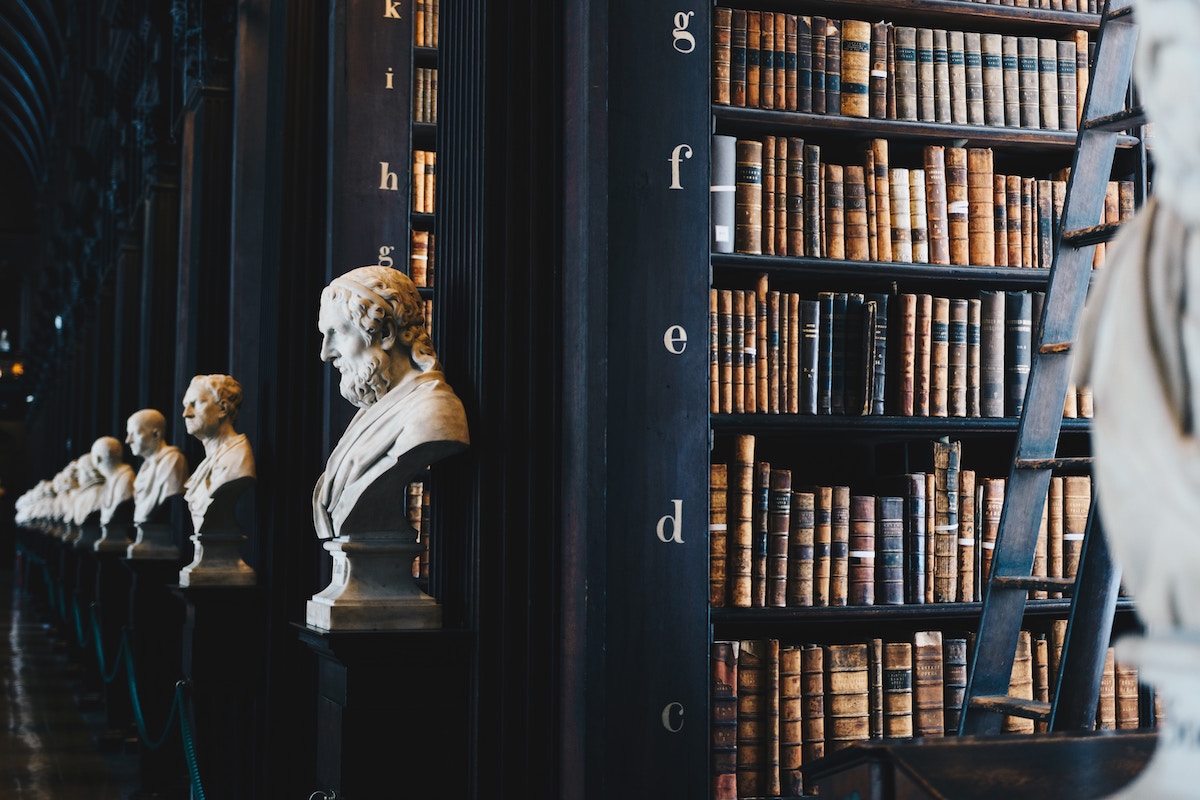
Clearly it is possible to do politics in philosophy without doing political philosophy.

It makes no more sense to believe in a numinous “will” that subverts the laws of physics than to accept a god for which there’s no evidence. Any reforms of society should begin by accepting the unalterable truths of nature.

Listen onSpotify Jonathan Kay talks to Nicholas Christakis, Professor of Social and Natural Science at Yale, about his new book Blueprint and what evolution can teach us about overcoming conflict.

Science is not the only form of knowledge. There are valid non-scientific ways of approaching reality.
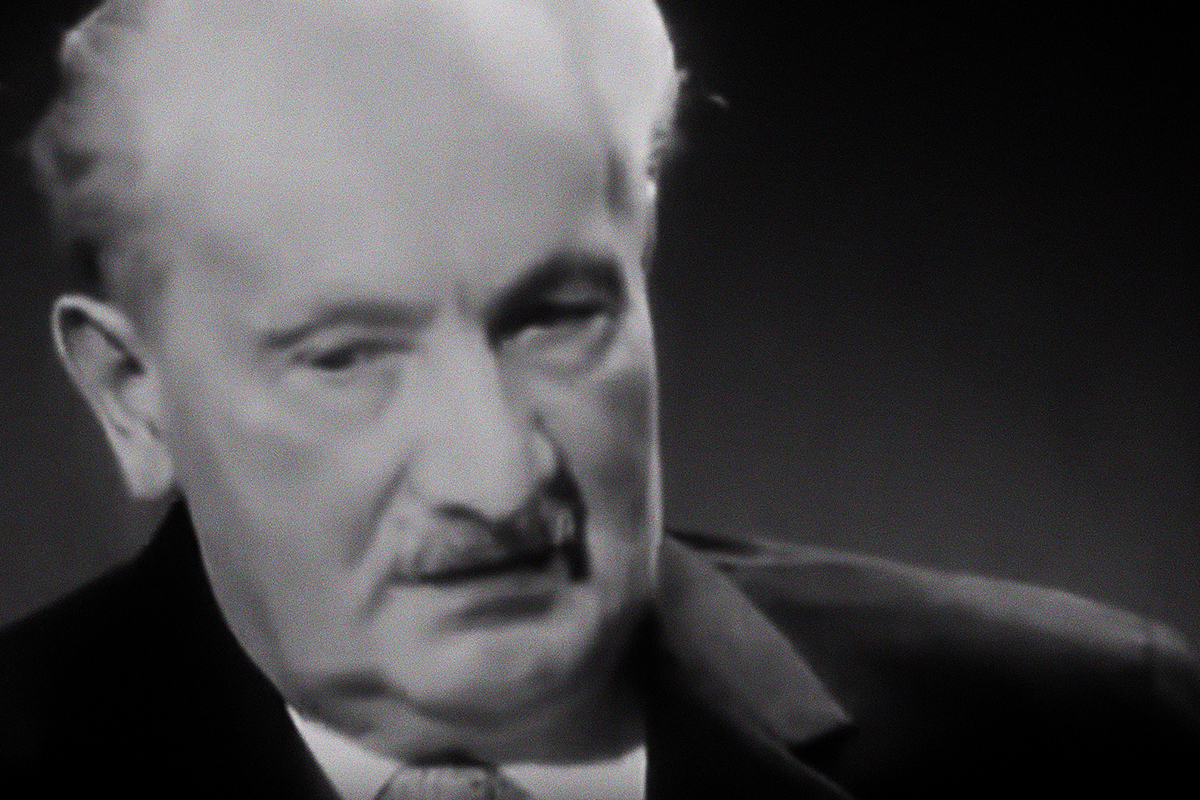
The ascendancy of technical reason and instrumentalization, Heidegger thought, generated highly inauthentic individuals who were unable to live meaningful lives.
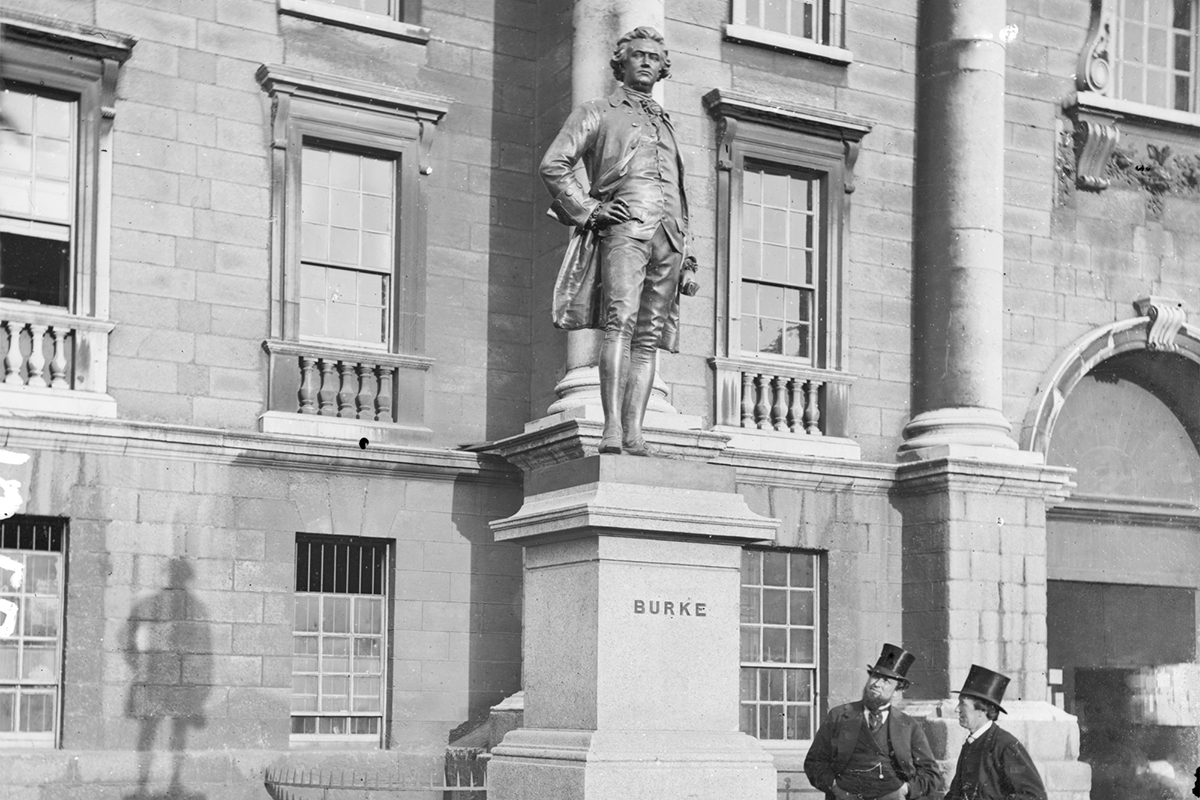
Without a healthy mix of a conservative and liberal center, the poles of left and right are much more likely to tilt toward the extremes.
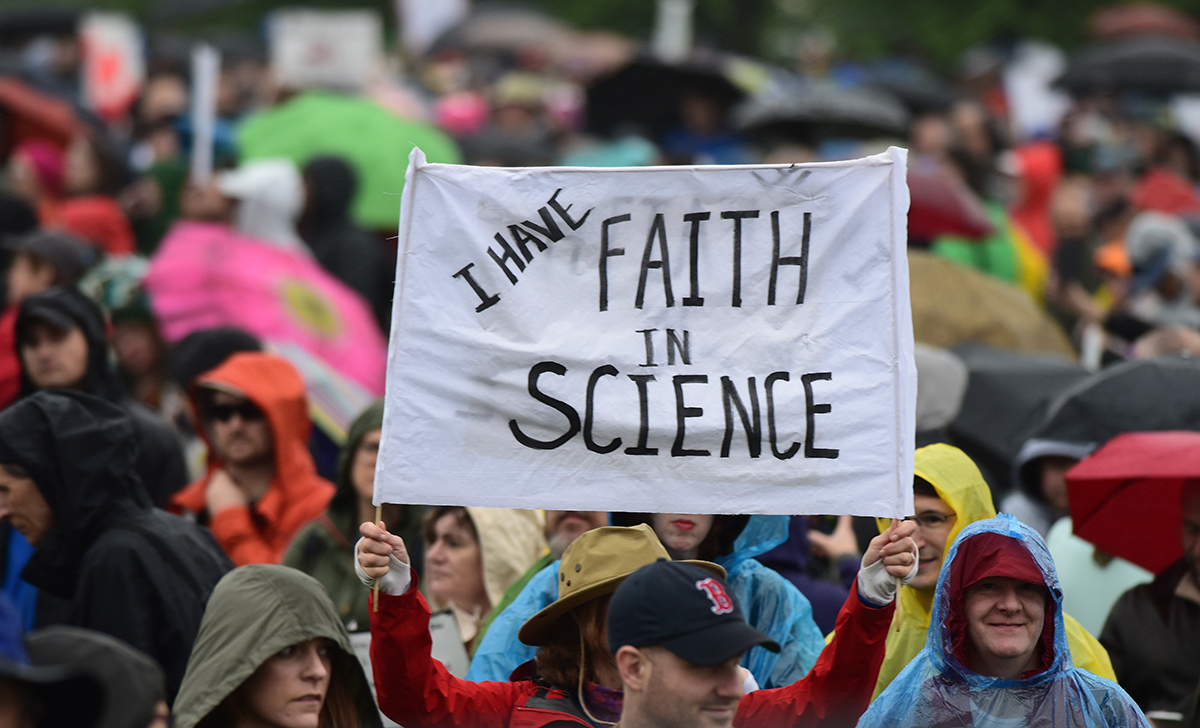
Staddon makes an oddly tendentious argument for the religious character of secular humanism.
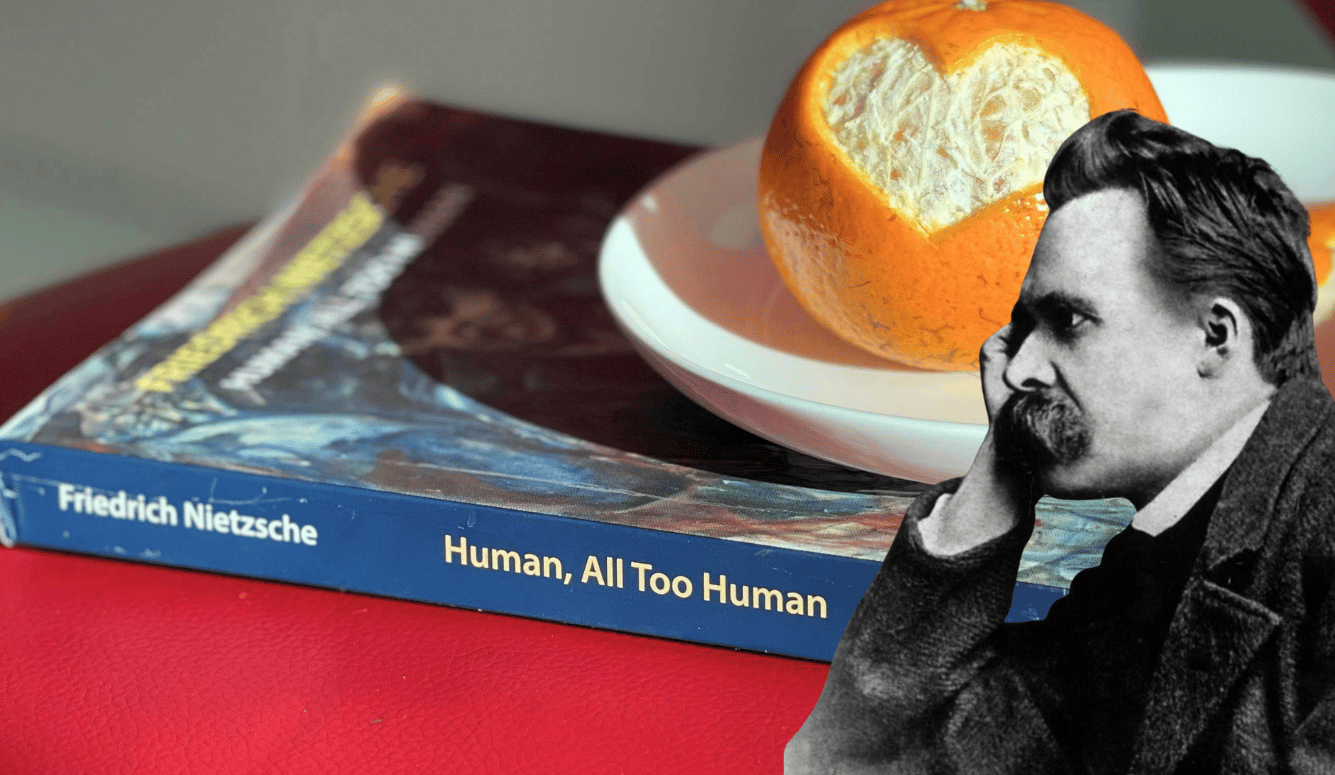
My sense is that Nietzsche is best understood as a radical individualist; one who insists passionately that our duty in life is to become what we are. But what kind of person is that?

Western States have, over the past 150 years, created bureaucracies without which much of what we all tend to take for granted would not work—or at least during a transitional period of uncertain length, would not work as smoothly and efficiently as we are used to.

This new orthodoxy arrogates to itself divine authority to make truth claims on the basis of consistency with its asserted principles, and these are held to be immune to disproof or falsification by reason or evidence.

Standard gender pronouns are not an honorific or a mark of respect, they are simply an instrument of categorisation that emerged with the evolution of language.

In terms of moral rules, secular humanism is indistinguishable from a religion.

The Foucauldian method, invoking a hermeneutic of suspicion, works by unveiling or demystifying the relations of power that constitute claims to truth.