We Can Revisit (And Even Replace) the Classic Books We Teach Children—Without Cancelling Them


And it turns out that she was, because despite the best efforts of her critics, she hasn’t yet been truly cancelled.
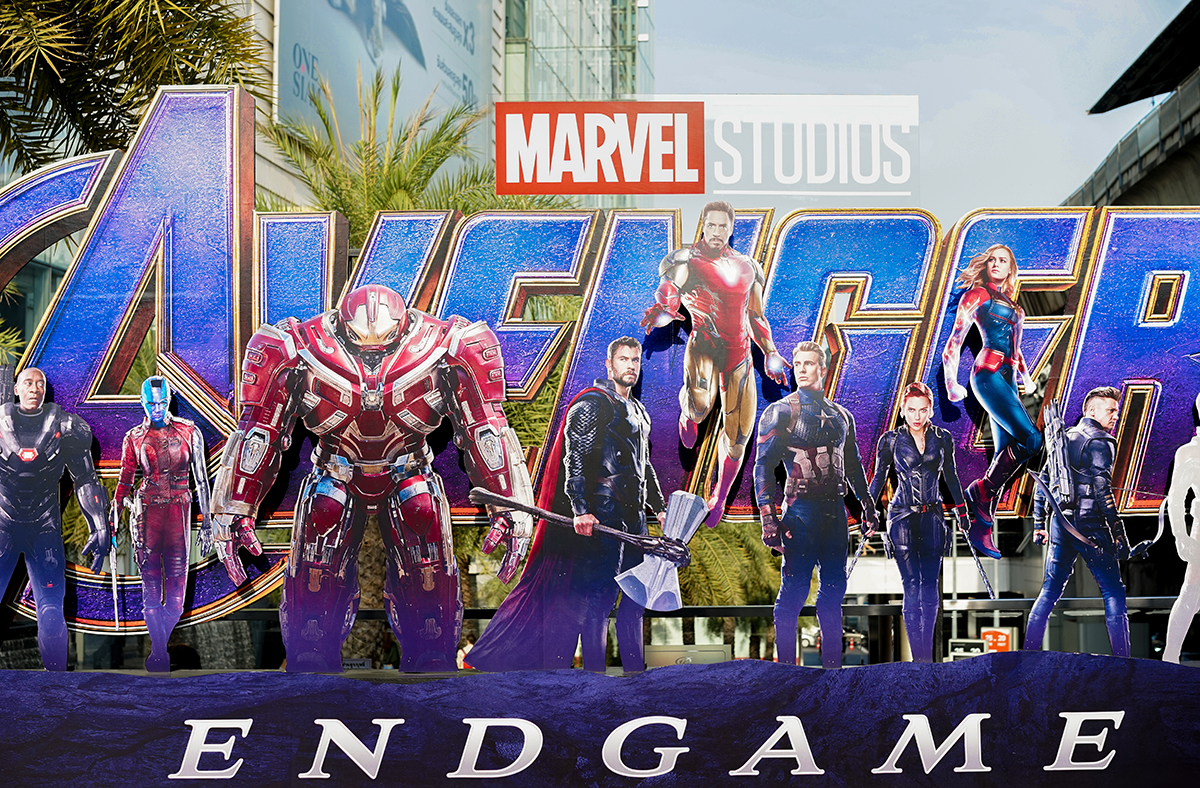
If you haven’t seen Endgame yet—or if you take comfort in the delusion that Marvel is “woke”—stop reading now.
Nineteen-Eighty Four, whose first publication took place 70 years ago today, is itself a sort of anti-novel, one that undermines its own dramatic tension in a way that might now be described as postmodern.
An even moderately careful reading of Lolita should make it quite clear that it’s anything but a “celebration” of child rape.
If sensitivity readers become a publishing institution, they will only incentivize more cautious, conservative, and ideologically homogenous books.
Houellebecq depicts a Europe where French culture is a bad joke.
Orwell warned that liberty of thought—and literature with it—is endangered when writers in free countries adopt a “totalitarian outlook.”
Drama in the sci-fi/fantasy fandom may not be of great consequence for larger society (though the politicization of culture is a real and spreading problem).
Abdou responded to the advice she got by writing a different kind of book altogether. “These were big edits,” she says. “I now had a ghost story without a ghost.”