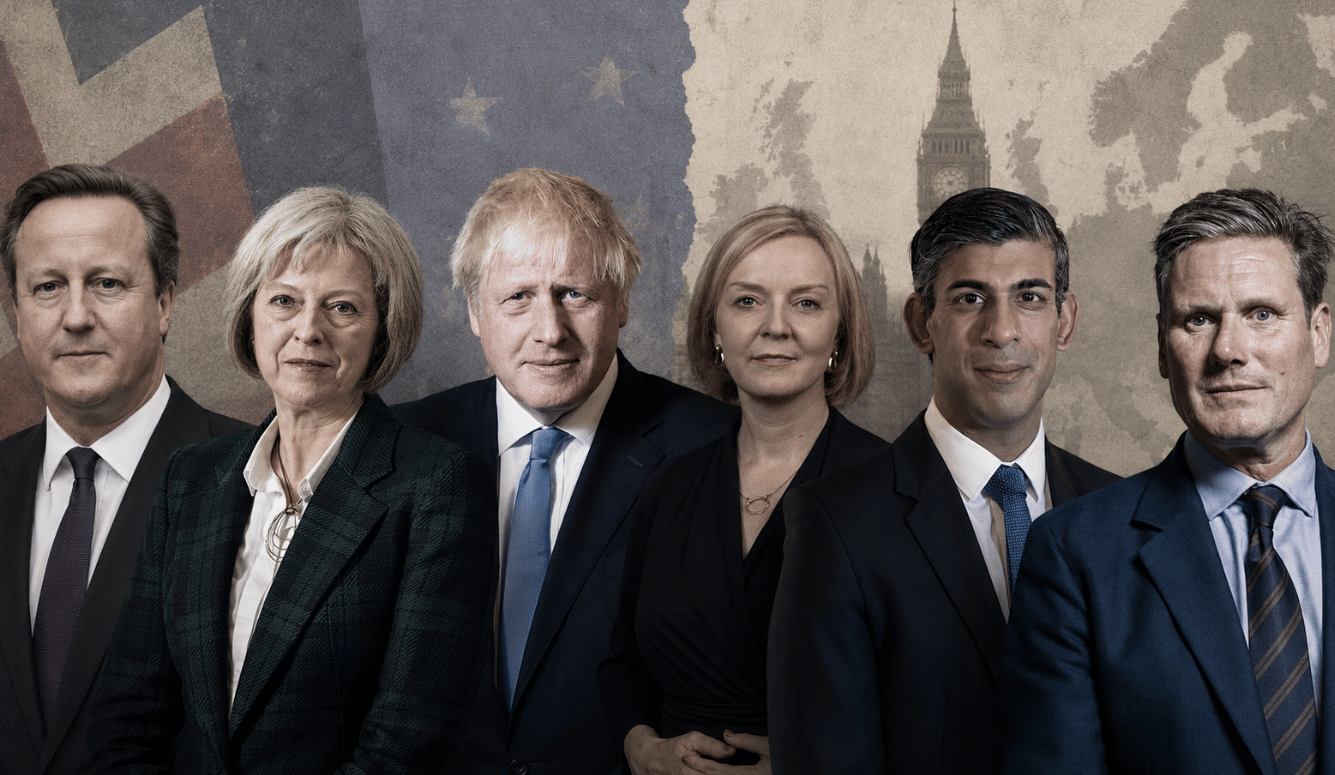
How Brexit Made Britain European
Keir Starmer is just the latest victim of a political reality created by Brexit—one that has, counterintuitively, turned Britain into a European country.
Luke Hallam
· 5 min read
A collection of 13 posts
Keir Starmer is just the latest victim of a political reality created by Brexit—one that has, counterintuitively, turned Britain into a European country.
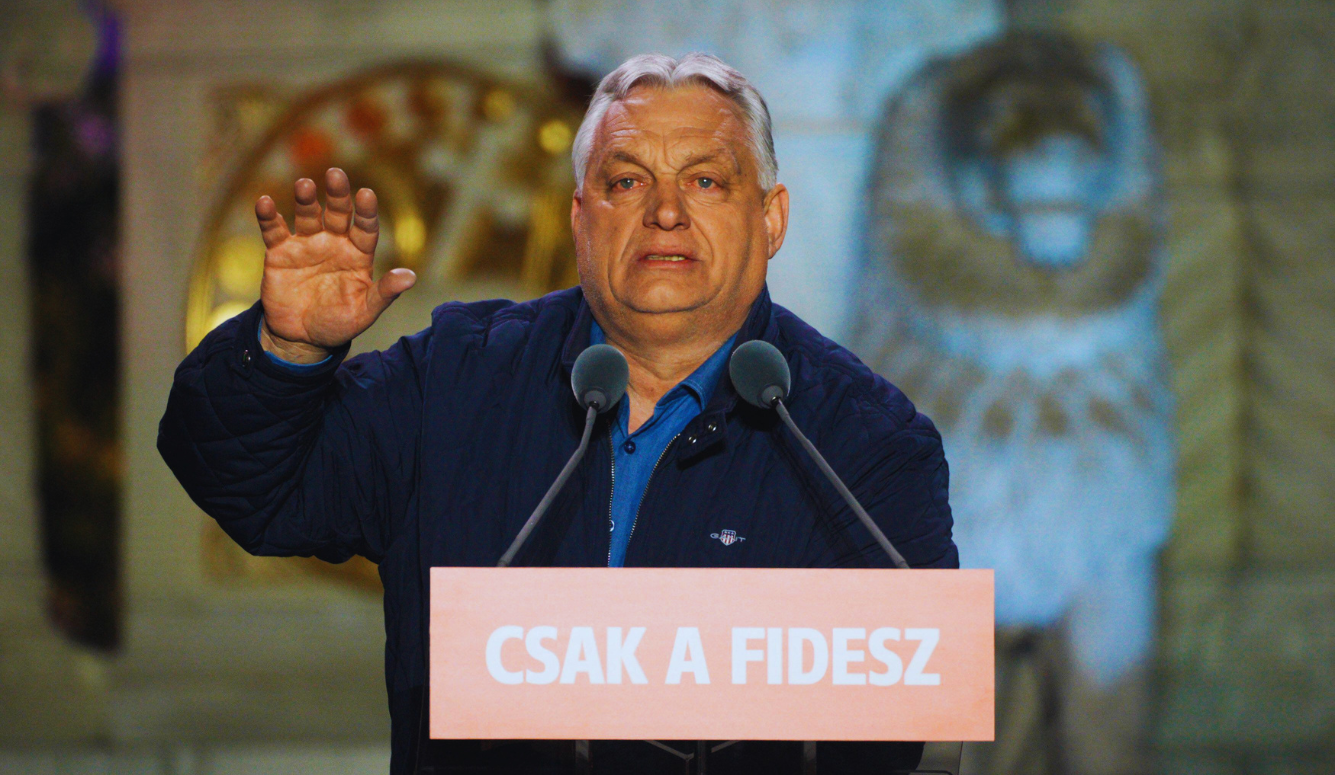
Orbán’s defeat should scare the hell out of populist authoritarians.
The German state has been generous to its beneficiaries—but that largesse is becoming increasingly unsustainable.
Trump’s threat to annex Greenland has revealed the shakiness of America’s commitment to NATO. Europe urgently needs to create its own alternative.
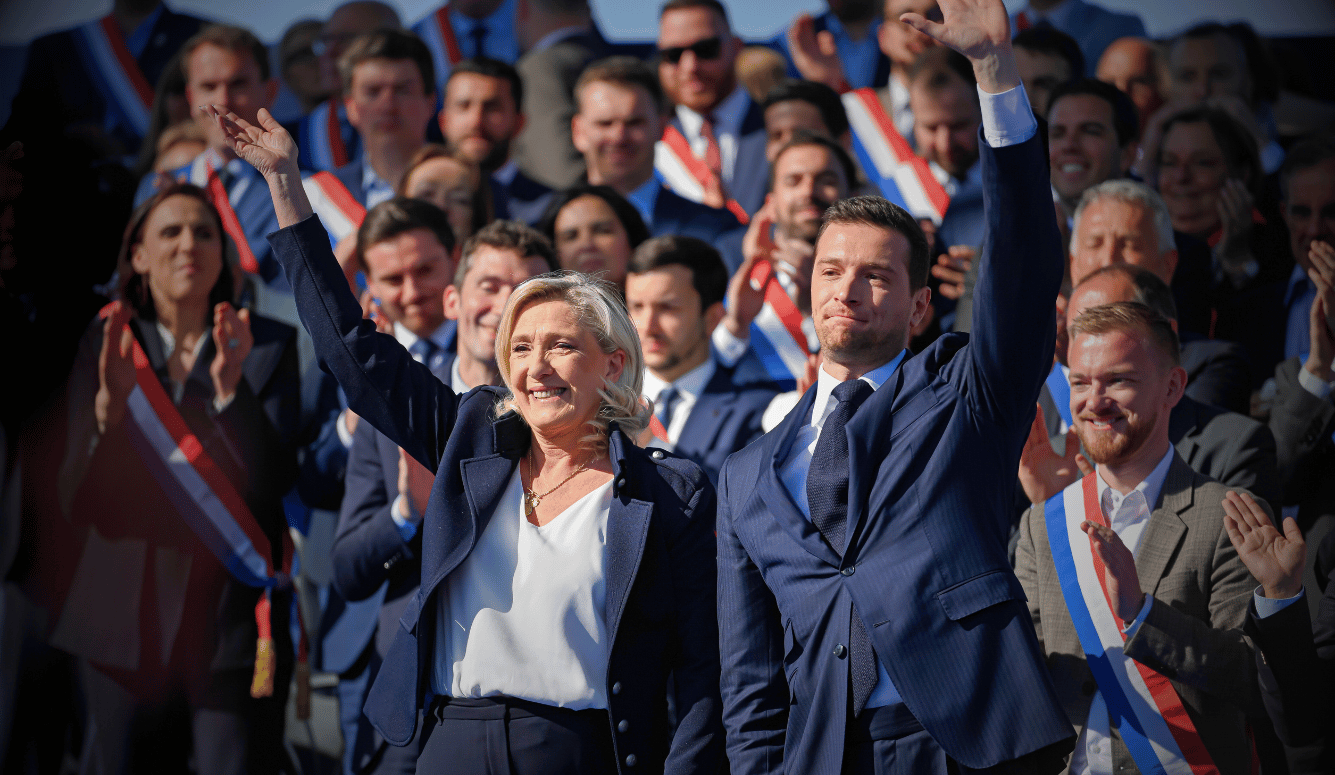
As the nationalist parties of the New Right gain ever greater influence in Europe, the future of the European Union is looking increasingly precarious.
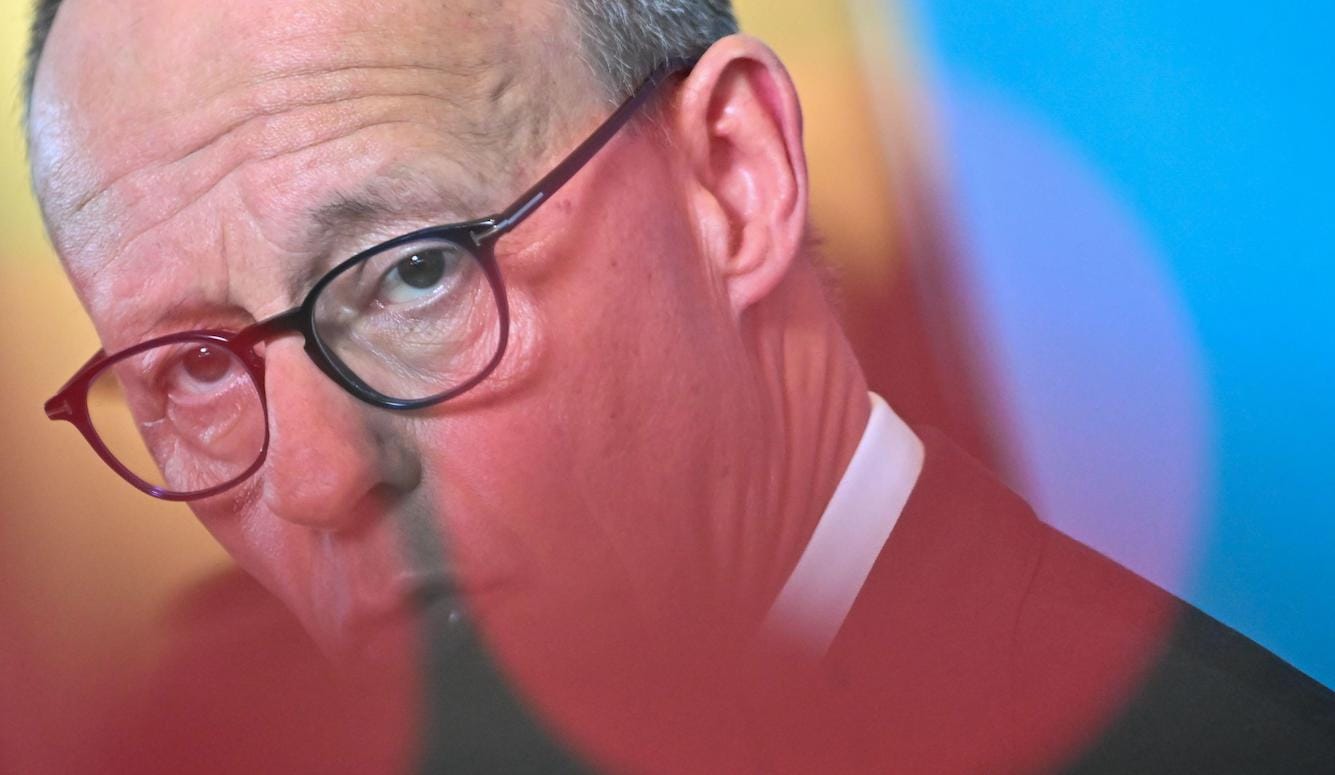
Friedrich Merz must take the concerns of ordinary citizens seriously—particularly on immigration and Islam. He must prove that such concerns can be addressed without veering into extremism.
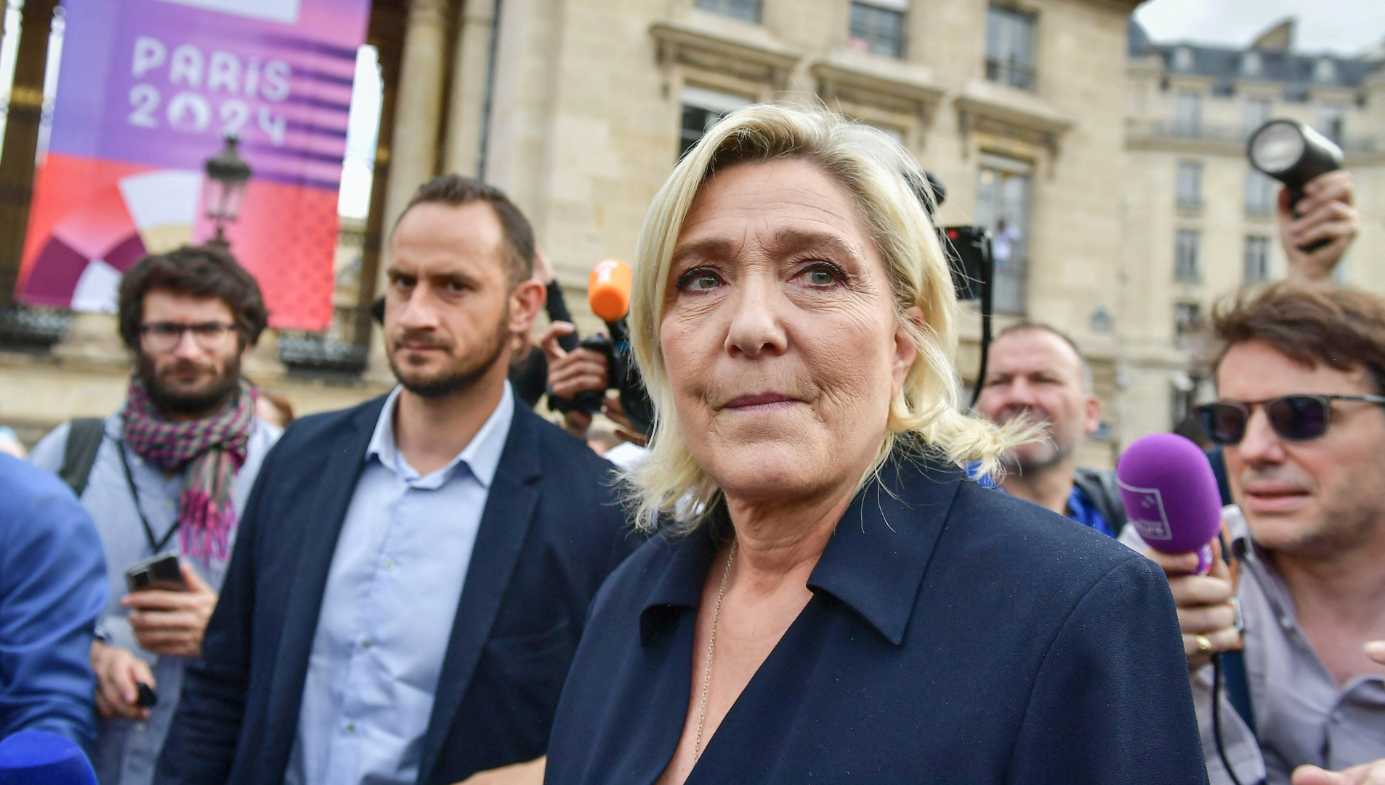
The Rassemblement National was thwarted by a coalition of convenience, but it remains the party with the largest grip on French voters.
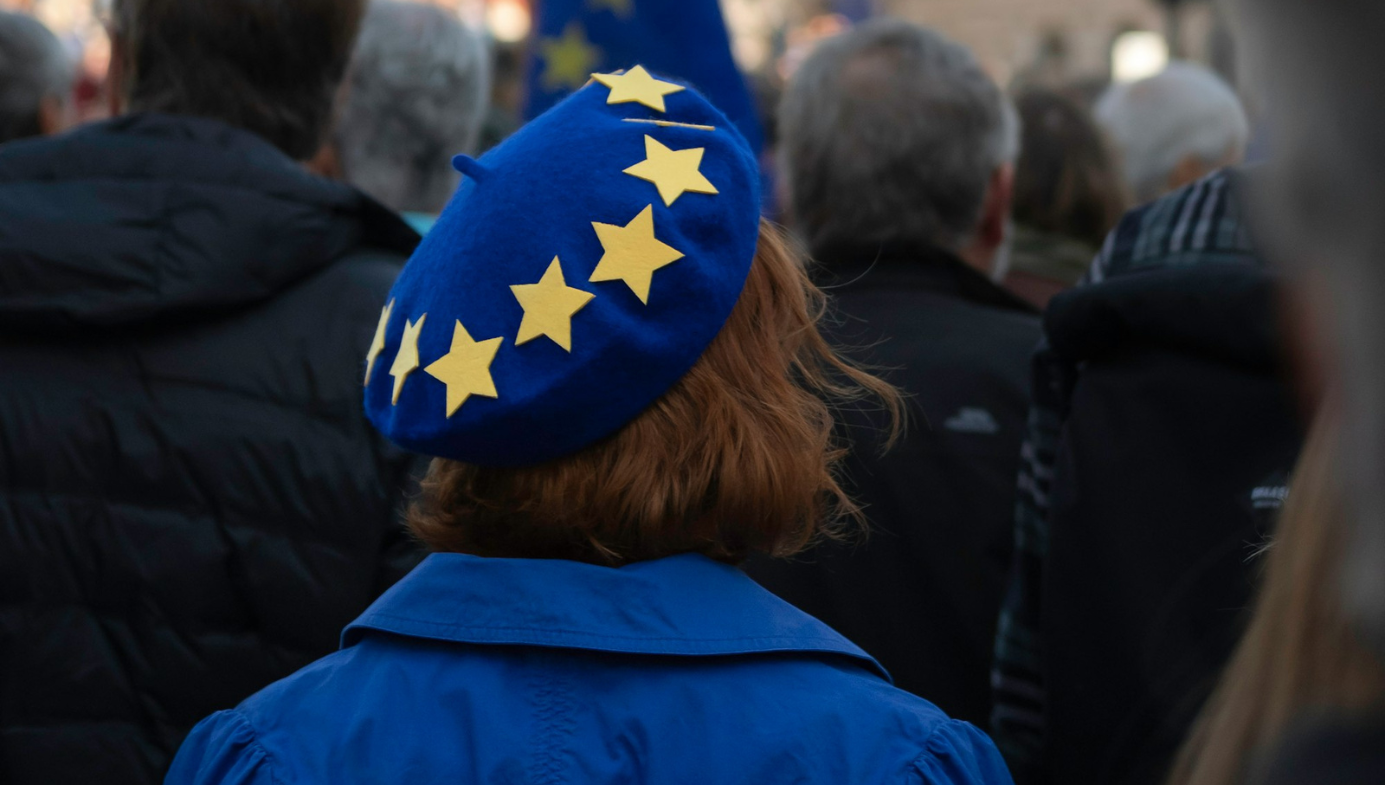
The European Union has been overwhelmingly successful in achieving its primary mission: guaranteeing peace.
The abuses must be tackled, yet the new government must choose its remedies with care.

Greek Prime Minister Kyriakos Mitsotakis tweeted on Sunday. “The borders of Greece are the external borders of Europe. We will protect them.”
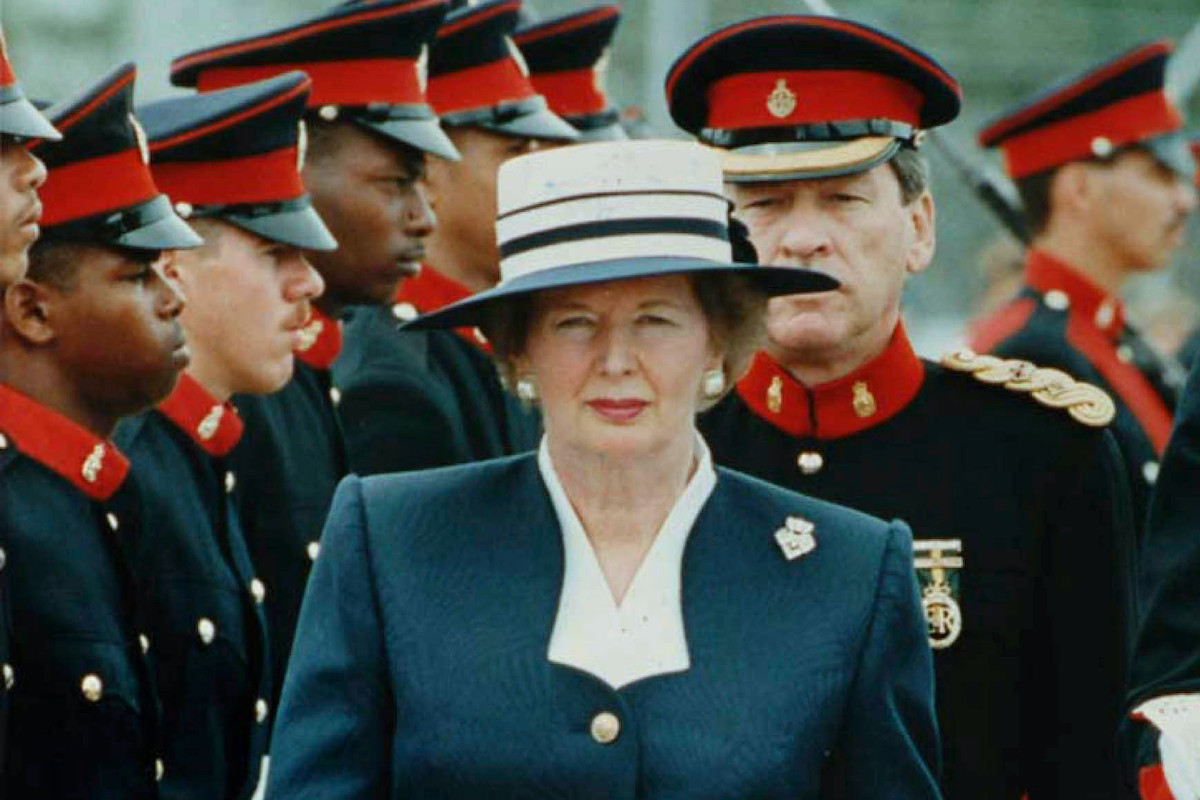
She believed that Europe should not be a centralizing power that incubated supranational institutions—particularly as this model of centralization was just then in the throes of spectacular failure within the Soviet Union.
Listen onSpotify Toby Young discusses the European election results with Eric Kaufmann, author of Whiteshift, and Sunder Katwala, director of British Future. Is national populism in decline? If not, how concerned should we be? Eric Kaufmann, a professor of politics at Birkbeck College, wrote about the European election for Quillette.
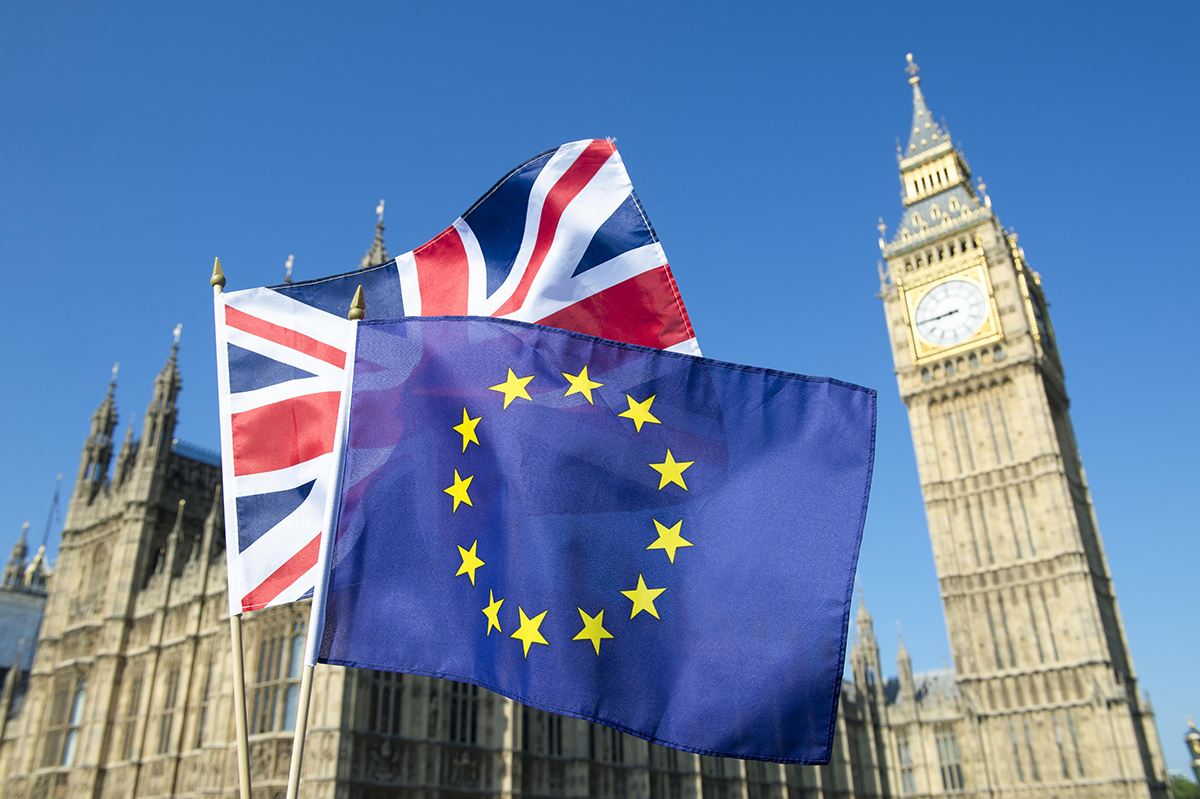
The fate of the withdrawal agreement, and indeed the country at large, cannot depend on “he said, she said” accusations and counter-accusations.