From South American Anthropology to Gender-Crit Cancel Culture: My Strange Feminist Journey
Anthropology taught me how to spot this instinct. Gender-critical feminists taught me how to stand up to it.
A collection of 176 posts
Anthropology taught me how to spot this instinct. Gender-critical feminists taught me how to stand up to it.
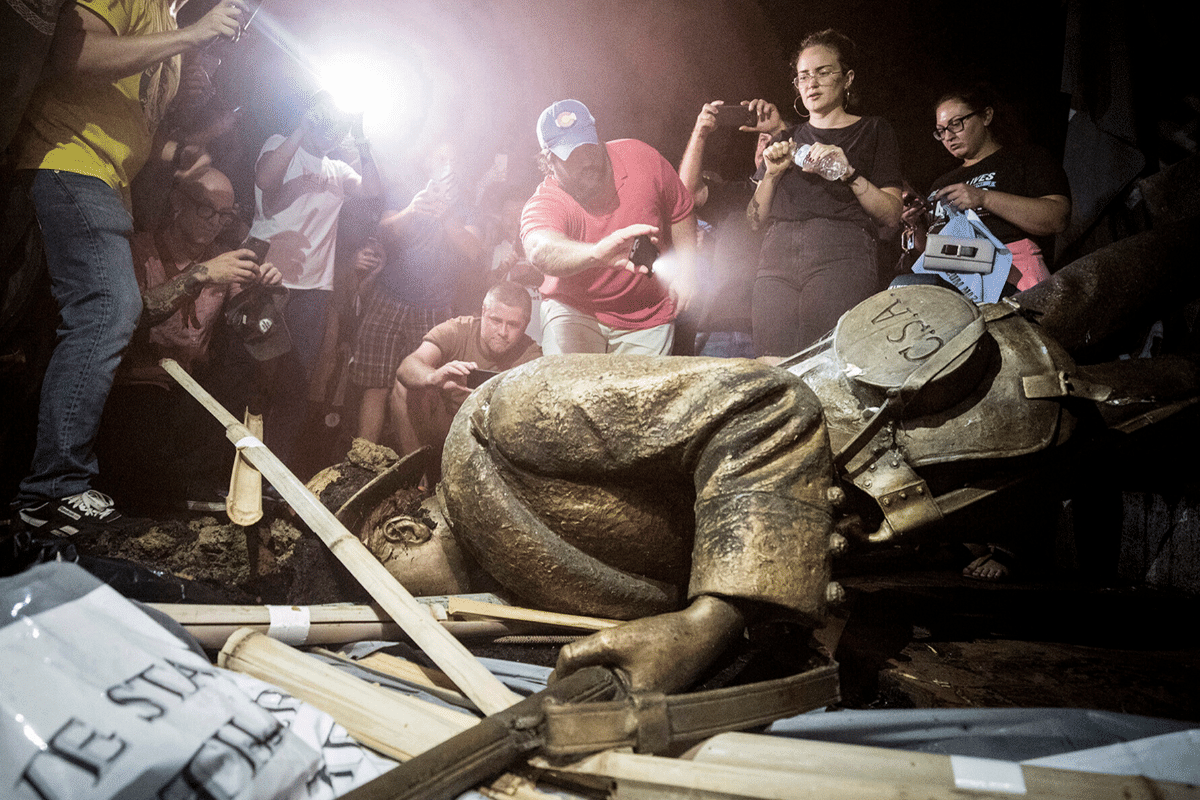
To the extent we all care about the important underlying issues, such as fighting racial discrimination and promoting opportunity to all, we shouldn’t allow our culture wars over statues and symbols to dominate our discourse.
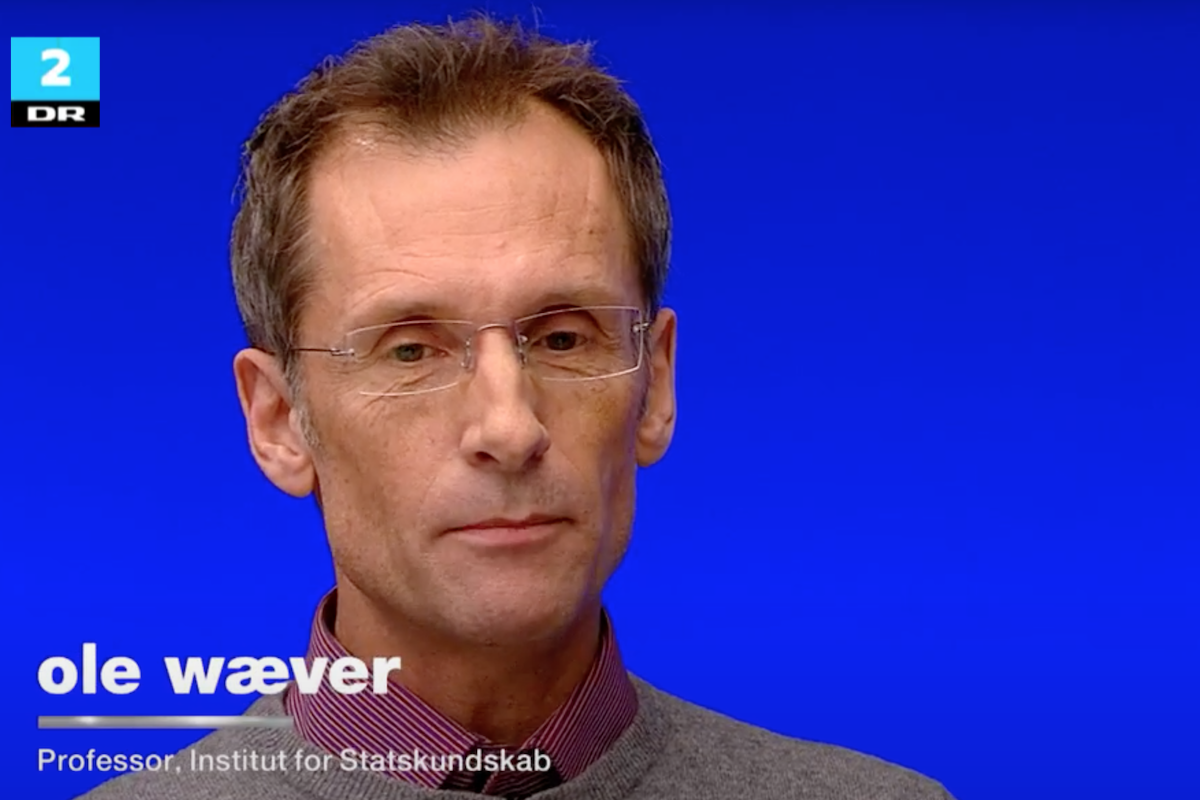
Wæver has dedicated his career to the idea that some of the most consequential forms of political activity and statecraft should be viewed through the lens of unspoken societal power hierarchies.
For people without a foothold in the new service and financial businesses, it was harder to make ends meet.
As an institution grows and evolves, it inevitably requires reform, but that task can only be entrusted to those who have its best interests at heart.
We are effectively being told that, at this truth-seeking institution, it is inappropriate for us to utter certain indisputably true statements, because the value of truth is trumped by the emotional states of one or another demographic.
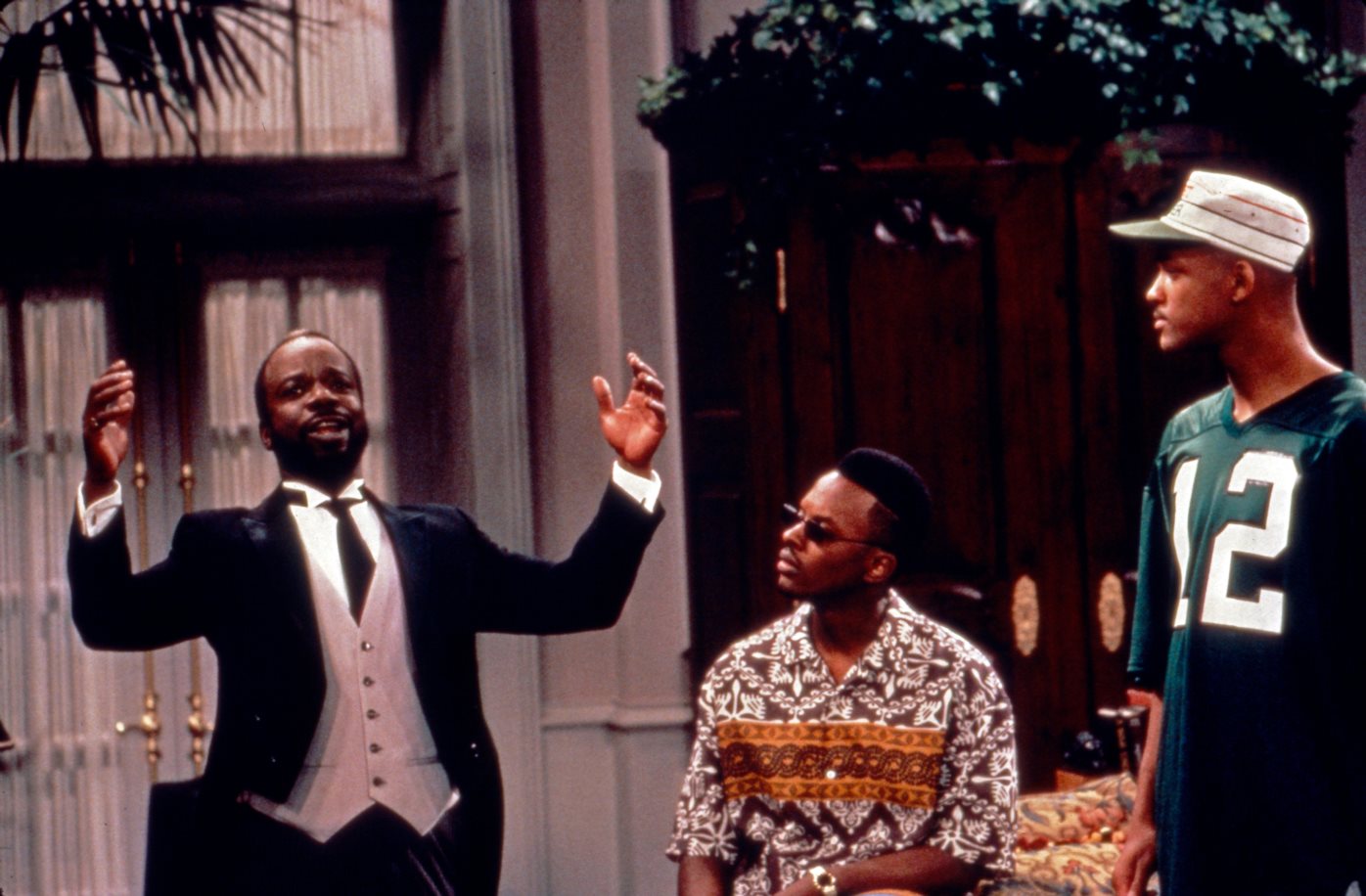
Instead, as speculative fiction becomes more diverse, the sense that it must be corrected grows, and author and art are evaluated together.
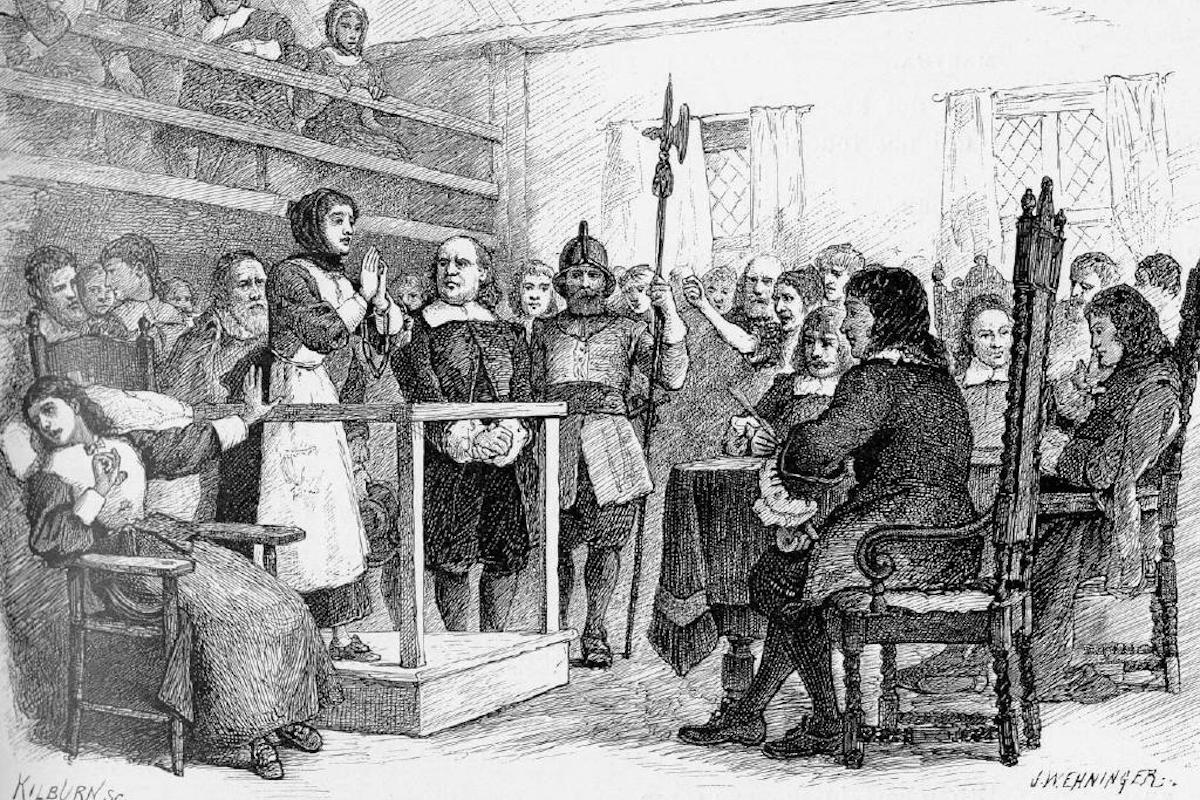
The best way to prevent such perennial misuse of the “witch hunt” label would be for Americans to stop themselves before they allow their moral fervor to get out of control and run roughshod over the legal rights of others—in other words, to refrain from witch hunting in the first place.
Gay rights activists simply want society to accept their different ways of living and loving—since gay men and lesbians pursue romantic interests and build families in ways that are at odds with conventional heterosexual expectations.
Domingo’s entrepreneurial drive has been as untiring as his stage career.
Cities are one of the great accomplishments of human civilization.
The chapter on Trans issues is particularly revealing in regard to the way the different “building blocks” of intersectional theory come into conflict with one another.
Remembering one of the last titans of anthropology.
It’s easy to join a Twitter mob. You take zero risk if the takedown doesn’t work, but you pretend you’re Rosa Parks if it does.
To understand our politics, we need to understand the cultural values that drive it.