What the Navigators Knew
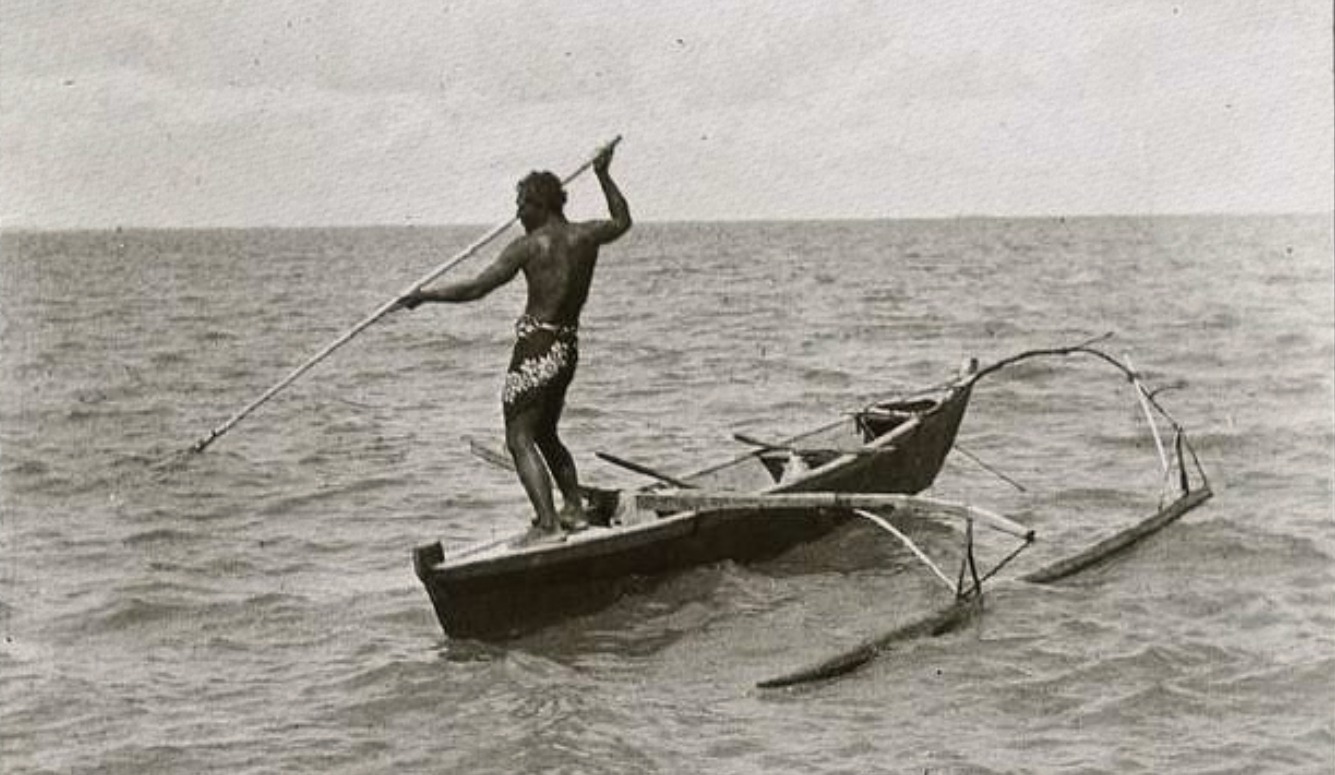
David Lewis’s classic study of Pacific wayfinding shows how Indigenous knowledge can be taken seriously—neither romanticised nor dismissed.


David Lewis’s classic study of Pacific wayfinding shows how Indigenous knowledge can be taken seriously—neither romanticised nor dismissed.
Sex is declining because the options seem endless. This is counter-intuitive, but biologically it makes sense.
How a discipline lost interest in the people it was founded to understand.
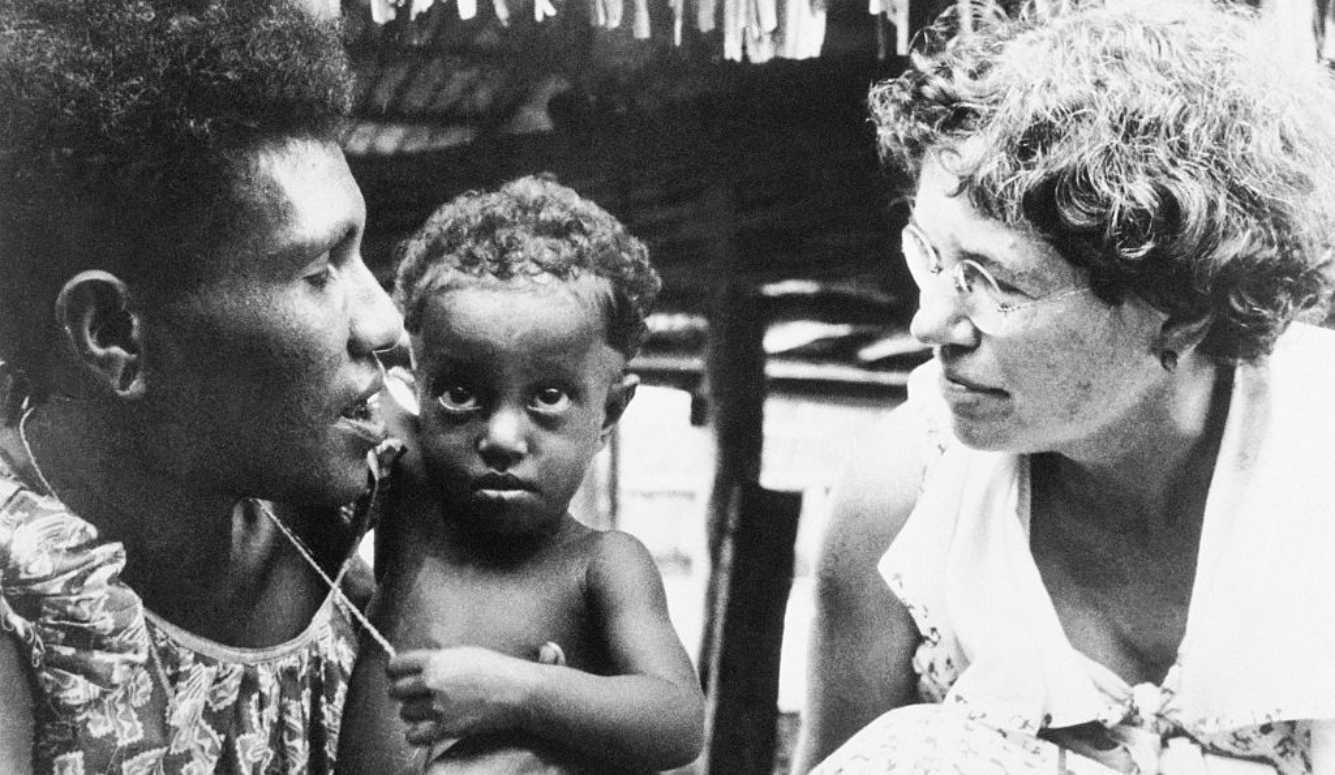
How Margaret Mead’s romanticised account of Samoan life became the founding myth of cultural determinism—and why it endures despite having been thoroughly debunked.
Napoleon Chagnon documented a society in which violent men enjoyed greater reproductive and marital success. Some of his academic colleagues never forgave him for it.
The homogenisation of culture begins with the loss of language.
Death, DNA, and the culture wars.
A new book describes the crackpot anthropological theories that Nazis used to justify their belief in Aryan racial superiority.
To suggest that a spirited discussion of the importance of sex and gender in archeology threatens “scientific integrity” is to misunderstand the nature of science.
Six imperial rulers expanded the Mexica domain from 1430 until 1519, until the Spaniards first set foot in Tenochtitlan and disrupted the Aztec imperial agenda.
Jennifer Raff’s Origin: A Genetic History of the Americas was published with much fanfare in February, garnering a rave New York Times review. And as of this writing, it is listed as one of the top 10 books about genetics on Amazon. The success reflects the fact that the
In January, as reporters were celebrating the first woman—and also the first transgender person—to win more than a million dollars on Jeopardy!, I was reading up on the discrimination still faced by biological women who toil away in my own fields of endeavor: anthropology and archaeology. This discrimination