Life, Liberty, and the Pursuit of....What Exactly?
The same is true of happiness and positivity. They’re not mere feelings. They are behaviors.
Steve Salerno
· 15 min read
A collection of 116 posts
The same is true of happiness and positivity. They’re not mere feelings. They are behaviors.

In the months leading up to the news, I was in a bad place. Nothing in life felt right, and every day was a fight against hopelessness—to the point that even when good things happened, I would remain afraid or numb.

It makes no more sense to believe in a numinous “will” that subverts the laws of physics than to accept a god for which there’s no evidence. Any reforms of society should begin by accepting the unalterable truths of nature.

This isn’t the first time this has happened in video game research.

The placebo effect is real. It’s measurable. It’s why we have placebo trials in medical research—because the hope buried inside that sugar pill has a measurable medical benefit. Hope is literally medicine, and it’s powerful stuff.

Religion isn’t just like any organization or group that affords people the opportunity to socialize.

Instead of dispassionately inquiring into scientific questions, facts from politically controversial research are being distorted out of concern for how the data might be used by the worst among us.

Because calamities are uniquely egalitarian in their capacity to kill indiscriminately, they dampen the qualities that make us different.

The mint plant salvia divinorum exhibits powerful and unusual psychedelic effects and remains legal.

The higher the suicide rate in the group you’re advocating for, the greater your moral clout.

“What is a woman?” What should be an easy question for a movement organized around the rights of women, has instead become a real brain-buster.

I left identity politics activism — and learned hard lessons about groupthink, moral certainty, and what happens when ideology becomes your whole identity.

This outcome highlights an alarming gender difference in outcome that should galvanise psychologists to take gender-sensitivity very seriously indeed.
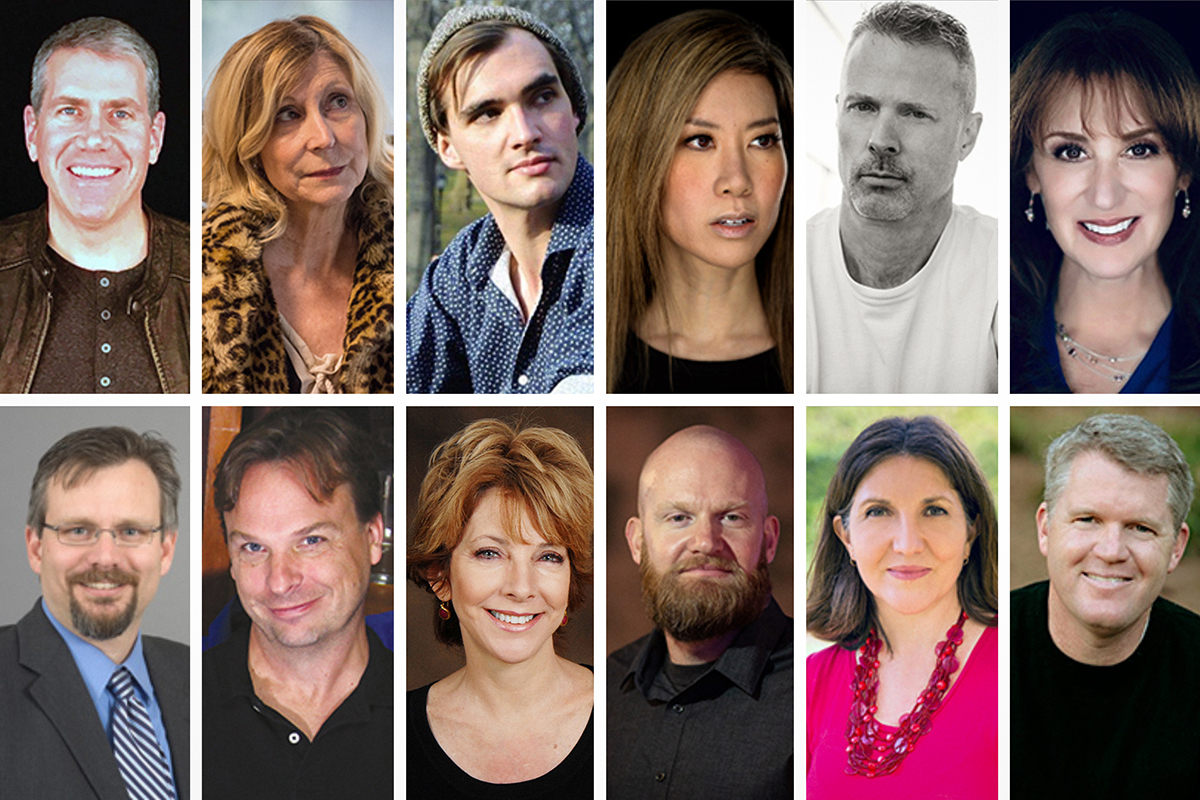
Introduction — John P. Wright, Ph.D. John Paul Wright is a professor of criminal justice at the University of Cincinnati. He has published widely on the causes and correlates of human violence. His current work examines how ideology affects scholarship. Follow him on Twitter @cjprofman. Thirteen years in the making,

Listen onSpotify Associate editor Toby Young talks to Jonathan Church, Quillette contributor and economist, about ‘white privilege,’ ‘white fragility,’ ‘color-blind racism,’ ‘unconscious bias,’ ‘micro-aggressions’ and why the Social Justice Left is more interested in punishing whites than understanding the complexity of racial inequality.