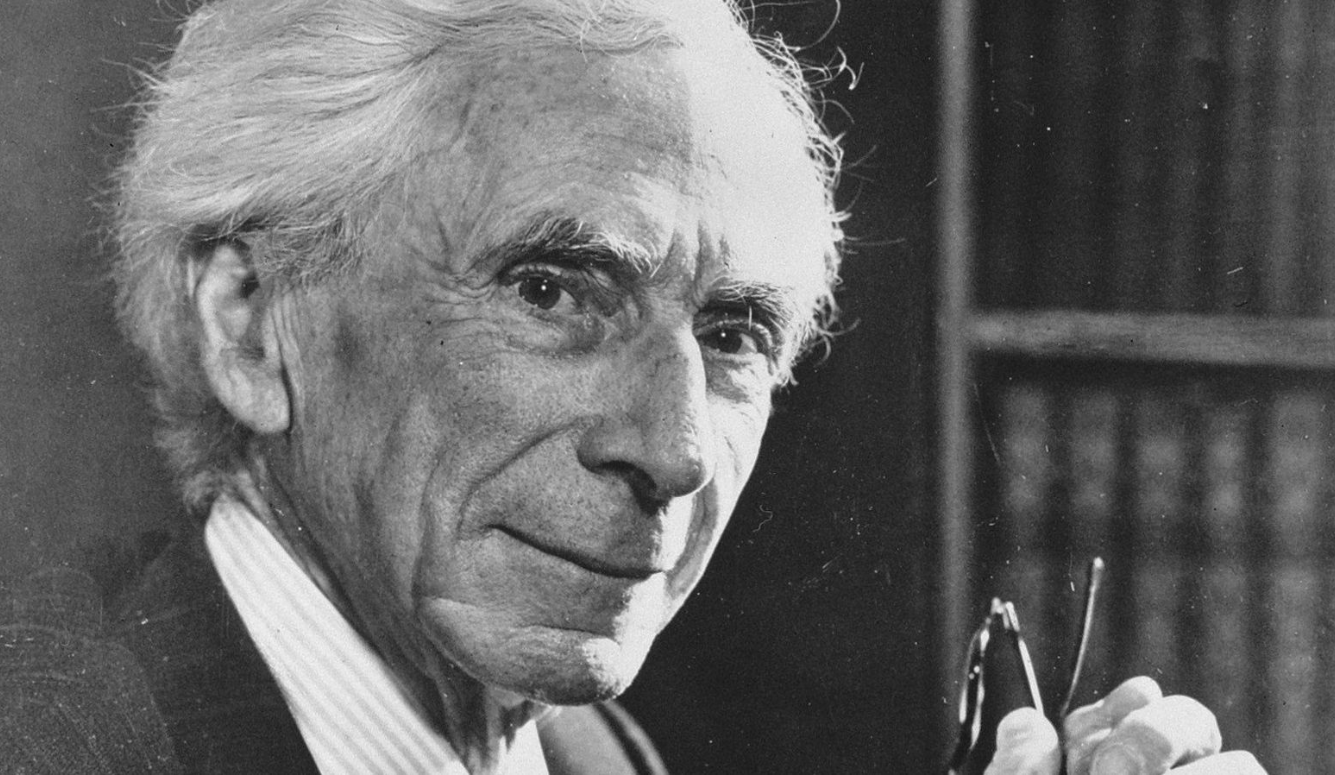
The Cancellation of Bertrand Russell
Eight decades later, the issues raised by the Russell case—the rights to free speech and academic freedom—have still not been settled.
A collection of 346 posts
Eight decades later, the issues raised by the Russell case—the rights to free speech and academic freedom—have still not been settled.
Should society tolerate intolerance to protect freedom of expression? A deep dive into Karl Popper’s ideas and modern free speech debates.
By going to war against "misinformation" governments are merely diverting finite resources from addressing real harm to people and property, which purportedly justifies the panic in the first place.
Unless we can conquer our anxiety and restructure the way we interact, dreams of social unification will remain dead on arrival.
A recent dust-up involving NHL goalie James Reimer demonstrates the folly of pitting Pride PR against the conscience of individual actors.
We have power over words, not vice versa.
The investigation into the polarizing law professor violates the most basic tenets of academic freedom.
Gender critical feminists are among those who have been excluded from Twitter for years. The time is right for a correction.
It is not science fiction to imagine that Section 319 and other as-yet-undrafted Canadian “anti-hate” laws will metastasize.
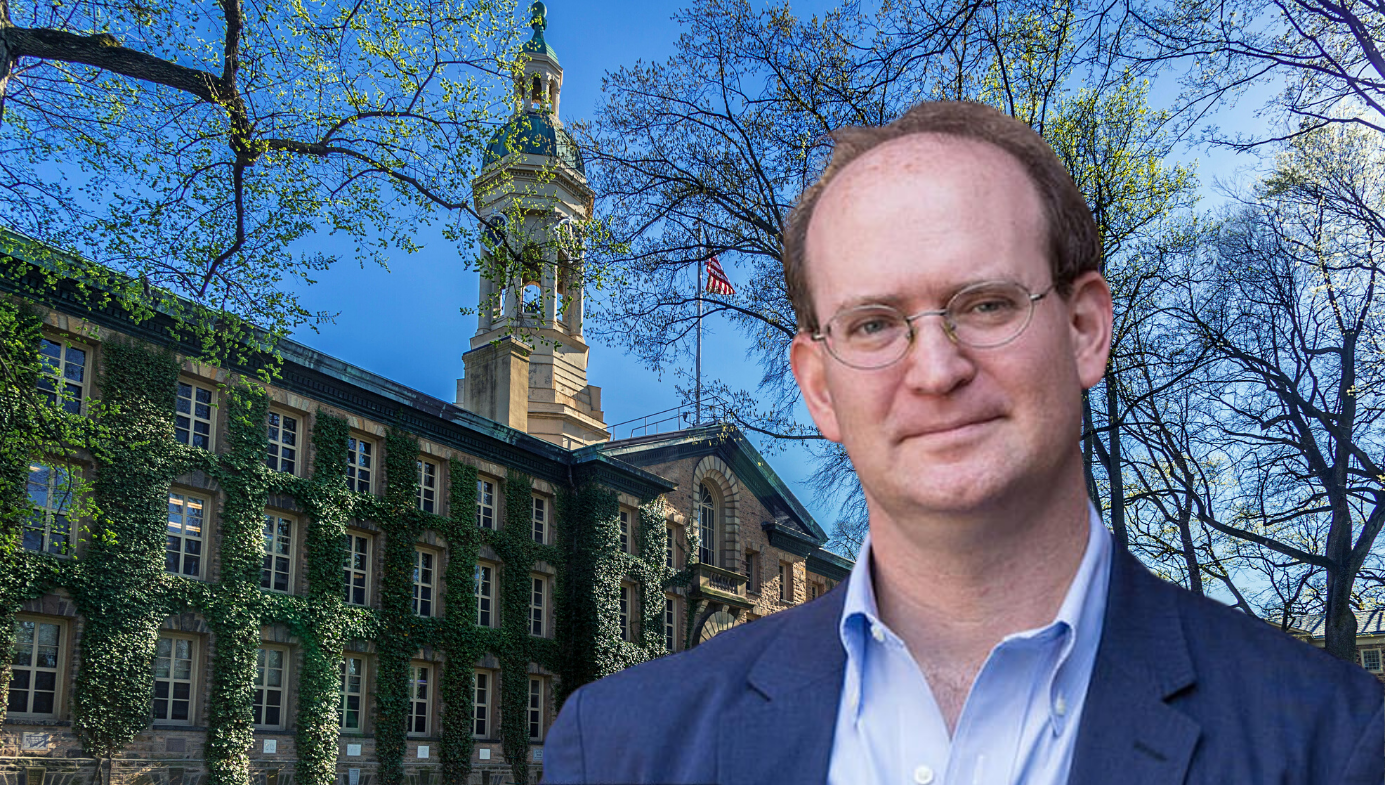
Joshua Katz knew it was dangerous to go public with his objections to a Princeton faculty letter, but he did so because his conscience demanded it. For this, he has paid an intolerable price.
Twitter’s current policy on content isn’t one dimensional: It serves up both false positives and false negatives—wrongly banning certain accounts for thoughtcrimes while permitting others to continue on the platform despite engaging in grotesquely abusive behavior.
The condition of human life is such that we must of necessity be restrained and compelled by circumstances in nearly every action of our lives. Why, then, is liberty, defined as Mr. Mill defines it, to be regarded as so precious? ~James Fitzjames Stephen Of all the works written in
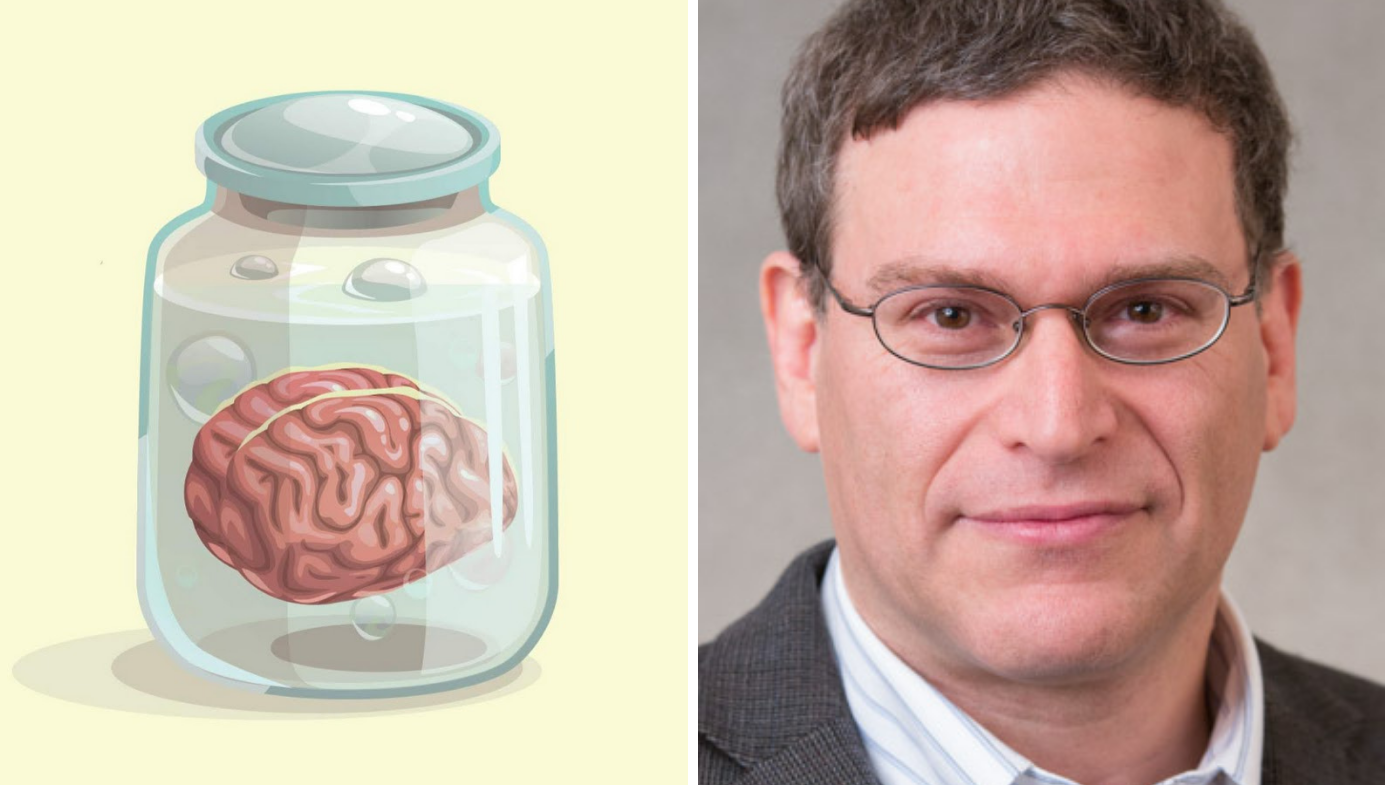
Unpopular, unorthodox and extreme opinions no less than any others need their spokesmen, in order that our chances of discovering truths and making wise decisions be increased. ~Joel Feinberg In January of this year, SUNY Fredonia ethicist Stephen Kershnar appeared on an episode of our philosophy podcast, Brain in a
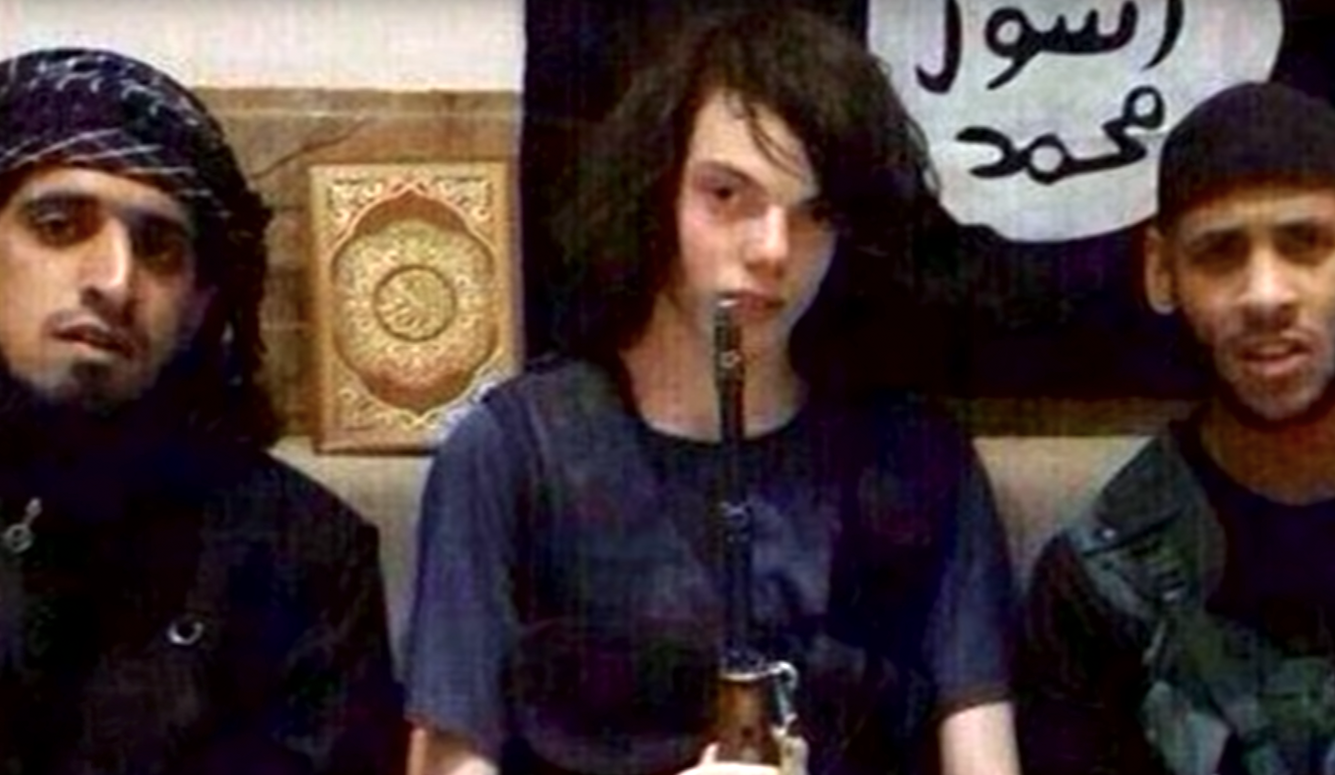
While calls to censor hate speech and violent extremist content on social media platforms are common, there’s little evidence that online incitement leads to real-world radicalization. Ironically, such calls may actually galvanize extremists, who interpret hostile media coverage, commentary, and censorship policies as confirmation of their victimhood narratives and
Jonathan Kay interviews Jacob Mchangama on his book tracing free speech from Socrates to social media and why societies often reject dissent.