Why Australia Gave Up on Getting Richer
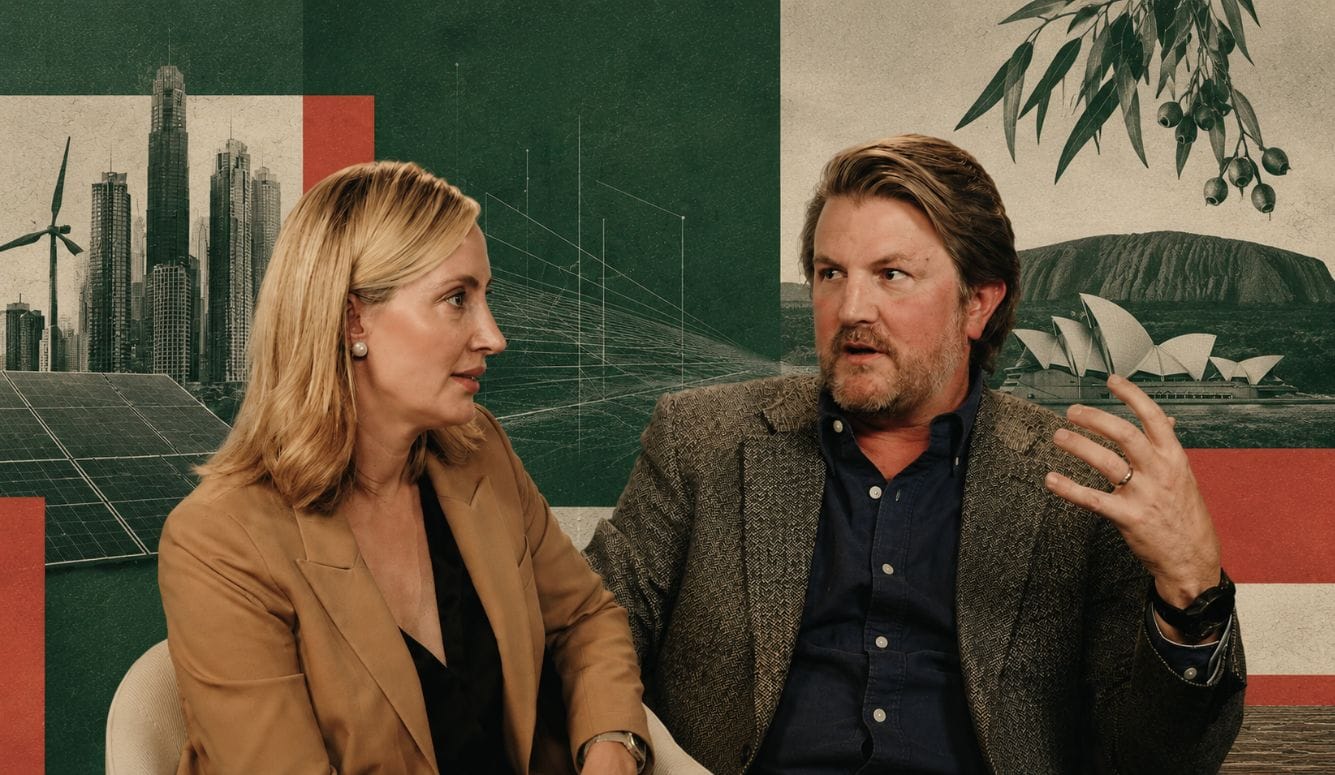
McKinsey's Chris Bradley on why Australia stopped investing—and why he believes the poorest country in the world could live as well as Switzerland does today by 2100.
A collection of 103 posts
McKinsey's Chris Bradley on why Australia stopped investing—and why he believes the poorest country in the world could live as well as Switzerland does today by 2100.
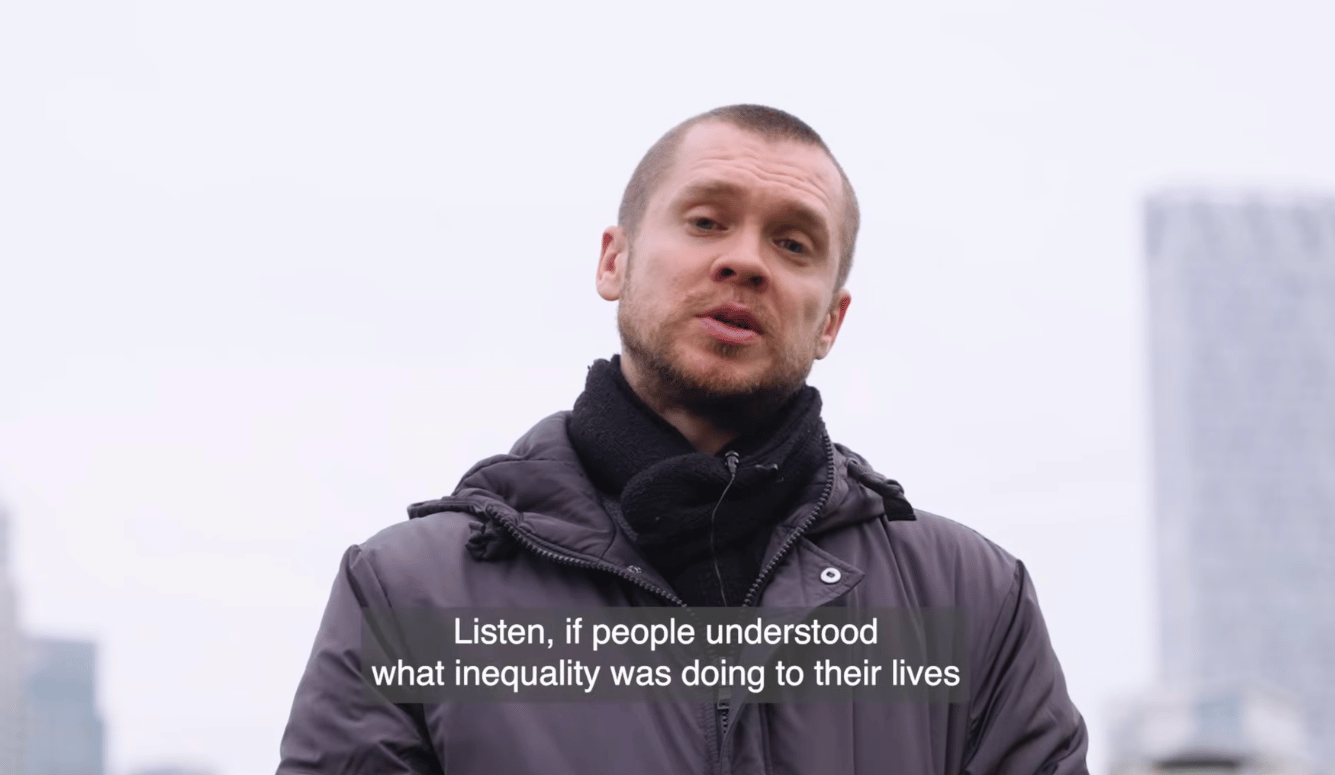
Gary Stevenson says Britain's wealth inequality is spiralling out of control. The data says otherwise—and Channel 4 never thought to check.
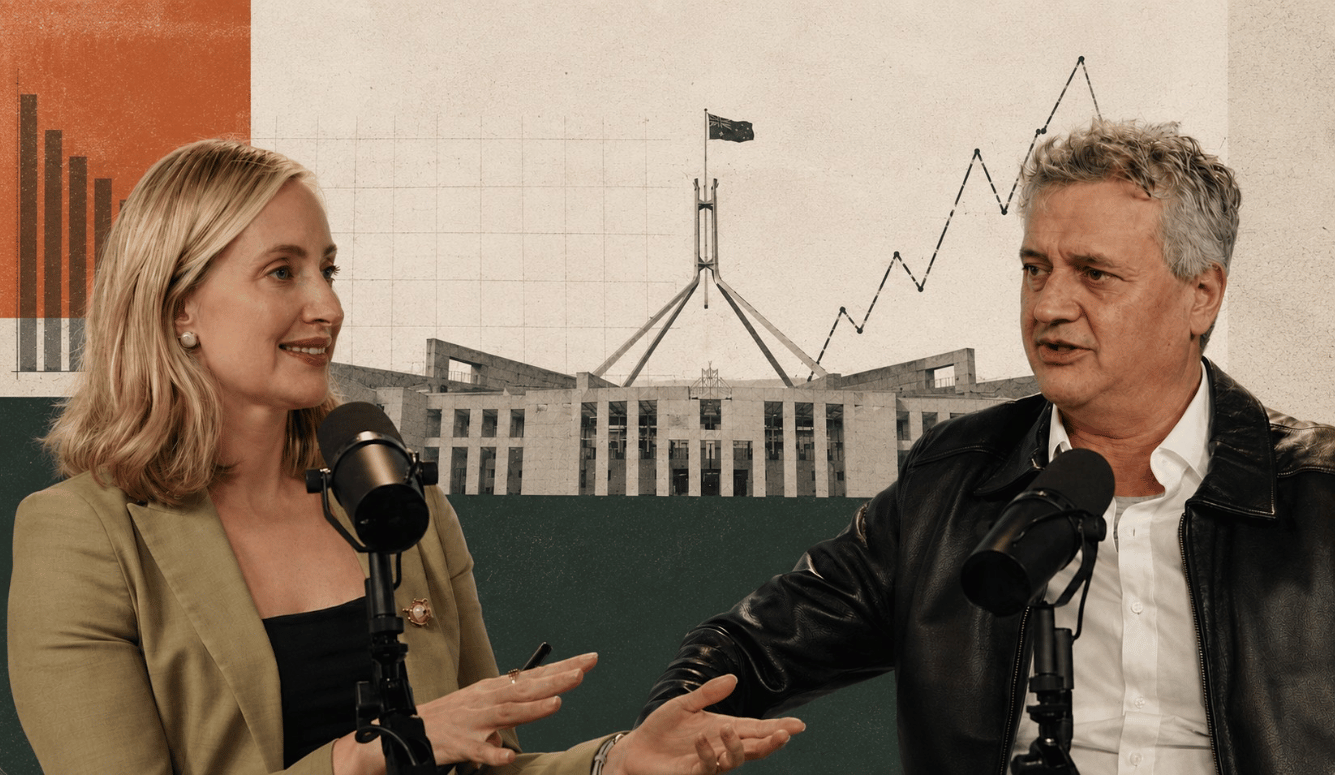
Fund manager Derek Francis tells Claire Lehmann that Treasury's modelling of Australia's new capital gains tax contains a basic error — one that could push tax rates on shares as high as 70 percent.
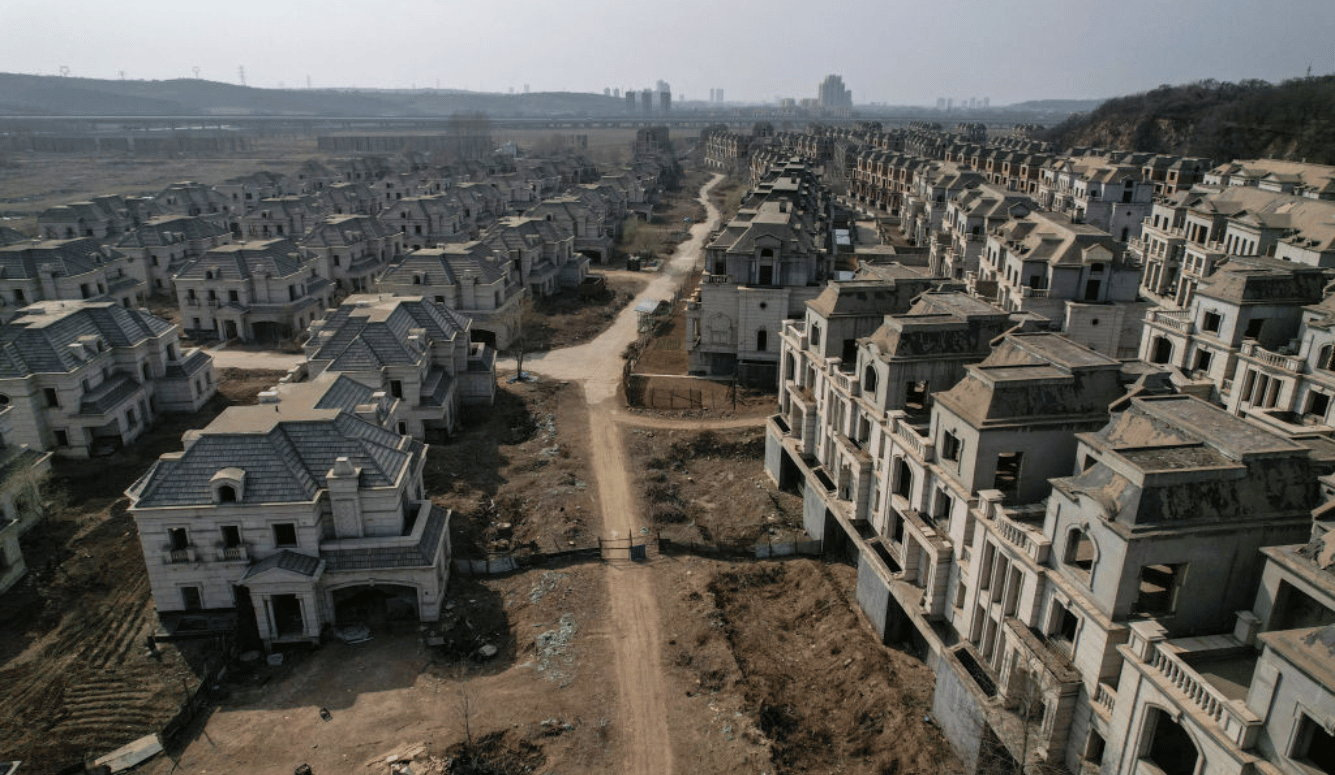
China’s ghost cities are like a mocking glimpse of the Chinese century we were told to expect, and for which we are still waiting.
The old fight was labour versus capital. The real fight now is between those who create value and those who administer it, and Australia's new budget has picked the wrong side.
When the appetite for moral reform becomes an appetite for destruction.
Author Quinn Slobodian has won acclaim for his attempt to link the famed Austrian economist to right-wing extremists. But his arguments collapse under scrutiny.
It's not poverty that drives men to violence, but the experience of losing status.
Young women are now outearning young men; this structural shift has consequences that extend well beyond wages.
As an energy shock looms, a new book reframes recession as the product of historical circumstance, not cyclical inevitability.
The German state has been generous to its beneficiaries—but that largesse is becoming increasingly unsustainable.
Escalating house prices and density rules trap young people in renting, eroding homeownership—a key to democracy.
Why prosperity breeds guilt, how status incentives reward critique, and what happens when function is replaced by moral performance.
The sustainable agriculture movement’s ideological opposition to biotechnology undermines genuine environmental progress and food security.
The idea that we should redistribute wealth by fiat from prosperous to low-income and stagnating countries remains popular even though it is profoundly misguided.