
The Anti-Natalist Paradox
Would any reasonable person neglect such an opportunity? Surely, it seems obvious that any other option would be patently unethical?
Kenton Engel
· 7 min read
Would any reasonable person neglect such an opportunity? Surely, it seems obvious that any other option would be patently unethical?

S&D argue that market economies will fix all negative side-effects of technological development spontaneously because of the commercial value of the effluents.

How much longer people are going to listen to these modern soothsayers. At this point, they are naked lobbyists for entrenched special interests.
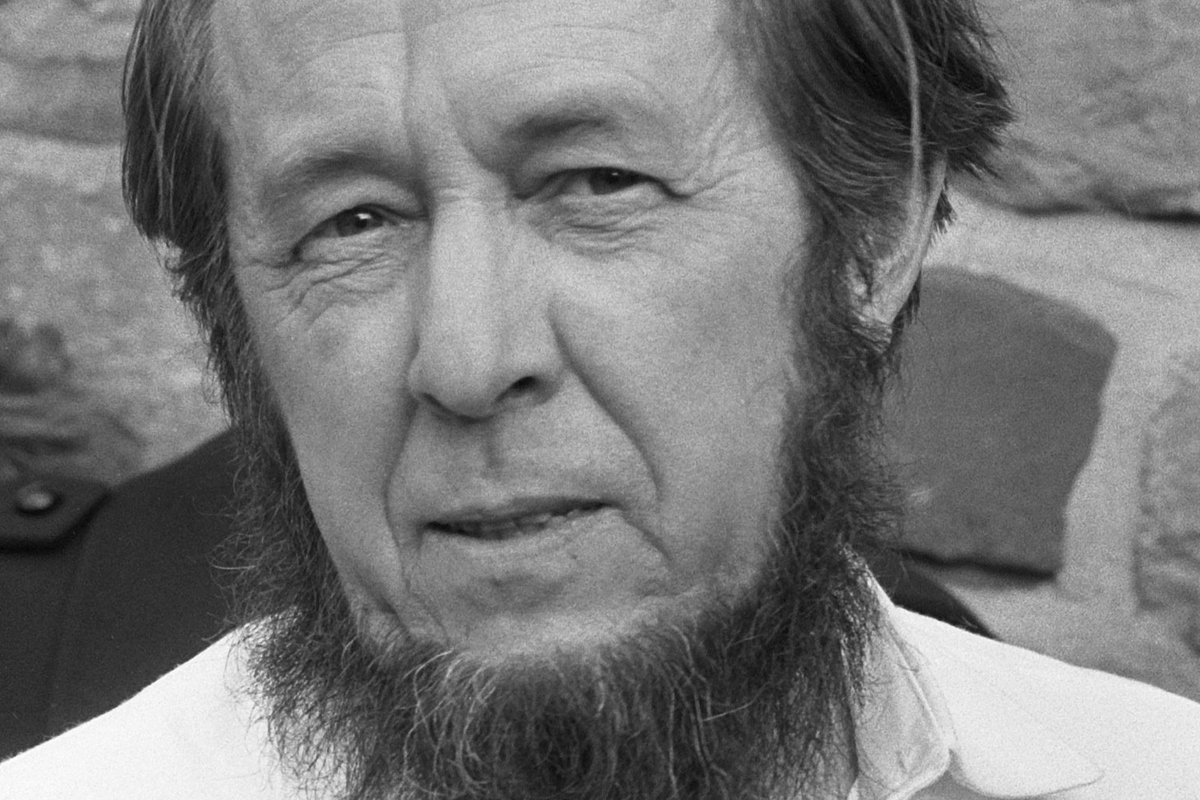
In exile, Solzhenitsyn turned to harsh criticism of the West, not just for failing to stand up to the Soviet regime and fully confront its malevolence.
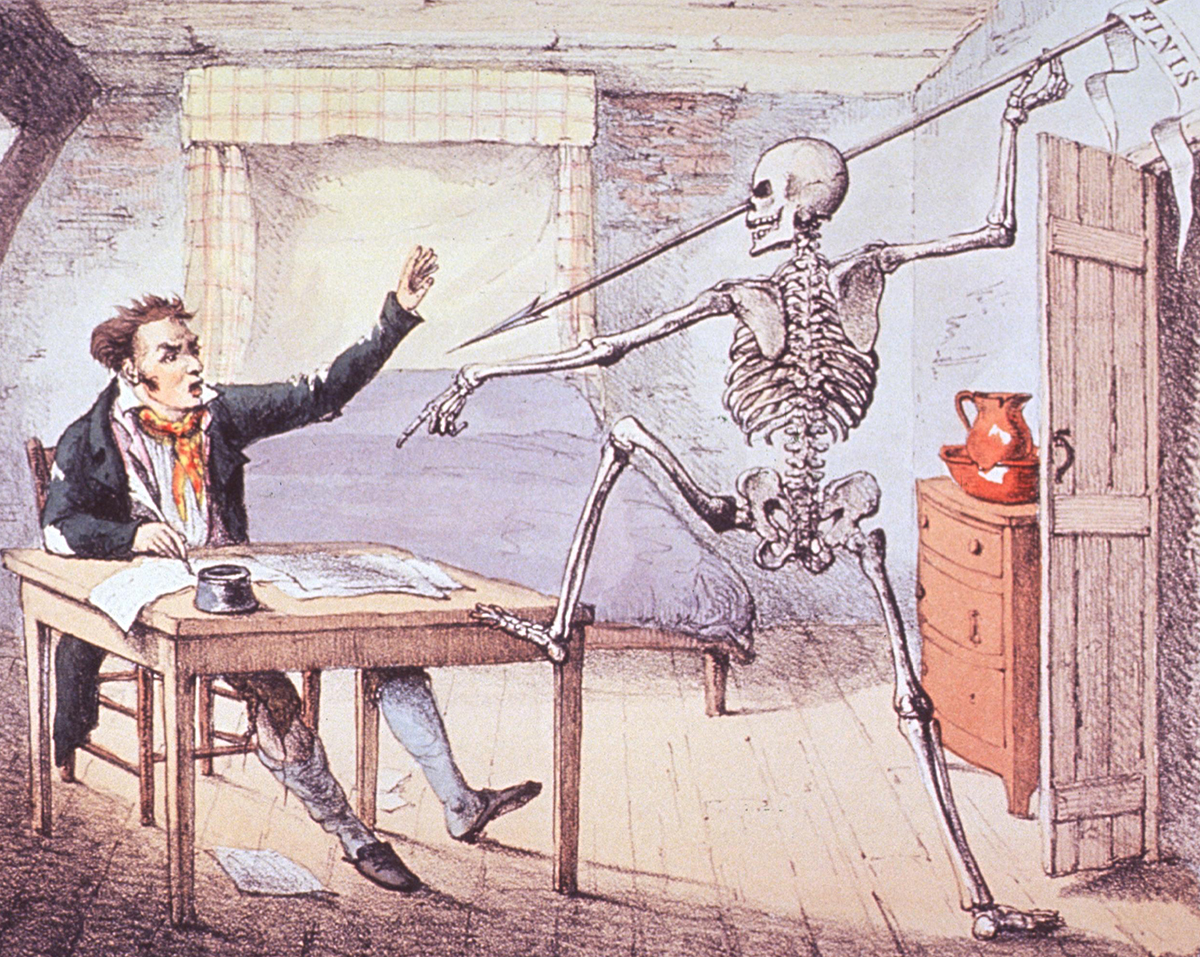

Endless articles and innumerable campaigns have been devoted to helping men cry, ending the phrase “man up” and, above all, getting men to talk.

Listen onSpotify Associate editor Toby Young talks to Jonathan Church, Quillette contributor and economist, about ‘white privilege,’ ‘white fragility,’ ‘color-blind racism,’ ‘unconscious bias,’ ‘micro-aggressions’ and why the Social Justice Left is more interested in punishing whites than understanding the complexity of racial inequality.
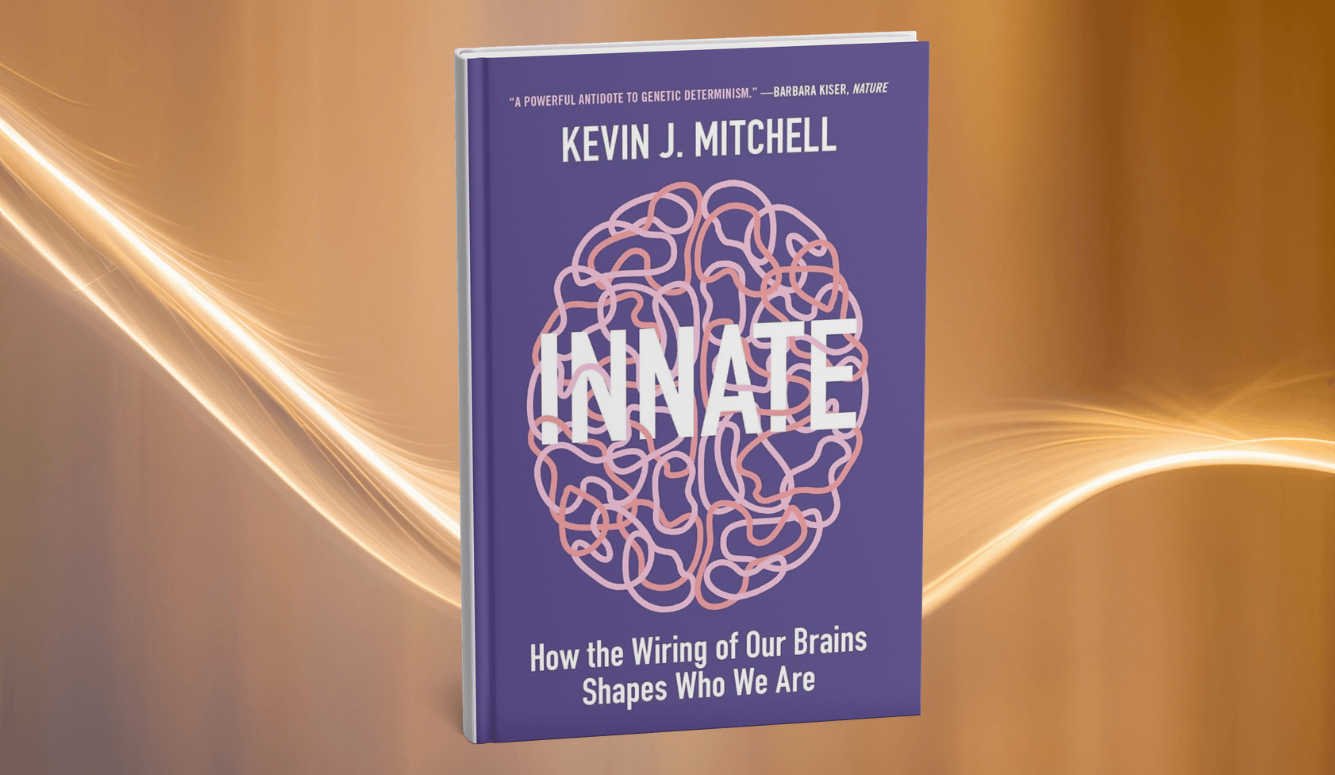
If read early enough, Innate might provide some inoculation against bad or naïve information about human nature and the indisputable role played by genes.

A small group of journalists have falsely smeared the world's top YouTuber as a Nazi sympathizer.

Unintended and painful irony of recent feminism’s preoccupation with overcoming male oppression has been to place men at the centre of female identity.
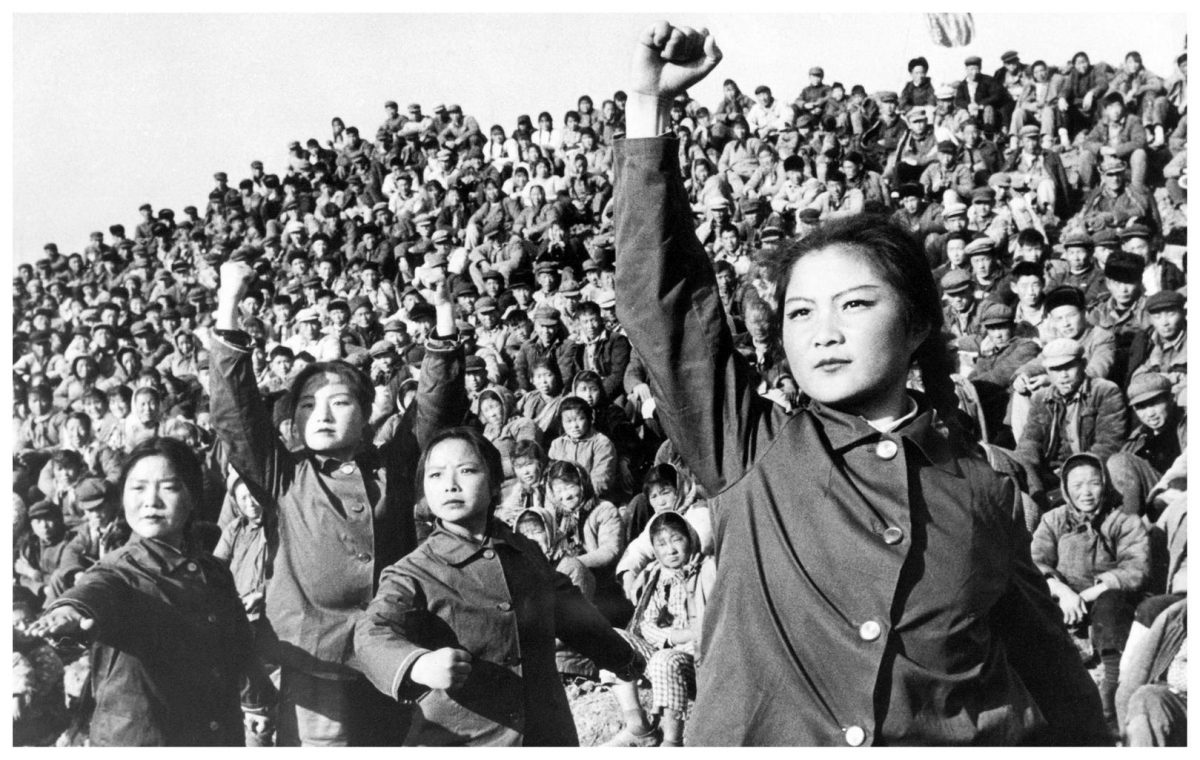
Mao Zedong activated China’s youth—unblemished and uncorrupted in heart and mind—to lead the struggle for purity.

For a time, this urban menagerie dictated my new sense of who I wanted to be. I didn’t ask questions. It was too dazzling to stain with doubts.

Everyone found themselves feeling empty and longing for their other half, be it the woman you were attached to or the man you were attached to.

Yet, there is reason for concern that this progress could be endangered if Jews overreact to the attack in Pittsburgh.
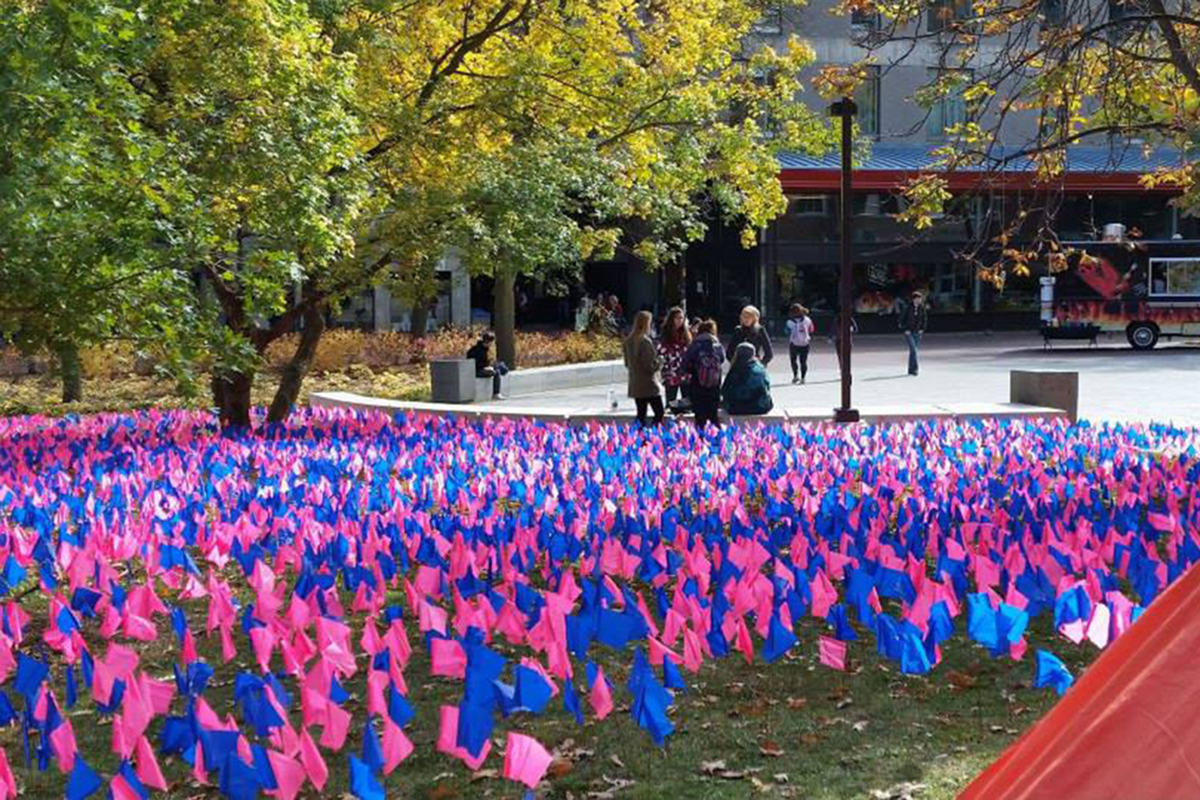
In fact, freedom of speech has been repeatedly repressed at the University of Guelph, and this has been going on for at least a decade.