The Rise of Post-Liberal Man
This kind of regime-analysis disappeared with the rise of classical liberalism, which supplied an altogether different language of politics.
Mathis Bitton
· 8 min read
This kind of regime-analysis disappeared with the rise of classical liberalism, which supplied an altogether different language of politics.
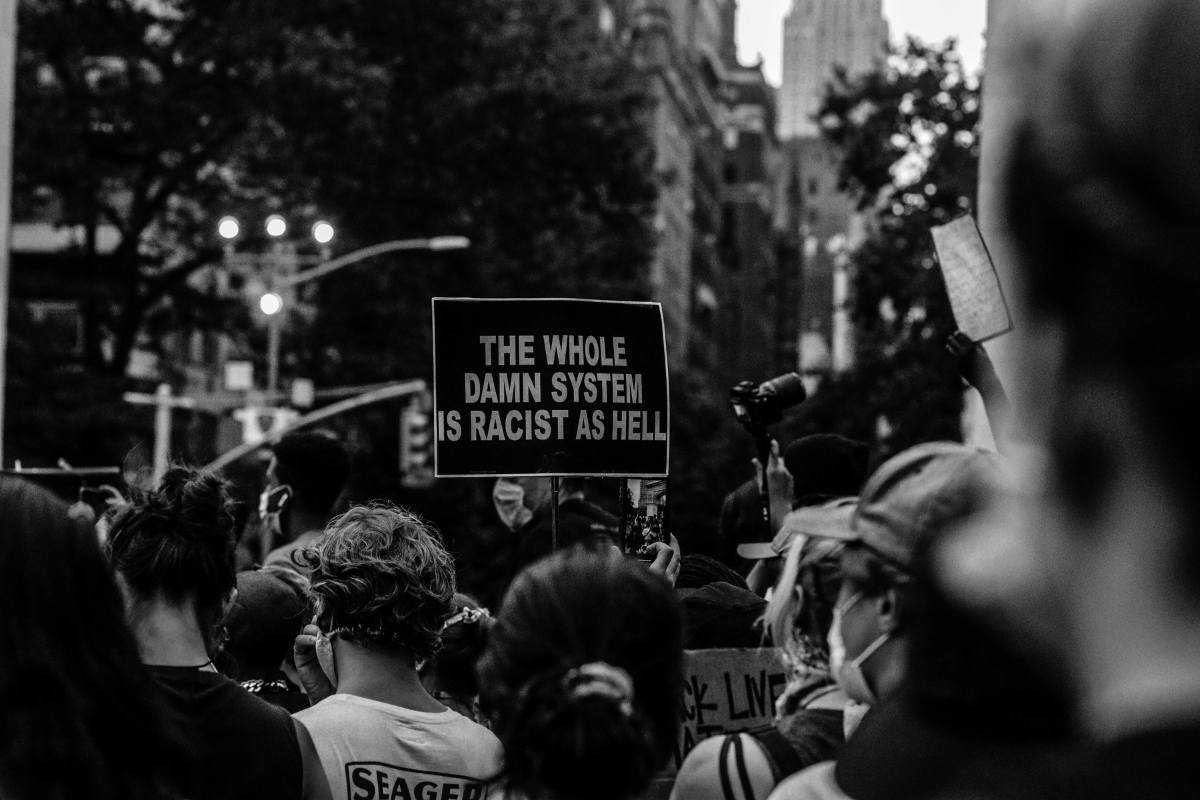
The radicals, always livid, always demanding more, insist that all this is window dressing. A sham.

Asian Americans have become an unfun topic in Silicon Valley corporate life. Certainly, they embarrass the diversity-obsessed gurus at Google and Facebook.

Living under a totalitarian regime one knows censorship in and out. One can smell it from far away and I smell it in this terror of political correctness—or, if we turn it around, in the danger of expressing different, unpopular views.
They’re embarking on an experiment that I think will ultimately fail and will ultimately harm children, but it’s an experiment that they’re entitled to embark on.

As a black conservative man, I will add one final note. None of the points made in this essay—about the over-hyping of victimhood in modern America or the cultural issues in working-class black and white communities—is meant to imply that racism does not exist.
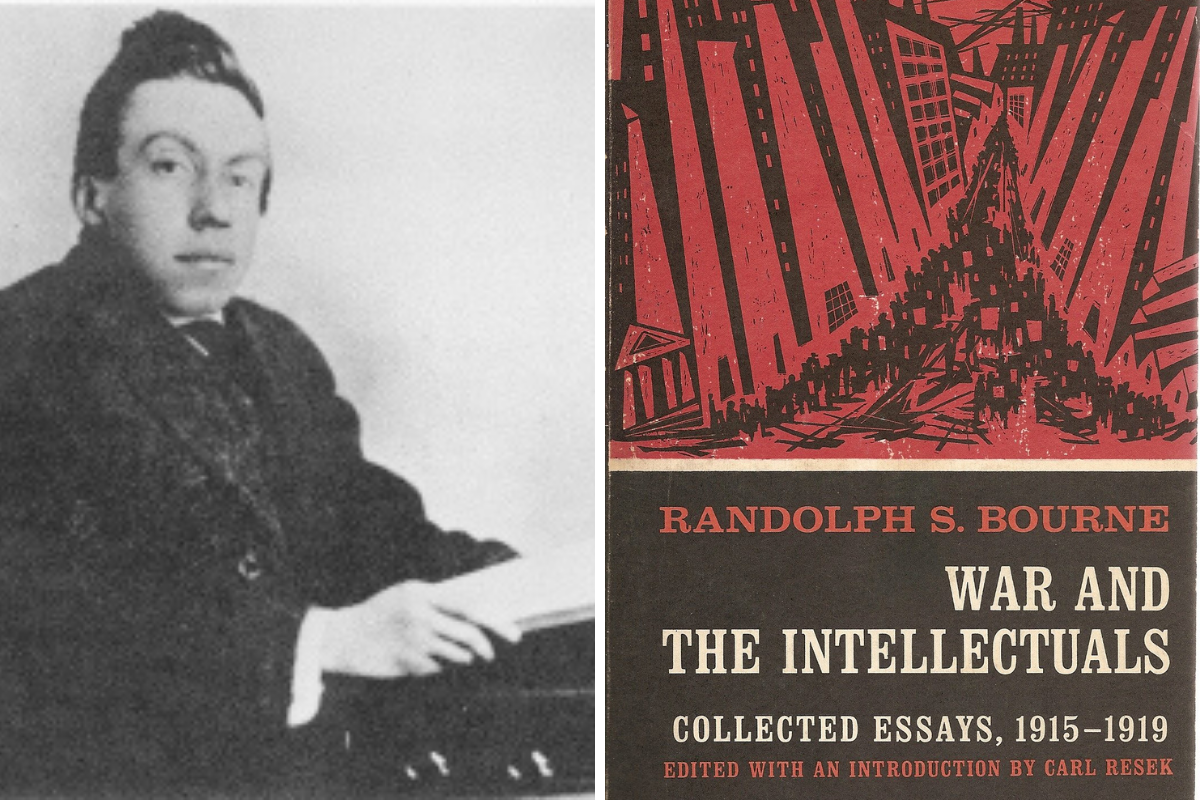
There is much we can learn from Bourne, not only from his joie-de-vivre, his ideas about cultural diversity and disability, but perhaps most of all, from his toughness, his willingness to criticize associates.
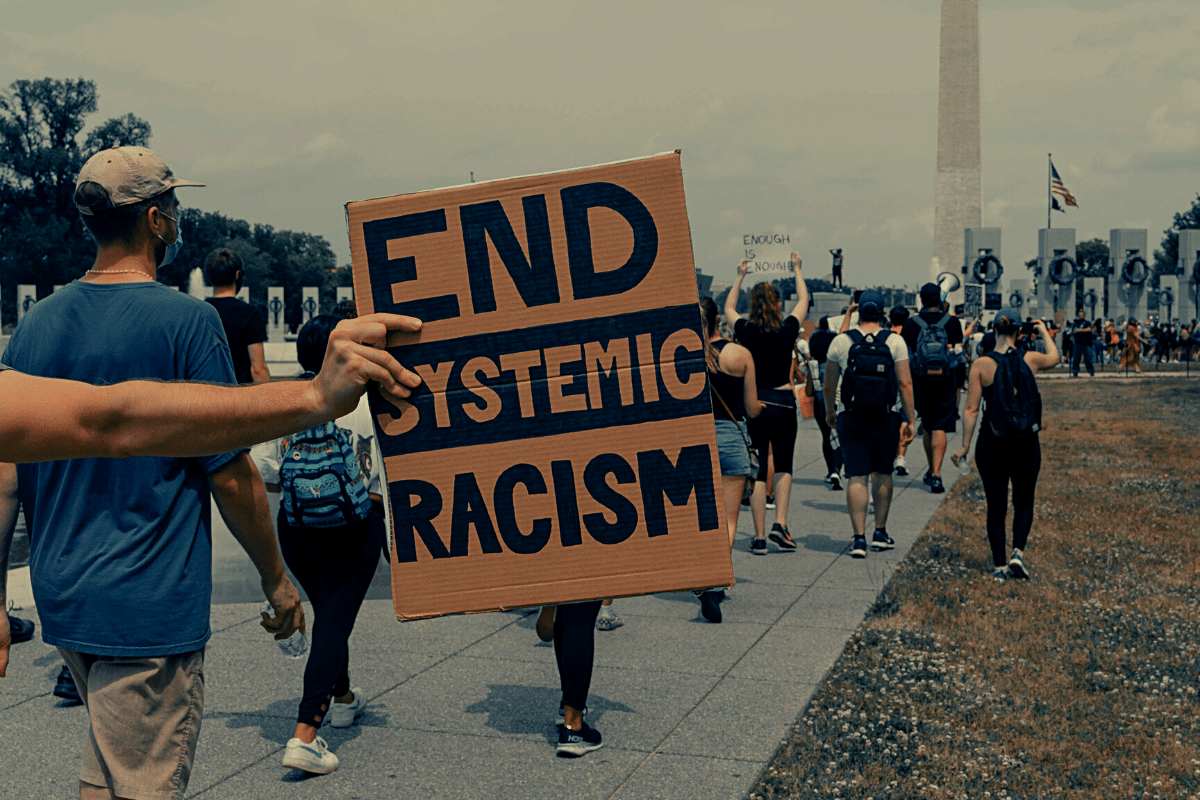
The popular vision of race in America seems to be incapable of breaking the gridlock that places the fate of black Americans in the hands of white society and then condemns that society to the wasteland of history.

The poor and unemployed have demonstrated that their patience is limited and that they are a keg of dynamite waiting to go off.

Workers are scarce and wages are rising. “The relationship between American businesses and their employees,” reports the New York Times, “is undergoing a profound shift: for the first time in a generation, workers are gaining the upper hand.” In the Guardian, John Harris writes that, “As consumer demand surges, hospitality

A week before the massive protests erupted in Cuba, I was celebrating Fourth of July at a friend’s house in Oakland, California, and listening to her tell me stories about her adventures there. She is a Jewish red diaper baby and today seems to identify as some sort of
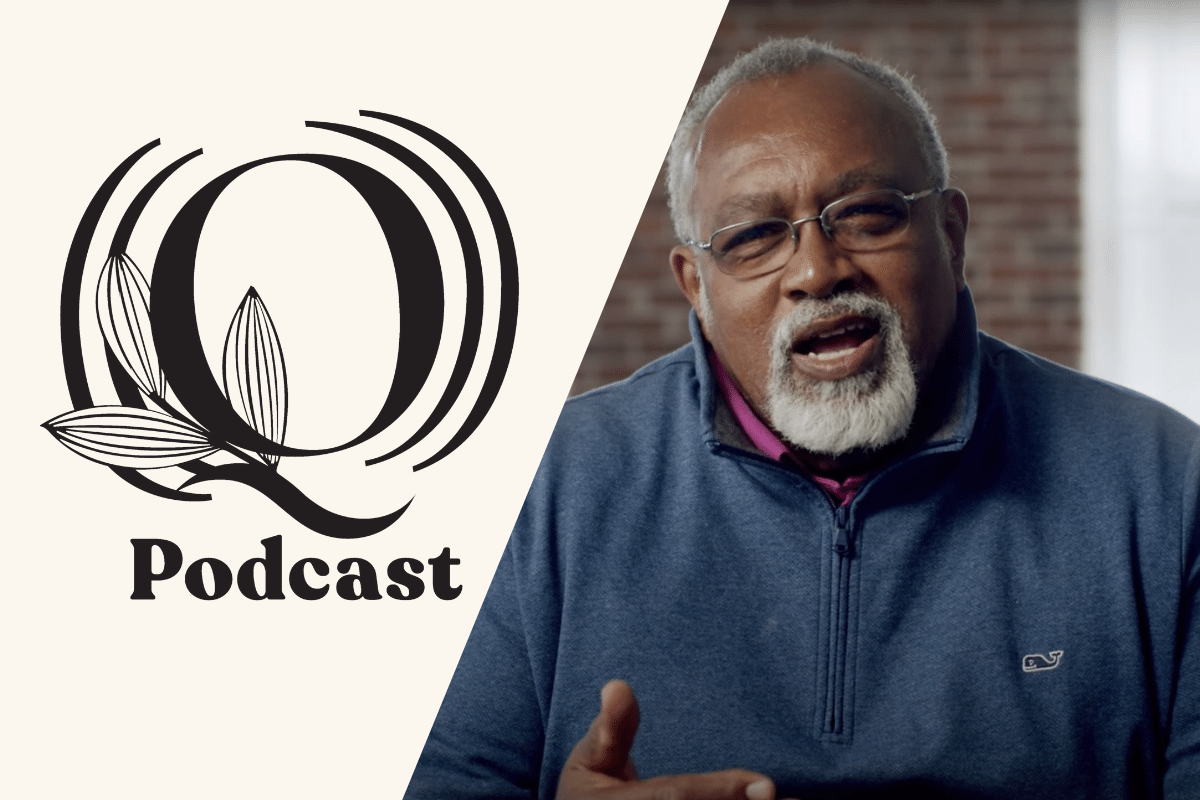
Veteran professor and public intellectual Glenn Loury is interviewed by Australia’s Josh Szeps for Quillette’s Free Thought Live series. Professor Loury discusses America’s political polarization, black voters, American history, and the 2020 election.
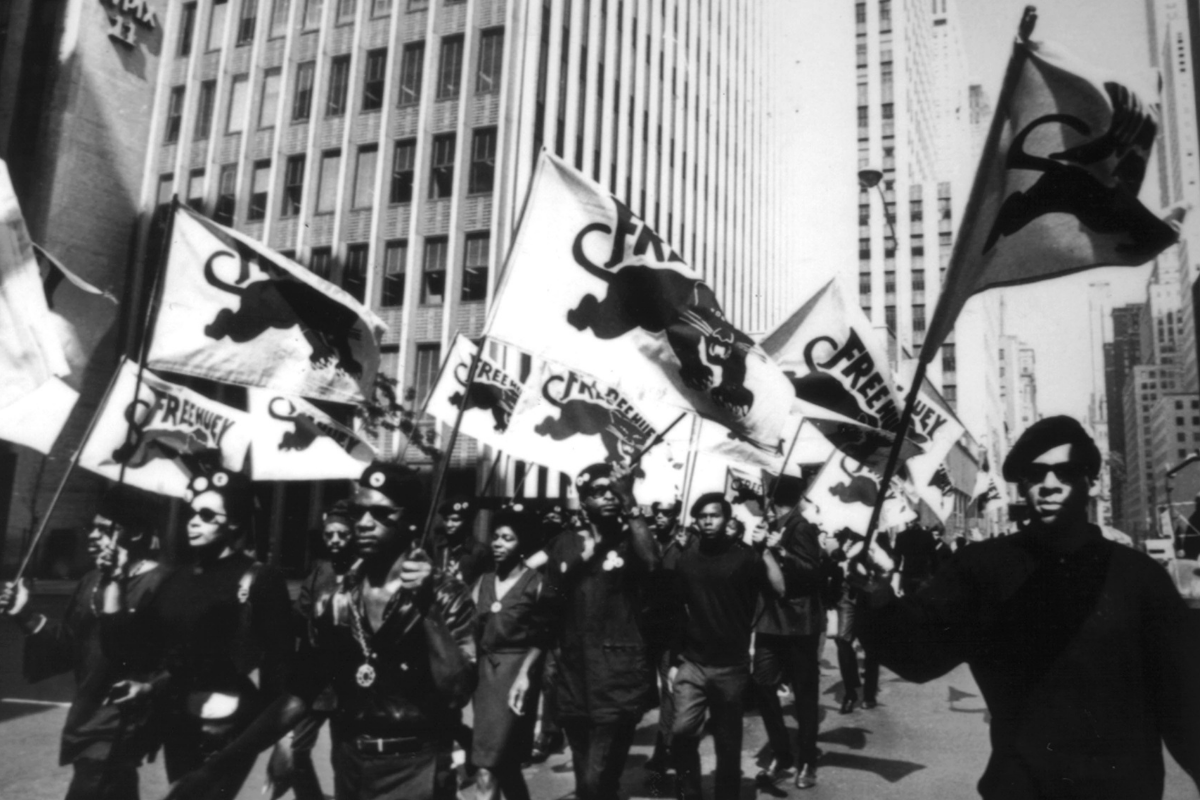
Isn’t it a little late for the rehabilitation of the Black Panther Party (BPP)? After all, the organization that first caught the public’s attention in 1969 was already in its death throes by the early 1970s, beset by internal splits, criminal prosecutions, and violent faction-fighting. Yet, five decades
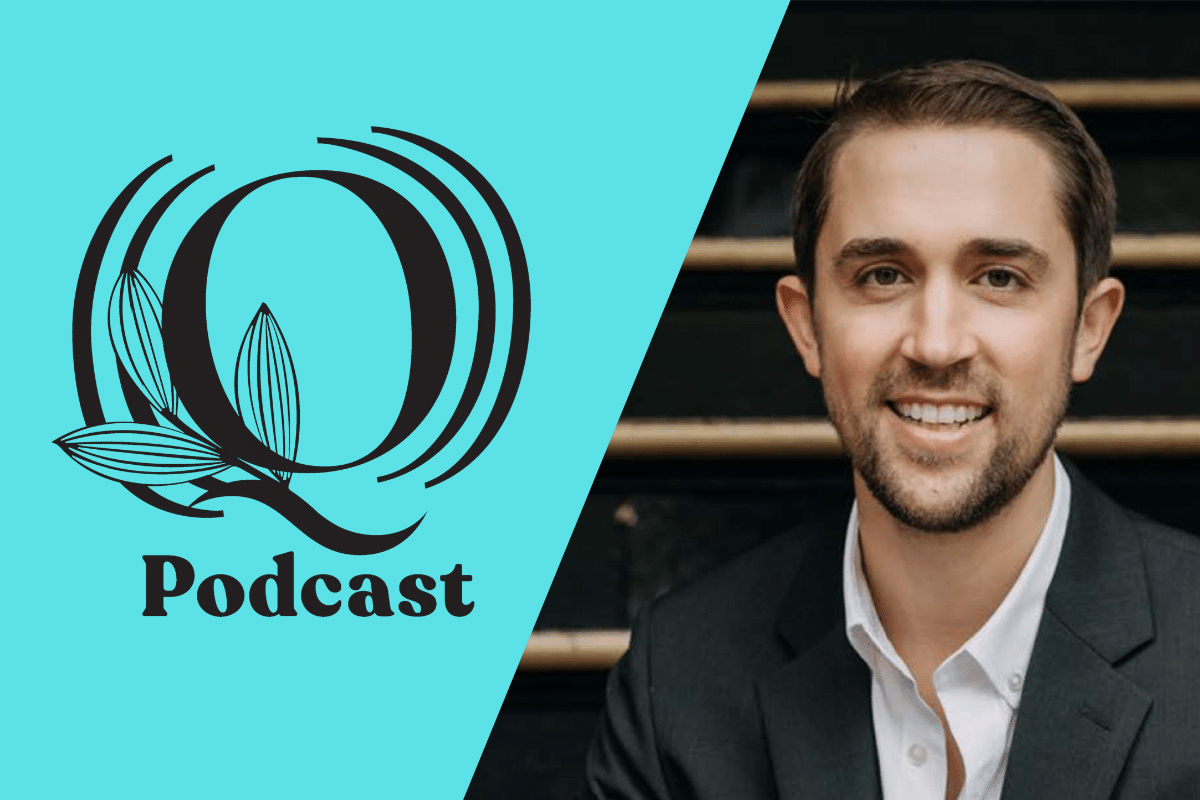
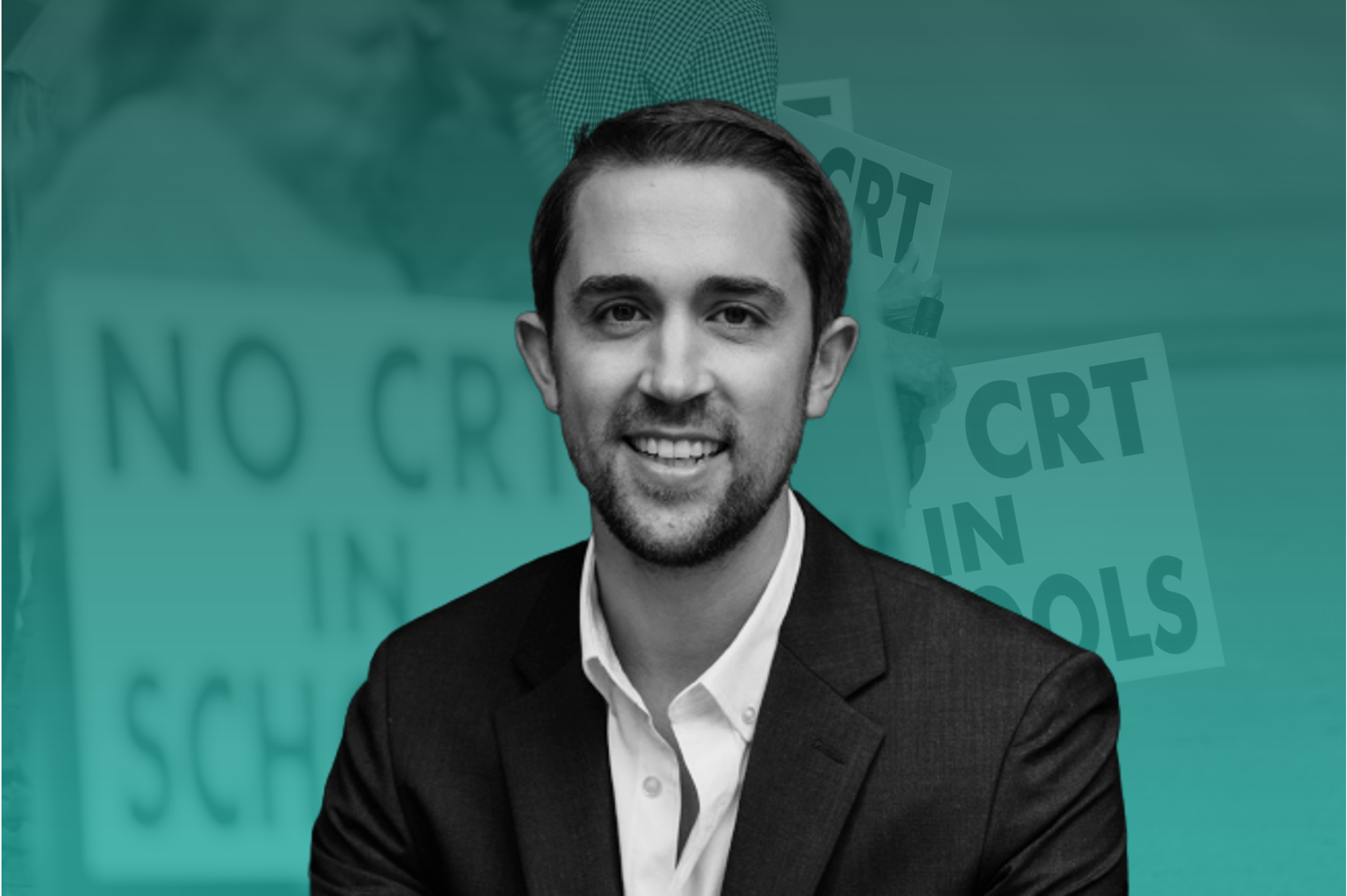
Quillette’s Jonathan Kay talks to activist Christopher Rufo about his new status as conservative intellectual celebrity—and asks whether the rising opposition to progressive ideological radicalism can go too far.
The increasing power of college diversity bureaucrats over academic affairs since the 1990s has been stunning.