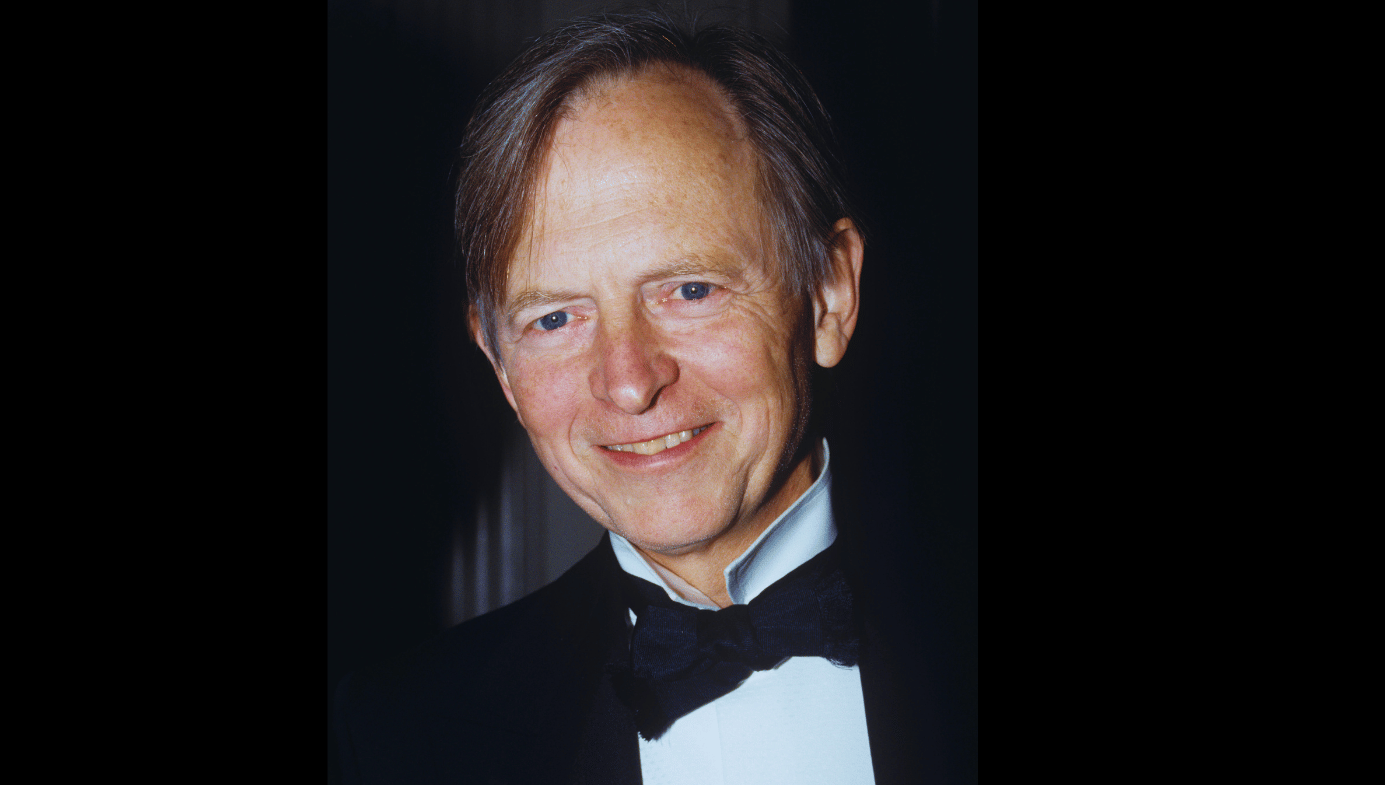
An Eye for the Jugular
A new documentary looks back on the life and work of satirist, novelist, and New Journalist, Tom Wolfe.
Thomas Doherty
· 11 min read
A new documentary looks back on the life and work of satirist, novelist, and New Journalist, Tom Wolfe.
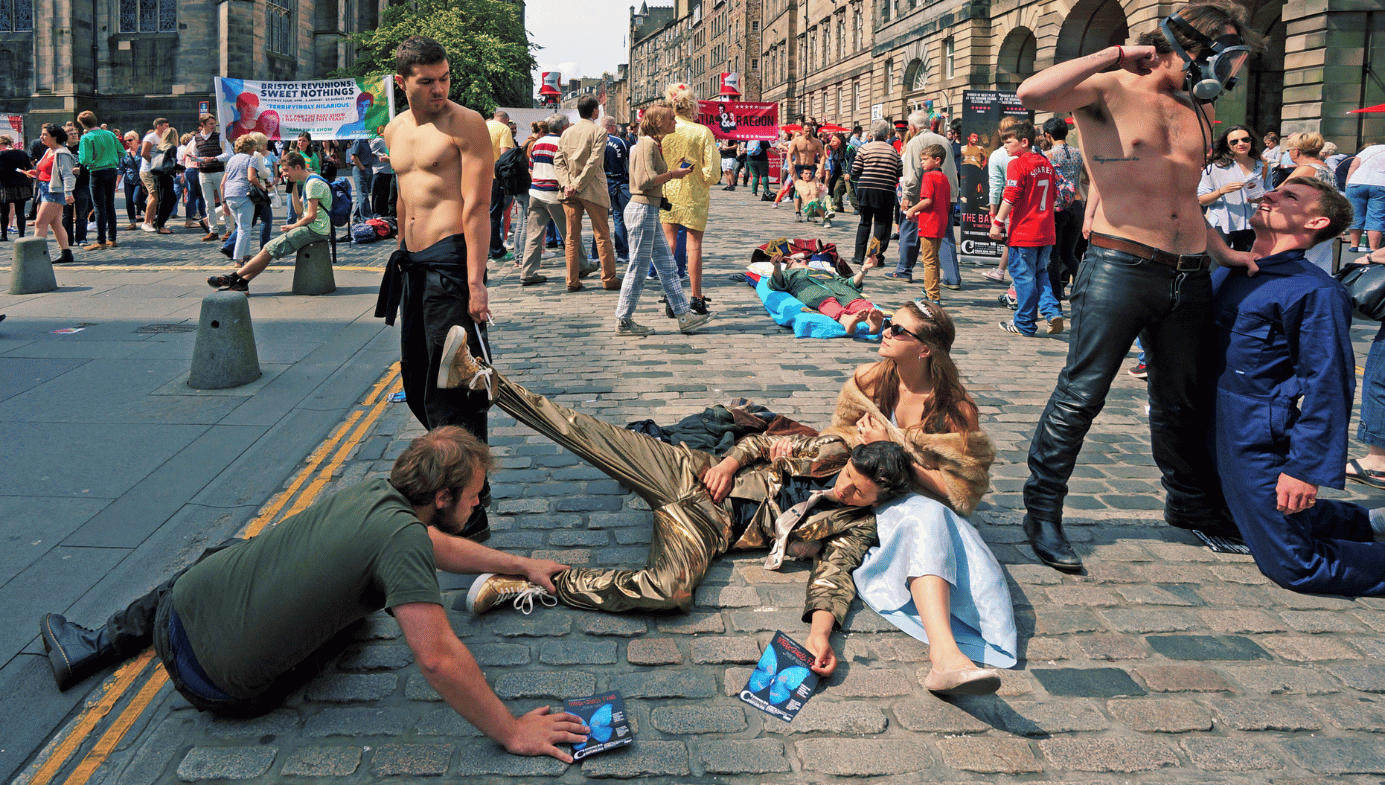
A former artistic director of the Nanaimo Fringe Festival describes how transgender activists engineered her ouster.

Contemporary antiracism imposes an American framework that distorts our understanding of racial issues in different countries.
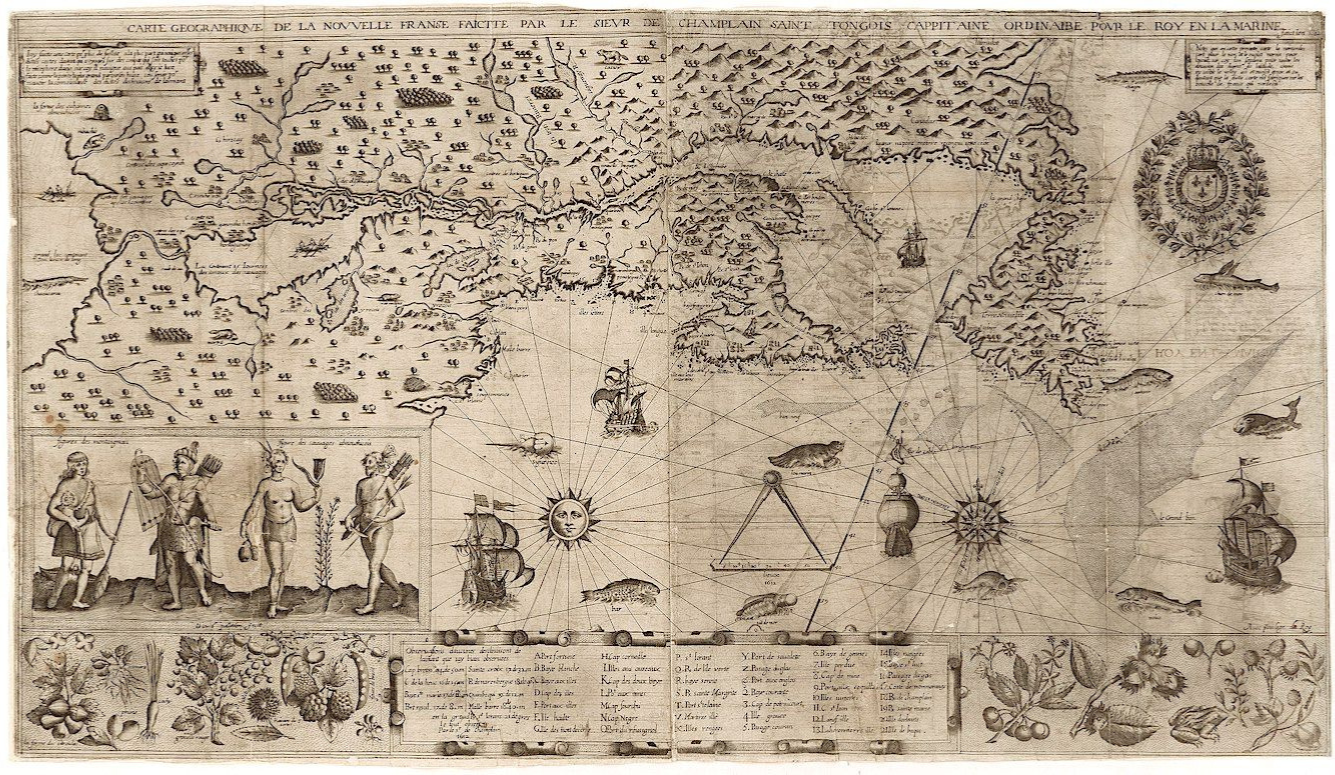
In the thirteenth instalment of our series on the history of Canada, Greg Koabel describes the crucial battlefield alliance that French explorers forged with Indigenous allies in 1609.

“The deep end is the best place to learn to swim.”
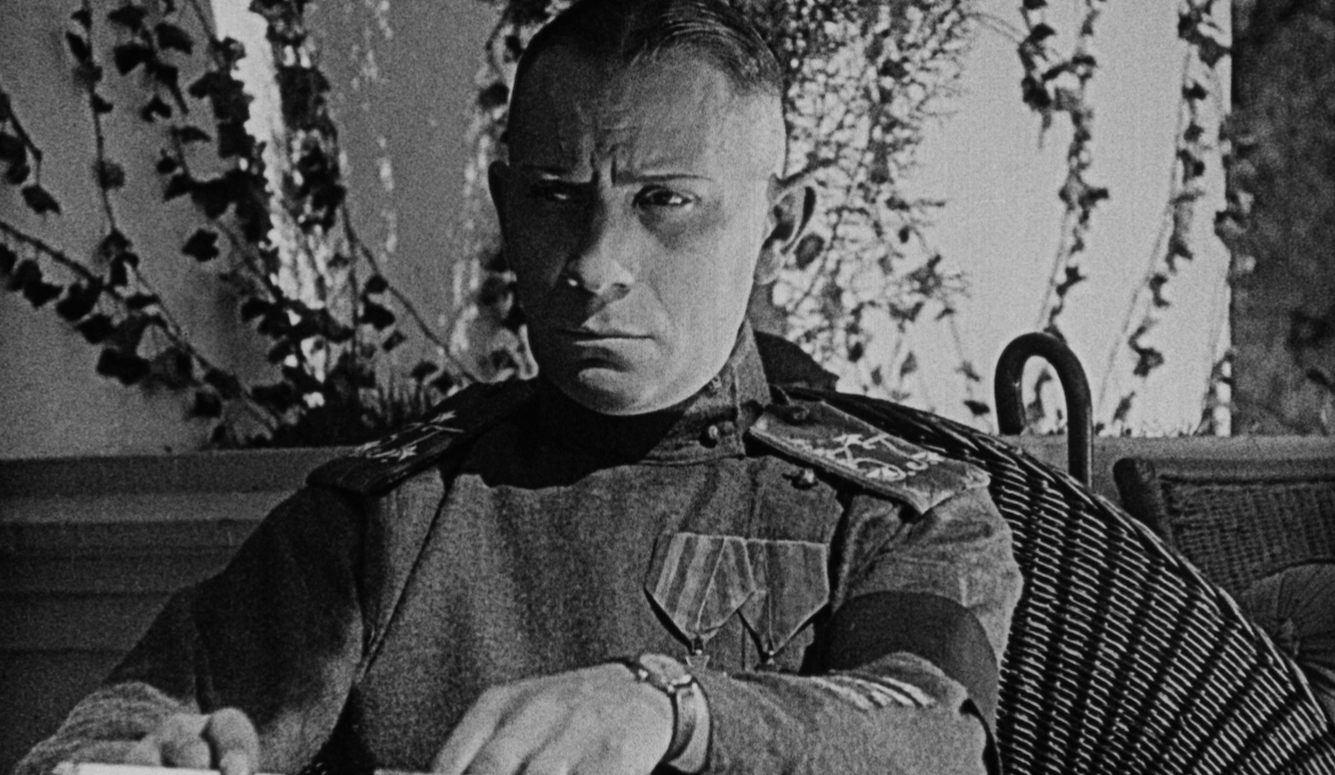
A newly restored Blu-ray release of ‘Foolish Wives’ offers a welcome reintroduction to one of cinema’s most gifted and eccentric artists.
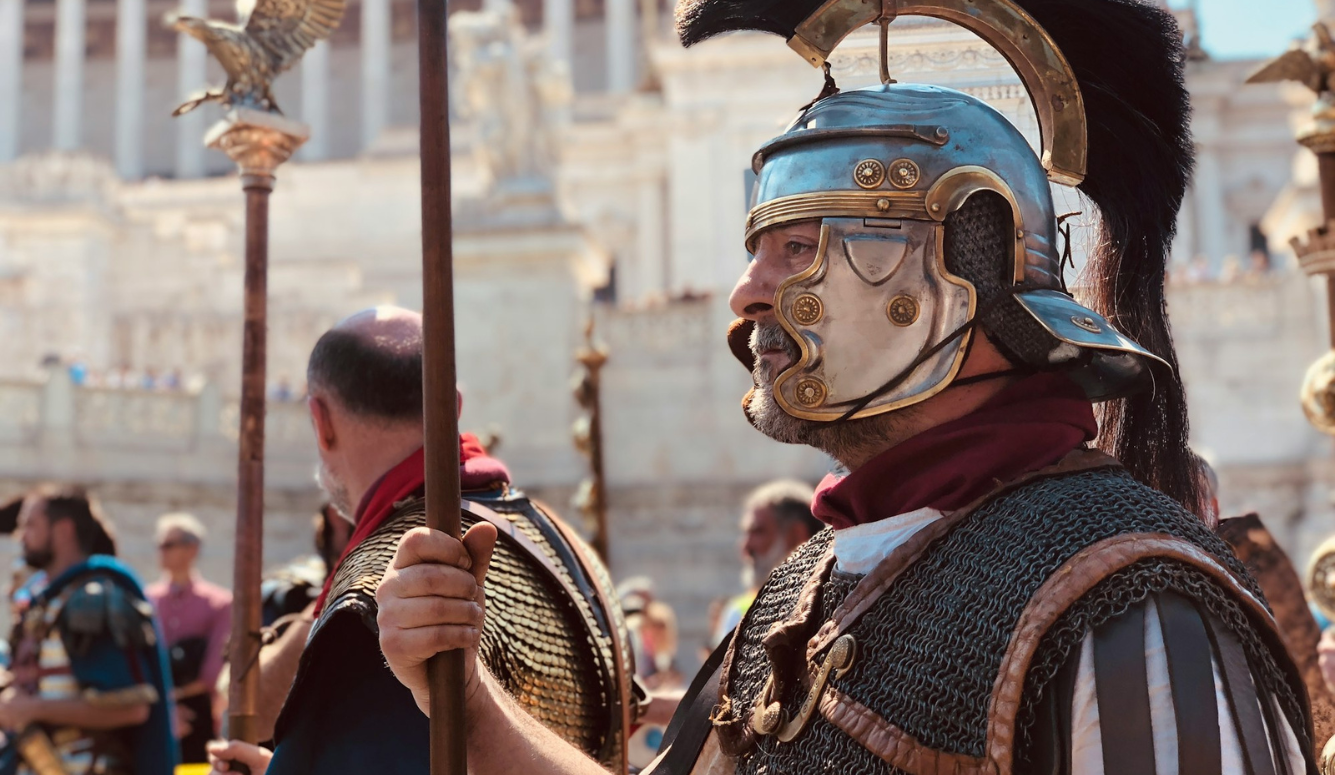
We are all Rome’s children. Its legacy is everywhere we look.
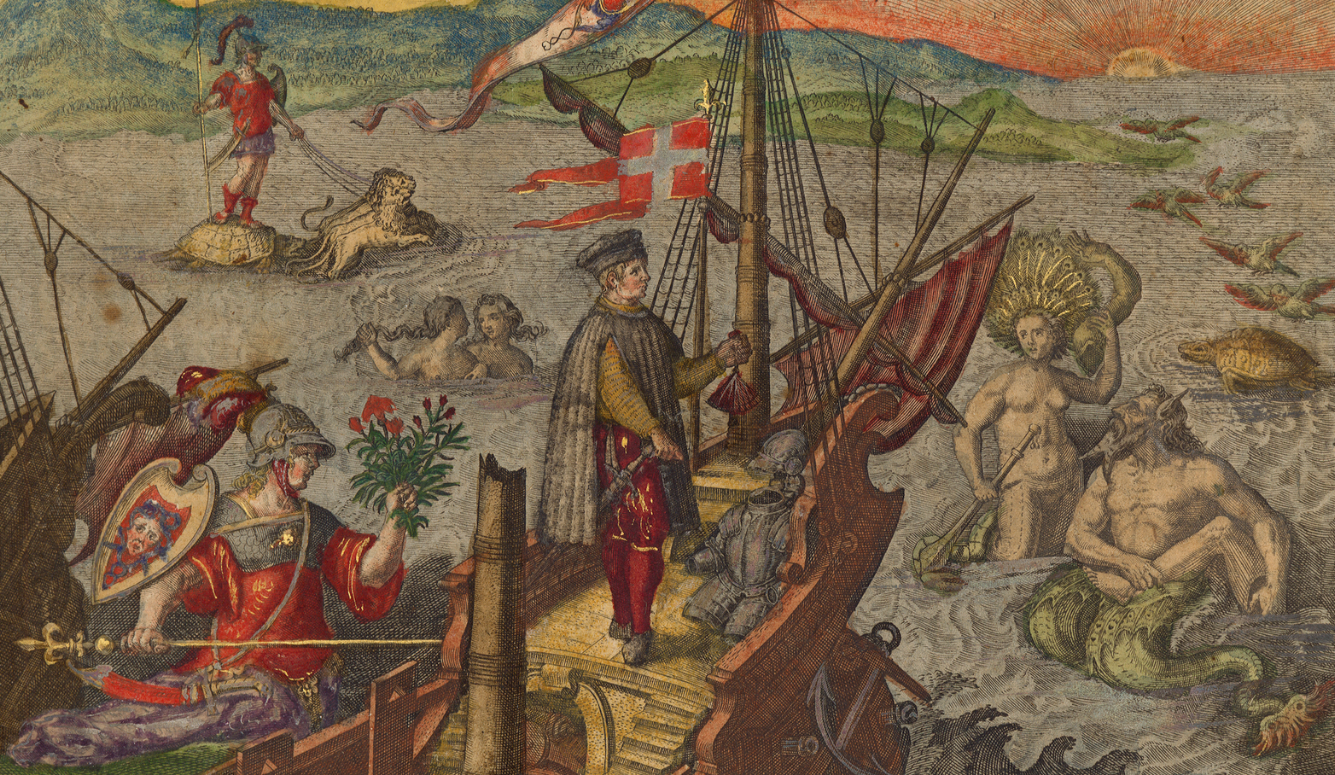
The world is better than it would have been had we remained isolated from each other—even for Native Americans.
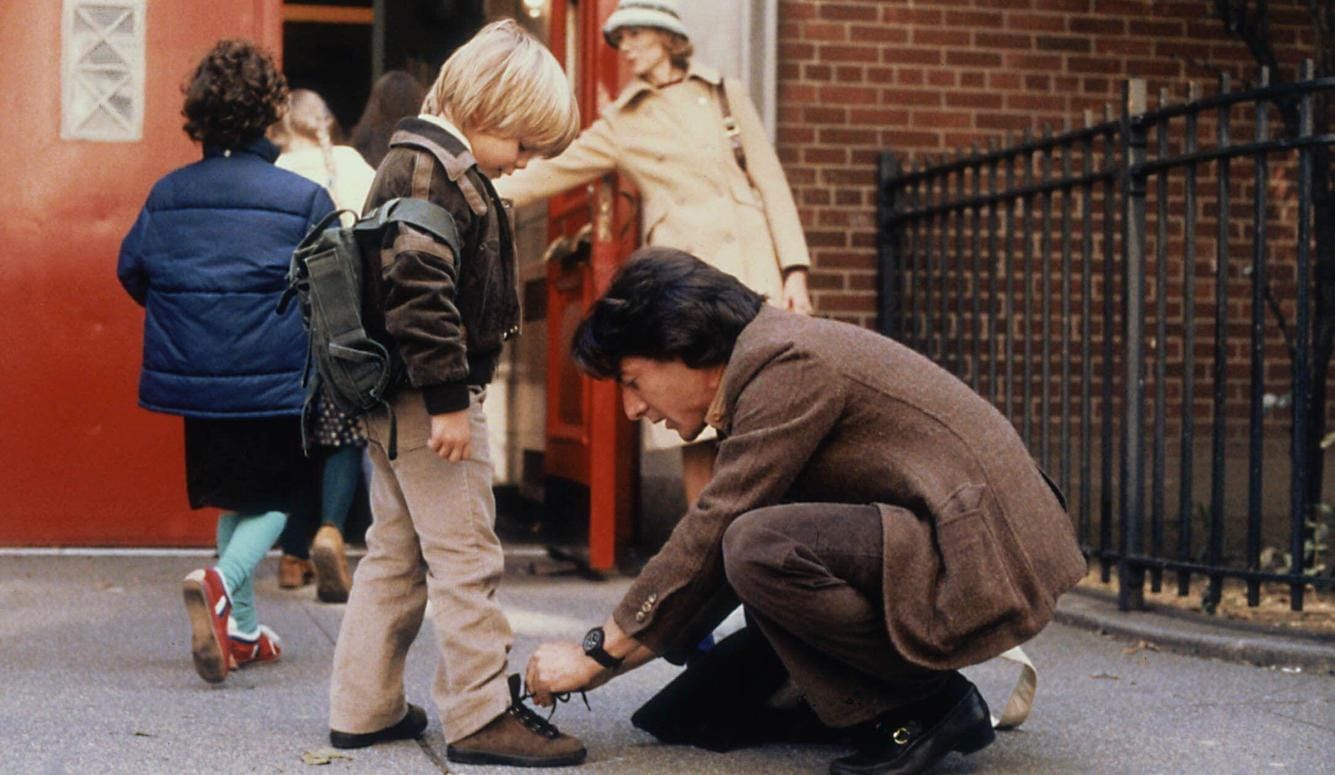
A look back at the career of Avery Corman, who found popular success with ‘Kramer versus Kramer’ before running afoul of feminism.

Huxley’s dystopian novel was a warning, but we are systematically moving in the direction he indicated.
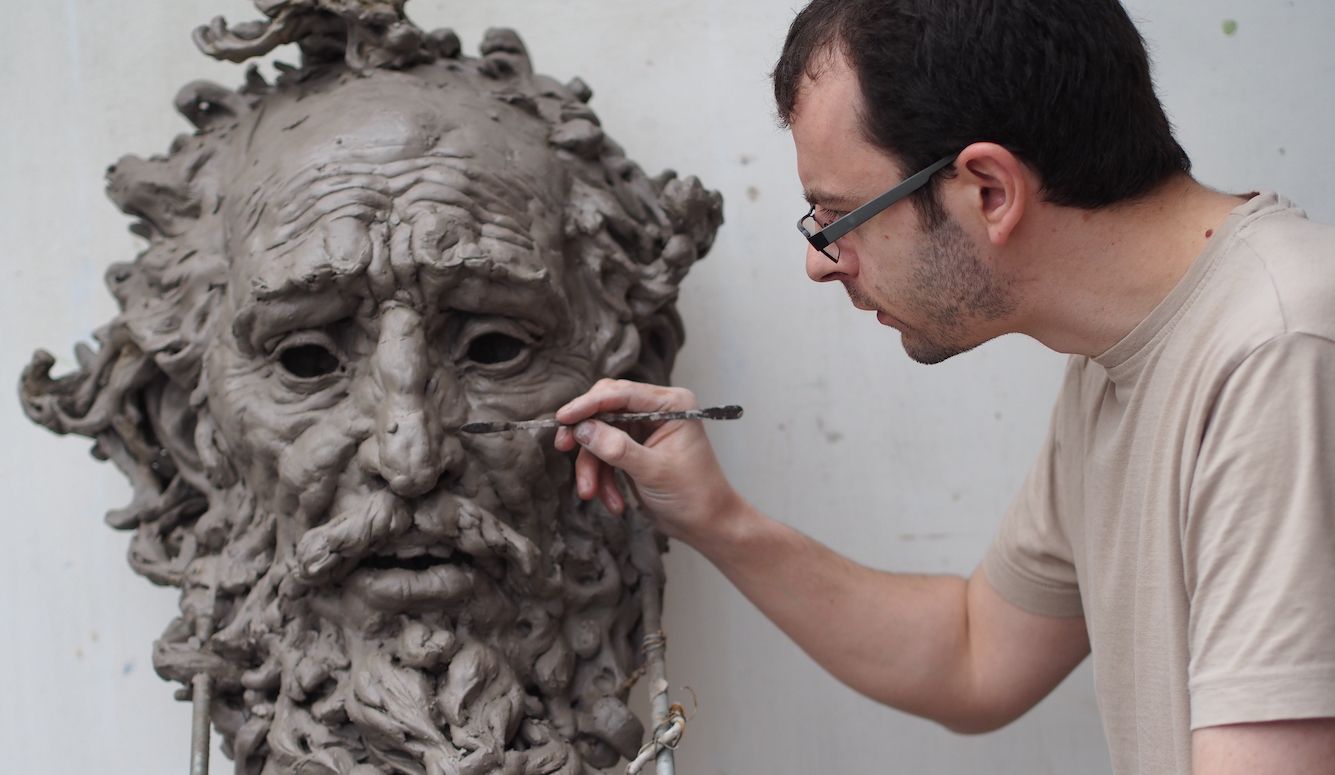
Narrative art has been deeply unfashionable for about a century. But aren’t art and stories inextricable?

In the third instalment of ‘The So-Called Dark Ages,’ podcaster Herbert Bushman describes the rise of Alaric I, whose Gothic armies roamed Greece and the Balkans before marching on Rome itself.
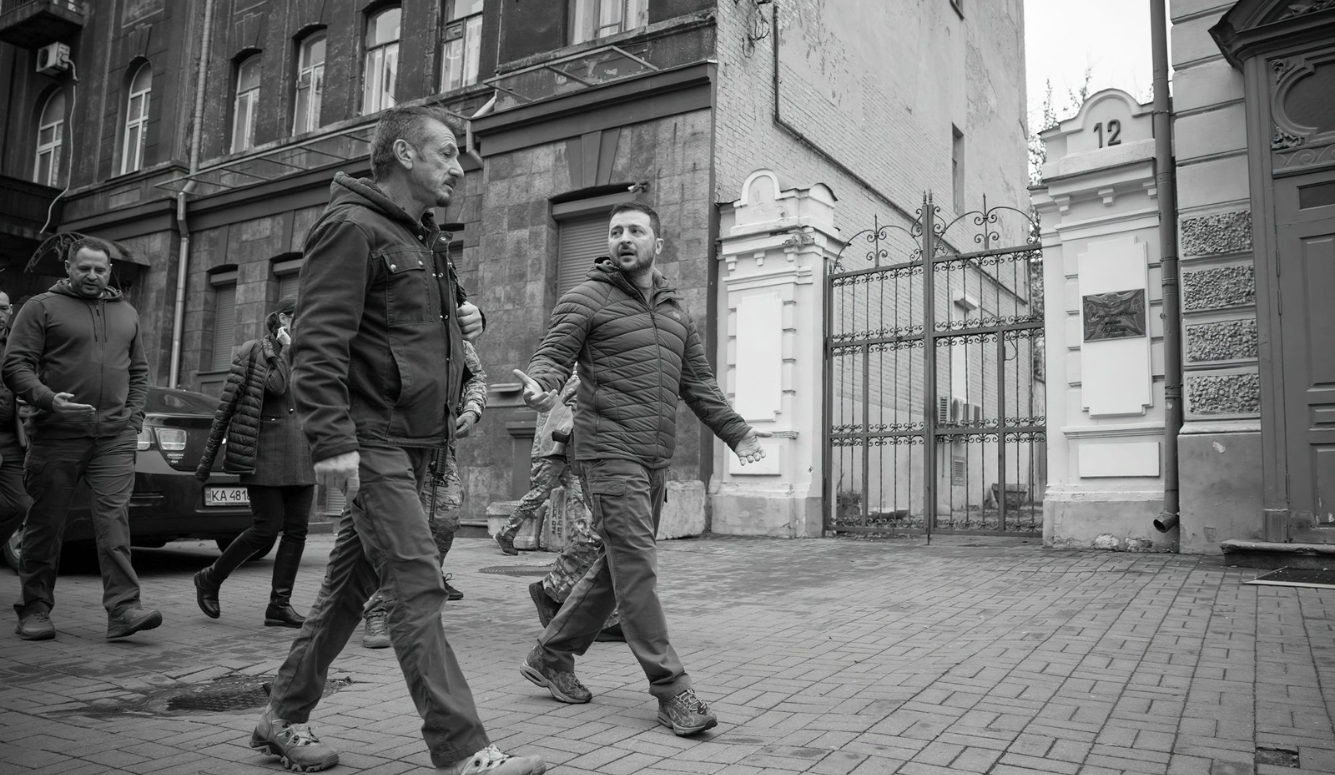
Sean Penn’s surprising new documentary explores “extreme history” in war-torn Ukraine.
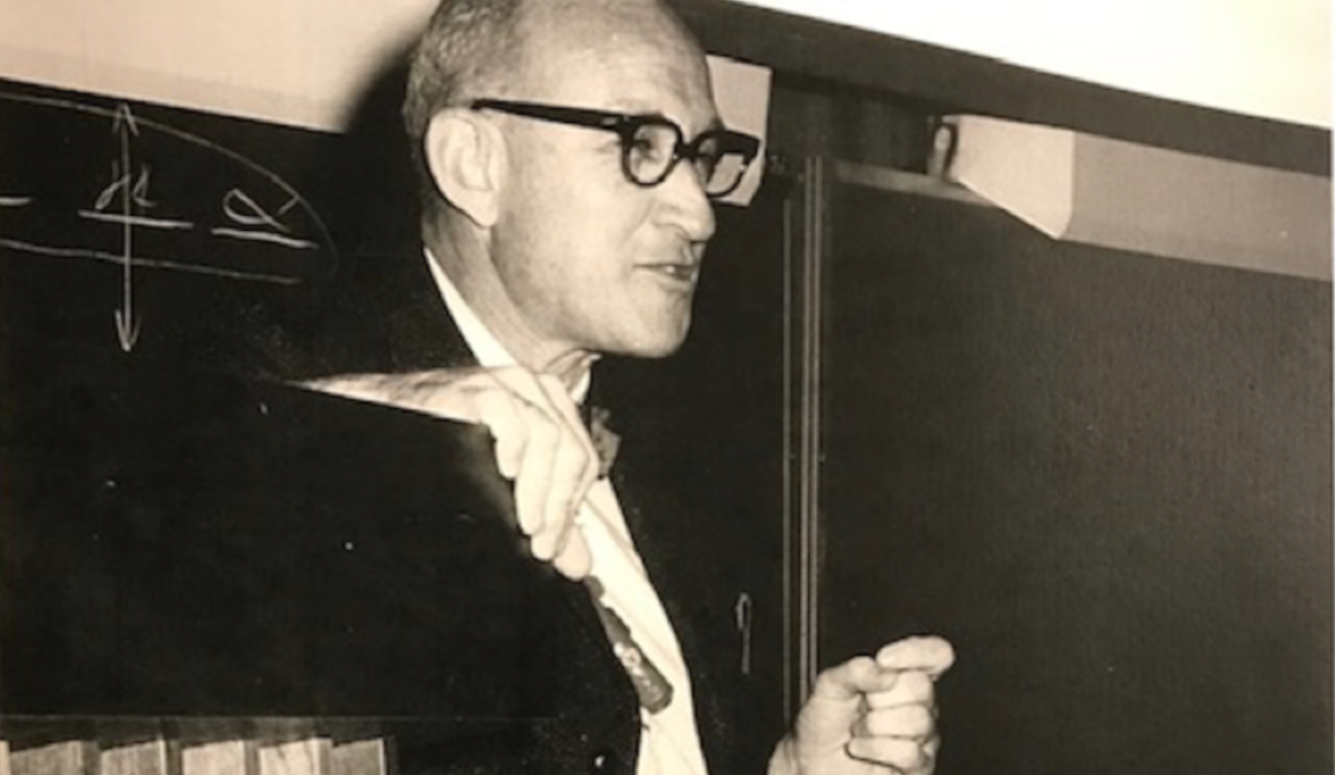
Reflections on a vibrant scientific career cut short.
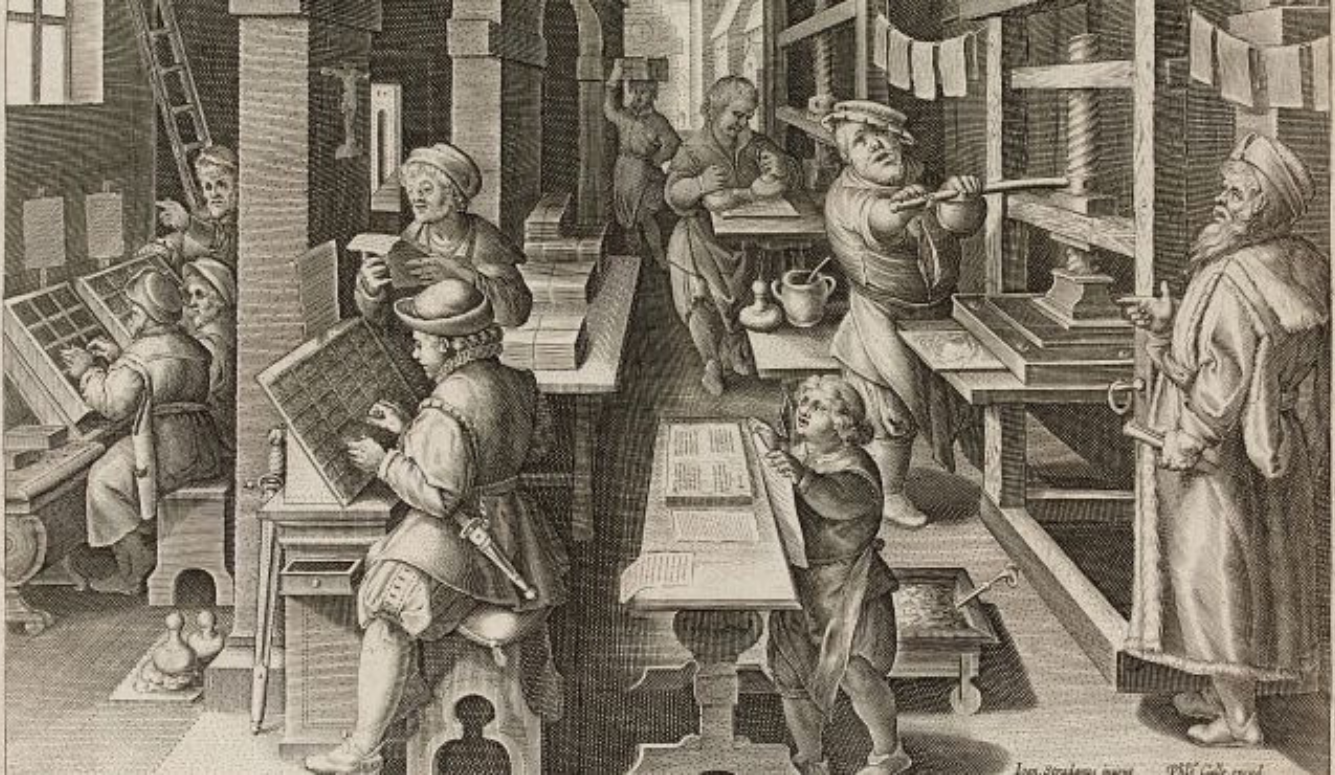
Like the first iPhone, Gutenberg’s Bible opened up avenues of development that entrepreneurs have been exploiting ever since.