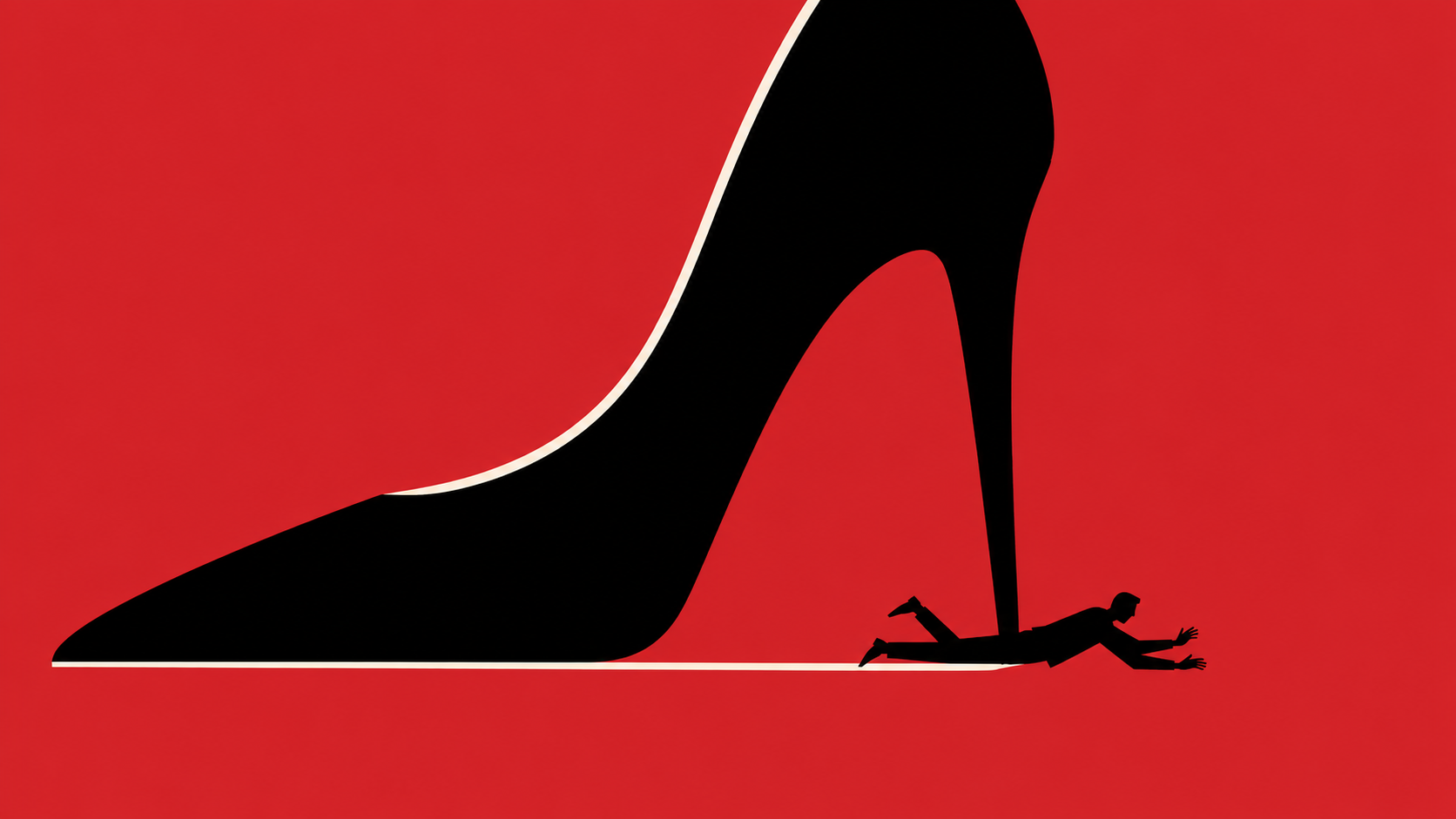
Ayaan Hirsi Ali
Feminism's Blind Spot: the Abuse of Women by Non-White Men, Particularly Muslims
Some feminists in the West insist that the veil—not just the hijab, but also more restrictive coverings such as the burka—should be seen as not only benign, but actually empowering.
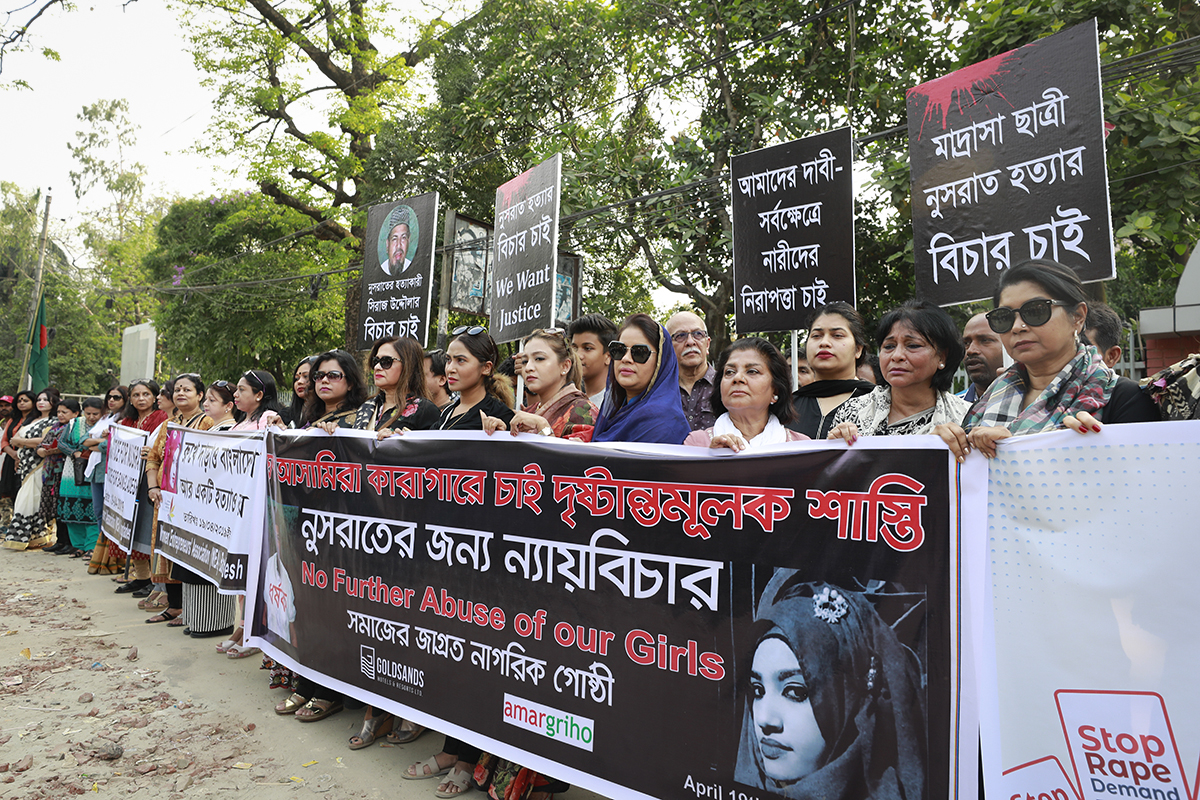

Nusrat Jahan Rafi was a young woman who attended a madrassa in the rural town of Feni in Bangladesh. In late March of this year, she attended the local police station to report a crime. Nusrat alleged that the headmaster at her madrassa had called her into his office several days before and sexually assaulted her. After the assault, Nusrat told her family what had happened and decided to make a report to the police, no doubt trusting that they would treat her with some decency. The officer who took her statement did no such thing. He videotaped it on his camera phone and can be heard on the footage telling her that the assault was “not a big deal.” The headmaster was arrested, but someone within the police leaked the fact that Nusrat had made allegations against him and the footage of her statement ended up on social media. She was soon receiving threats from students at the madrassa as well as other people in the community. Influential local politicians expressed their support for the headmaster and crowds gathered in the streets of Feni demanding his release. Defiant, Nusrat insisted on going into the madrassa to sit her exams, but while there she was tricked into going up onto the roof of the building with a fellow female student. She was then set upon by a group of people who tried to persuade her to withdraw her allegations. When she refused, they doused her with kerosene and set her alight. Some of the men arrested have since told police that the attack had been planned and ordered by the headmaster from prison. Nusrat survived long enough to describe what had happened, but died in hospital on 10th April. She was 19.
It’s difficult to imagine a more tragic example of the terrible dangers that women can face in speaking out about sexual violence, nor the lengths that some people will go to in order to protect perpetrators from exposure. In Bangladesh there has been a huge response to Nusrat’s murder. Tens of thousands of people attended her funeral prayers, and there have been protests in the capital Dhaka. Bangladeshi feminists have used the case to draw attention to the high rates of sexual abuse in the country and the mistreatment of victims by police.
The news has recently started filtering through to the Western media, but thus far prominent feminists have been noticeably silent. At the time of writing, there has been no mention of Nusrat’s murder in the major third wave feminist websites Jezebel, Feministing, and Everyday Feminism. Notably, the radical feminist platform Feminist Current has reported on the case—this is the site edited by Canadian journalist Meghan Murphy, considered so reprehensible by Twitter that she has been banned. Although there have been reports on the murder in the international sections of most newspapers, Nusrat’s name has not appeared on the comment pages of any of the major Left-leaning anglophone newspapers: the New York Times, the Guardian, the Huffington Post, the Independent, or the Sydney Morning Herald.
This is partly because news outlets tend to be rather parochial. There’s a reason that following the Easter Sunday terrorist attacks in Sri Lanka most U.K. newspapers led with stories about U.K. nationals who had been killed or lost loved ones, and it’s not because journalists are indifferent to the suffering of people overseas—or, at least, no more than anyone else. Readers set the agenda, and in the age of online news, editors know precisely and to-the-minute which stories are attracting the most eyeballs. The harsh reality is that events that take place in non-Western countries are less interesting to Western readers, and so get less coverage. This applies to all stories, not just those that involve violence against women.
So to some extent the failure of Western feminists to comment on Nusrat’s murder is due to a more general lack of interest in international news. Nevetherless, it does play into a longstanding criticism of Western feminists: that they focus exclusively on issues affecting women in their own countries and ignore abuses that take place overseas. Sometimes this criticism is simply a transparent attempt to trivialise the sexism women experience in the West and this is a rhetorical ploy I have little time for. Despite the huge strides made in the last century, women continue to face sexual violence and intimate partner abuse at far higher rates than men, regardless of which part of the world they happen to live in. Western women are also disproportionately affected by other forms of mistreatment that cause terrible suffering, as are women in the non-Western world. Yes, no matter how bad one woman’s situation is, there will always be another woman worse off. But it helps no one to descend into a game of oneupmanship in the style of Monty Python’s four Yorkshiremen.
But still, there is something to the claim that Western feminists neglect the suffering of women overseas. I know that many feminists simply roll their eyes at those who make this criticism, but refusing to address the most obvious criticisms of your ideology leaves gaping holes that undermine the movement as a whole, and a reluctance to take part in debate produces campaigners who are incapable of composing a cogent response when faced with even the weakest arguments.
And this is not a weak argument. There are forces at play within feminism that lead to tragedies like Nusrat’s being overlooked, and we should think seriously about the effect this has on women in places like Bangladesh. I have written previously in Quillette about why the most severe forms of sexist abuse are often neglected in mainstream feminism. There are several factors that contribute to this phenomenon: the tendency on the part of feminist campaigners to prioritise forms of sexism that they have personally experienced; a media appetite for controversy paired with a reluctance to report on distressing cases; and also a competitive culture within feminism that encourages activists to ‘out woke’ each other in condemning increasingly mild forms of sexist behaviour, while ignoring outright horrors.
There is another factor at play in this particular case, and it pokes at a particularly sore spot for the Regressive Left. It’s impossible to ignore the fact that Nusrat’s murderers were partially motivated by a particularly conservative strain of Islam that seeks to impose brutal restrictions on women. Yes, it is common for victims of sexual violence to be punished for speaking out, whether or not they live in Muslim-majority countries. But the ferocity of the response to Nusrat’s disclosure went well beyond what we see in the West. This provokes discomfort among Western feminists who are so eager to prove that they are not racist that they are prepared to ignore all manner of abuses perpetrated against Muslim women by Muslim men.
 Timothy Cootes
For instance, in response to the Christchurch attacks in March, some non-Muslim New Zealand women, including Prime Minister Jacinda Ardern, chose to wear a hijab to demonstrate their solidarity with the victims of the atrocity and their families. The act was clearly well intentioned, and may have provided some comfort to Muslim New Zealanders. But it was also tone deaf because, at the same time that New Zealand women were choosing to wear the hijab, Iranian feminists were desperately fighting to be free of it. Dozens of Iranian women have been arrested over the last two years for their involvement in a campaign to remove the legal requirement for women to wear headscarves in public. Some of these women have been tortured in prison. Did the New Zealand women who donned the hijab know about this brave campaign? I’m guessing not.
Some feminists in the West insist that the veil—not just the hijab, but also more restrictive coverings such as the burka—should be seen as not only benign, but actually empowering. Meanwhile, campaigners like Ayaan Hirsi Ali, who draw attention to the suffering of Muslim women, are turned into pariahs. There is a shocking double standard: forms of oppression that Western women would never accept for themselves are excused when they are imposed on women in the Muslim world.
Jeffrey Tayler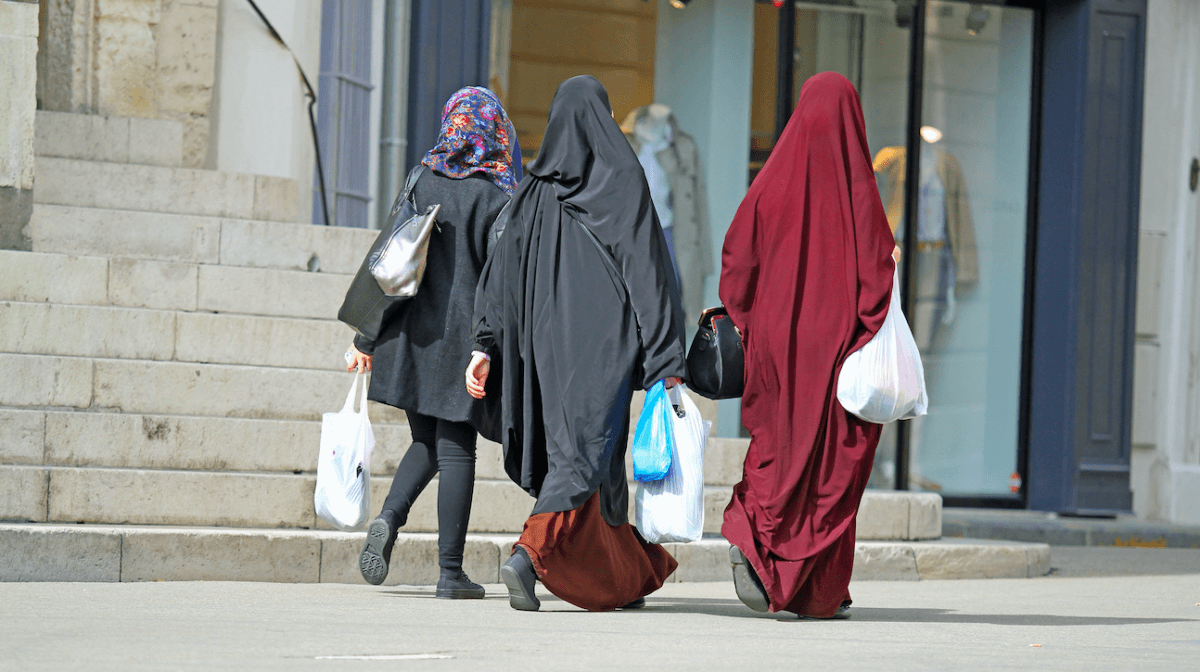
It’s not as though Western feminism is not interested in the effects of race, religion, and nationality on women’s experiences of sexism. Criticism of Christianity is par for the course, particularly when it comes to the Catholic church. And many contemporary feminists are highly agitated about racism within the movement, disowning feminists who have now become associated with racist ideas—for instance, the American suffragist Susan B. Anthony. Given this, you might think that the suffering of women of colour under theocratic regimes would consistently be given precedence in feminist campaigning.
But the sticky issue for feminists who are also part of the Regressive Left is that the perpetrators of abuse against non-white women are mostly non-white men. Standing up against these misogynists leaves one open to accusations of racism, and most Western feminists are not willing to take that risk. Even ex-Muslims like Hirsi Ali can’t escape accusations of Islamophobia. She’s courageous enough to withstand these attacks, but most people aren’t.
Keep reading
What the Navigators Knew
Gemma Tognini on Australia’s Political Revolt
Rubio in Athens

How France Lost Control of Its Streets
How to Suppress Men’s Writing