
The Passing of the Second Imperial Age
The US’s hegemonic period, now shrinking, often looked like empire, especially the British version, which it mostly replaced.
John Lloyd
· 13 min read
A collection of 1267 posts
The US’s hegemonic period, now shrinking, often looked like empire, especially the British version, which it mostly replaced.
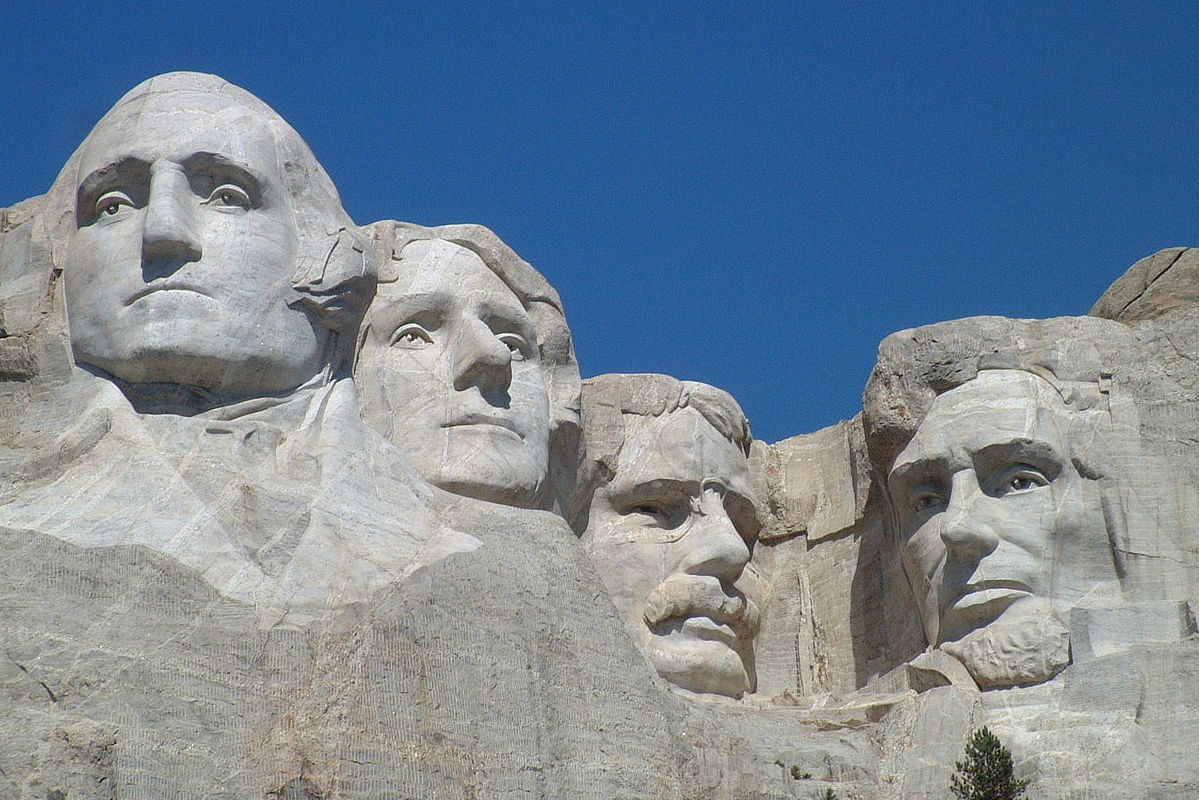
Nwanevu is predictably coy about affirmative action, the most explicit form of institutional racism in the United States.

America’s racial inequities, of which police brutality is only a minor part, must end.

Dozens of scholars threatened to resign from the college if my appointment were allowed to stand.
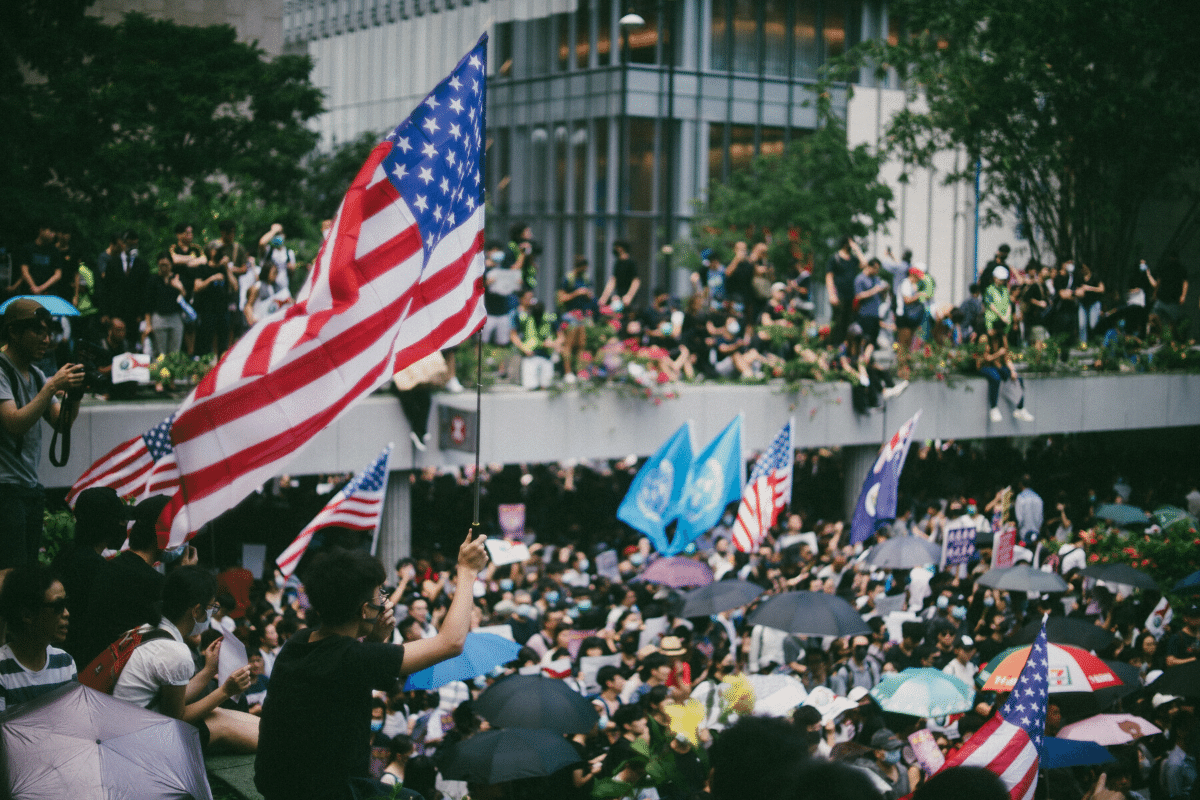
Accepting Hongkongers into our countries would be good for us.

The Congo has a way of putting first-world prophecies of climate apocalypse into perspective.
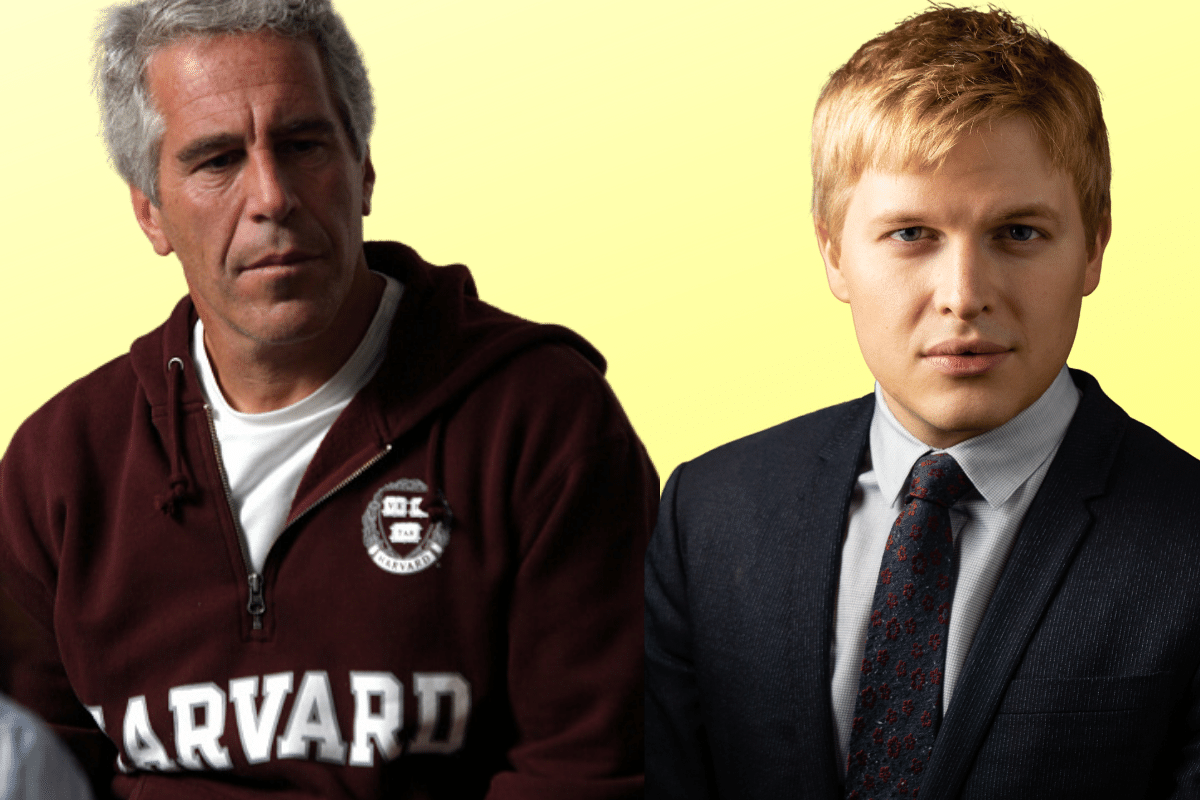
The New Yorker story remains an albatross around my neck.
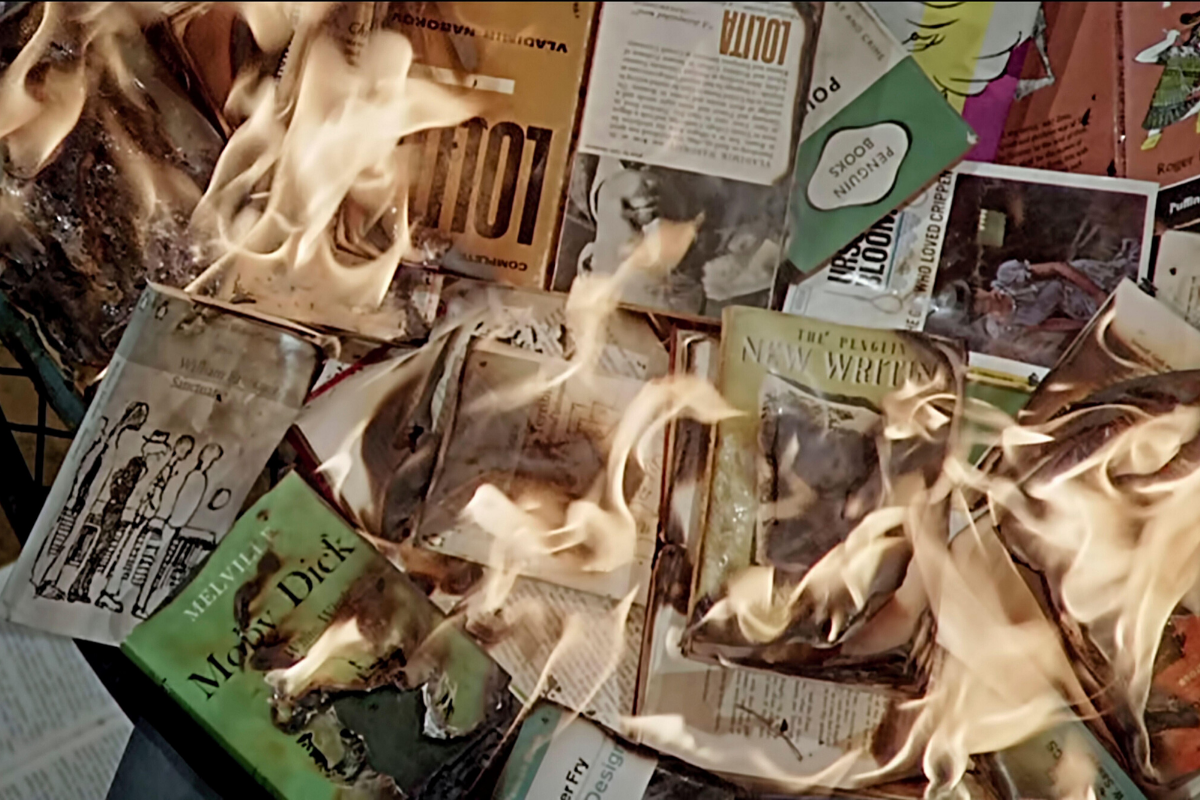
Free speech is subordinate to the private property rights of whatever resources are needed to speak in the first place.
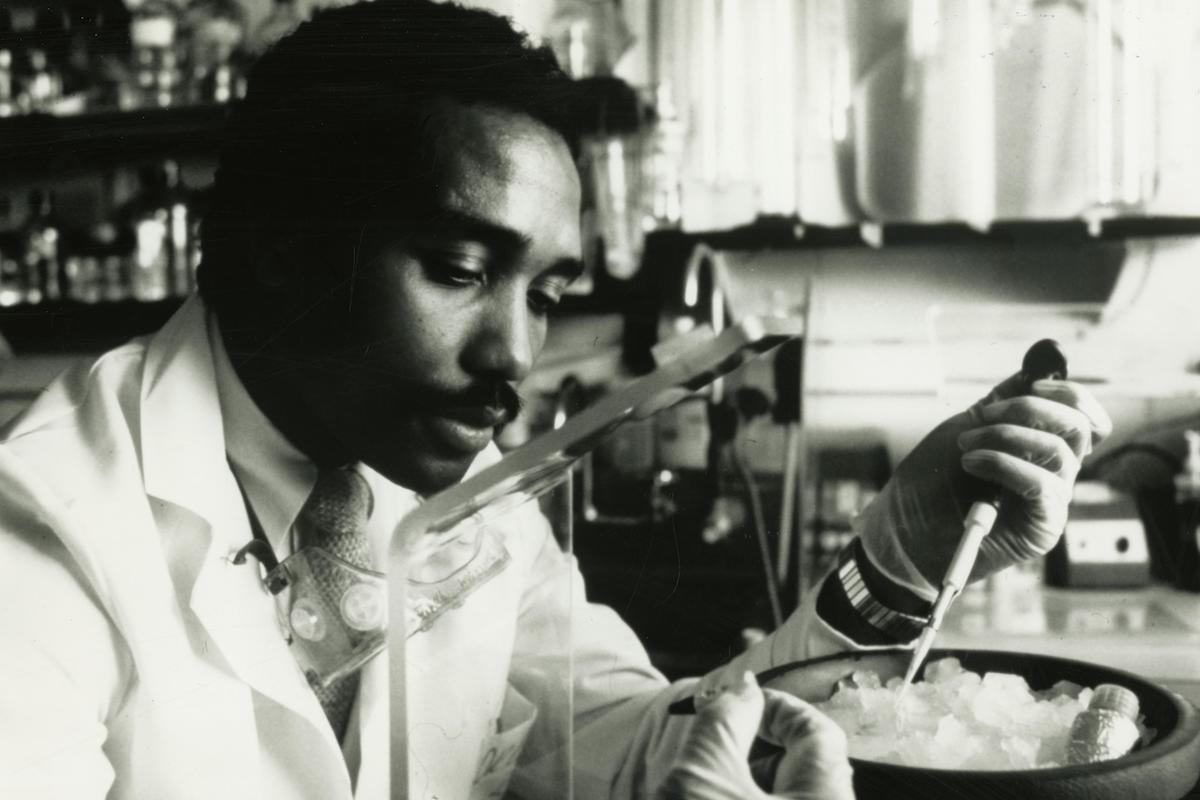
In the case of COVID-19, we know that diabetes, hypertension, and obesity all are significant comorbidities.

There are fewer tenured black physicists at universities and laboratories because there are fewer black PhD physicists.
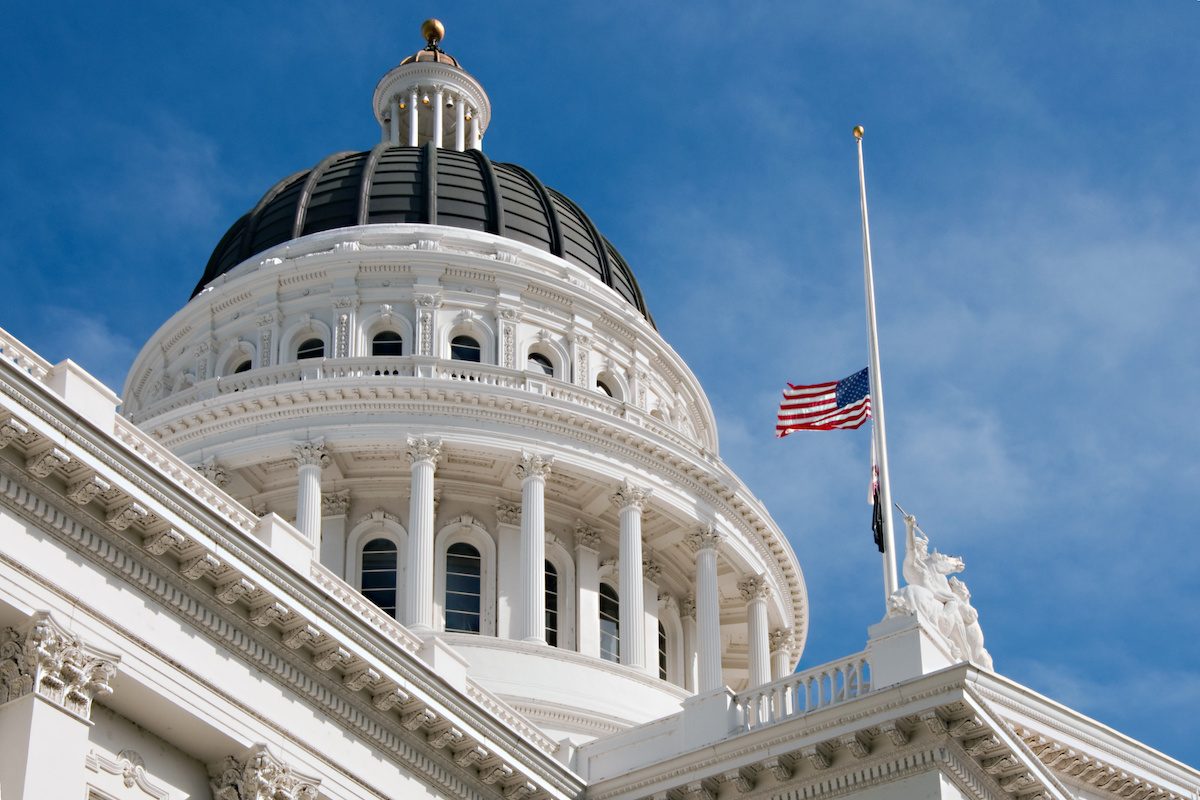
India’s reticular caste system poses unique problems. Legions of ethnic groups seek categorization as “backwards classes.”

Globalization has made our food ridiculously cheap compared to previous eras. But perhaps that’s part of the problem.

It is not unreasonable to consider avoiding research that risks creating unmanageable divisions.

To call SARS-CoV-2 the “pandemic of the century” is a figure of speech, and an optimistic one at that.
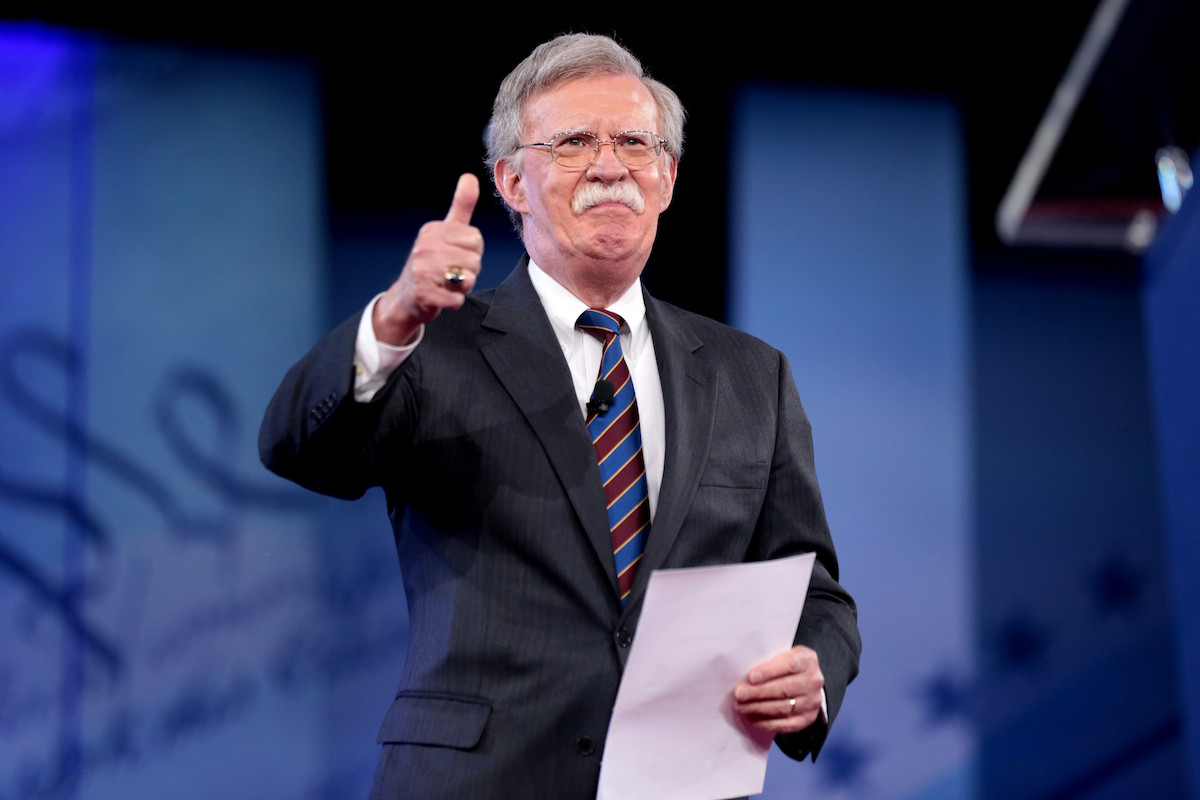
Money is a consistently recurring theme. Trump told Bolton at one point that other presidents had not talked about money, but that he liked to do so.