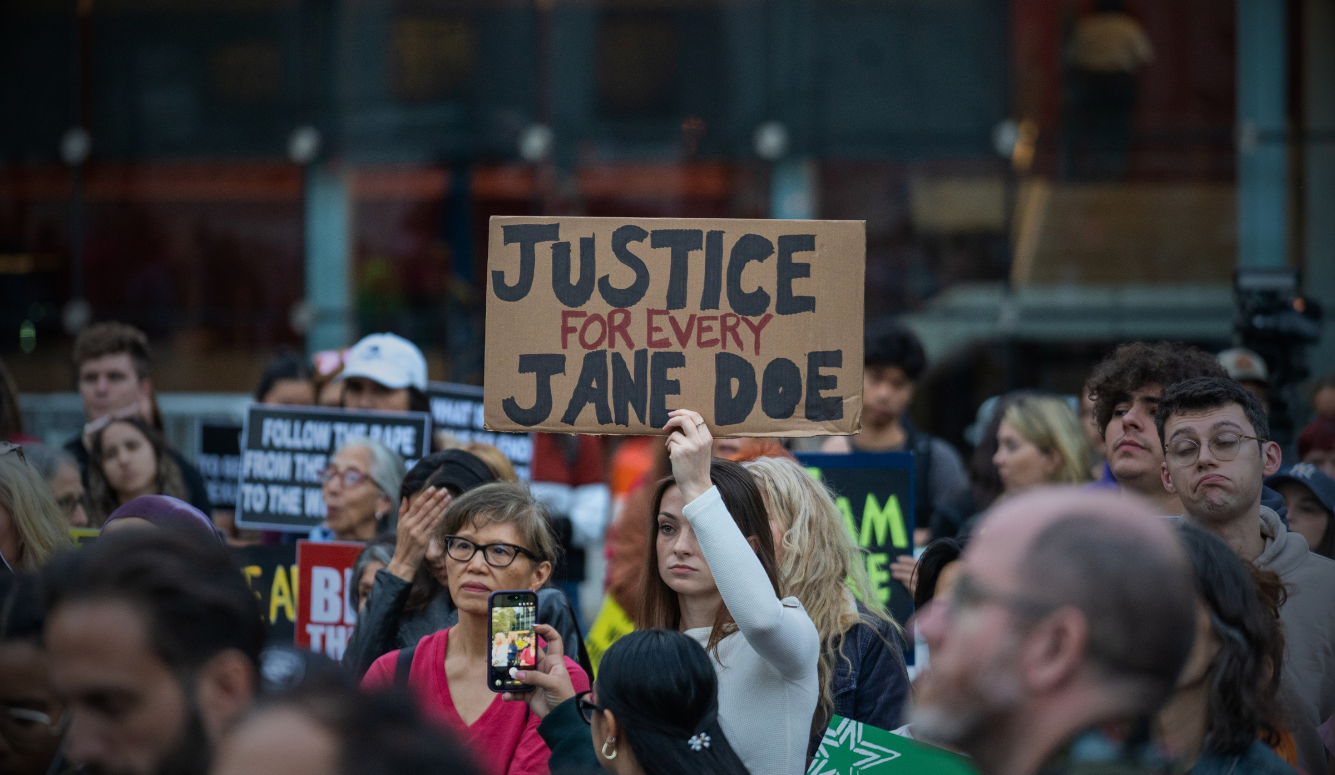
Cornell and Consent
An open letter to young men and women from an exasperated mother.
Marilyn Simon
· 16 min read
A collection of 127 posts
An open letter to young men and women from an exasperated mother.
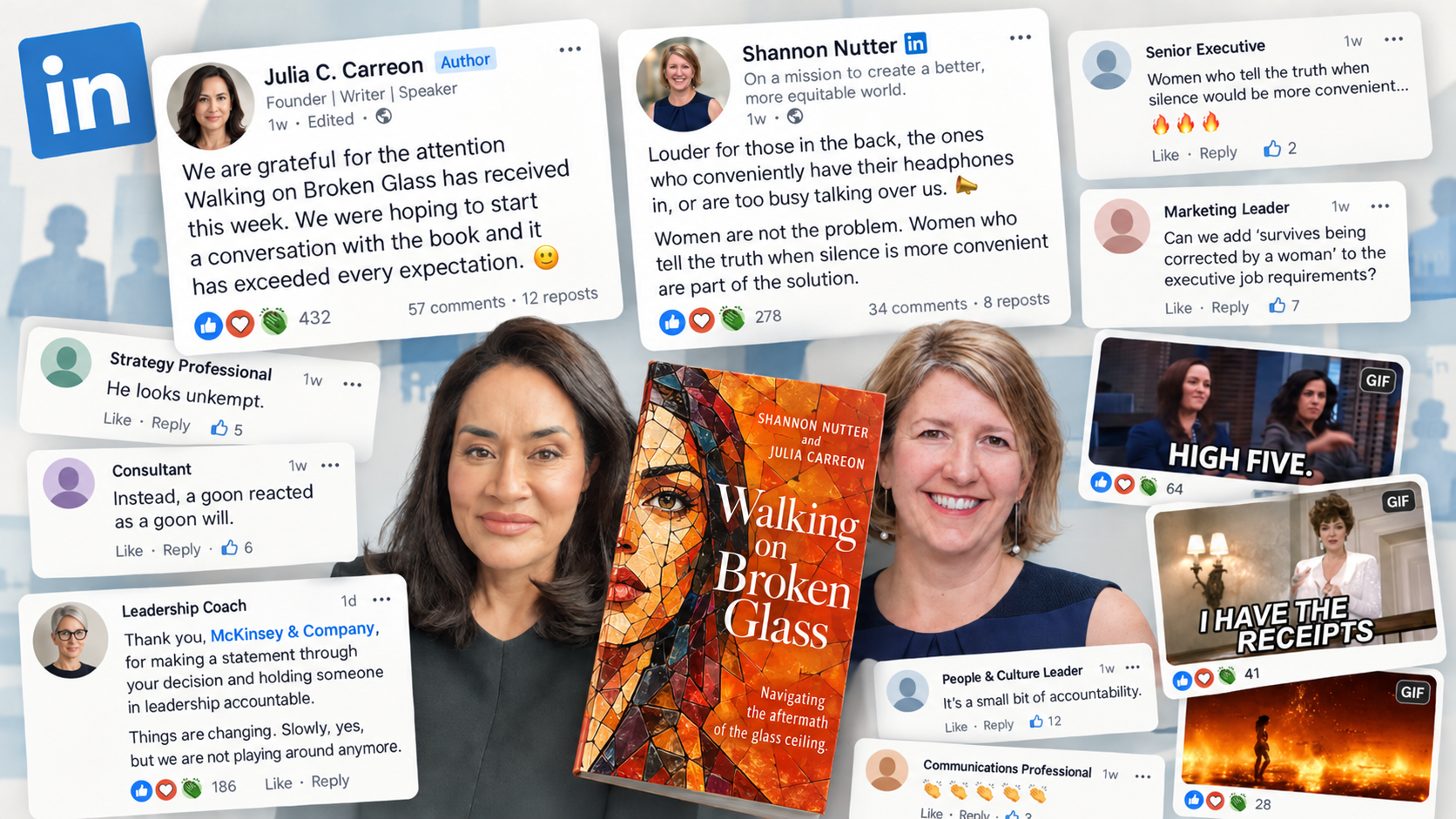
How a LinkedIn spat over the “glass cliff” cost McKinsey partner Chris Bradley his leadership role, and became the centrepiece of a book launch.
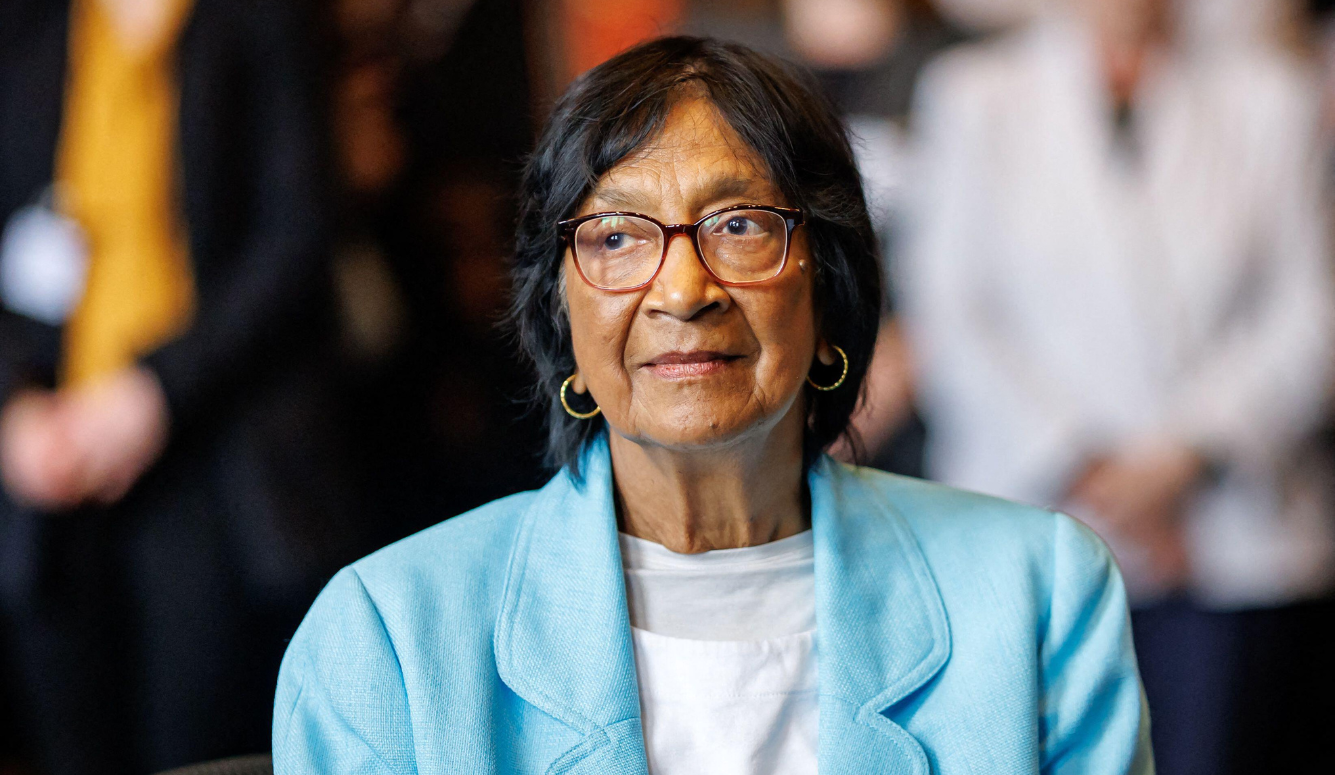
Navi Pillay’s appalling treatment of Hamas’s sexual violence provides ample reason to deny her any prestigious honours. But she is also dangerous to the very international legal system that she pretends to uphold.
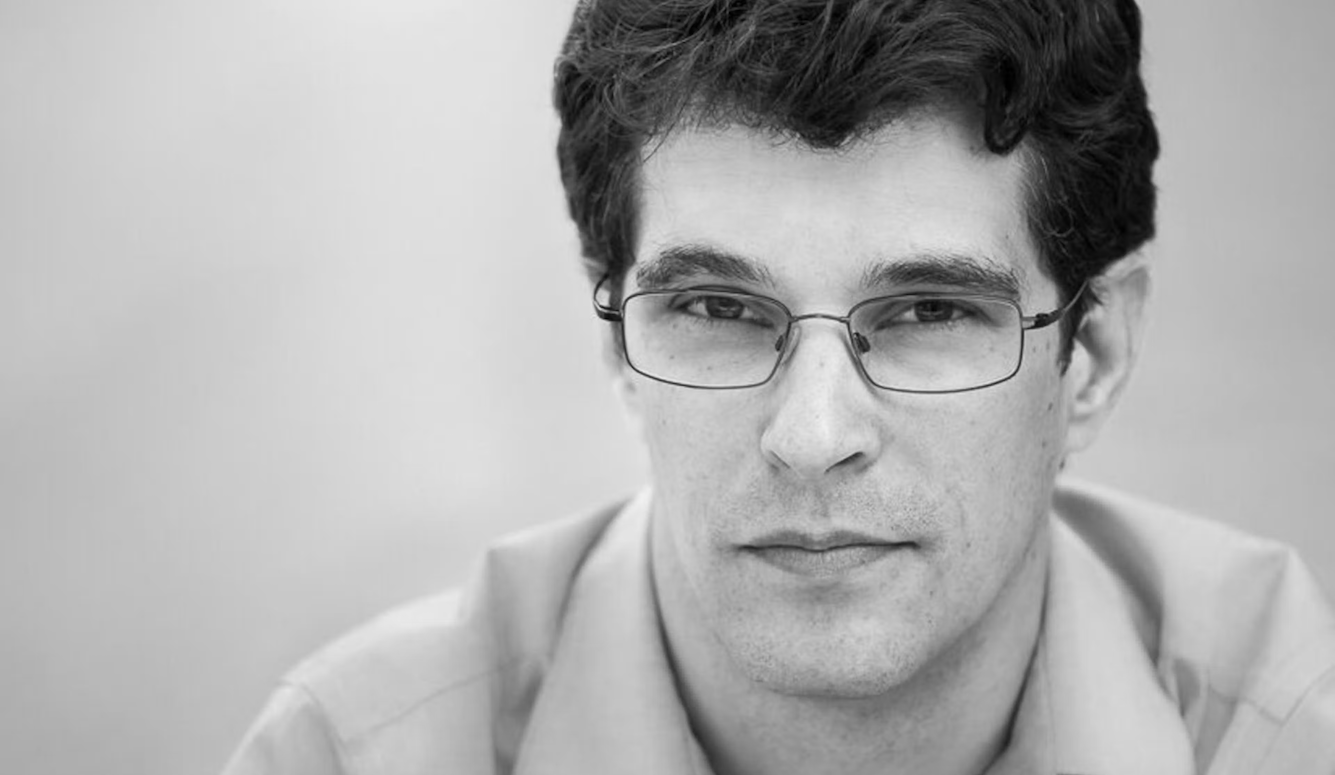
As the former UBC professor exacts apologies and legal settlements from his accusers, Brad Cran offers a personal account of the collateral damage that the decade-long saga inflicted on the Canadian literary community.
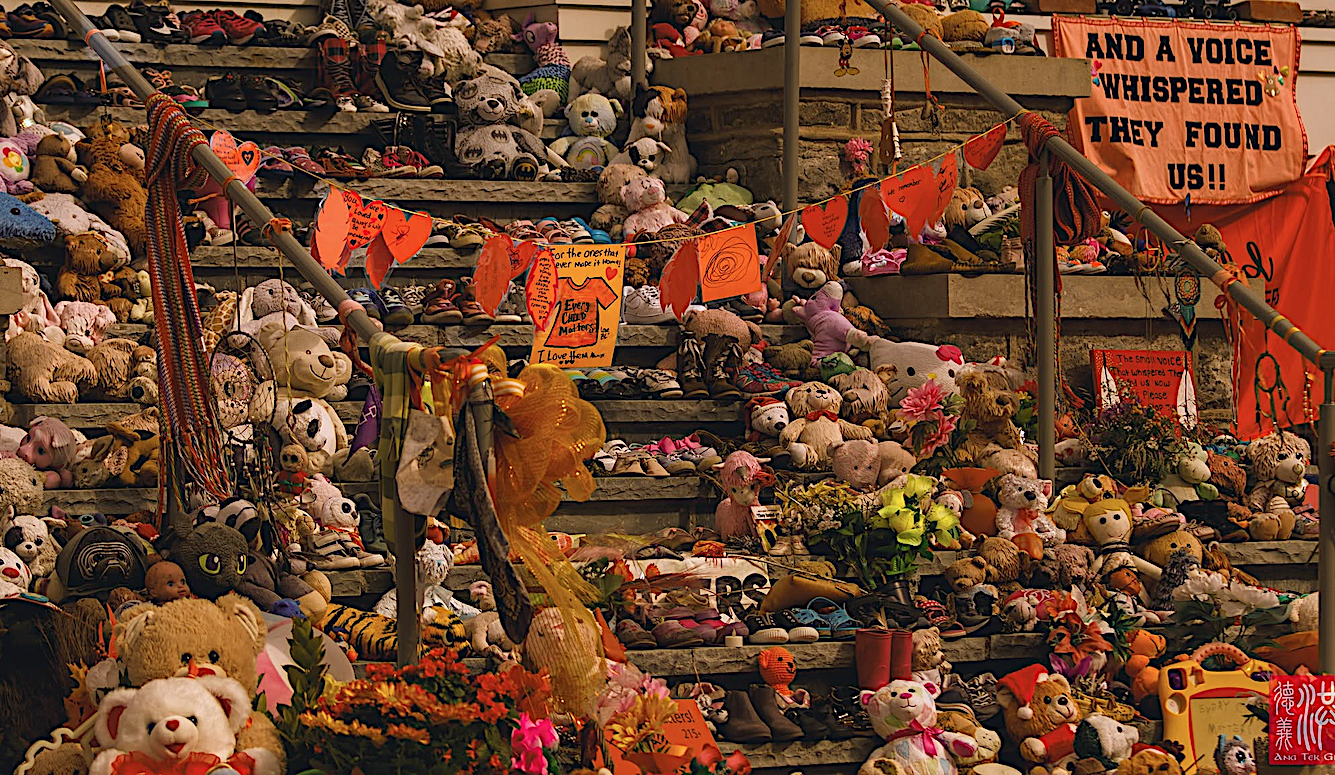
In a recent speech to American academics, a Quillette editor explained how Canadians convinced themselves that 215 child corpses had been discovered in an old apple orchard.
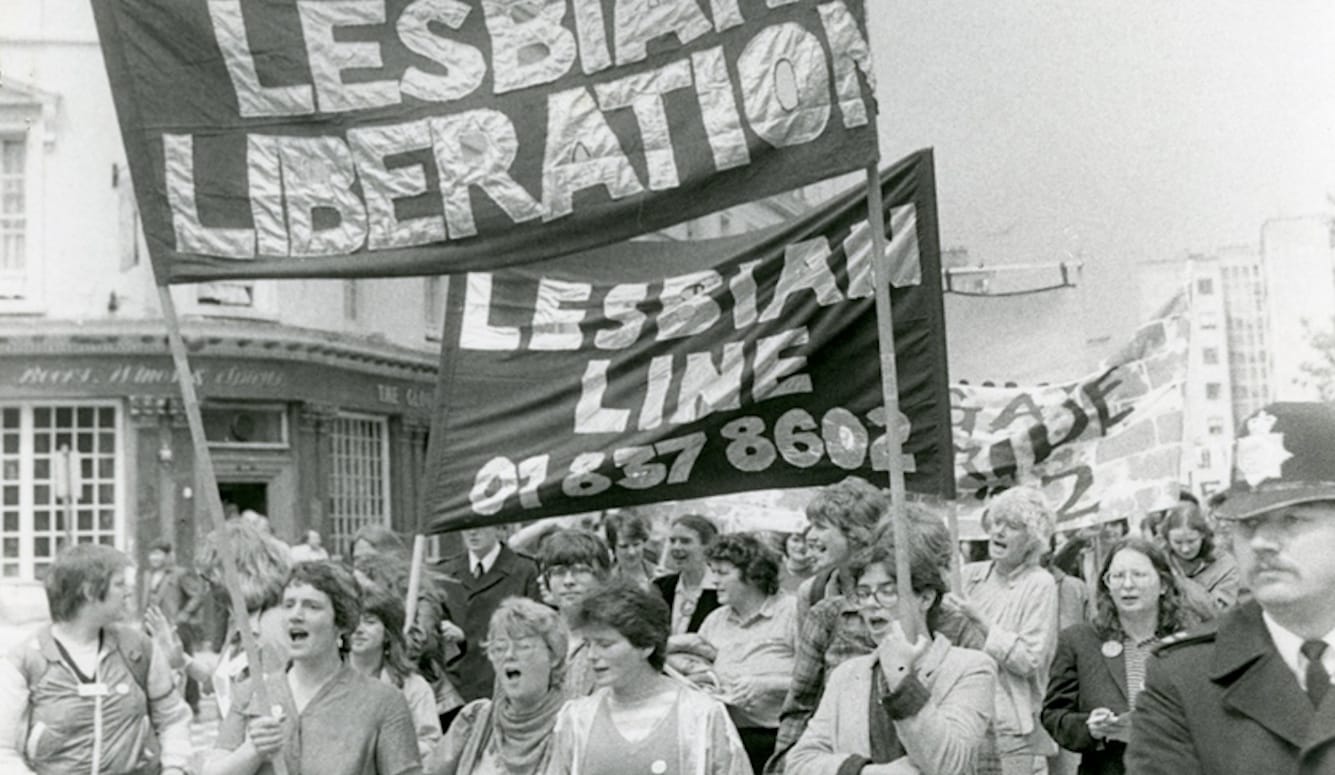
The tragicomic obsession with disability and disease on display at the Last Ditch bar isn’t a new phenomenon. It’s been part of militant lesbian culture since the Cold War.

The dangers of AI are real, but doomerism may be counterproductive.

In 1967, left-wing intellectuals accused America of genocide in Vietnam—they were wrong then, and they’re wrong again now.
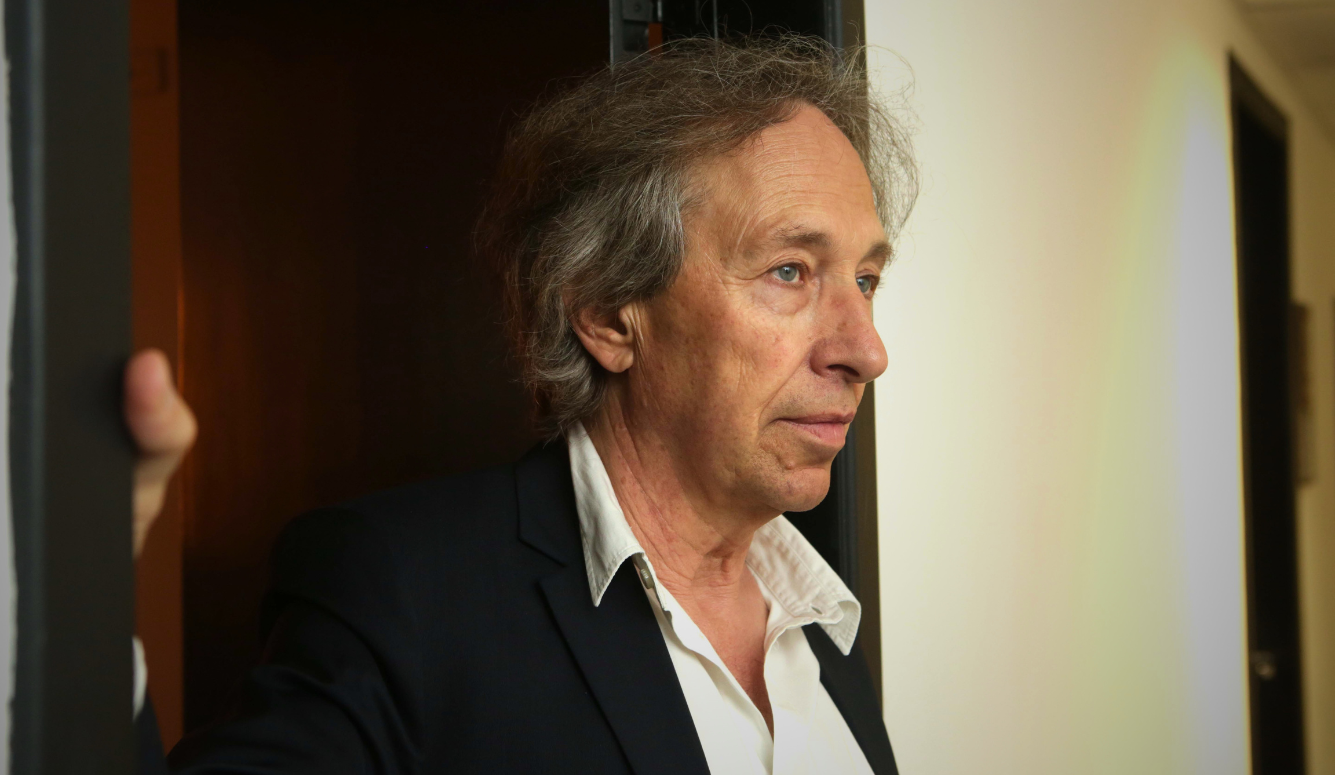
Pascal Bruckner’s book about victimhood culture invites us to choose liberation, and to move from resentment to a secular kind of grace.
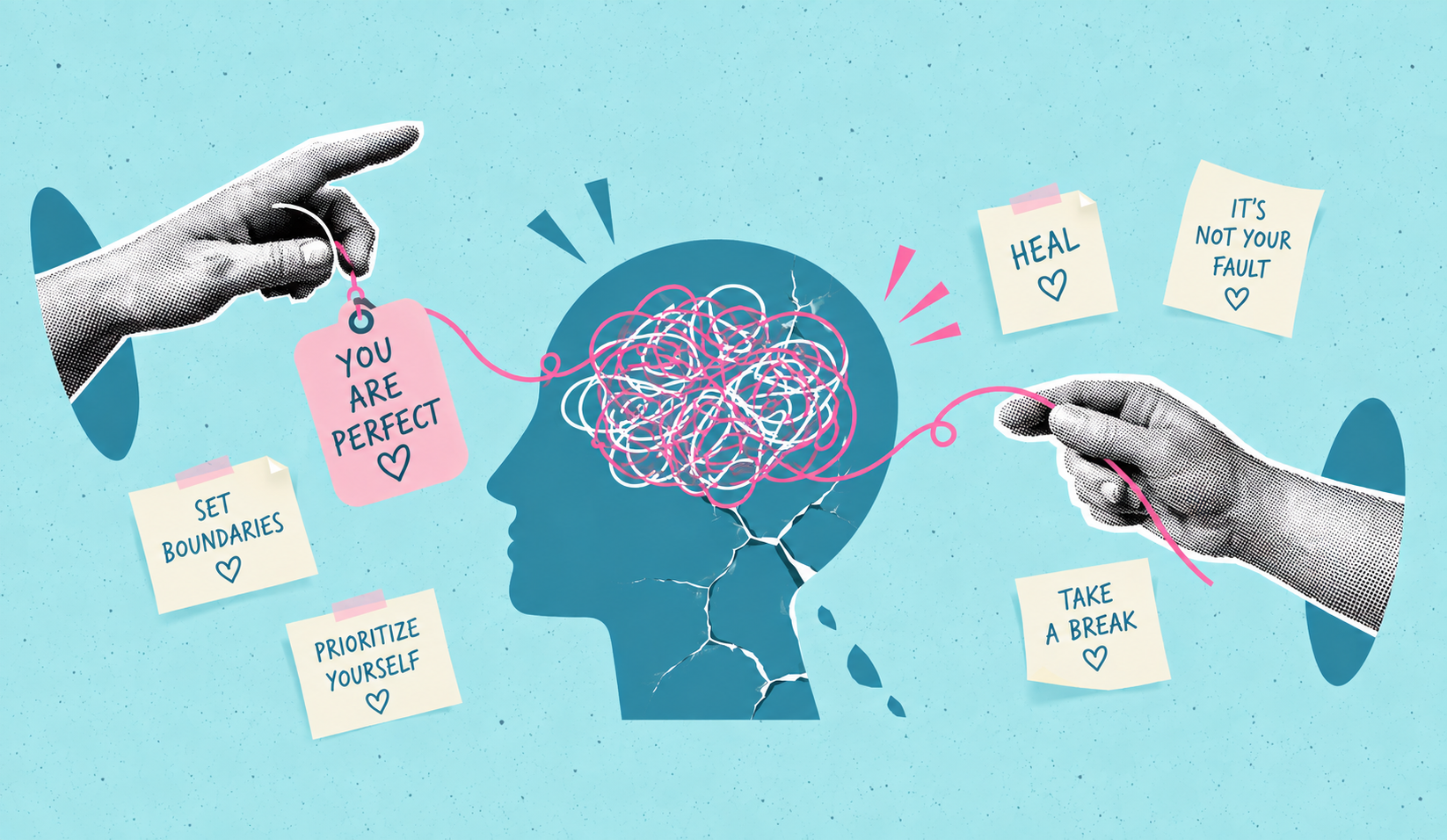
The mainstreaming of therapy culture may be driving us all out of our minds.

Sex is declining because the options seem endless. This is counter-intuitive, but biologically it makes sense.
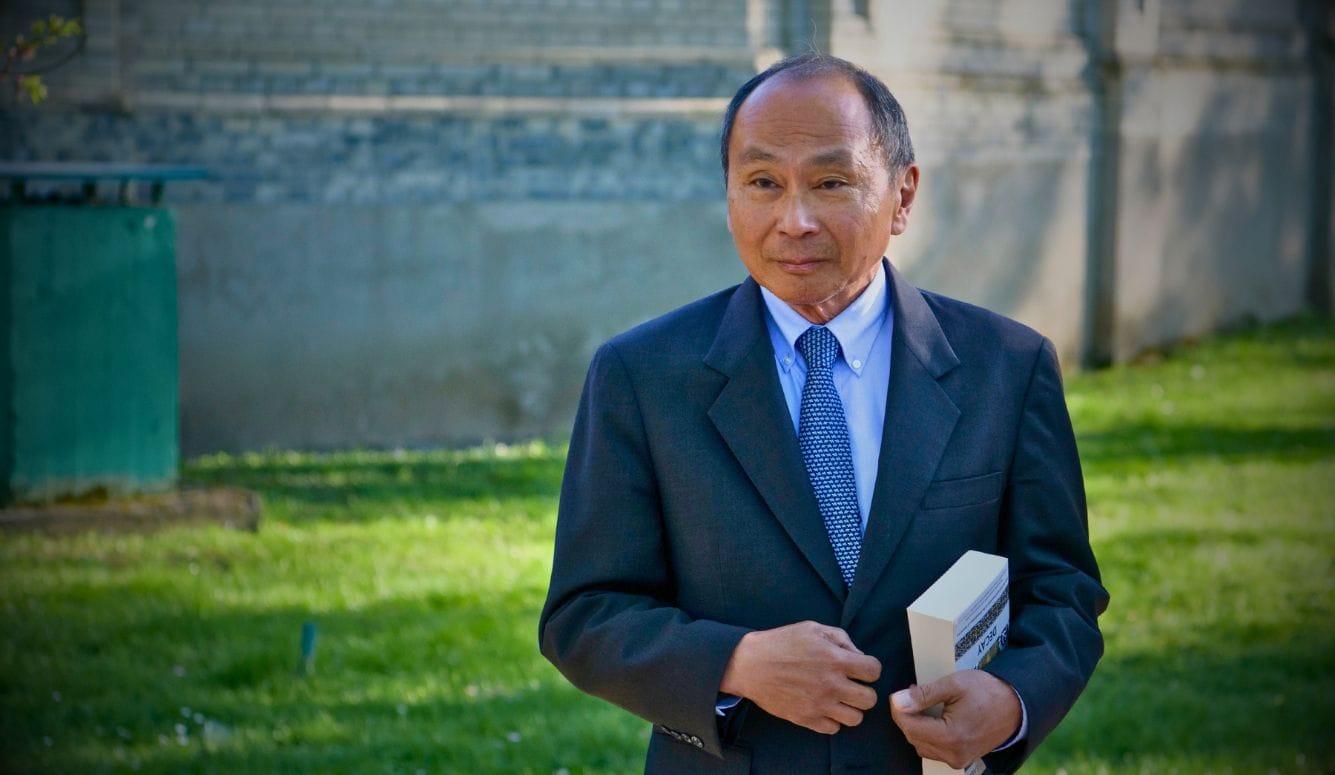
Francis Fukuyama’s new memoir assesses an intellectual life devoted to the health of the liberal-democratic idea.
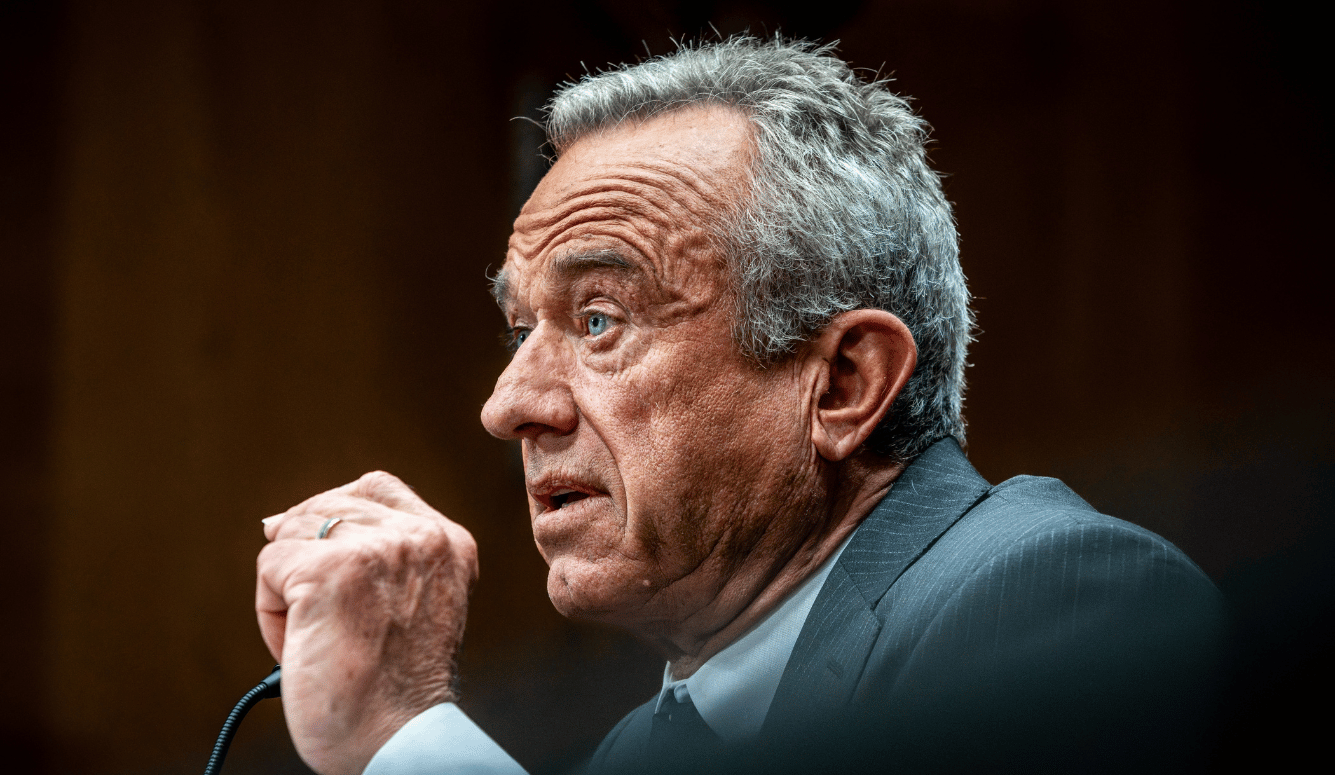
The Trump administration’s scientific illiteracy about rates of autism is going to have catastrophic results.
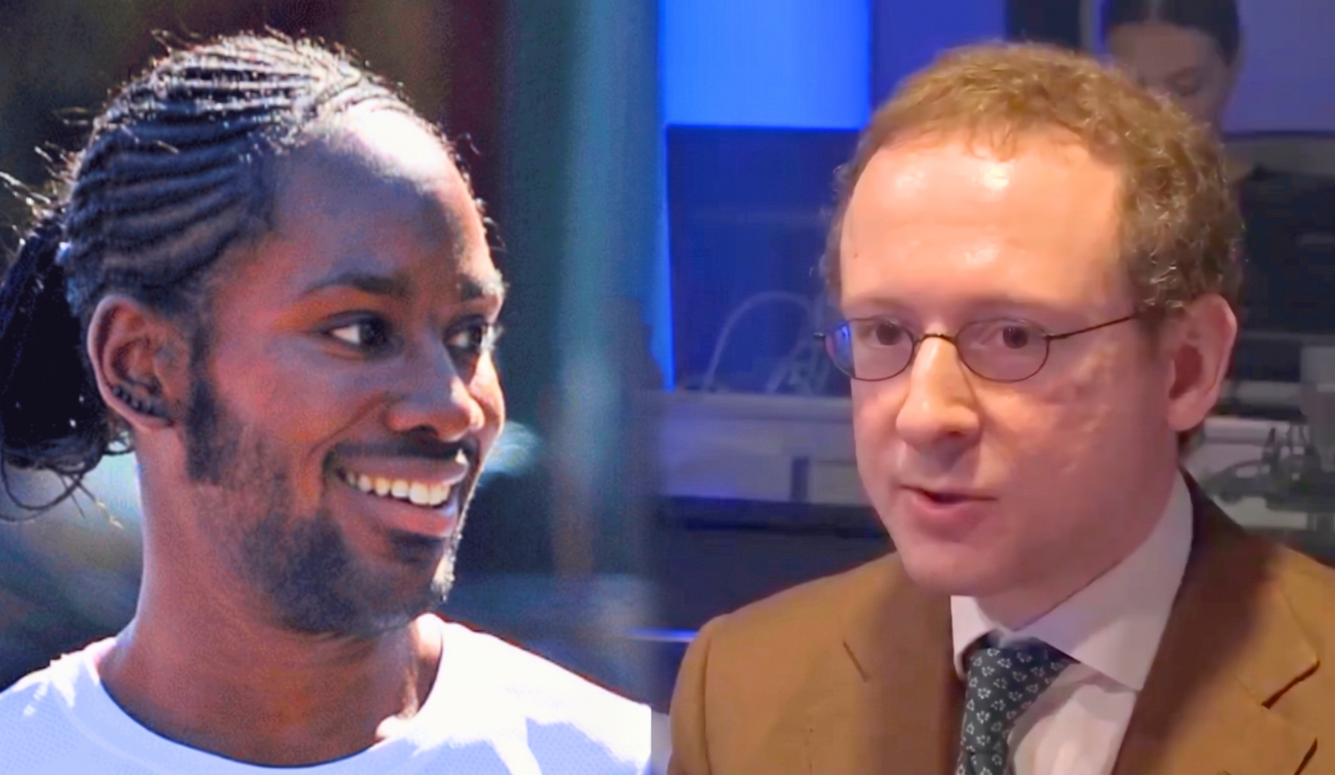
The Cofnas and Arday controversies show that on matters of race, administrators at Cambridge have failed to conduct deliberate checks, failed in probity, and failed in their tolerance for unsettled science.

Is this the reckoning that human-rights NGOs have long avoided?