Arresting the White Backlash
Moving beyond the populist moment would provide space for a more honest and necessary conversation about questions relating to white identity.
A collection of 53 posts
Moving beyond the populist moment would provide space for a more honest and necessary conversation about questions relating to white identity.
One reason might be that they worry about the second kind of harm that accompanies gentrification: the changing culture and character of neighborhoods.
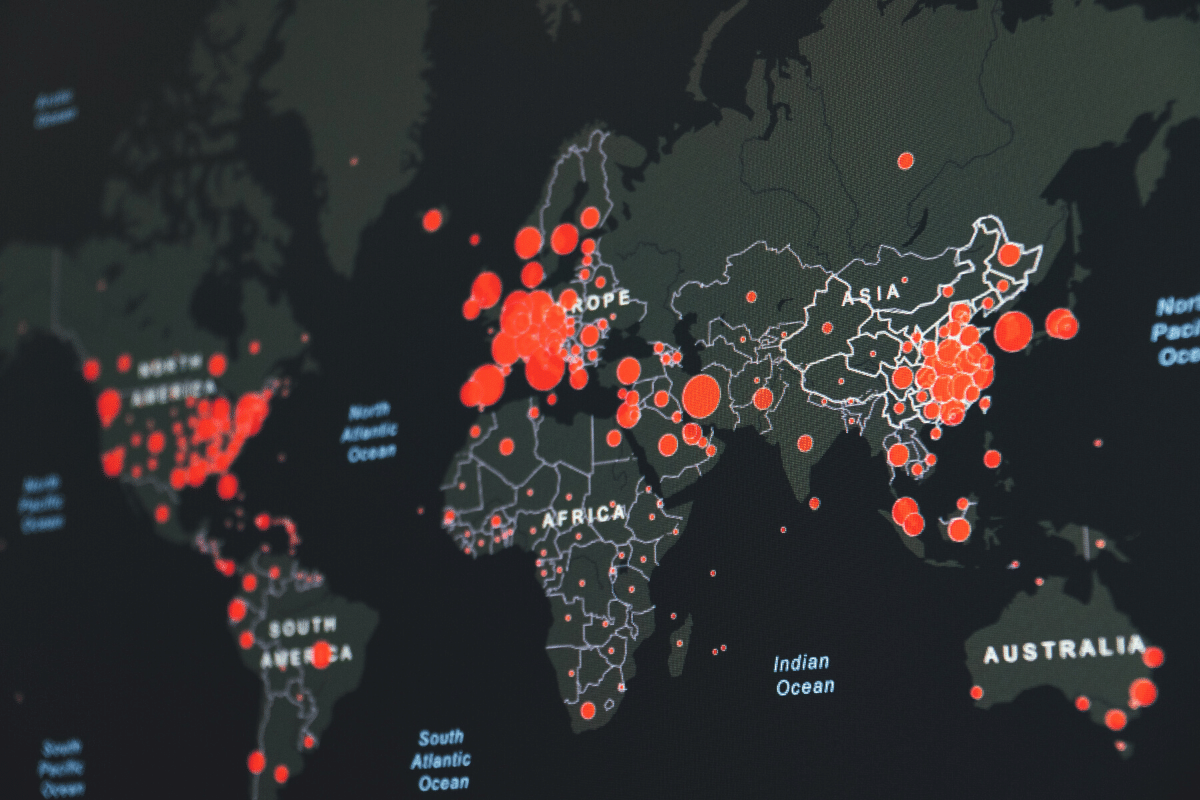
The enormous level of immigration to the United States has actually done little to change the overall demographics of the country over the past 20 years.
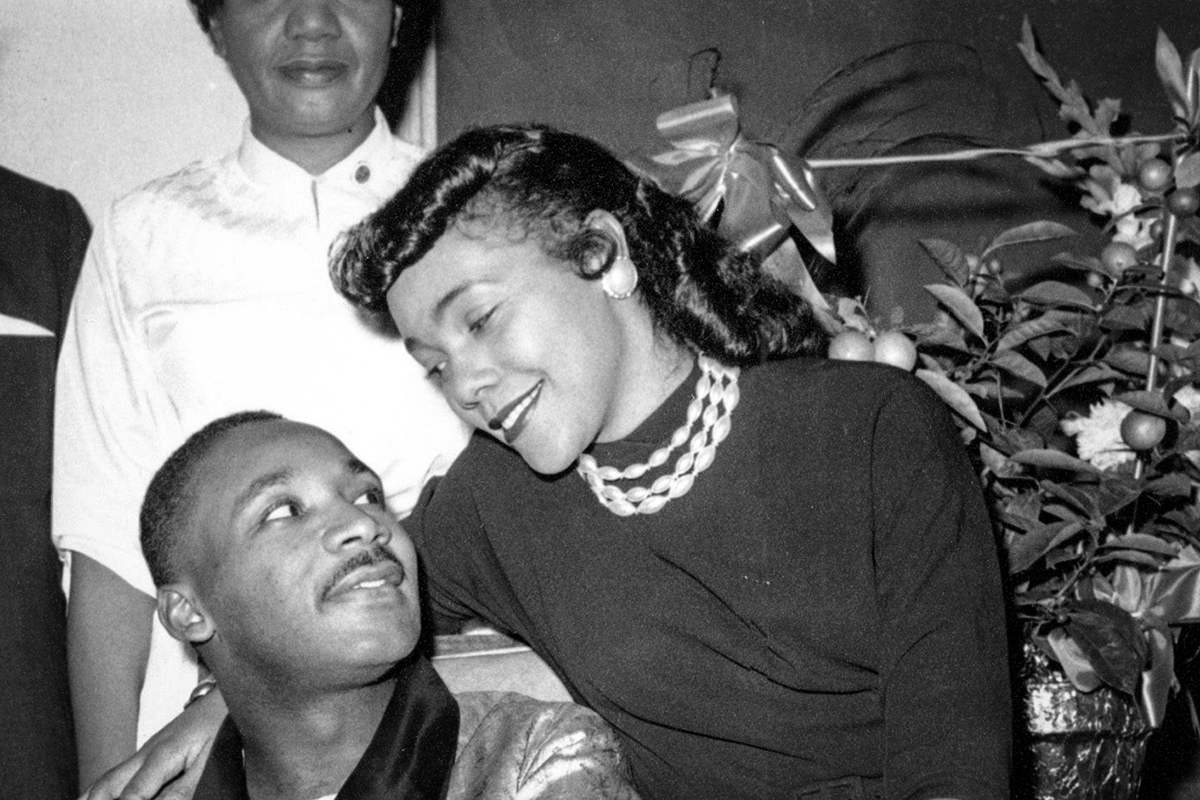
If the FBI tapes and transcripts are made public in 2027, we will need responsible historians to use them responsibly. They can’t be ignored, nor can the allegation that is now rocking the foundations of King’s moral legacy.
It is reasonably entertaining to read, and does make some valid points about the misuse of “race science.” Unfortunately, it is also tendentious, dogmatic, and seriously misleading about the current state of scientific knowledge.
At bottom, the reparations debate is a debate about the relationship between history and ethics, between the past and the Good.
The issue was that when a white playwright’s work was produced, casting directors were assuming that they should cast white actors. We were all aghast.
The sad reality is that Martin had no choice but to burble bromides if she wished to remain a member of her progressive intellectual clique.
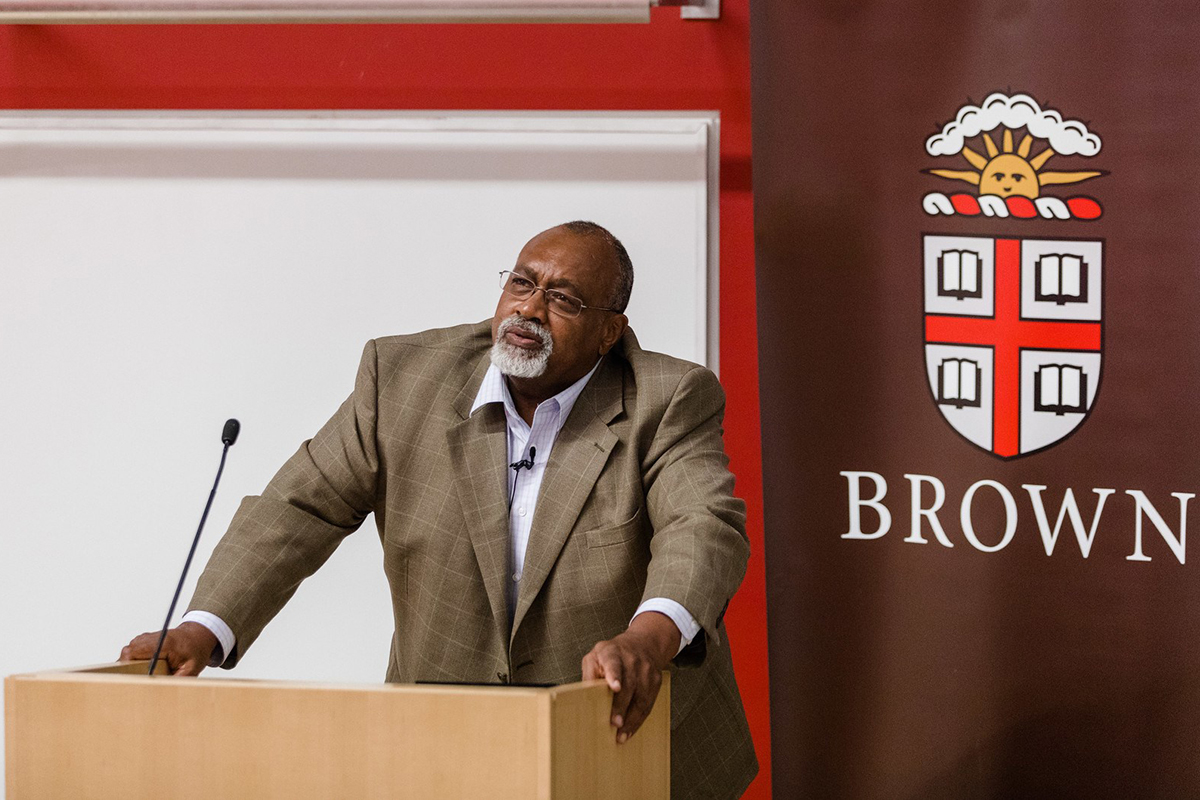
Loury has taught at Brown University for over a decade, an institution where pleas for American patriotism are likely to be summarily dismissed. So why does he insist on making them?
In my experience, social-media-driven activists have been driven more to hate villains than to love and honor their victims. And the most hated villain is white supremacy.
It is time we started discussing global immigration in a more grown up way in the hope of coming up with a sustainable solution, rather than assuming the worst of each other and resorting to name-calling and selective moral outrage.
Associate editor Toby Young talks to Jonathan Church, Quillette contributor and economist, about ‘white privilege,’ ‘white fragility,’ ‘color-blind racism,’ ‘unconscious bias,’ ‘micro-aggressions’ and why the Social Justice Left is more interested in punishing whites than understanding the complexity of racial inequality.
The genre of “white people doing something to black people” is, by now, a well-established media genre that generates easy clicks. But there is also an unsettling subplot that few seem willing to discuss.
Rather than whites being responsible for the perpetuation of these stereotypes—and, by extension, white privilege—they are maintained by all groups as they interact with each other.