
Charles Murray's 'Facing Reality'—A Review
Facing Reality attempts to force into view data that many Americans would rather not acknowledge.
Razib Khan
· 12 min read
A collection of 630 posts
Facing Reality attempts to force into view data that many Americans would rather not acknowledge.
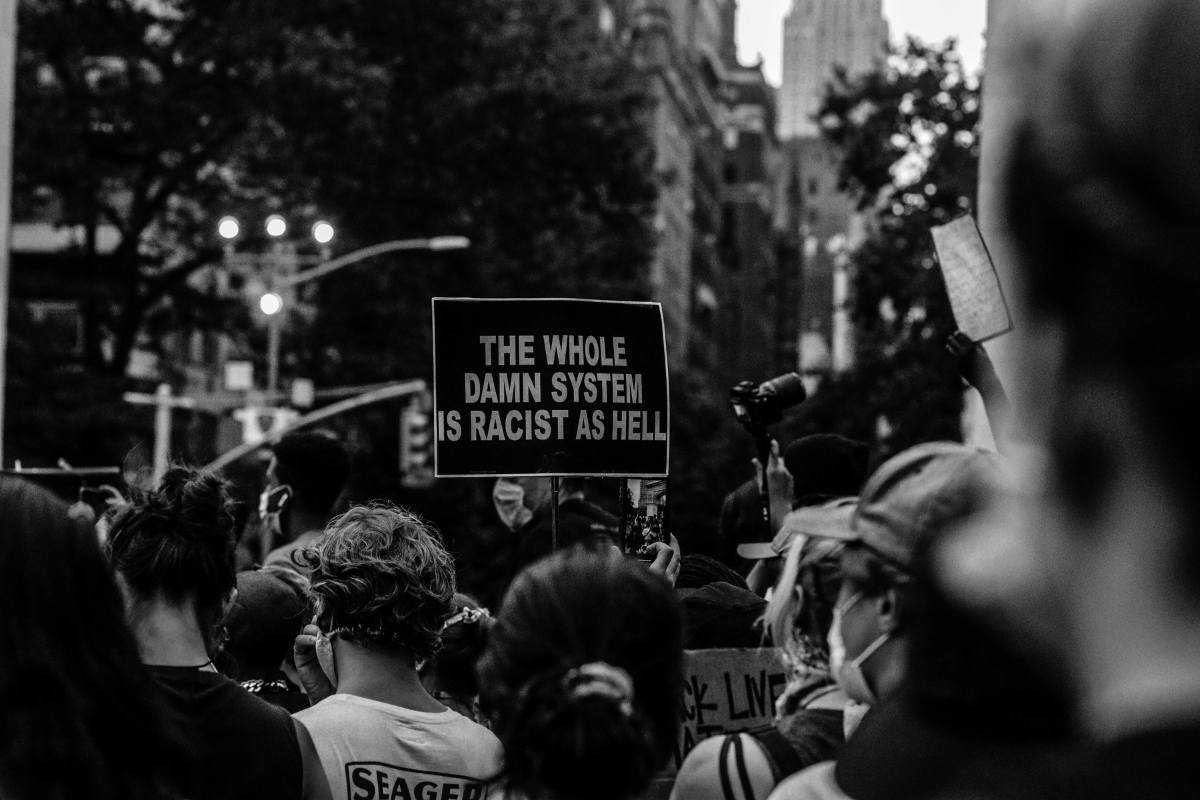
The radicals, always livid, always demanding more, insist that all this is window dressing. A sham.

As a black conservative man, I will add one final note. None of the points made in this essay—about the over-hyping of victimhood in modern America or the cultural issues in working-class black and white communities—is meant to imply that racism does not exist.
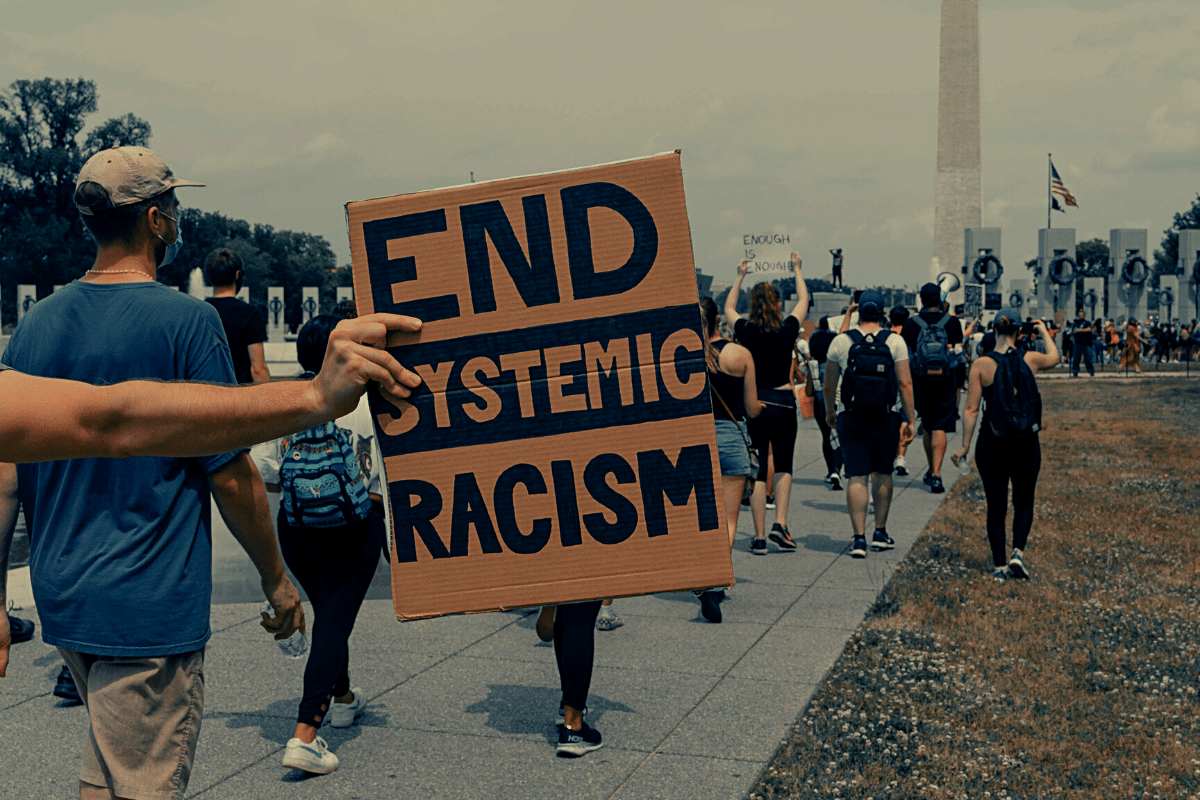
The popular vision of race in America seems to be incapable of breaking the gridlock that places the fate of black Americans in the hands of white society and then condemns that society to the wasteland of history.
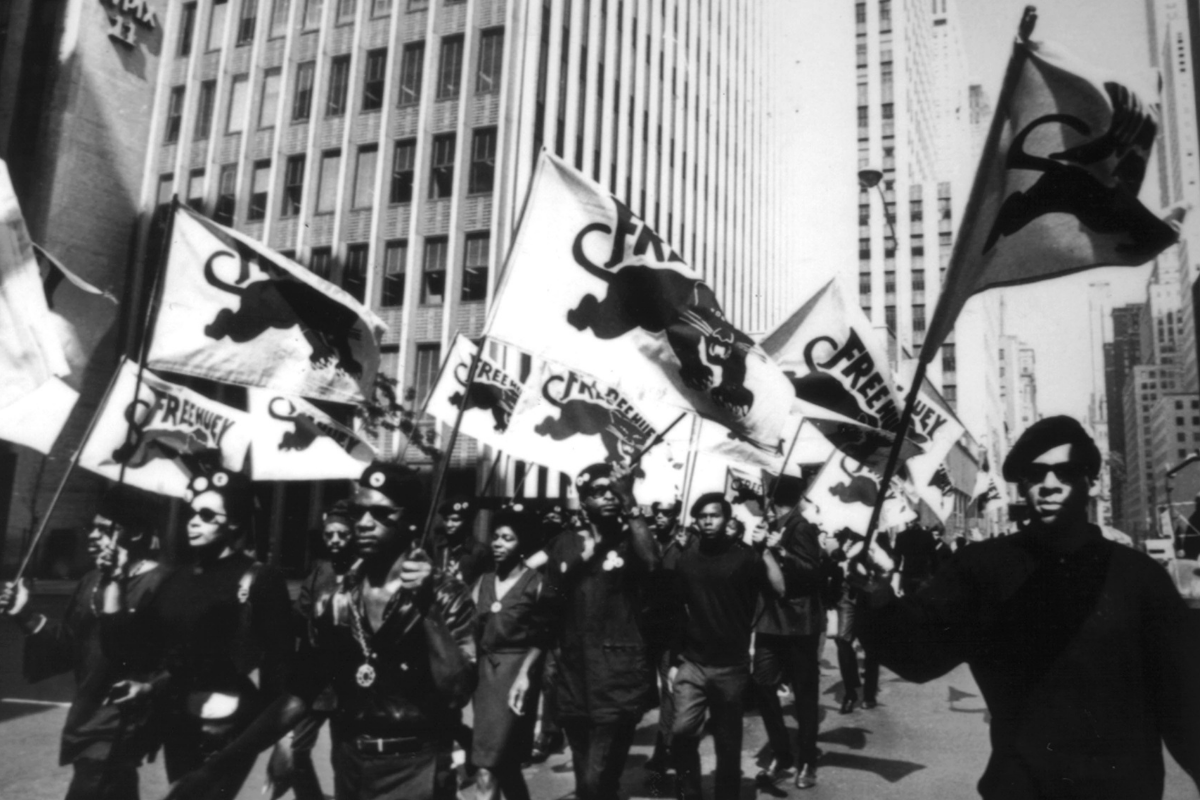
Isn’t it a little late for the rehabilitation of the Black Panther Party (BPP)? After all, the organization that first caught the public’s attention in 1969 was already in its death throes by the early 1970s, beset by internal splits, criminal prosecutions, and violent faction-fighting. Yet, five decades
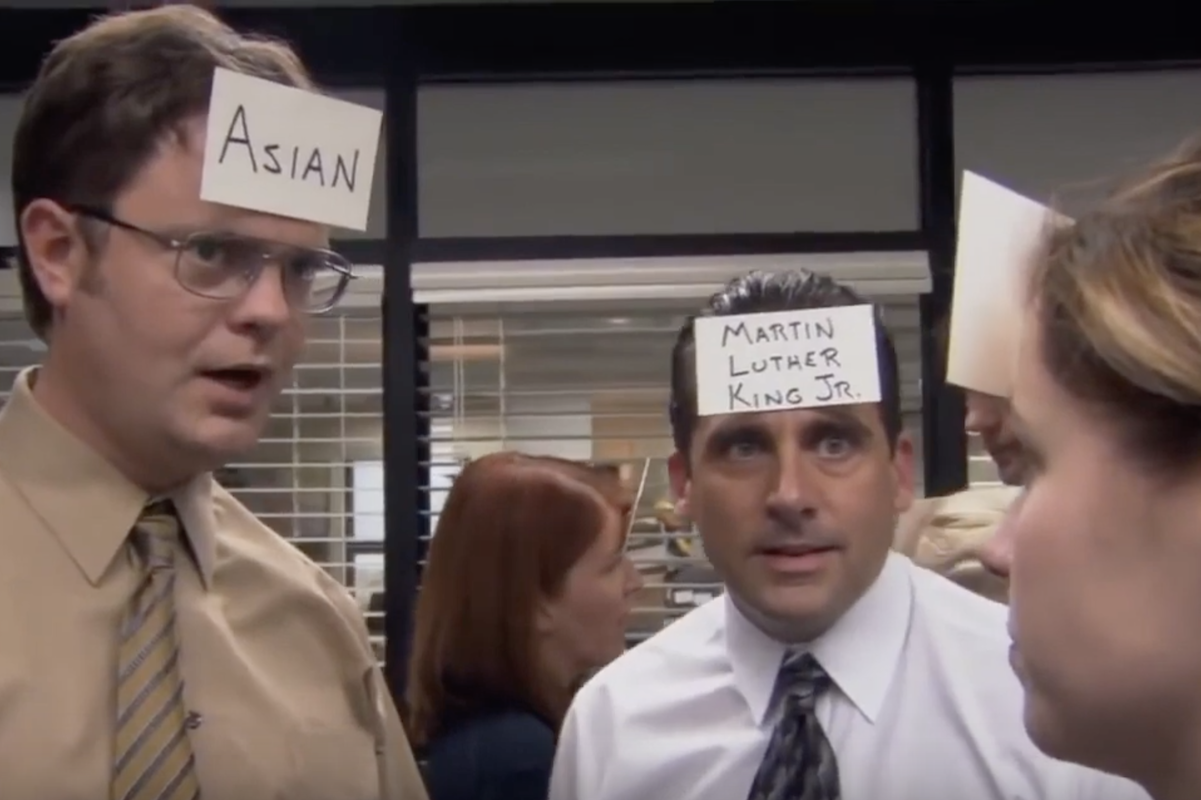
The increasing power of college diversity bureaucrats over academic affairs since the 1990s has been stunning.

Like other Americans, I’m depressed by the growing level of political partisanship. There seem to be a lot more people with extreme beliefs yelling at us. The ends of the belief spectrum are engorged, the center hollowed out. It’s frequently alleged that extremists don’t care about truth,

It’s hard to imagine a more inaccurate description of the peace and contentment so apparent in this pastoral scene.

The great conflict within the Left during the 19th century was between anarchist and statist visions for socialism (this was the bone of contention between Bakunin and Marx, and for many revolutionaries long after).
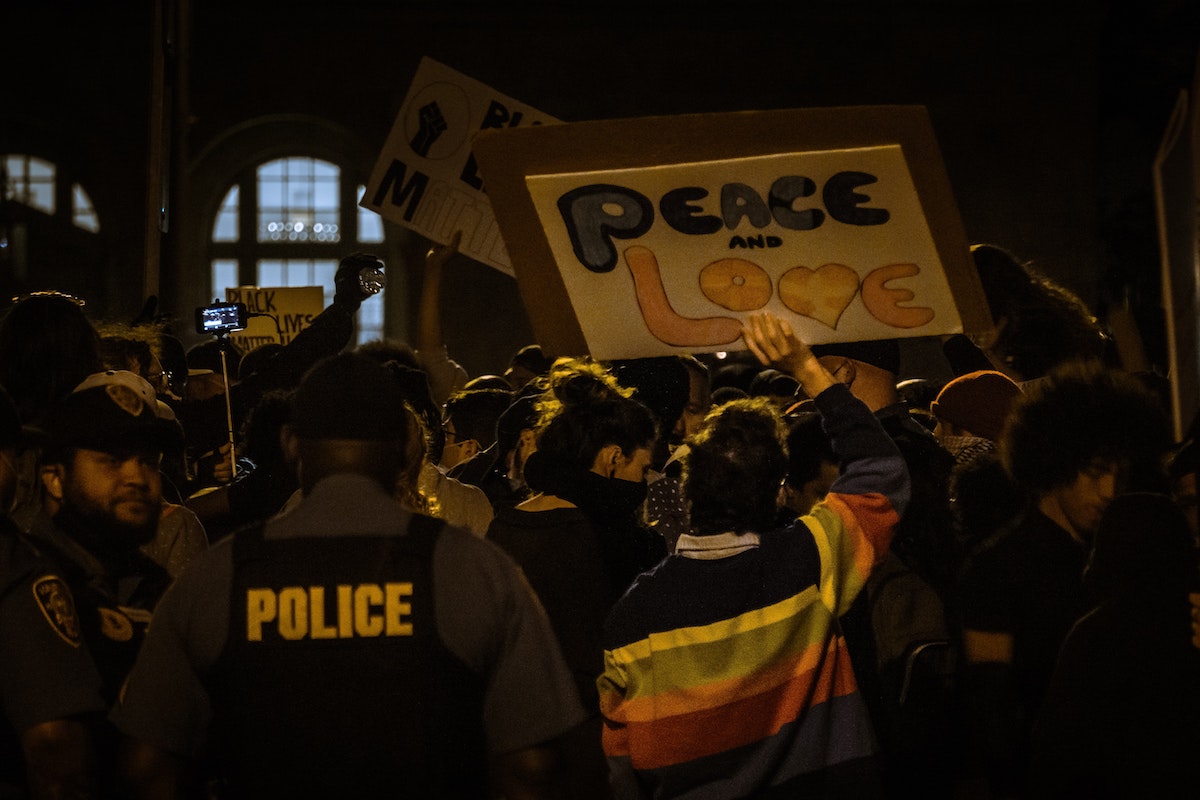
Published in 1841, Mackay’s Extraordinary Popular Delusions and the Madness of Crowds is as amusing a survey of human folly as has ever been written.

The survival of the American Republic might just depend upon it.
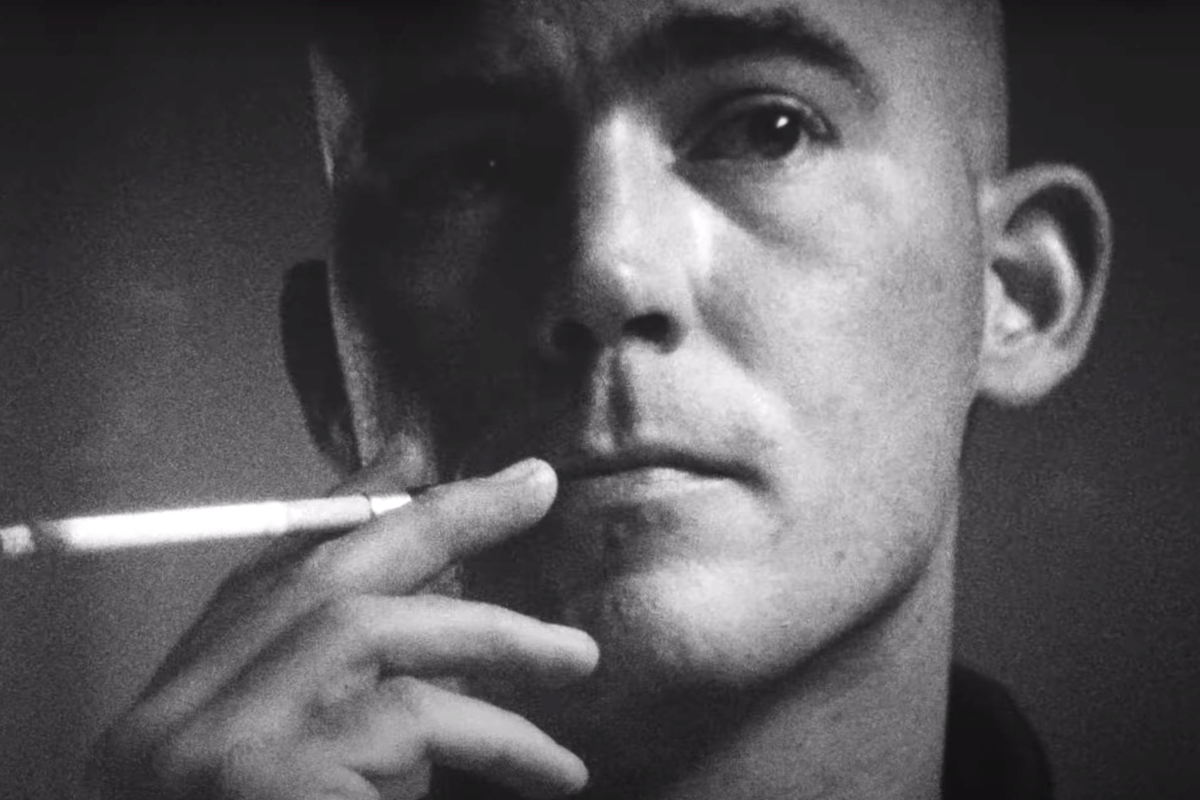
Freak Power is a fascinating look into the heart of a grassroots political campaign during a violent era in American history, as one man channelled the rage and confusion of a maligned subculture into a surprisingly coherent and subversive political movement.

A politics based on membership in a particular religious, racial, or social group rather than broader groupings of people with the same political views was a dubious luxury that our species can simply no longer afford.
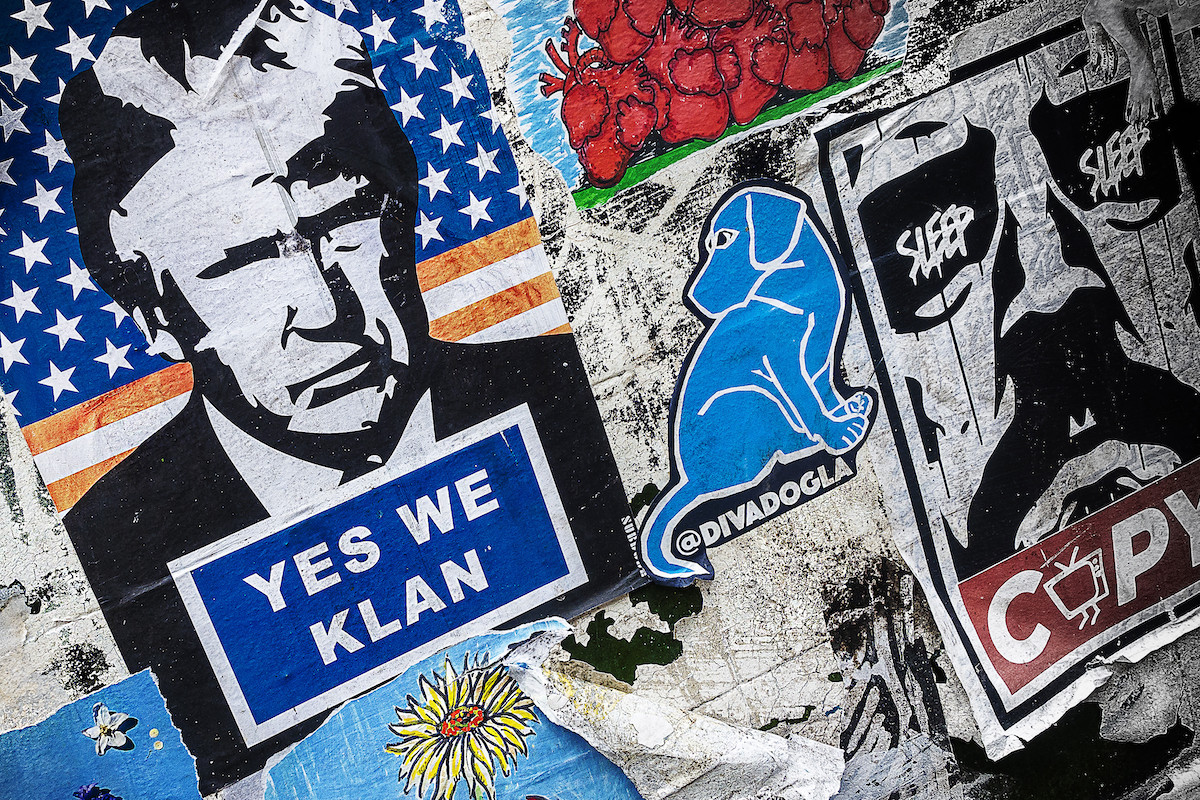
It is always tempting to portray one’s political opponents as consumed by some inveterate flaw or social contaminant that marks them as fallen creatures.
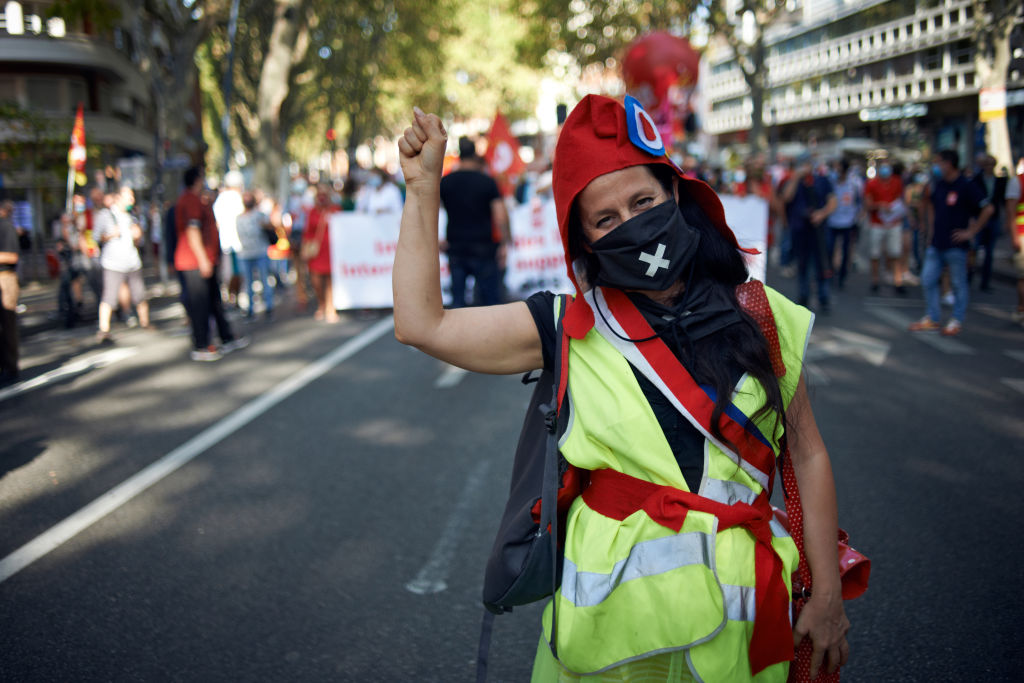
What’s now being sought is a system in which power is exercised by representatives of those who constitute a majority.