Podcast #243: The Freedom to Blaspheme
Jonathan Kay speaks to fellow podcast host Kushal Mehra about the ‘eerie similarities’ between censorship campaigns in India and Canada.
Quillette
· 18 min read
A collection of 37 posts
Jonathan Kay speaks to fellow podcast host Kushal Mehra about the ‘eerie similarities’ between censorship campaigns in India and Canada.
Censorship obscures our view of reality and impedes our society’s ability to function.
Every censorship regime in history has claimed to be protecting the public. But no regime can have prior knowledge of what is true or good. It can only know what the approved narratives are.
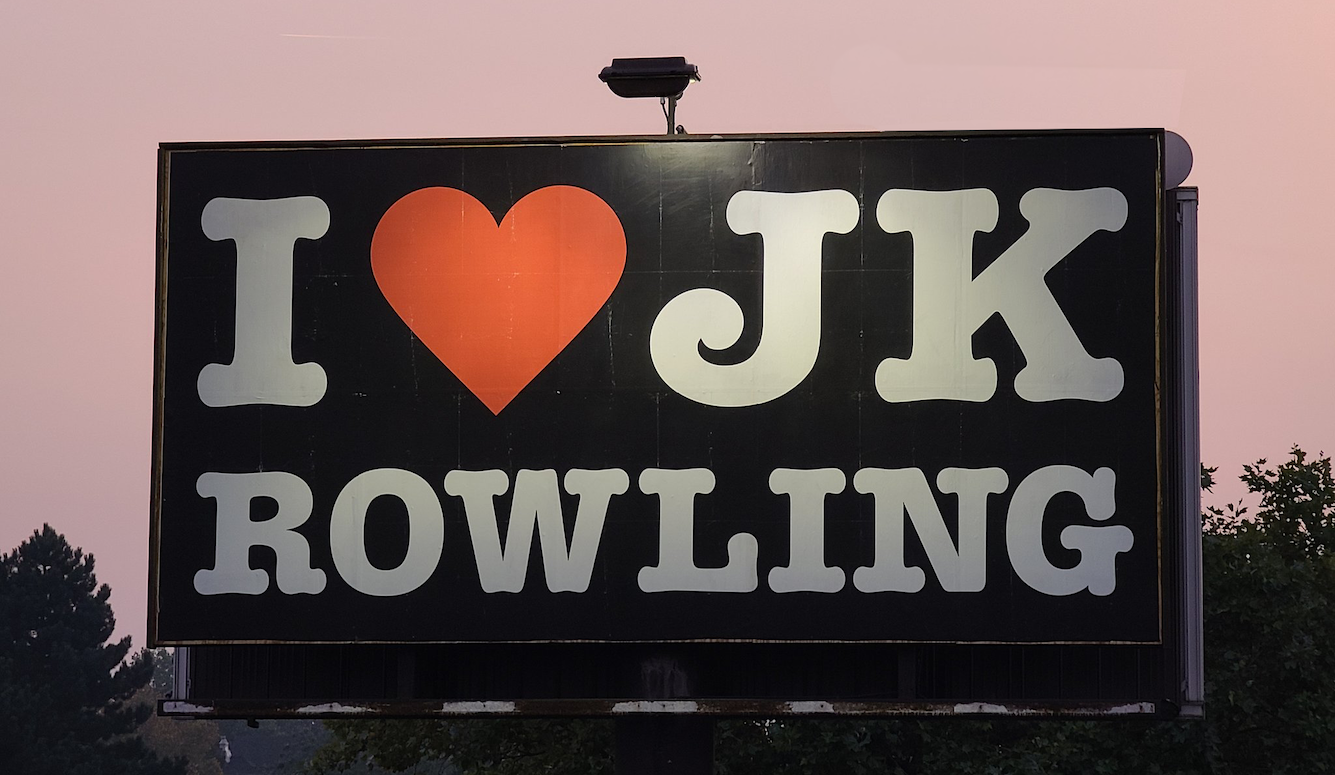
J.K. Rowling’s scathingly effective takedown of Scotland’s Hate Crime and Public Order Act has been a wonder to behold.
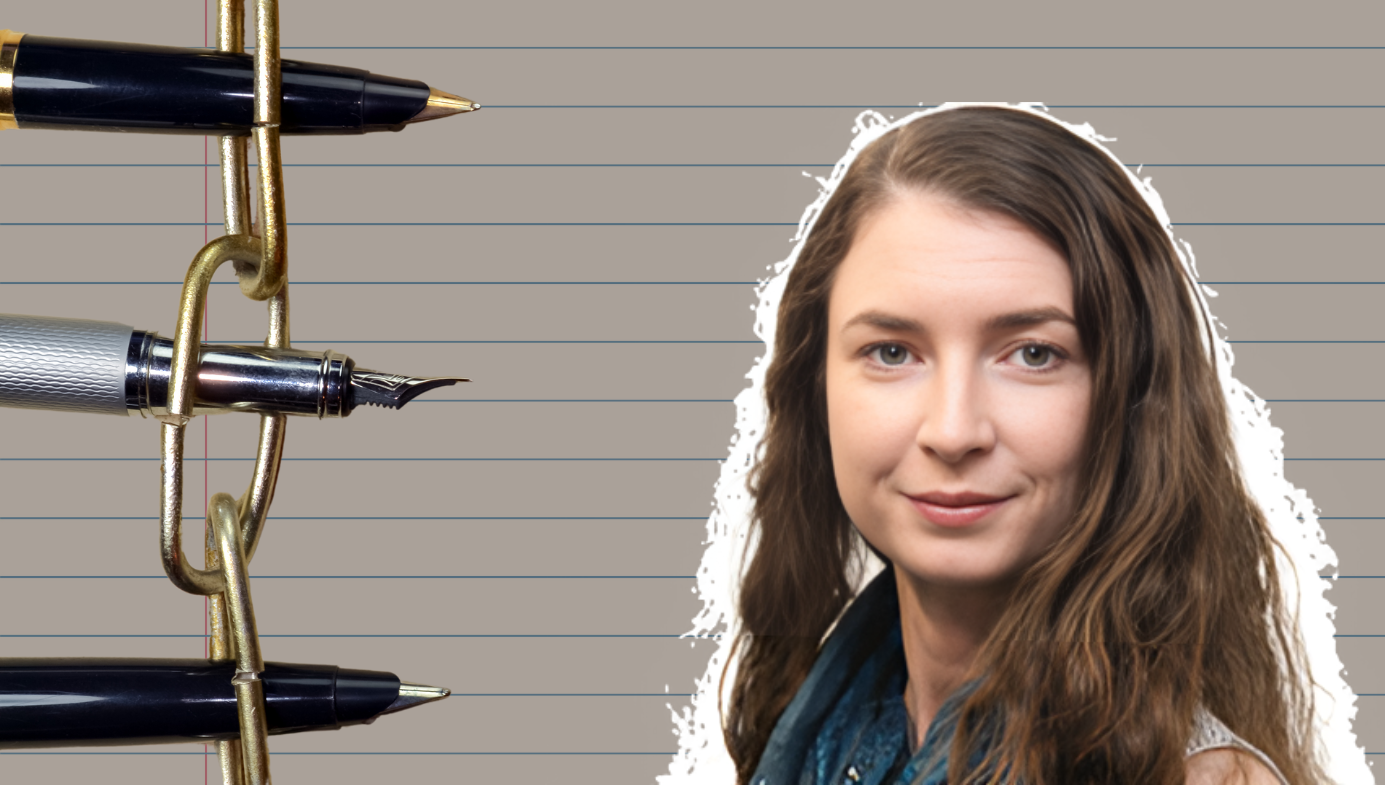
A conversation with the director of Australia's new Free Speech Union.

Aggressive content moderation is presented as a necessary response to hate speech and misinformation—but it's more like a moral panic.
It's not just a matter of weighing up one group’s free speech against another group’s counter-speech. It’s also about one group’s freedom of association being impeded.
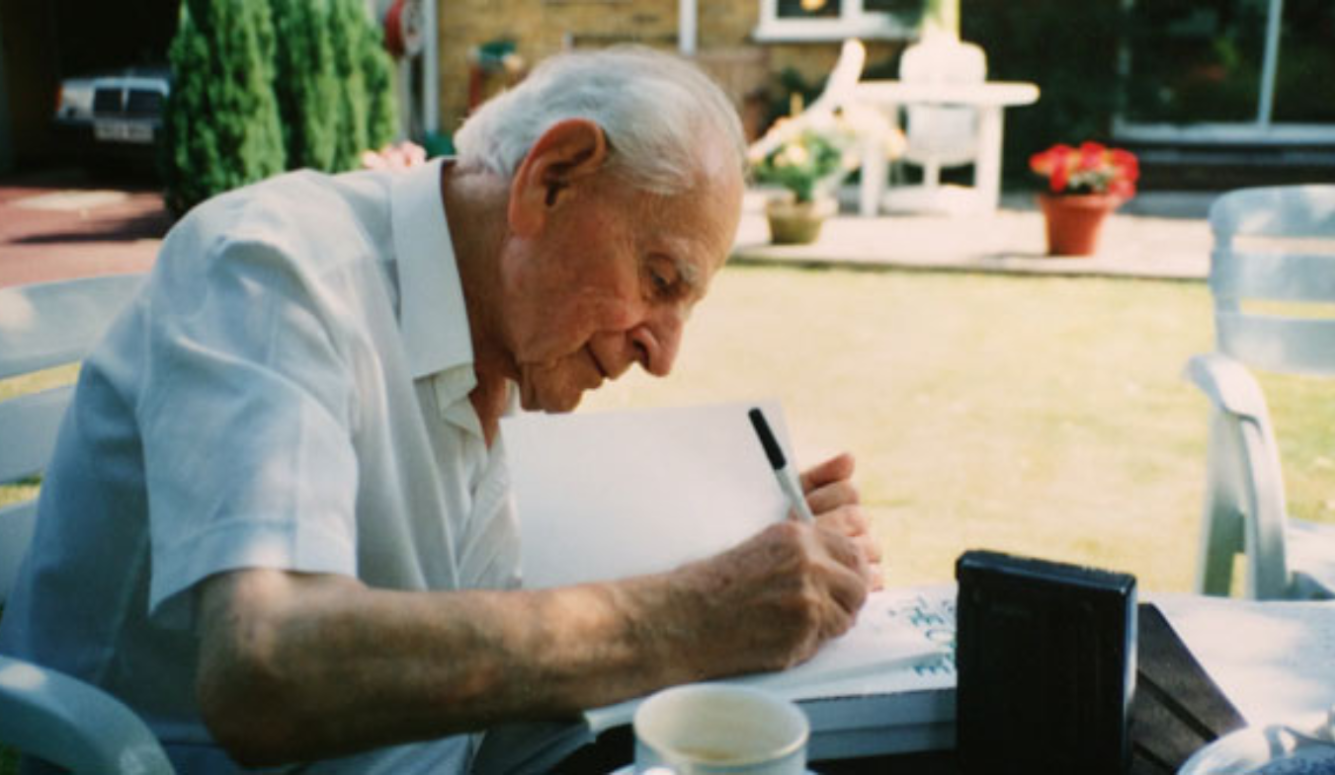
Should society tolerate intolerance to protect freedom of expression? A deep dive into Karl Popper’s ideas and modern free speech debates.
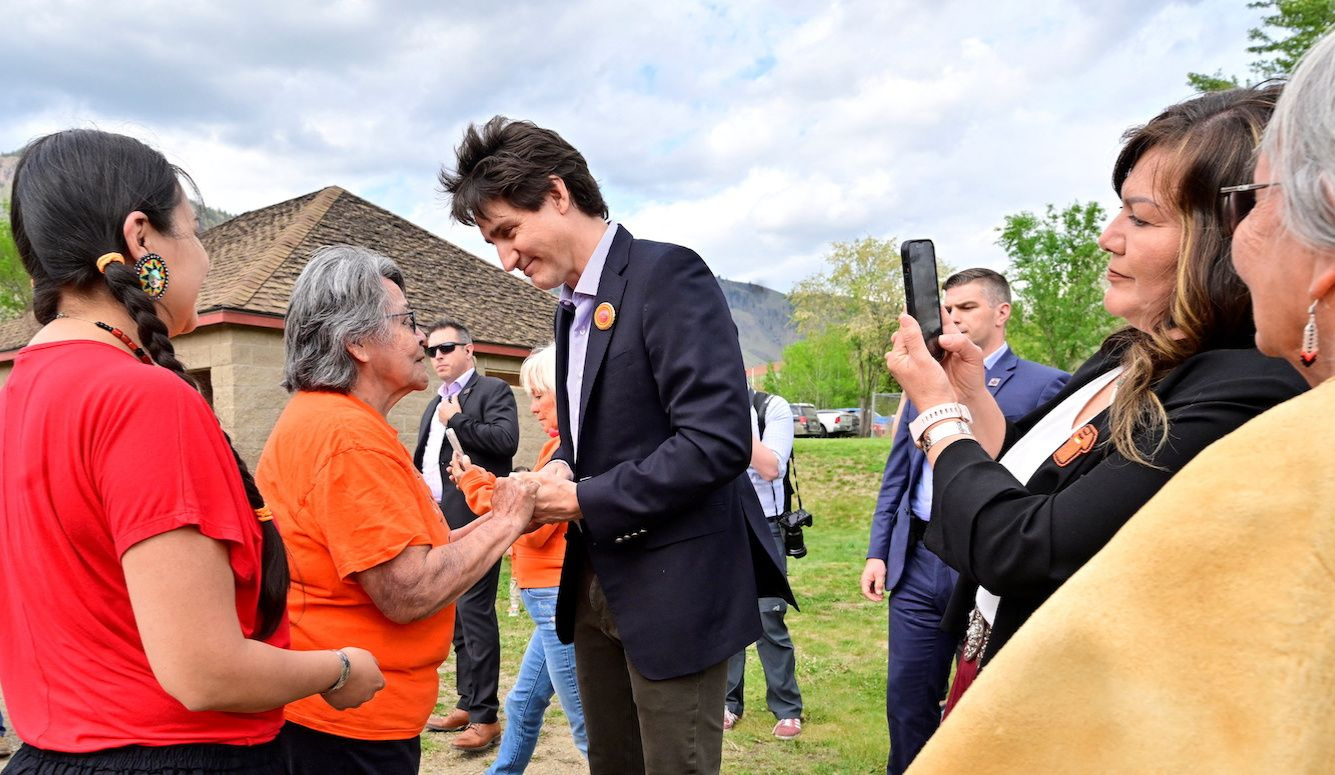
Sensational 2021 claims that unmarked Indigenous child graves had been discovered in British Columbia now seem doubtful. But saying so may soon be a criminal offence
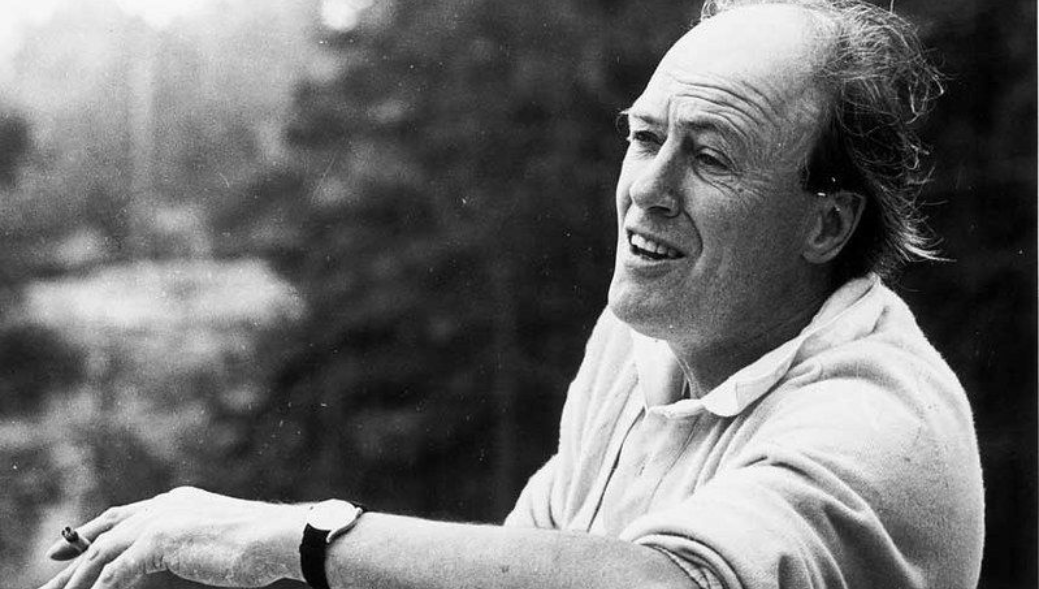
The urge to censor is based on a misunderstanding of what makes literature valuable.
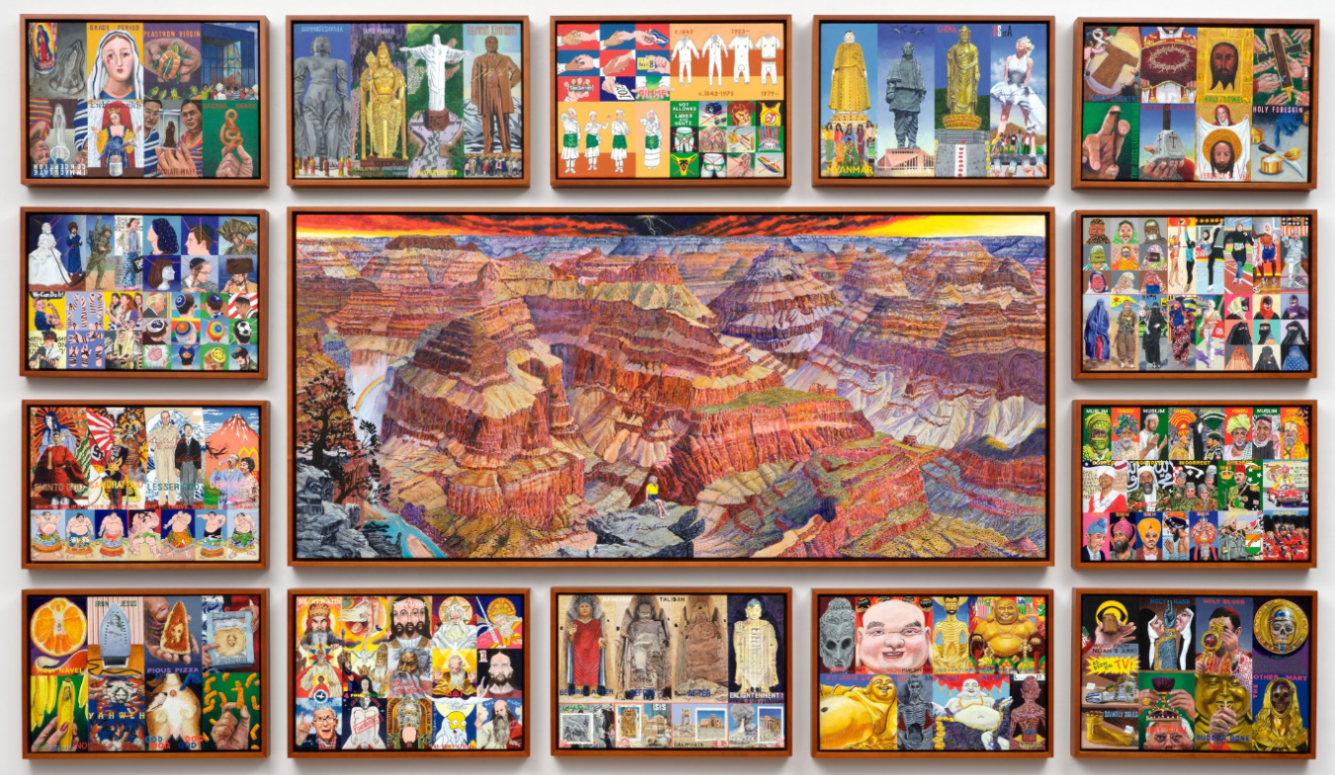
How an octogenarian artist defied curatorial bureaucracy.
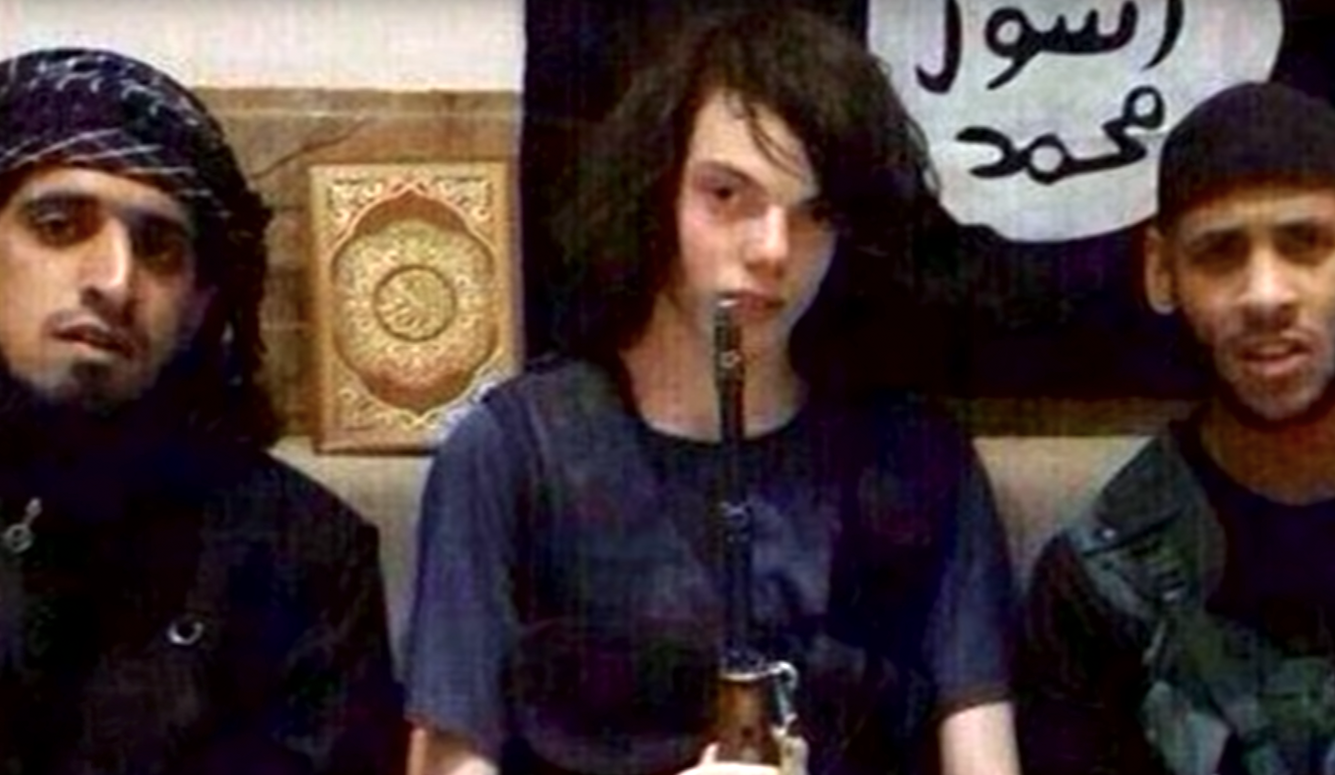
While calls to censor hate speech and violent extremist content on social media platforms are common, there’s little evidence that online incitement leads to real-world radicalization. Ironically, such calls may actually galvanize extremists, who interpret hostile media coverage, commentary, and censorship policies as confirmation of their victimhood narratives
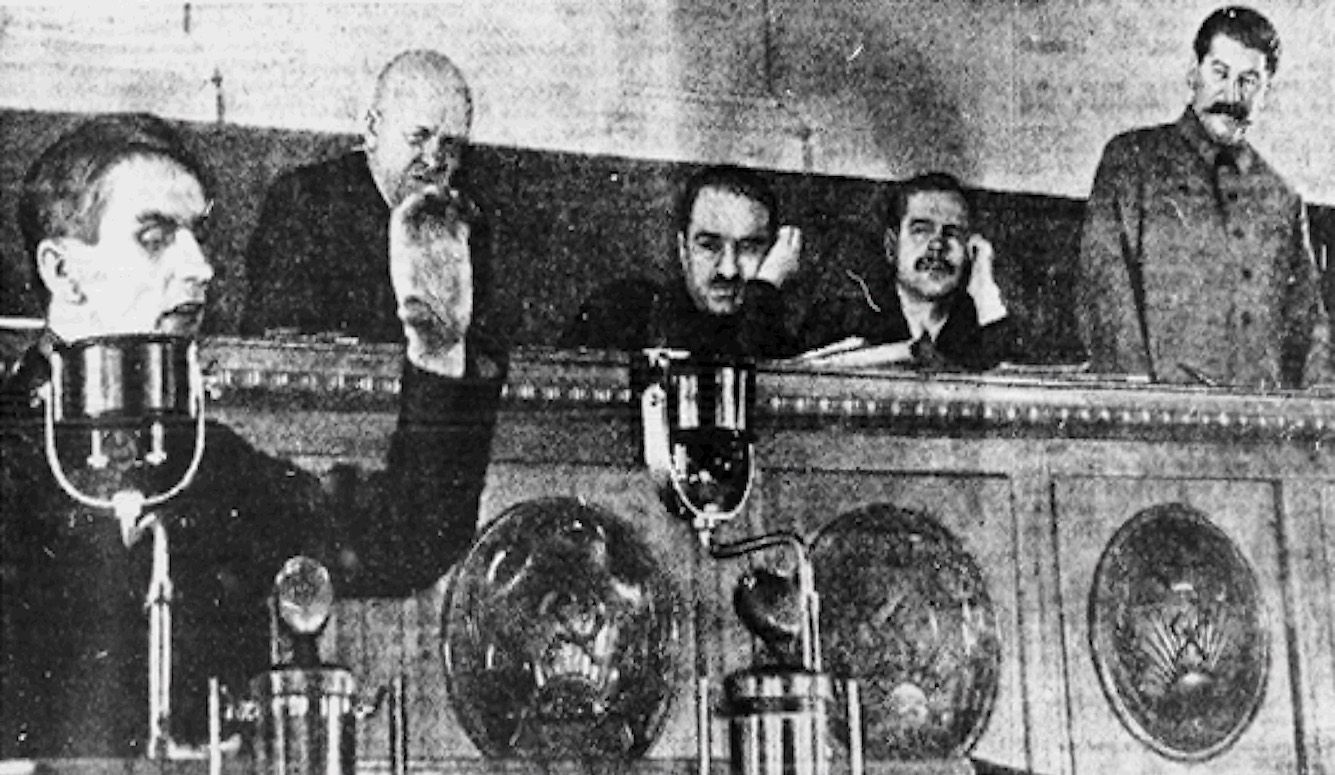
We need to break the spell of illiberal ideology, and come back to our collective senses—to stop self-censoring in fear of the mob and excusing nonsense in the name of political allyship, and to start defending the values of pluralism, humanism, and democracy.
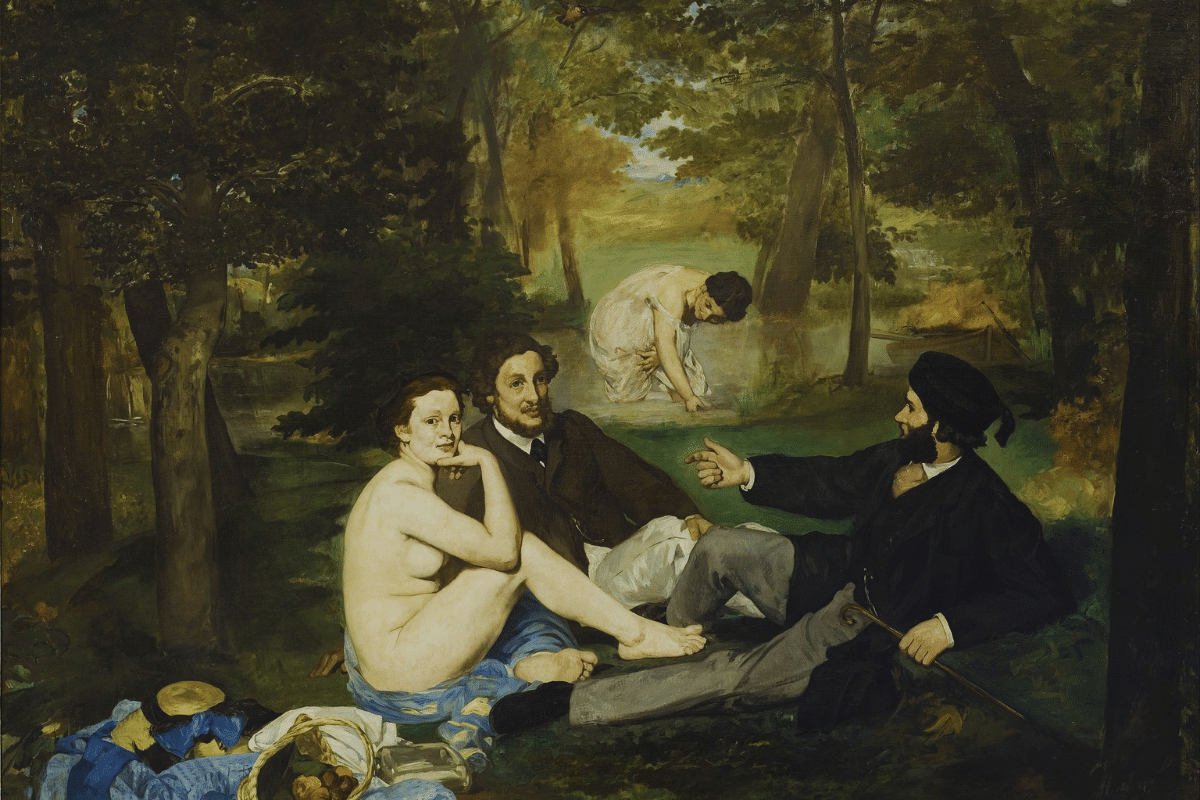
An embrace of the art for art’s sake ideal is the greatest defense for artists against self-censorship. Those who defend art from moralizing or censure—who accept the reality of art’s autonomy—are those who see art for what it is.
The Legacy social networks have betrayed the trust of their users to such extent that their brands are essentially unsalvageable.