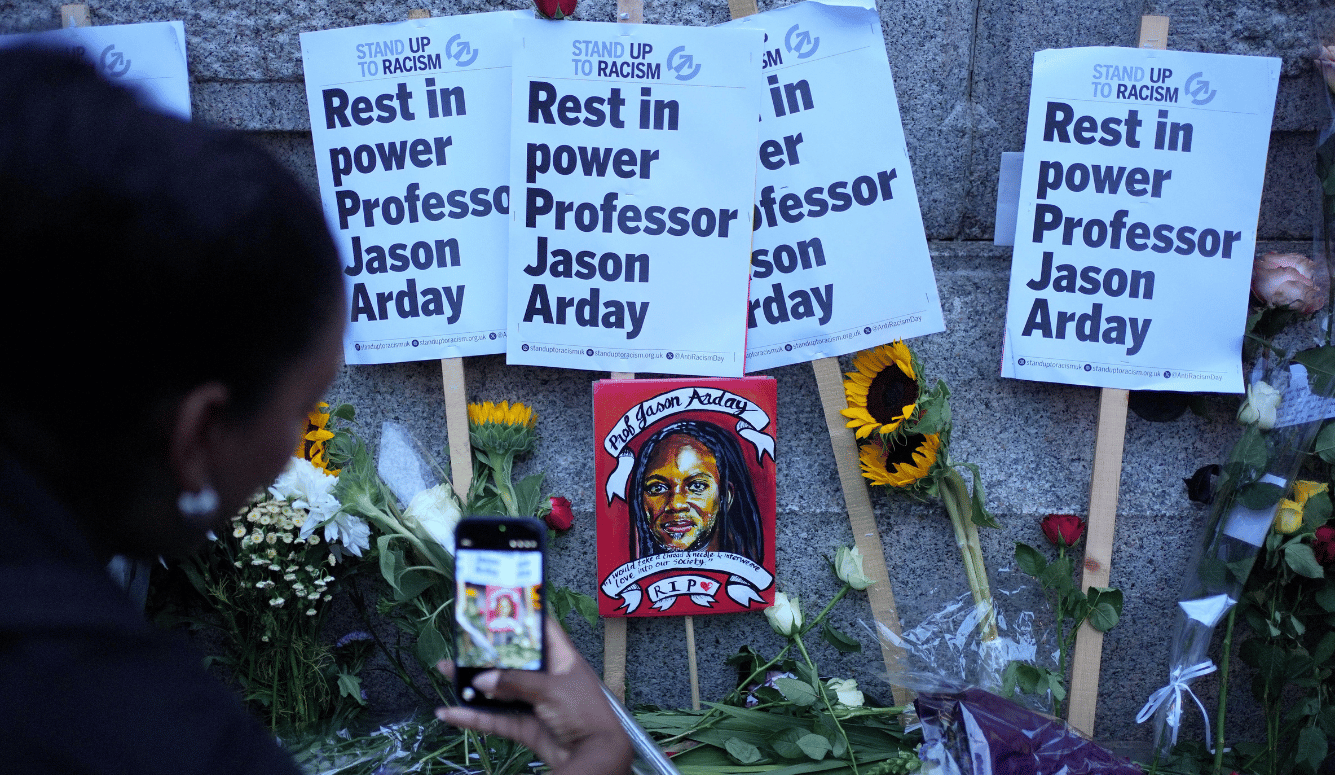
A Death on Another's Head
We should worry about the perverse incentives created by elevating a self-killer and punishing his enemies.
Jason Manning
· 12 min read
We should worry about the perverse incentives created by elevating a self-killer and punishing his enemies.

A new exhibition curated by Lars von Trier provides a fascinating look at who and what has influenced one of the world’s most prodigiously gifted and provocative filmmakers.

The knowledge and infrastructure needed to engineer a pandemic pathogen, once confined to a handful of elite military and civilian research institutions, are quietly becoming more accessible.
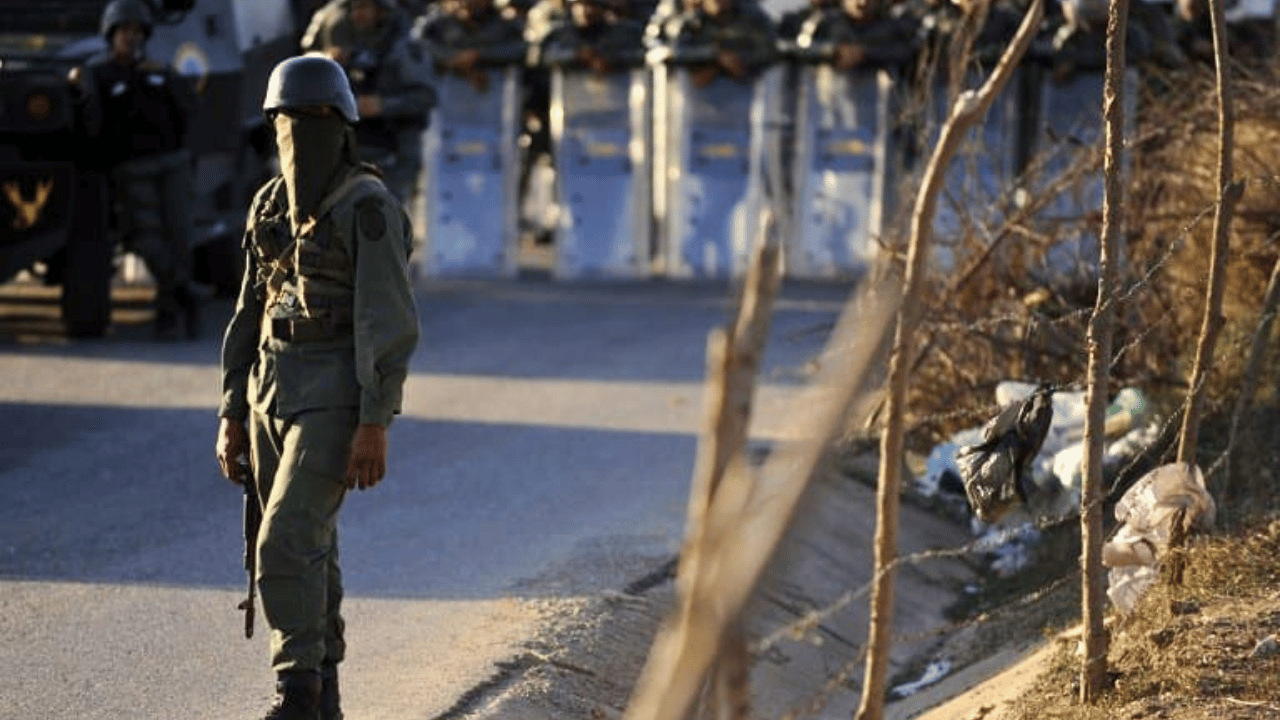
The jokes we told in a Venezuelan prison.

Increasingly, sociologists are expected to avoid research questions and theories that involve the role of culture in shaping societal inequalities.

David Maywald on the female wage premium, the rites of passage boys no longer have, and why the science on sex differences keeps losing to ideology.
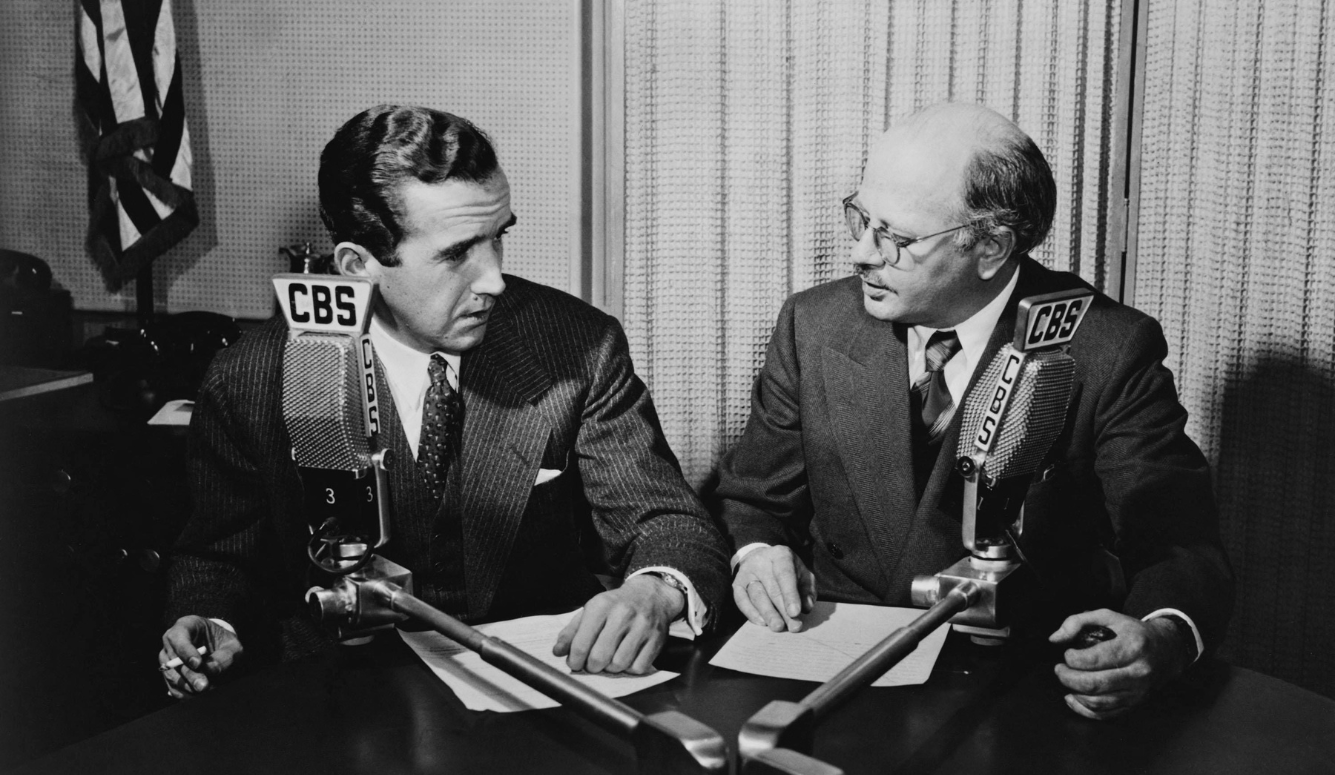
The rise, fall, and rise again of one of the 20th century’s most important journalists.

There is a rather large difference between the banned books promoted by celebrities and genuinely transgressive and provocative writing.

Israeli governments have never decided what to do with the West Bank—so the settlers have begun deciding for them.
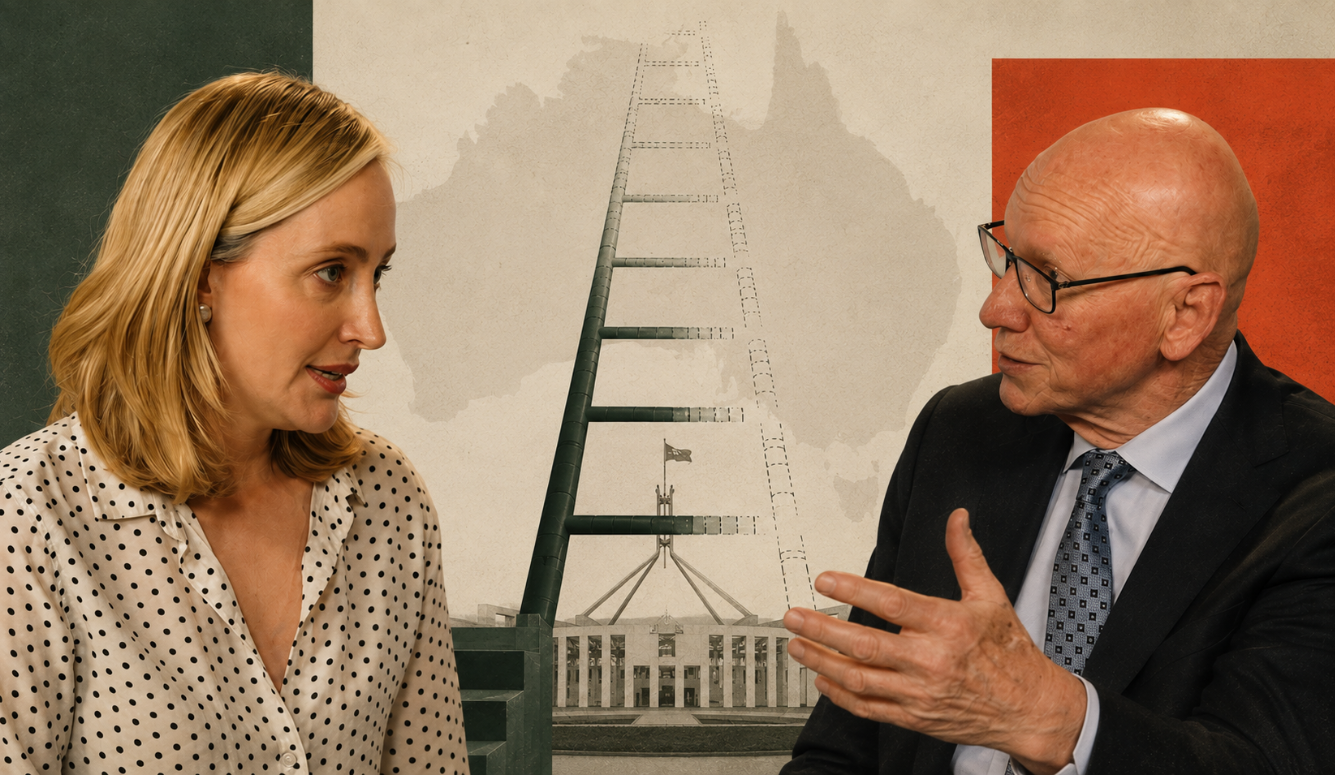
Fund manager Geoff Wilson tells Claire Lehmann that Labor’s new capital gains tax will drive Australian capital out of growth companies and into franked dividends—and push a generation of founders offshore.
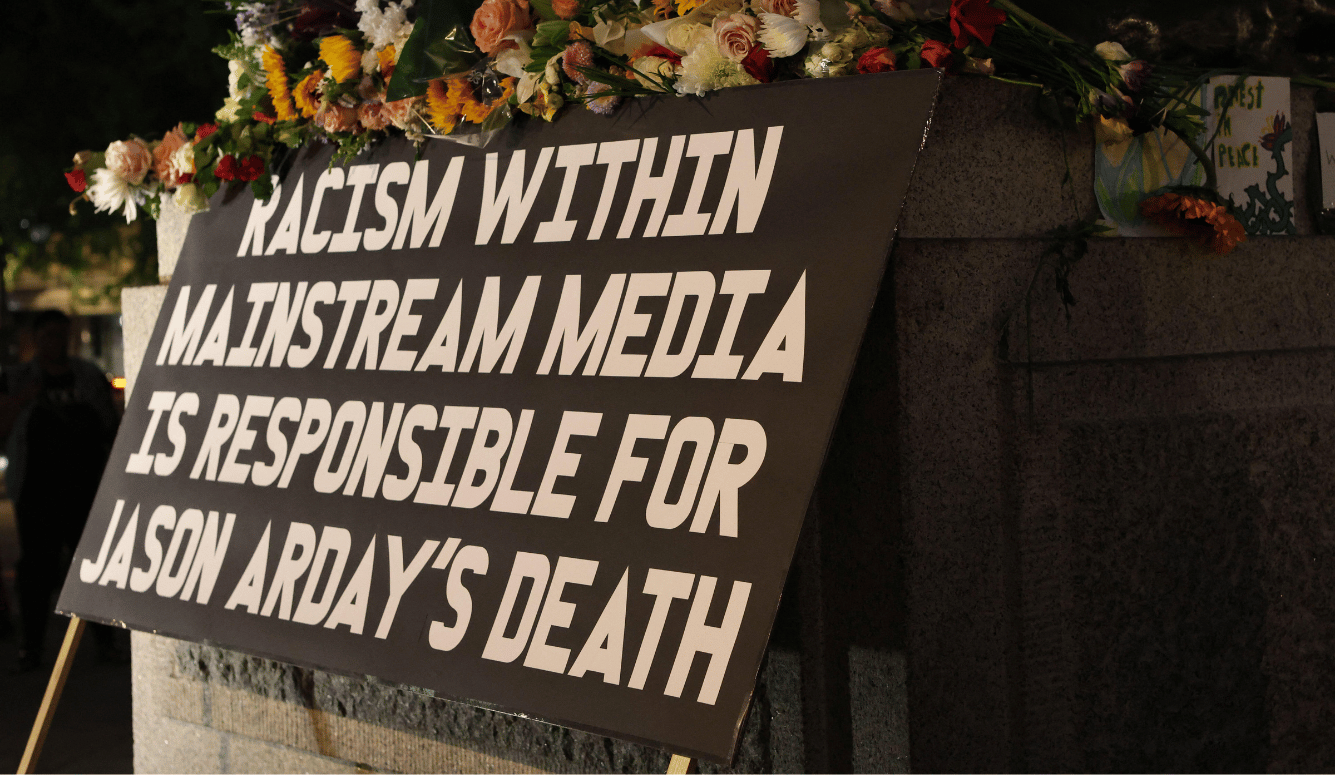
The disgraced academic was a pathological liar and lifelong con artist whose misdeeds were covered up for years by self-serving academic administrators. Exposing this kind of rot in elite institutions is our job.
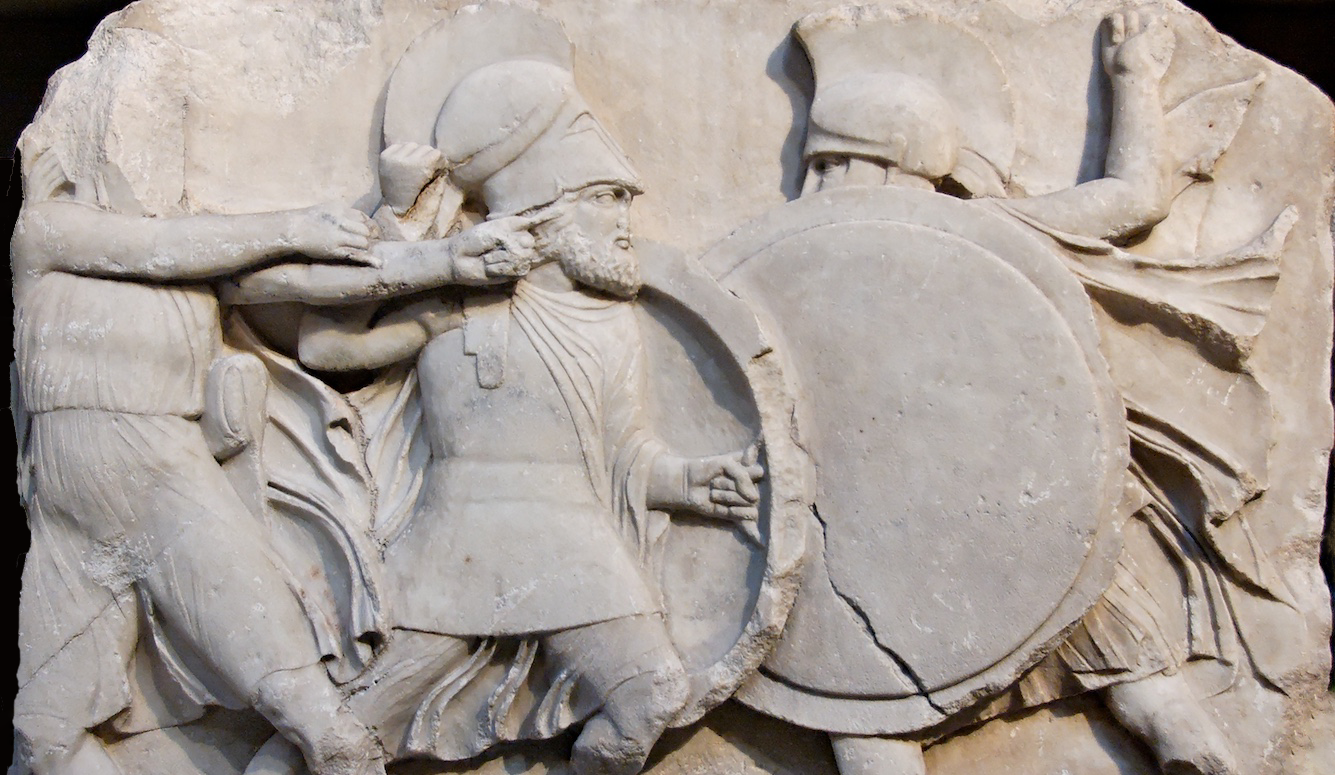
Twenty-four centuries ago, Xenophon and his 10,000-man Greek army found themselves trapped at the heart of the Persian Empire. Their amazing escape, described in a new book by Robert L. O’Connell, is a tale for the ages.

Might Canada’s fate foreshadow that of other advanced but dependent democracies, clinging to old ideals of cooperation and diplomacy as they’re rolled under the treads of China’s or America’s naked self-interest?