
Earlier this year, media and social media exploded over the Epstein Files. Thousands of documents were released which, according to internet sleuths, would provide evidence that the people in Epstein's orbit were complicit in his crimes against young women and teenage girls. Anyone who expressed scepticism was described as "paedophile adjacent." I was one of those people, and was briefly banned from X for expressing a lack of interest in the files.
 Claire Lehmann
All of this happened against a curious backdrop: Epstein's crimes—while predatory and immoral—were not actually instances of pedophilia at all. Pedophilia refers to sexual attraction to pre-pubescent minors, i.e. those that are sexually immature. Epstein's conviction involved the solicitation of a sexually mature minor. The distinction matters. The intuition that sex crimes against pre-pubescent children are categorically worse isn’t just a matter of emotional disgust. Crimes against pre-pubescent children are not only violative, they are corrupting, in the sense that adult sexuality is introduced into someone’s life before they are physically and psychologically ready.
The law, in most jurisdictions, reflects this understanding. In New South Wales, the state in which I live, sexual intercourse with a child under 10 years of age carries a maximum sentence of 25 years, one of the heaviest penalties in our criminal code. While equivalent sentences for children under 14, and under 16 respectively, attract progressively lower maximum sentences. The law is, in this sense, a practical translation of a philosophical judgement: that the younger the child, the greater their vulnerability, the more profound the betrayal, and the more severe the wrongdoing.
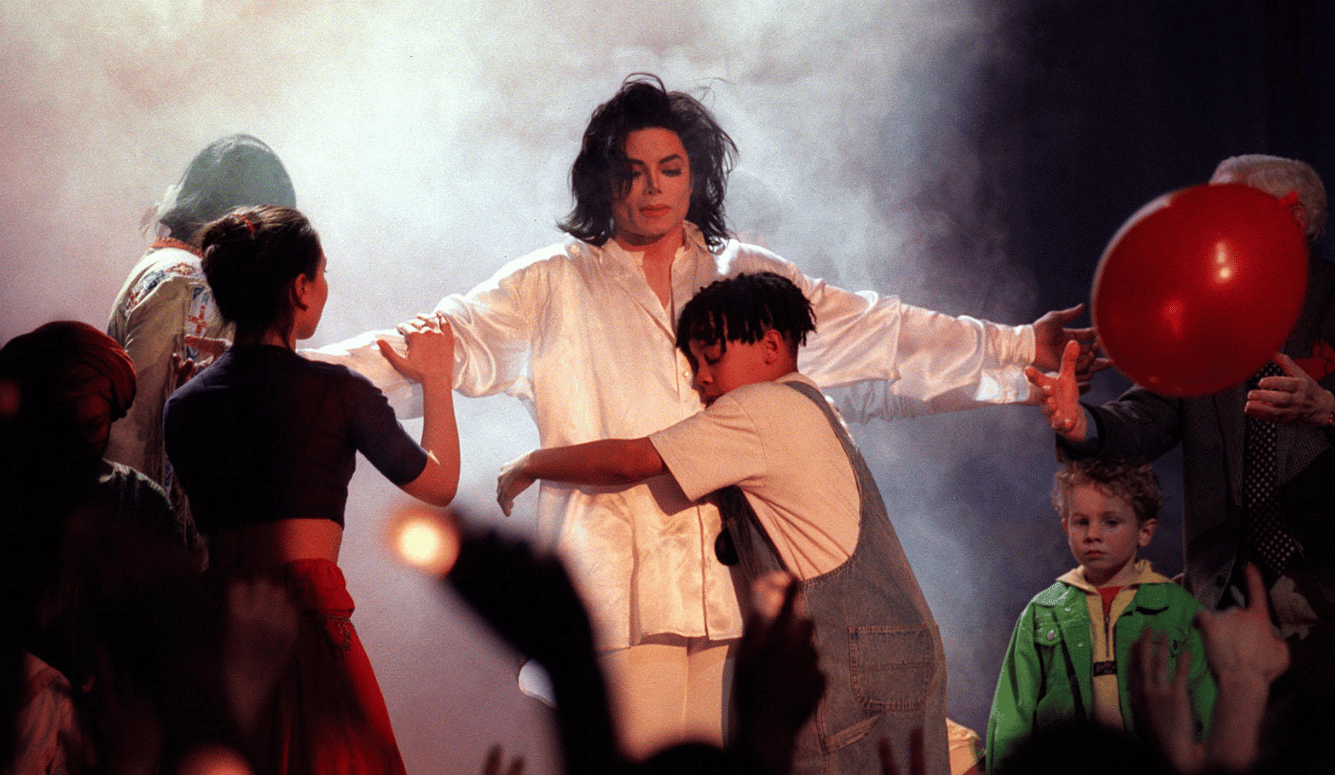
Which brings me to Michael Jackson. As of May 27, 2026, the new biopic Michael has grossed $790 million worldwide, making it the second highest grossing film of 2026, and the fourth highest grossing biopic of all time. Of course, the film does not address the child molestation accusations made against Jackson during his lifetime. And hardcore fans still insist, in 2026, that he was innocent.
In a new long read for Quillette, Andrew Hammel makes the case that the evidence against Jackson is substantial and follows a consistent pattern. Jackson's behaviour with pre-pubescent boys spanned nearly three decades. He cultivated relationships with boys from broken or distracted homes, showering their families with gifts and attention before isolating the children. Police searches of Neverland and his Century City apartment uncovered books of nude boy photography. At least one of these books was produced by a co-founder of NAMBLA (North American Man/Boy Love Association)—as well as a nude photograph of a former child friend. In the 1993 investigation, a thirteen-year-old named Jordan Chandler gave investigators a physical description of Jackson's genitals, including a distinctive marking that multiple witnesses to the subsequent police search said was accurate, although the matter was never tested at trial. Two of Jackson's former child friends, Wade Robson and Jimmy Safechuck, have since alleged sustained sexual abuse at the hands of the singer. Lawyers representing his accusers have alleged Jackson paid out as much as $200 million in gifts and settlements to young boys and their families over the course of his career.
Andrew Hammel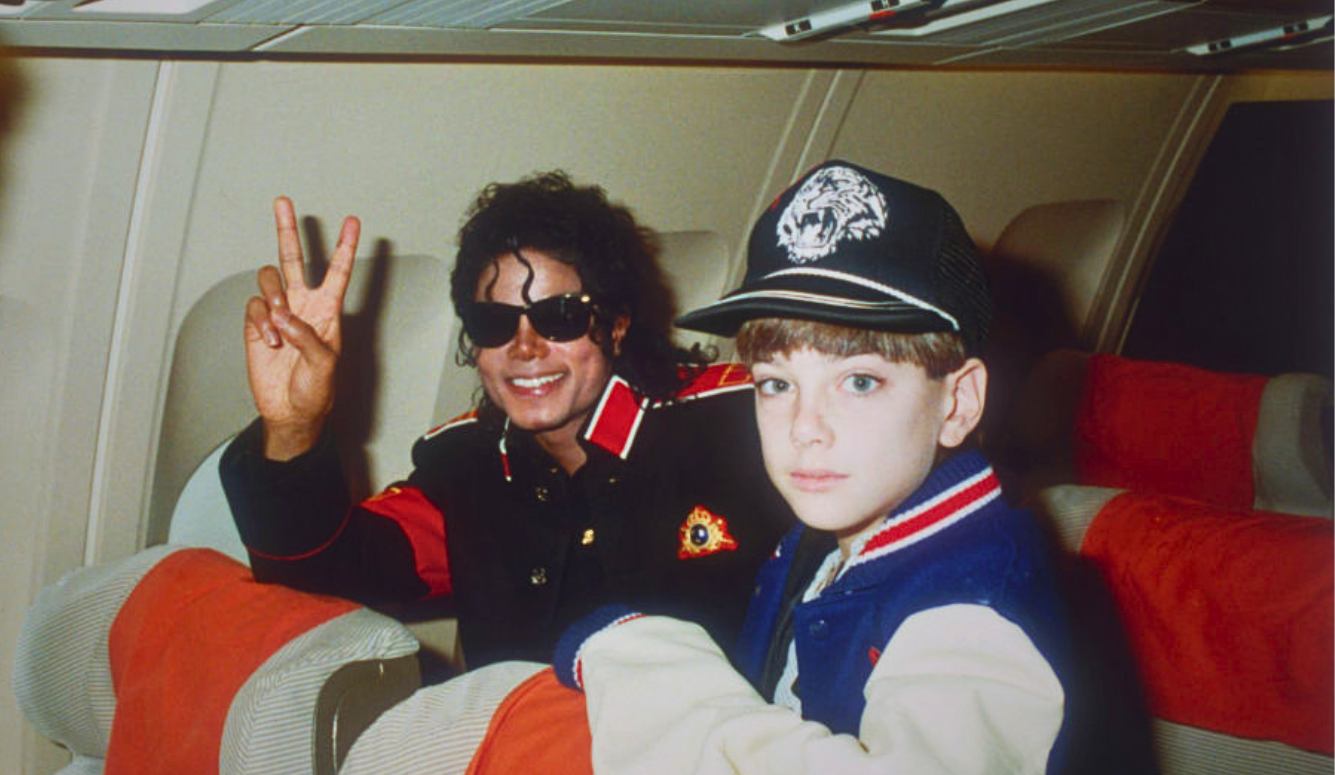
Caveats must also be stated: Jackson was acquitted at trial in 2005. Some accusers had credibility problems and had previously denied abuse. Civil litigation creates financial incentives that complicate testimony. No conviction exists. And reasonable people can weigh this evidence differently.
And yet: the public's reaction to Jackson versus Epstein remains curious. Why does association with Epstein end careers and prompt resignations from Harvard, while Jackson—who was likely both a sex offender and a paedophile—prompt billion-dollar biopics?
The answer, I think, has less to do with evidence than it does with cultural archetypes. In particular, archetypes about criminality, evil, and predation.
We absorb cultural archetypes regarding villainy from shared stories: the wolf in Little Red Riding Hood, rich men with white cats in the Bond franchise, supernatural villains from Marvel comics. In the stories we tell about good and evil, we very rarely encounter a villain who is vulnerable.
And this clouds our ability to understand crimes against children, because paedophiles don't present the way that other criminals do. Violent offenders often carry themselves with visible menace, triggering our threat detection systems. When I was studying forensic psychology and visited the sex offender wing at Long Bay Prison, for example, the contrast between violent and sex offenders was immediate. In the violent offender wing, men paced the prison yard and did handstand push-ups. In the sex offender wing, men sat crouched, hunched in the garden, looking away quickly if they met your eyes. They were the lowest of the low in the prison hierarchy, which is precisely why they needed to be housed separately in the first place.
When they are outside prison, paedophiles continue to present as the opposite of threatening. They are often soft-spoken and gentle. They genuinely like children and want to be around them. They make friends with parents, teach children new skills, and show interest in them. That adult attention can sometimes come as a relief to busy parents with complicated lives. This is why it is so hard for parents to accept the truth when their child is being abused by someone they know—which is, statistically, how most abuse occurs.
Keep reading
How France Lost Control of Its Streets
How to Suppress Men’s Writing
Back to the Dark Ages

Prison or Peer Review

France’s Imaginary Austerity