The Coming of Neo-Feudalism—A Review
Feudal societies were hierarchical, with clearly-defined roles and responsibilities for everyone. The knights fought for all, the priests prayed for all, and the peasants worked for all.
Protection at the cost of a planned economy and a surveillance state would be no protection at all.
If you want to get a glimpse into the future of journalism—not to mention poetry, music, fiction, and all the rest—these tempests offer a good taste of what’s to come.
Charles Murray believes in the values of Enlightenment: science and knowledge, truth and progress.
Listen onSpotify Glenn Loury, a professor of economics at Brown University, talks to Jonathan Kay about the aftermath of the police killing of George Floyd. Professor Loury recently published a piece about this in Quillette entitled Condemn the Violence Without Equivocation.
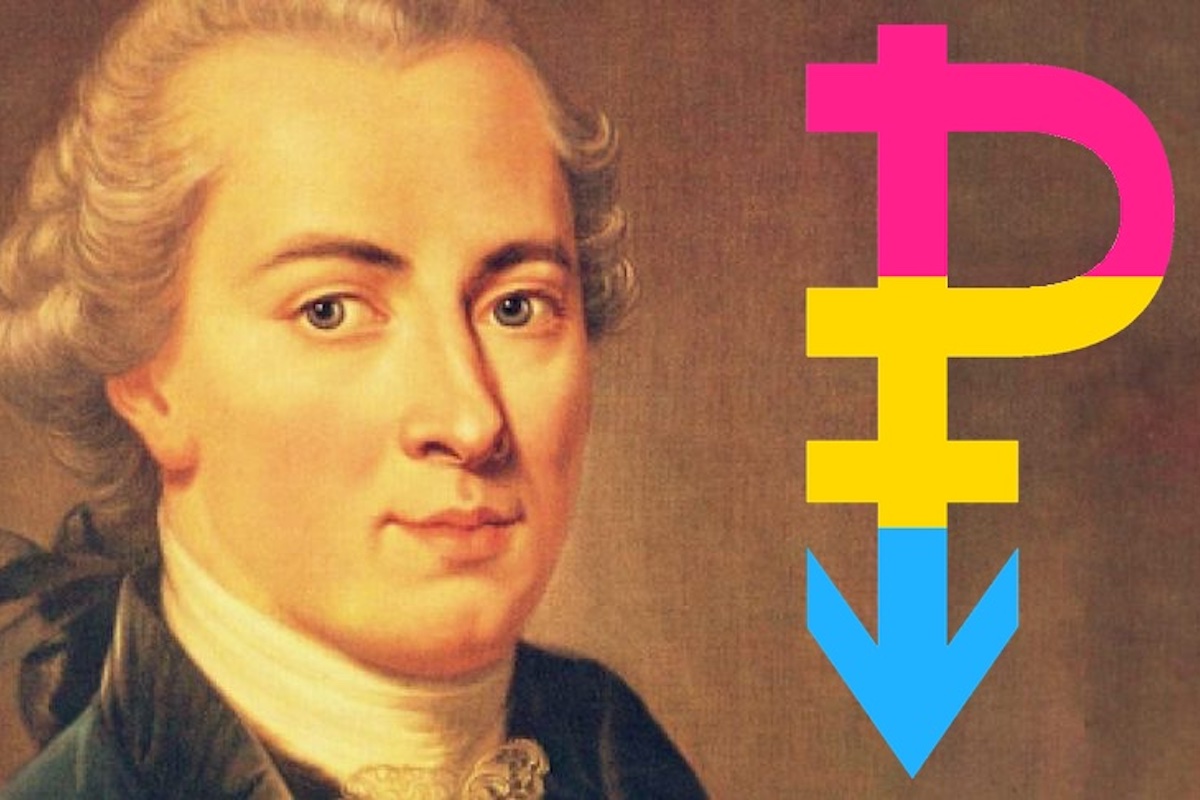
Biological sex in humans is a binary system.
Opinion, he says, is not the same as activism and purely objective journalism does not exist.
This isn’t virtue signalling because a corporation is a legal fiction—and so it doesn’t have virtue to signal.
Wæver has dedicated his career to the idea that some of the most consequential forms of political activity and statecraft should be viewed through the lens of unspoken societal power hierarchies.
For classical liberals, Hong Kong had been a beacon of hope for half a century.
Listen onSpotify David Frum talks to Jonathan Kay about the damage done by the Trump presidency and the way forward for America. His new book is Trumpocalypse: Restoring American Democracy.
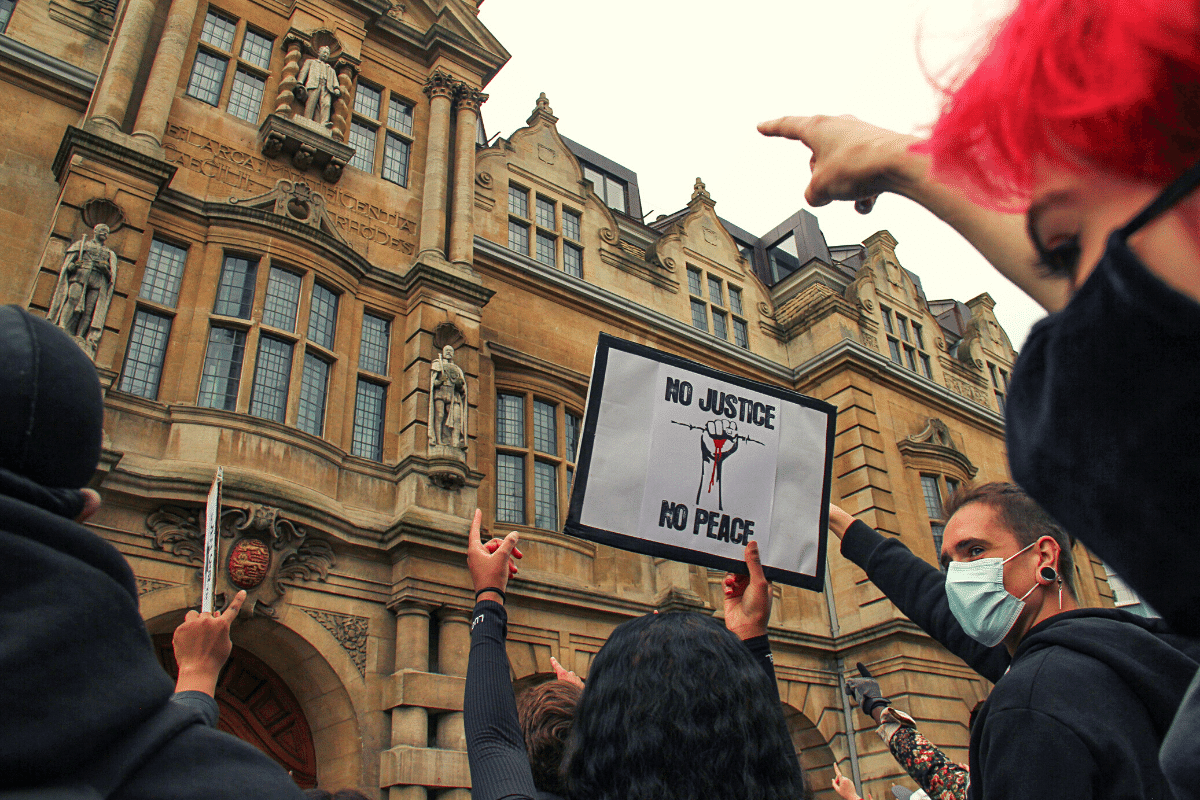
The protests are not merely the legitimate exercise of constitutional rights to assemble and to petition our government—they are essential for sustaining the moral health of our democracy.
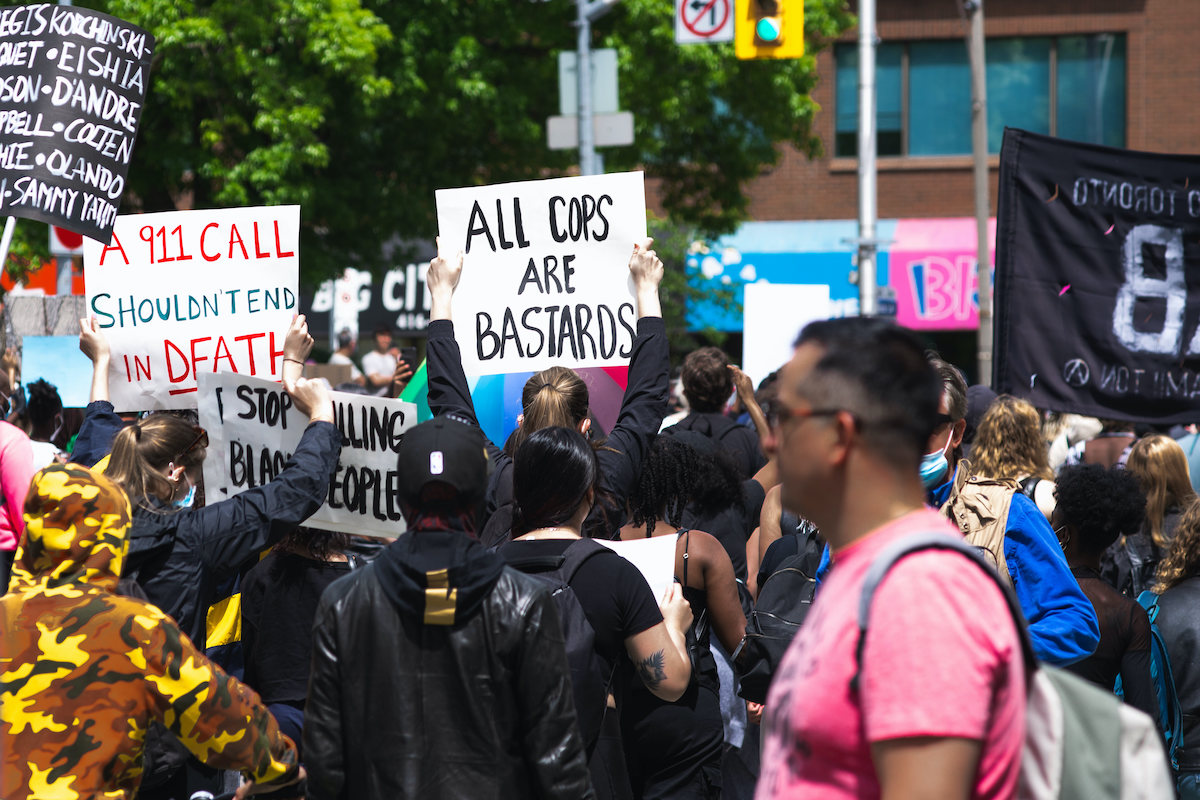
Cities in which inequality has been allowed to deepen for a generation now need to find new strategies that provide hope and fairer policies to their poorer residents. The alternative is watching them burn when minority and working class resentment inevitably erupts.
This is the territory with which Allen feels most familiar and confident—a spare, crisp, and yet intricately plotted tale that juggles characters and situations with sensitivity and bathos.
All in all, the evidence suggests that violent protests and rioting empower right-wing political forces, provide an opportunity for gangs to enrich themselves and exploit destabilized local populations, impoverish property owners, and harm long-term economic fortunes.