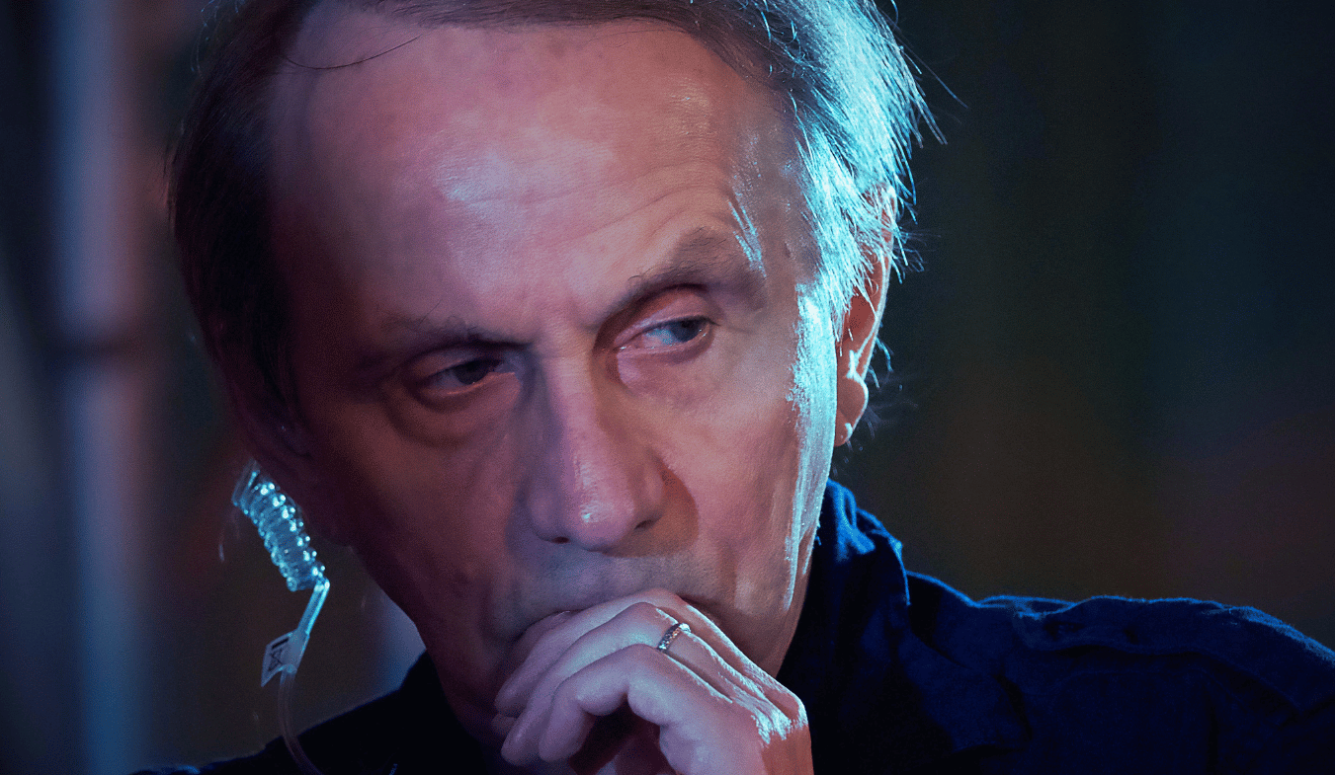
The Sorrow and the Self-Pity
Michel Houellebecq’s new memoir reveals a man quick to find fault with others but slow to accept responsibility for his woes.
RJ Smith
· 8 min read
Michel Houellebecq’s new memoir reveals a man quick to find fault with others but slow to accept responsibility for his woes.
Politics encourages giant-building not aesthetics.
In ‘The Hidden Spring,’ psychoanalyst Mark Solms offers a theory of consciousness and the causal mechanisms from which it arises.
More than six centuries after The Canterbury Tales first appeared, the Wife of Bath still has lessons to teach about love, sex, marriage, and—yes—feminism
A look back at William Goldman’s bonkers metafictional novel ‘The Princess Bride,’ which later became a much-loved family film.
How dissent is policed in social science.
Before finding fame as a children’s author, Dahl penned the first novel on nuclear war to be published after the atomic bombing of Hiroshima.
This time, they always say, it could be different.
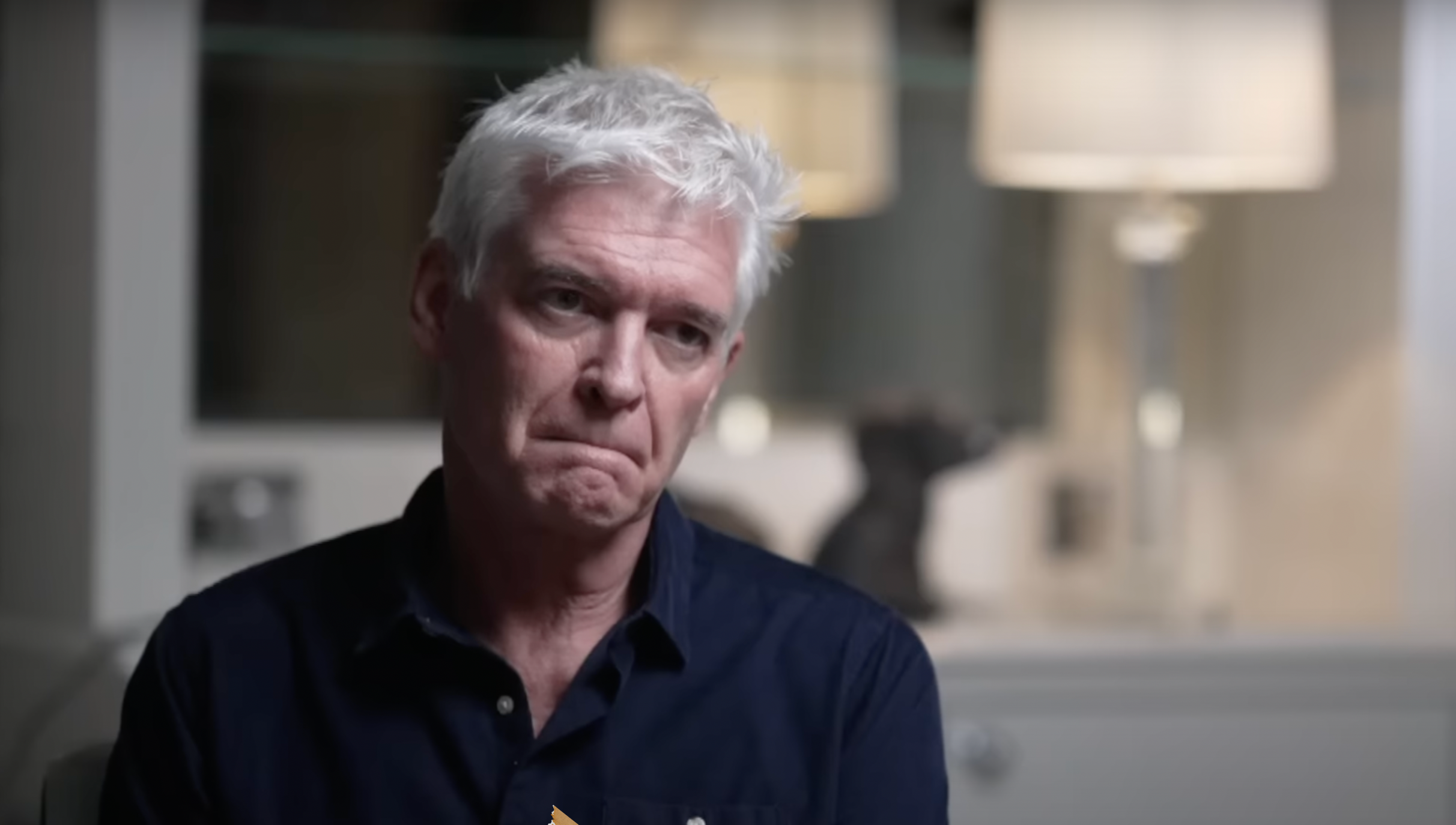
Philip Schofield and his critics could both learn a lot from Oscar Wilde’s prison memoir.
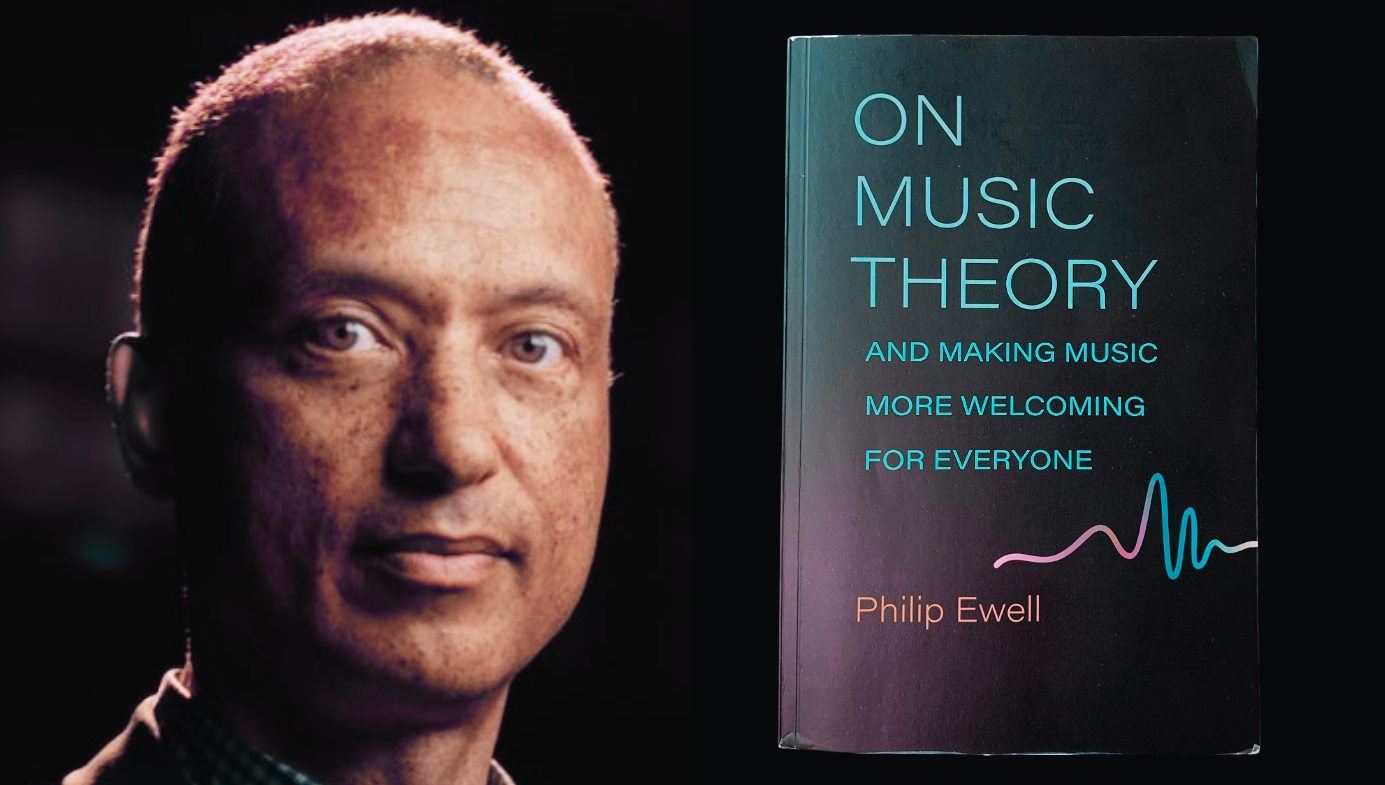
In his first book, Philip Ewell employs mistranslations and deceptively edited quotations to defame Viennese-Jewish music theorist Heinrich Schenker.
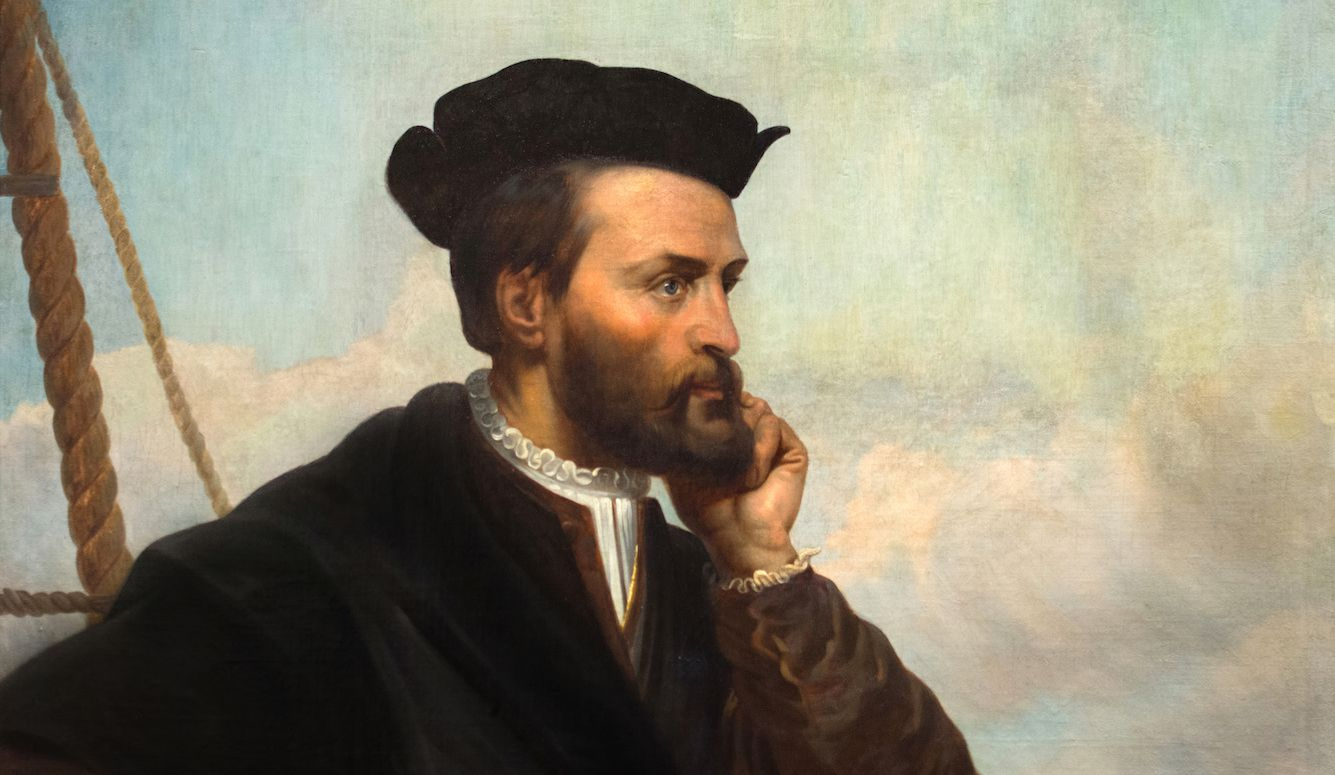
In the fifth instalment of an ongoing Quillette series on the history of Canada, Greg Koabel describes Jacques Cartier’s first encounters with the Mi’kmaq and Iroquois.
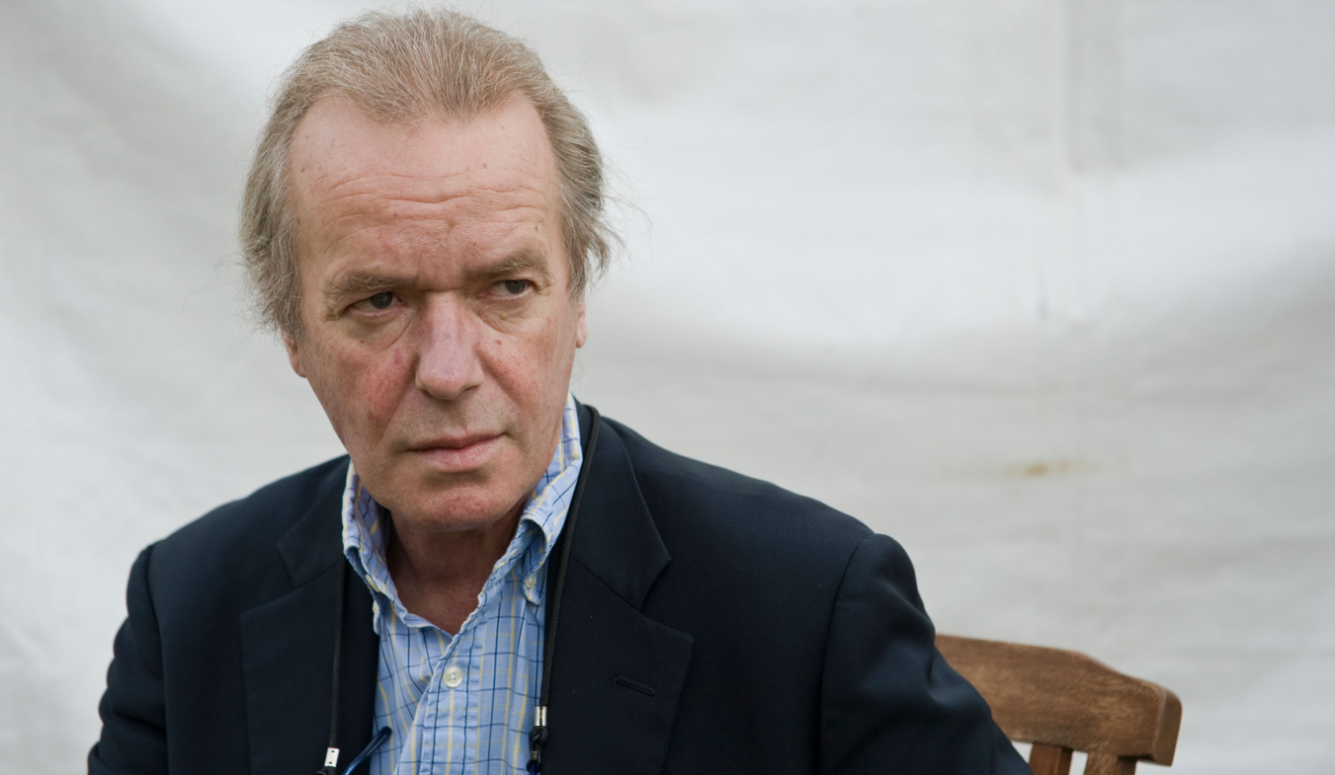
At its best, Amis’s fiction broke open the locked door behind which our culture tries to keep its skeletons hidden.
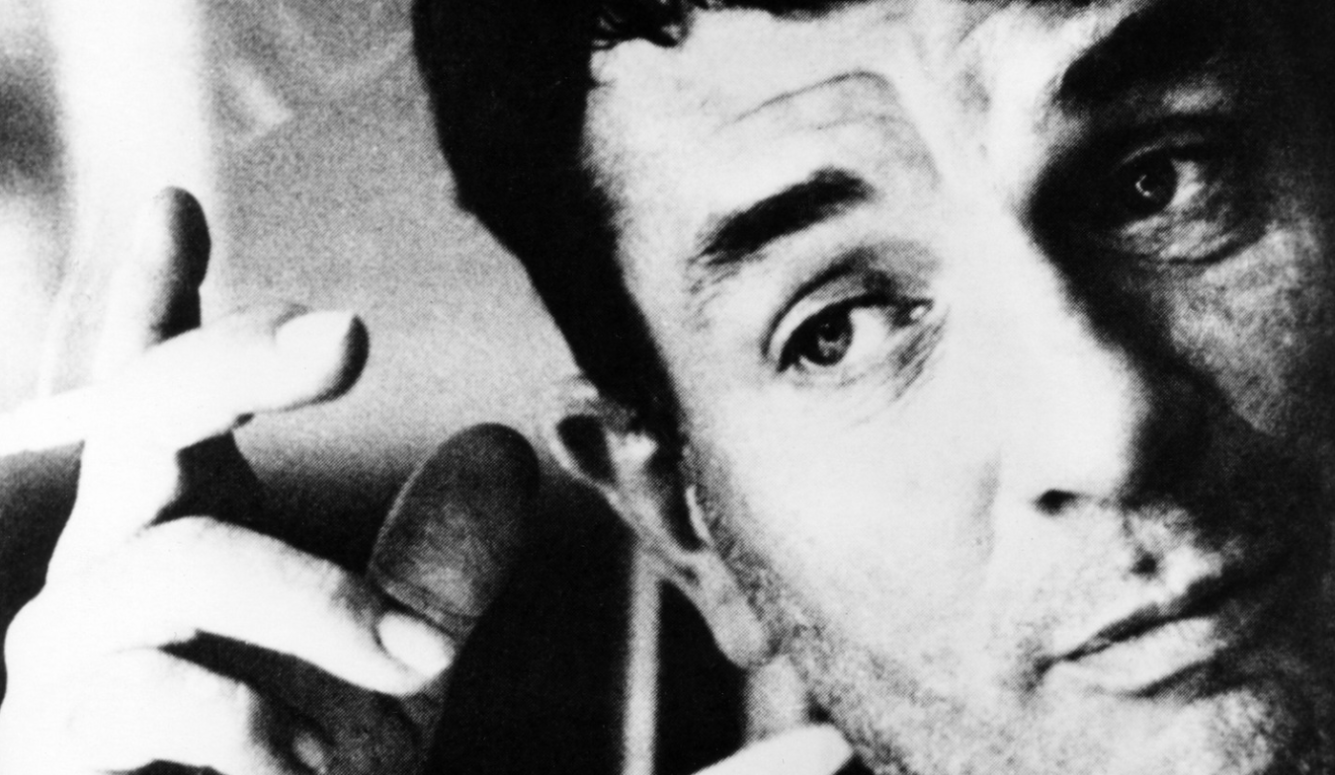
An eagerly awaited new edition of Gerald Nicosia’s splendid Kerouac biography provides the definitive portrait of a great artist and a profoundly troubled man.
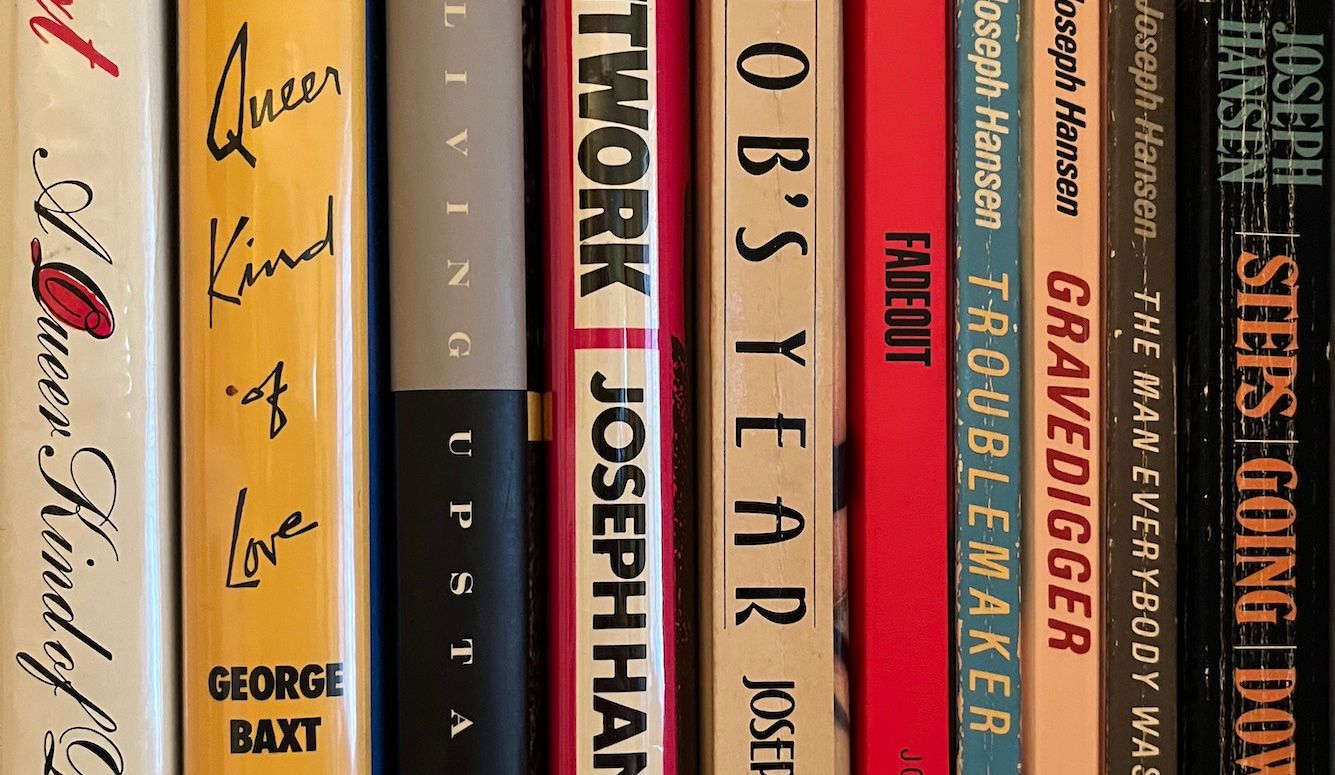
How the books of George Baxt and Joseph Hansen changed the genre.

Mary Jane Rubenstein’s real target in “Astrotopia” is not the corporate space race, but the very ideas of humanism and progress.