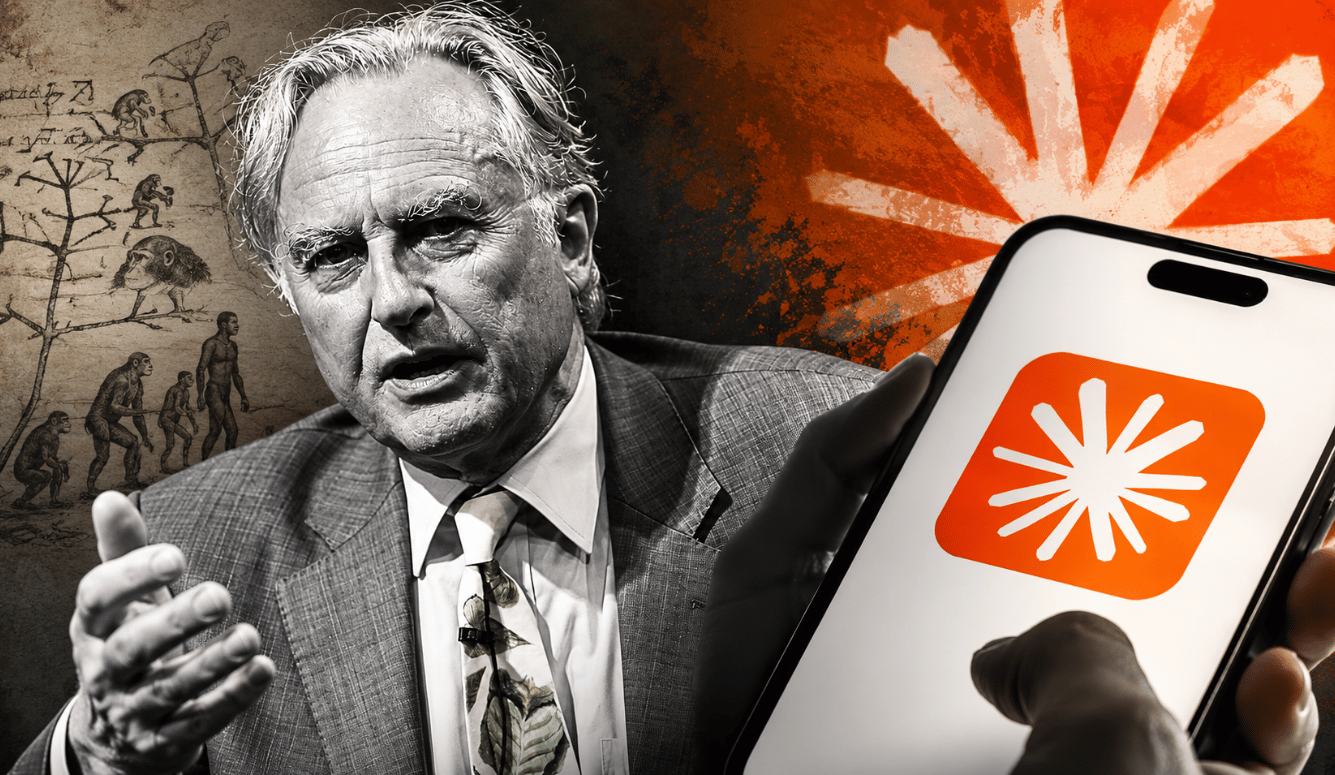
Richard Dawkins and the Claude Delusion
What is consciousness for?


Sean Welsh is co-author of An Introduction to Ethics in Robotics and AI and author of Ethics and Security Automata. He works as a digital transformation consultant in Brisbane.
What is consciousness for?
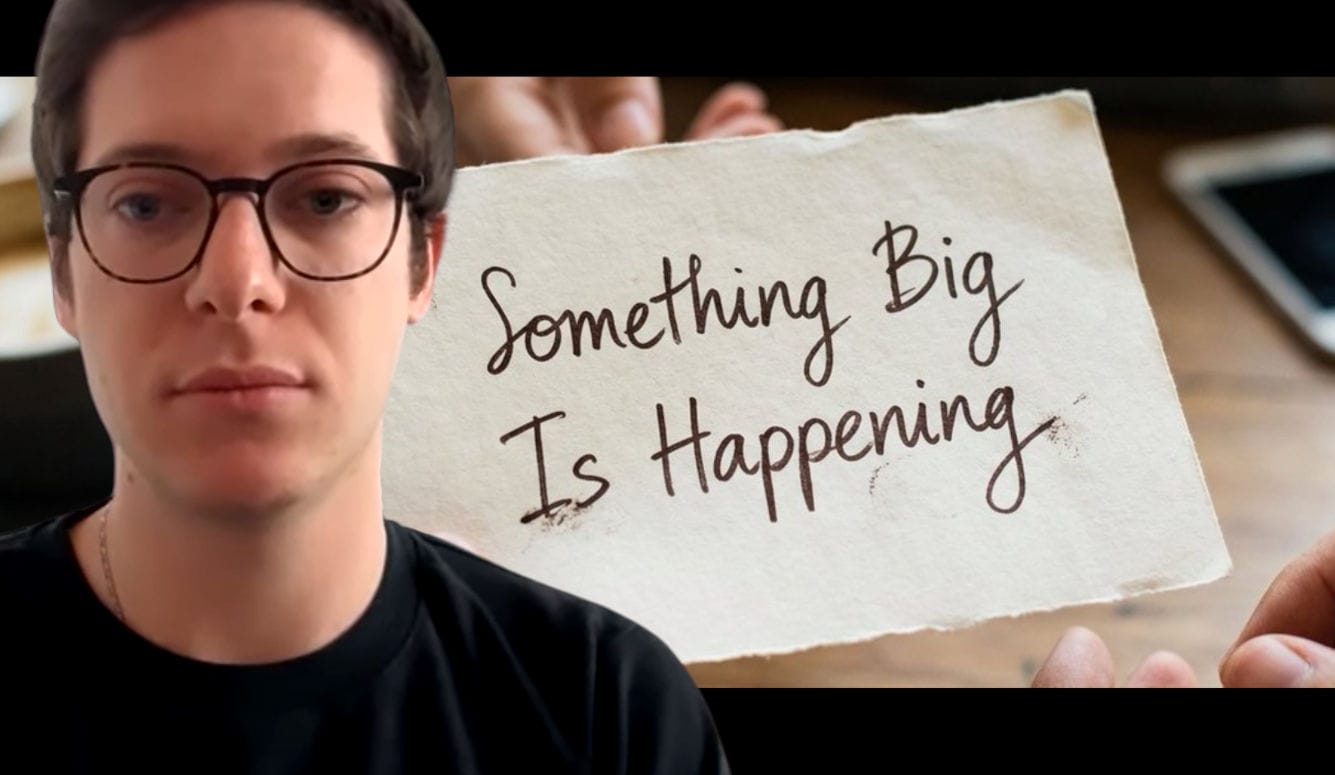
Matt Shumer’s viral essay about AI is part of a long history of fear produced by technological change.
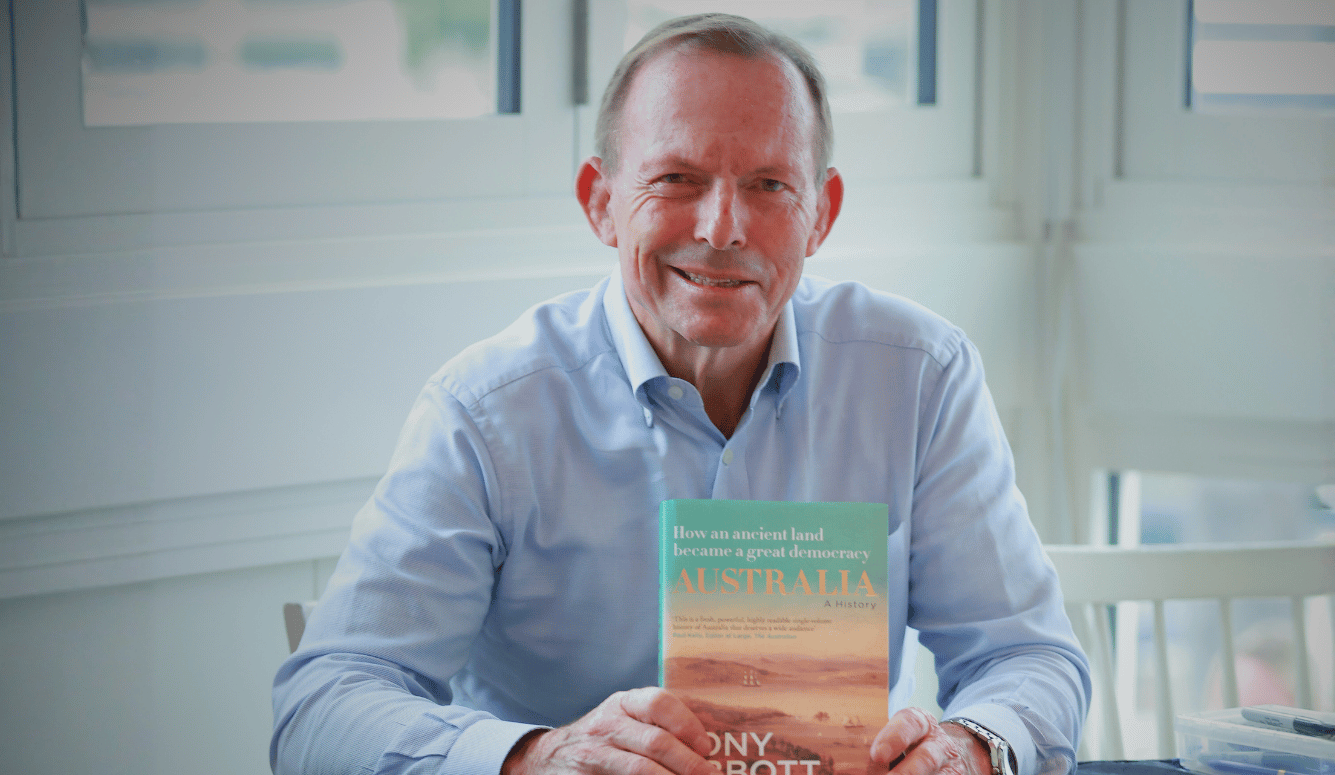
Tony Abbott argues that Australia’s history provides a lot to be proud of.
Any invasion of Greenland would be a logistical nightmare with no economic upside.
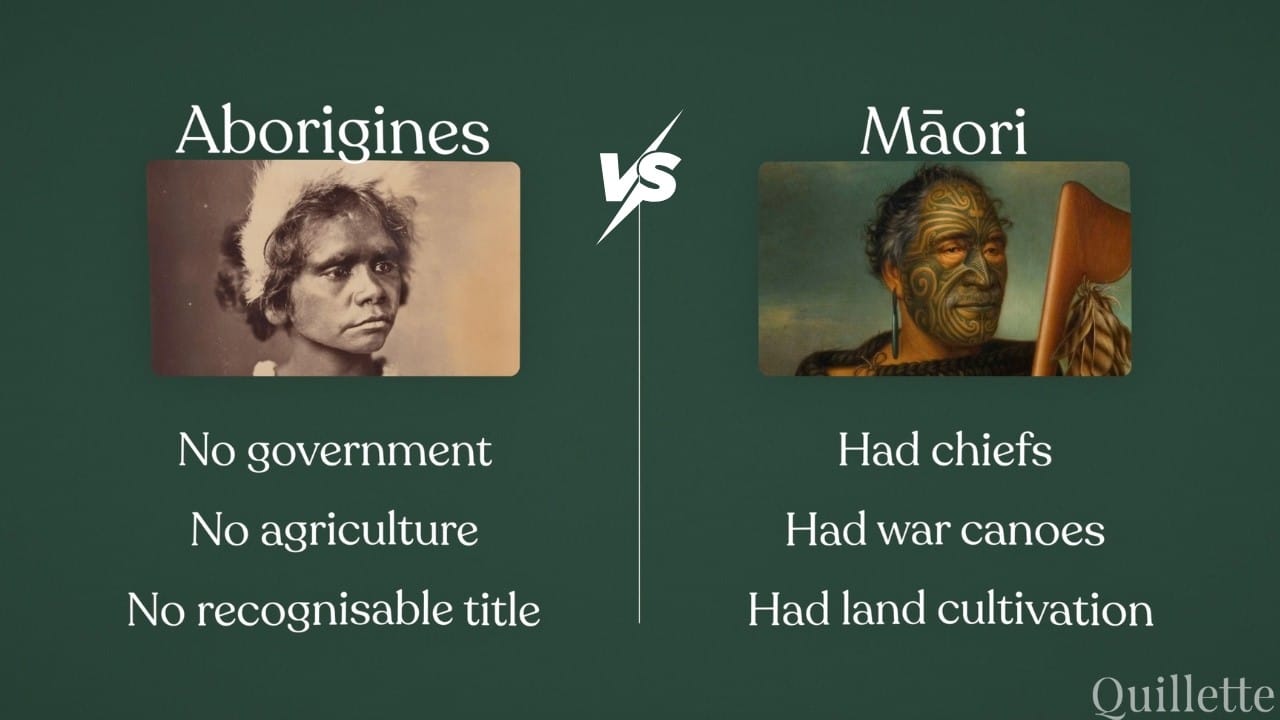
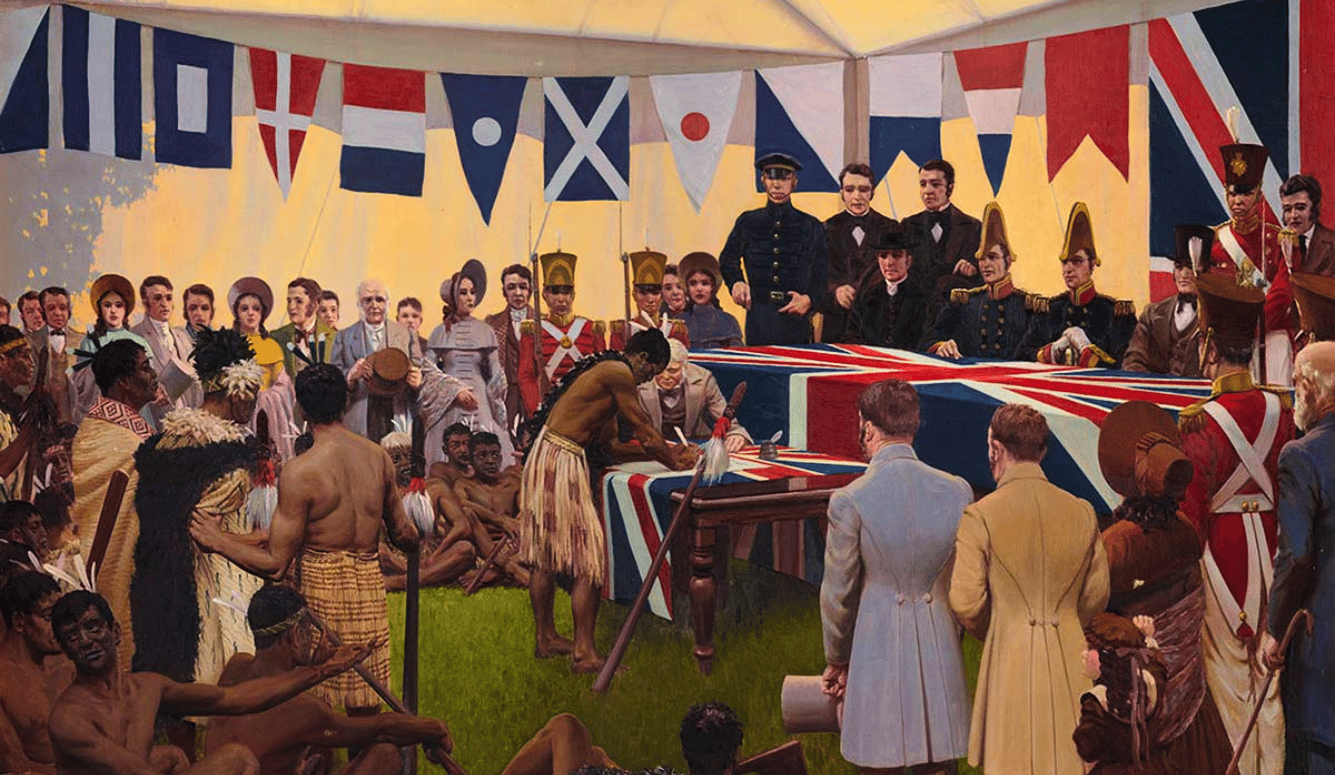
Why did Britain negotiate a treaty with Māori chiefs in New Zealand but claim Australia as terra nullius—“land belonging to no one”?
The philosopher John Searle’s concept of Intentionality and his Chinese Room experiment reveal the differences between AI computation and human thought.
Philosopher and programmer Sean Welsh talks with Zoe Booth about AI, colonial history, and why scepticism is the best guide through both technology and politics.
Why the New Zealand Māori got a treaty from the British in 1840 but, in 1788, the Australian Aborigines did not.
The colonisation of Australia was neither a peaceful settlement nor a bloody conquest. It was a Malthusian swamping: the inevitable and tragic result of contact between hunter gatherers and agriculturalists.
On Australia Day, we should recognise the blackfellas, the whitefellas, and the fellas of all shades in between.
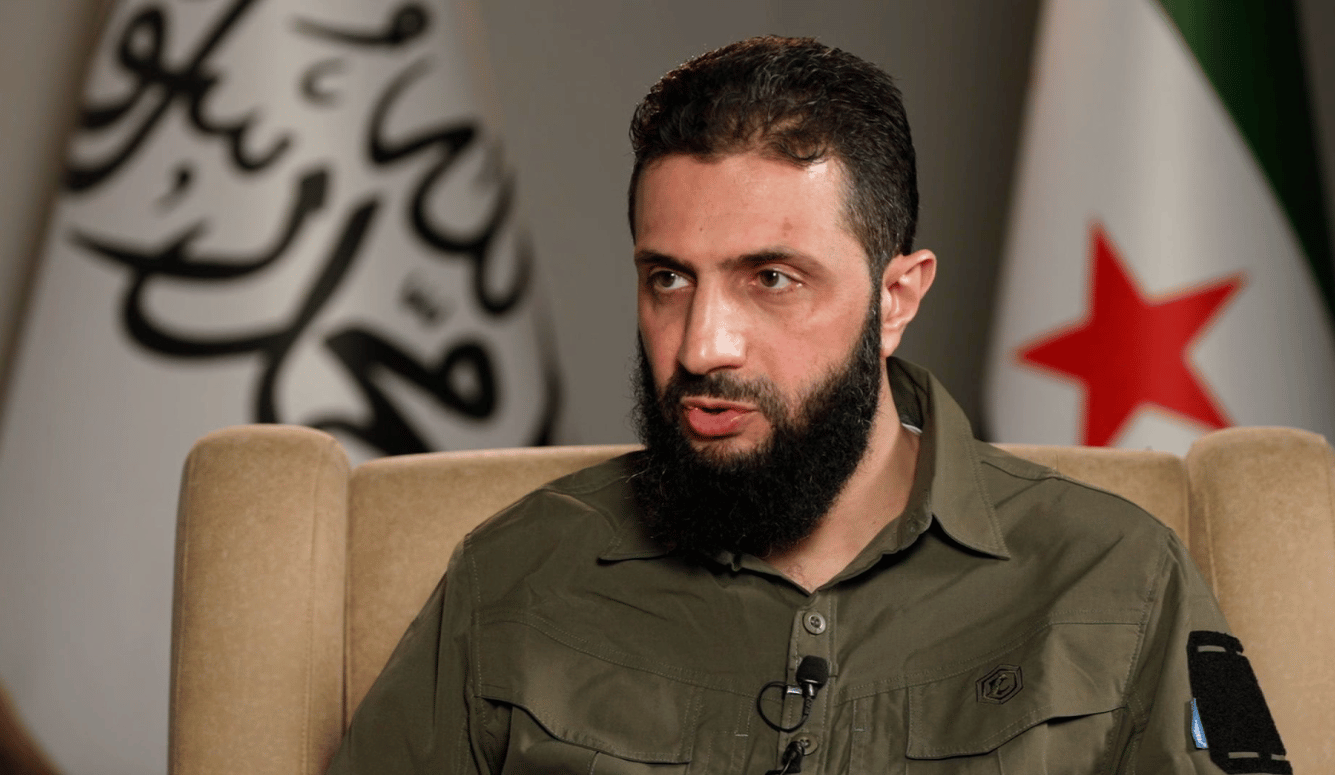
Syria’s new leader will have to balance his Islamist beliefs with the more pressing tasks of state-building and economic development.
AI catastrophe is easy to imagine, but a lot has to go consistently and infallibly wrong for the doom theory to pan out.