Content Hub
The Gender Identity Debate
A selection of Quillette essays and interviews examining the cultural, scientific, and legal dimensions of gender identity.
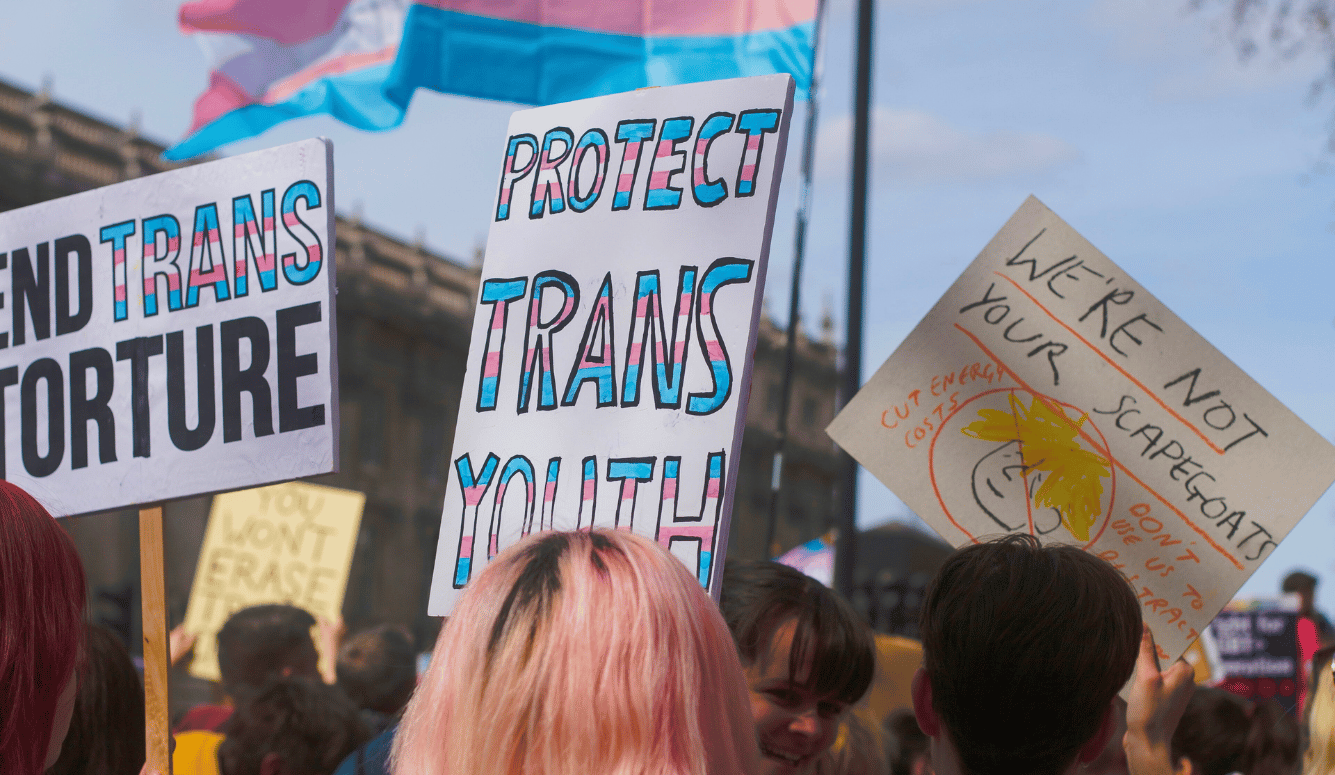

Since 2017, Quillette has published essays, interviews, and investigative reports examining the gender identity debate—from rapid-onset gender dysphoria and the rise in adolescent transition, to fairness in female sport, autogynephilia, and the evidence base for gender-affirming care.
The articles below bring together some of our most widely read and enduring contributions, featuring clinicians, evolutionary psychologists, journalists, and researchers.
Together, they offer a data-driven, evidence-focused exploration of one of the most consequential cultural and medical debates of our time.
Transgender Identity
In this seminal 2017 essay, psychotherapist Lisa Marchiano describes a surge of teenage girls suddenly identifying as transgender. She argues that this “rapid-onset gender dysphoria” reflects a social contagion amplified by peers, the internet, and affirmation-only clinics. Marchiano warns that rushed medical transitions risk harming vulnerable adolescents and calls for greater therapeutic caution.
 Lisa Marchiano
In 2023, Quillette published a data-driven essay by evolutionary psychologist David C. Geary arguing that the sharp rise in transgender identification—especially among adolescent girls—reflects powerful social-contagion dynamics amplified by peer networks and social media.
David C. Geary
Fairness in Female Sport
In 2024, Quillette’s Jonathan Kay presented a Massachusetts case study in which one athlete’s participation in girls’ teams, across a range of sports, led to multiple injuries and forfeited games.
Jonathan Kay
Again in 2024, Quillette’s Jonathan Kay reported on a season-long controversy at San José State University, where a biologically male player on the women’s volleyball team sparked opponent forfeits, internal rifts, and a 33-page Title IX complaint from the program’s associate head coach.
Jonathan Kay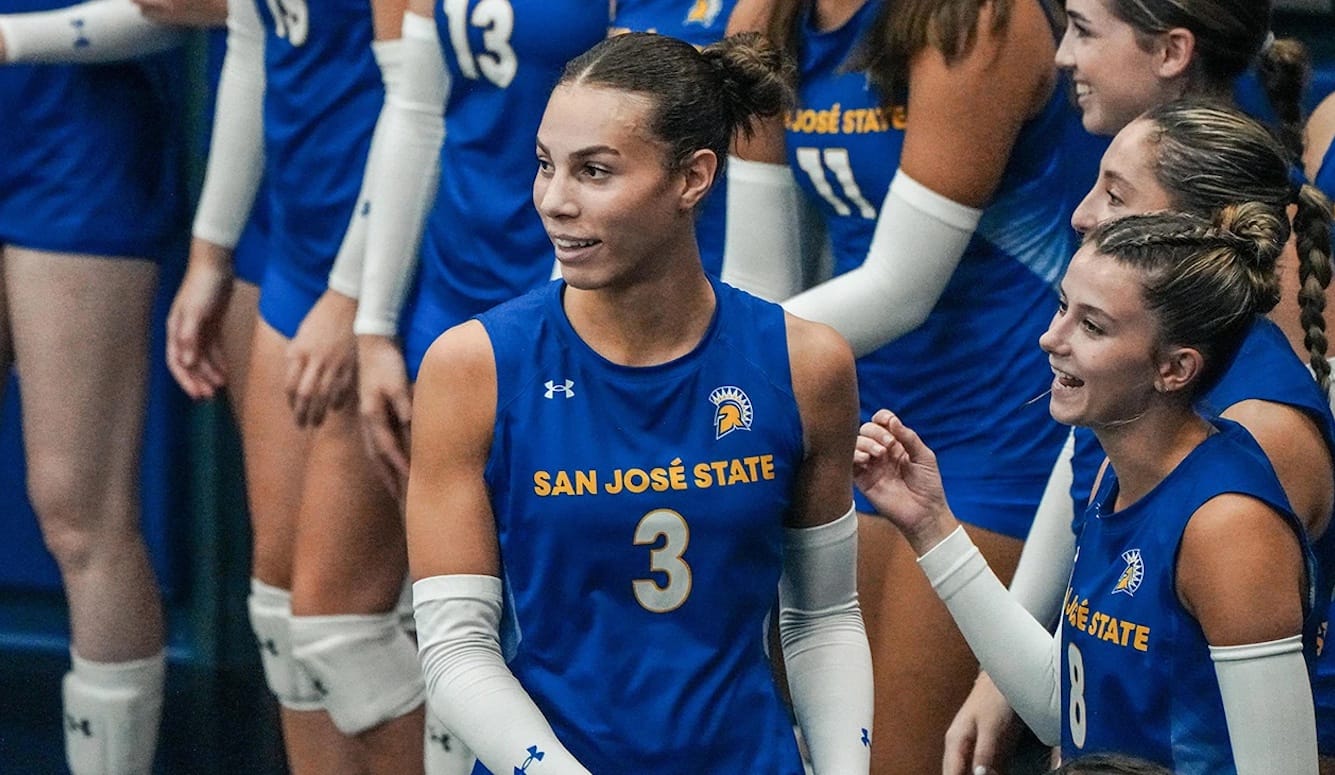
The Sex Binary
Activists often cite ‘trans animals’ as proof that sex and gender exist on a continuum. In this 2024 essay, evolutionary biologist Emma Hilton and Jonathan Kay examine eighteen animal species to show that, across nature, there are always just two biological sexes.
Emma Hilton
Can scientific data really support the idea of a ‘sex spectrum’? In this 2023 essay, Zachary A. Elliott debunks modern misconceptions of gender identity and reminds readers that biology has always drawn a clear line between male and female.
Zachary A. Elliott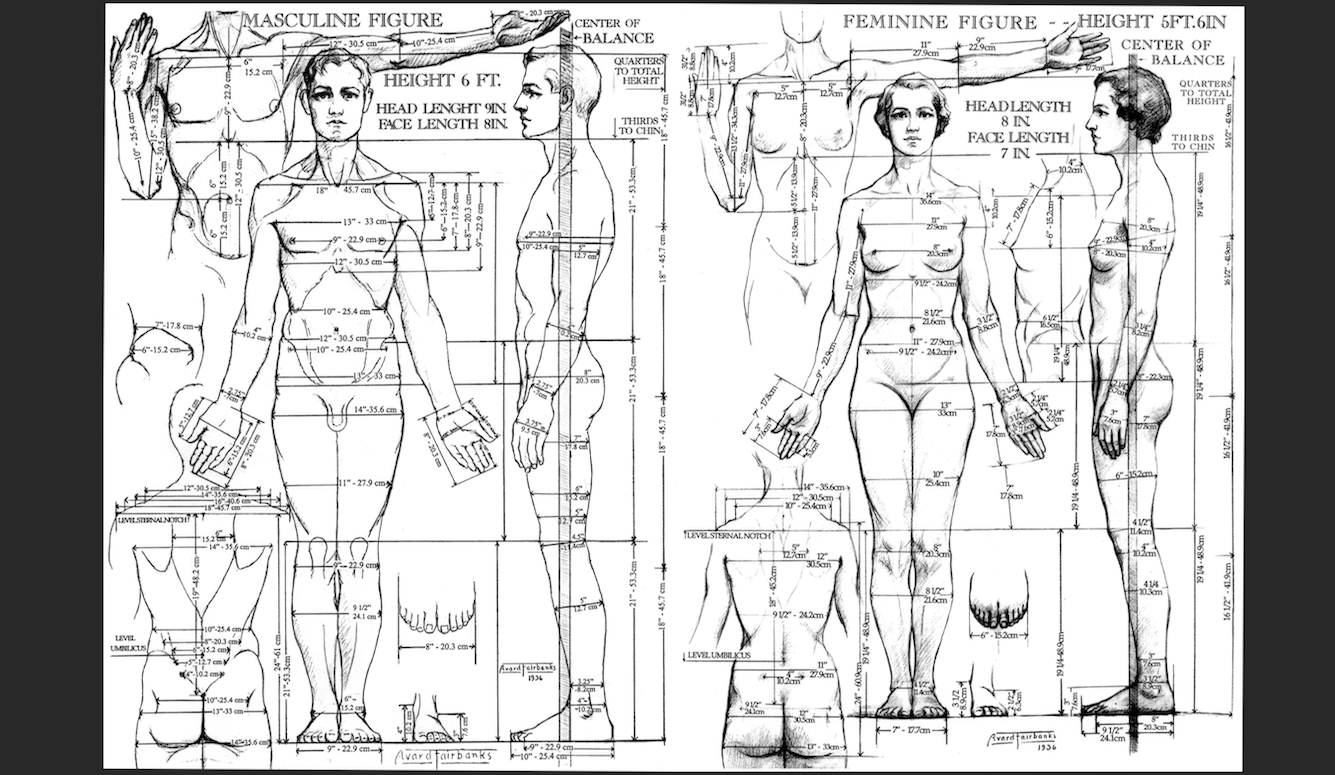
Gender-Affirming Care
In this 2025 essay, Northwestern University psychologists Forest Romm and Kevin Waldman argue that the United States v. Skrmetti Supreme Court decision marks a turning point for American medicine and psychology, forcing a reckoning with the weak evidence base behind “gender-affirming” treatments for minors.
Forest Romm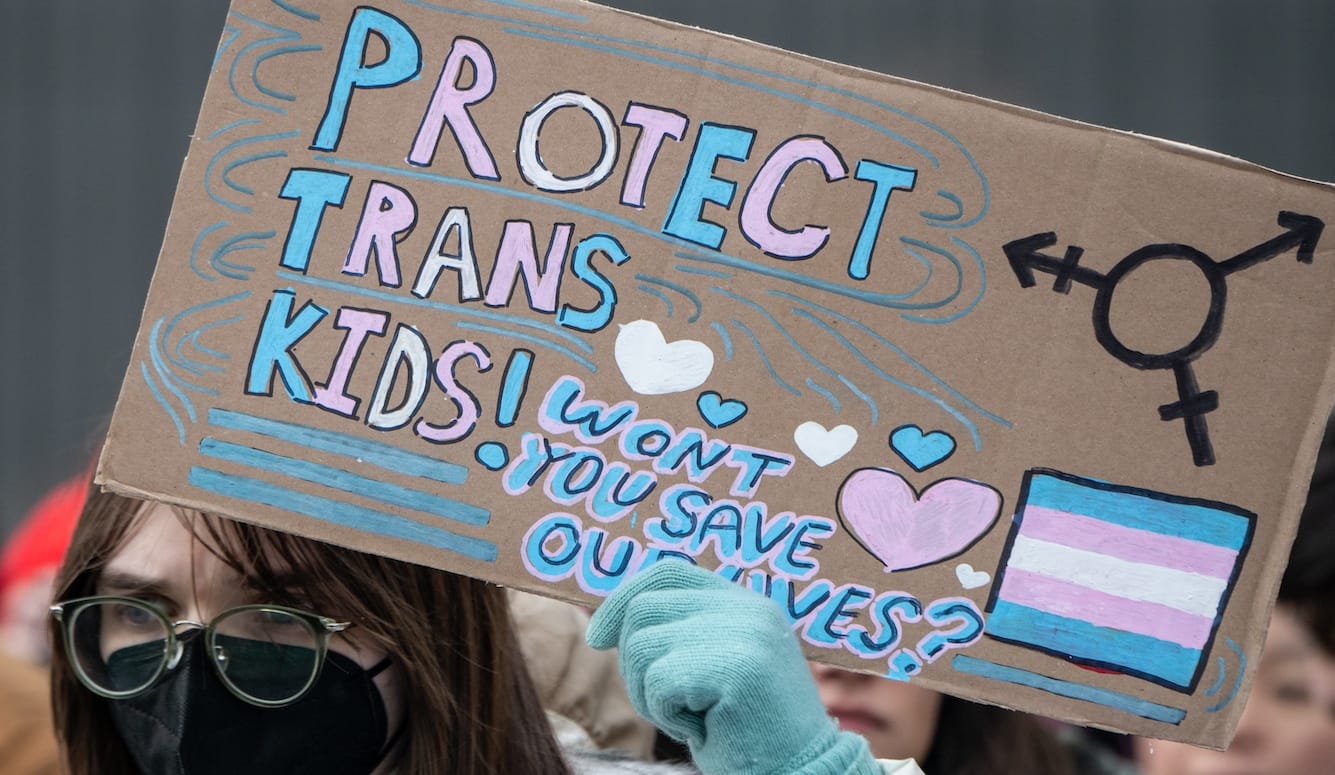
This 2020 Quillette editorial examines the landmark Keira Bell v. Tavistock ruling, in which a UK court found that minors cannot consent to experimental puberty blockers and cross-sex hormones. Using Bell’s experience as a cautionary tale, the article argues that her lawsuit forced long-overdue scrutiny of “gender-affirming” treatment for children, exposing medical, ethical, and journalistic failures that have silenced debate over risks, regret, and social contagion in adolescent gender dysphoria.
Quillette
The essay below critiques the Canadian Paediatric Society’s position on gender-affirming care for young people, arguing that the 2023 affirmation-based policy relies on outdated guidelines and overlooks key evidence. Drawing on the Cass Review—a major independent UK report that found the scientific basis for puberty blockers and hormone therapies in minors to be weak, our piece asserts that Canada’s approach inadequately assesses risks, fails to engage with detransition and mental-health literature, and places insufficient emphasis on comprehensive evaluation and informed consent.
Chan Kulatunga Moruzi
Autogynephilia
In our 2021 essay, Helen Joyce explains autogynephilia—male sexual arousal at the idea of oneself as a woman—tracing Ray Blanchard’s research, Anne Lawrence’s first-person accounts, and Michael Bailey’s popularisation of the theory. She shows how this framework clarifies different pathways to male transsexuality and why the topic became taboo amid activist backlash.
Helen Joyce
In 2019, Louise Perry conducted an interview with sexologist Ray Blanchard outlining his transsexualism typology—distinguishing androphilic trans women from those motivated by autogynephilia—and explaining why the concept remains clinically useful yet politically radioactive. He discusses prevalence, treatment considerations, and how activist pushback has shifted transgenderism from a clinical question to a cultural battleground.
Louise Perry
Keep reading
Made in Moscow

Letters to the Editor
A Paradoxical War

Hearts of Darkness

A New World Order in the Making

Podcast #328: The Extraordinary Exploits of Agent Zo