Skip to content

Southeast Asia in World War II

Terror and Transformation

Southeast Asia in World War II, Part Two: The Japanese Occupation and Its Repercussions
· 12 min read
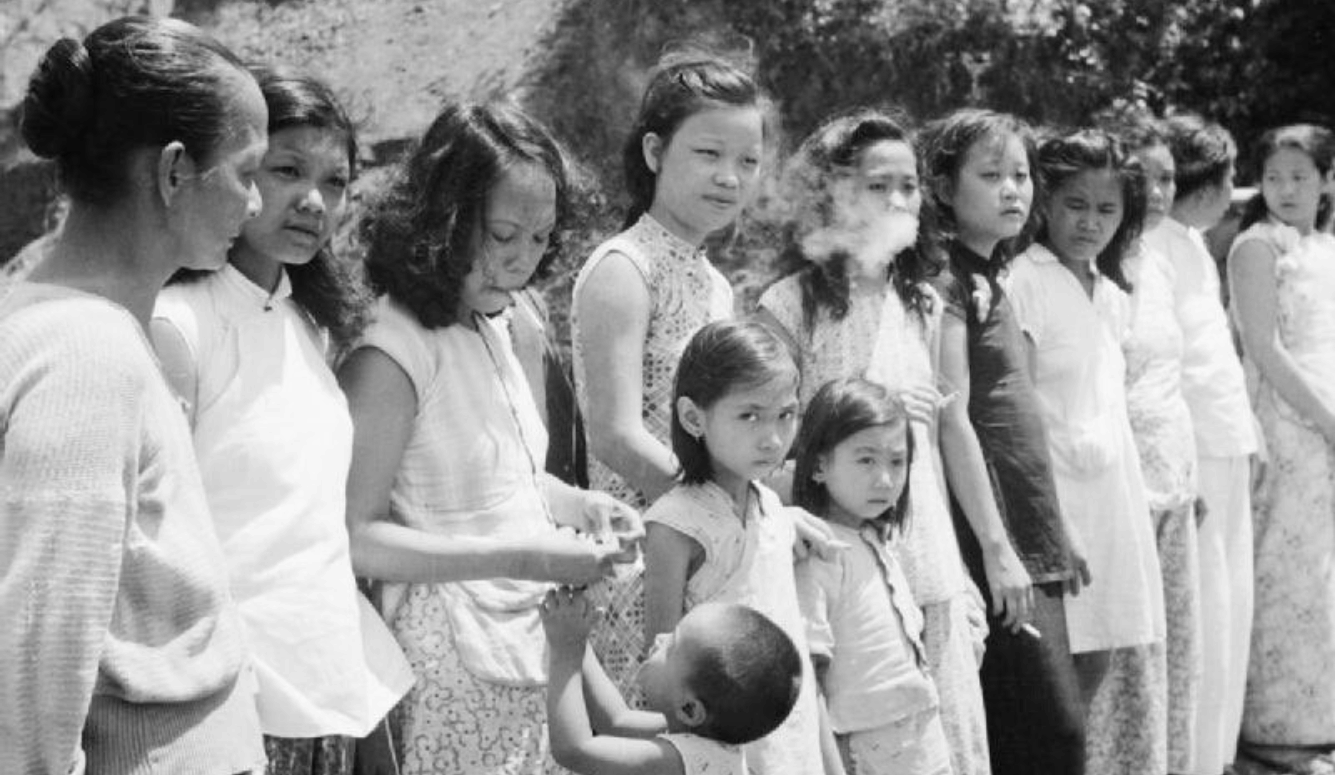
Group of girls and young children standing outdoors in 1945 during Allied reoccupation of the Andaman Islands.
Allied reoccupation of the Andaman Islands, 1945. Girls from Penang taken by Japanese forces as “comfort girls”. Wikimedia Commons.

The Japanese rampage across Southeast Asia from 1941–42 was a remarkable military feat by any metric, comparable to the early German blitzkrieg campaigns across Western Europe. In four months from the surprise attack on Pearl Harbor on 7 December, the Japanese had occupied Malaya, Singapore, Borneo, and the Dutch East Indies. The Western colonial powers had been decisively defeated, the humiliation of surrender made all the worse by the ignoble way many of the colonists had fled the advancing Japanese, leaving their Asian subjects to face the invaders’ wrath.

The first essay in this four-part series discussed how the Japanese invasions permanently shattered Western prestige and legitimacy in Southeast Asia. This second essay takes a closer look at the nature of the Japanese occupation. The violence, terror, and hunger that characterised that occupation would leave an indelible mark on the social fabric of Southeast Asia. More importantly, it was under the aegis of the Greater East Asia Co-Prosperity Sphere that the kindling of the post-war decolonisation movement was first lit.  

Japan’s Conquest Shattered European Rule in Southeast Asia
Southeast Asia in World War II, Part One: Japanese Conquests and British Disgrace

The Old Order Upturned 

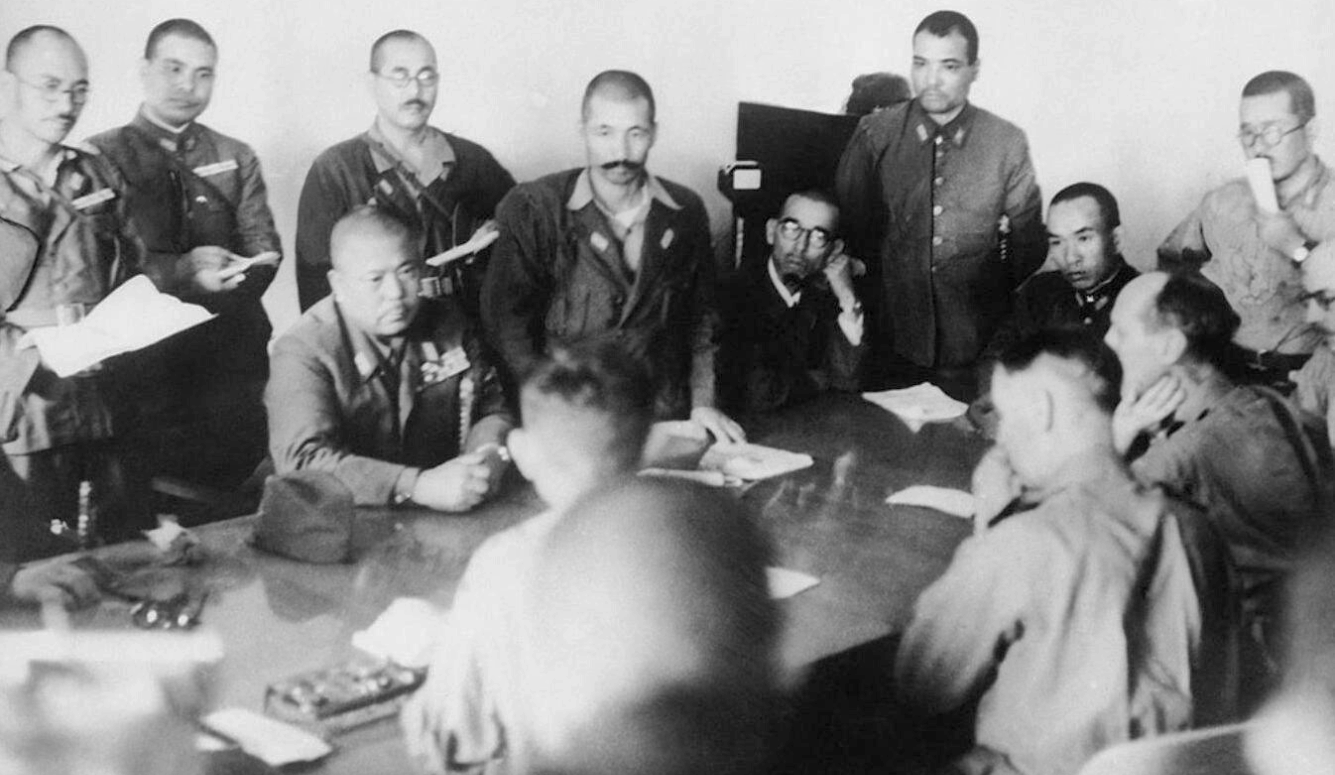
One of the most striking changes brought about by the Japanese occupation was the near-total purging of Western influence, starting with the physical removal of Westerners from public view. Besides the more than 100,000 American, British, Australian, and Indian POWs captured during the initial stages of the war, the Japanese also rounded up most European civilians, separating the men from the women and children. Much has been written about the plight of those interned in these camps and the appalling conditions they suffered. Thousands died from starvation, disease, and mistreatment. It is believed that 27 percent—35,756 out of 132,134—of the Western Allied prisoners lost their lives under the Japanese. Of the 130,000 Europeans interned in the Dutch East Indies—most of whom were civilians—30,000 are believed to have died.

In addition to interning Westerners en masse, the Japanese sought to eradicate Western cultural influence. Western languages like Dutch and English were prohibited in favour of Japanese, which became the new language of administration. The Western calendar was replaced by the Japanese one, which numbered years according to the reigns of Japanese emperors. Across the occupied territories, one single time zone was established, with clocks set to Tokyo time. British and American films and songs were proscribed; Japanese films and songs were promoted instead.

Under the new order, communities seen as having benefited from colonial rule or having been close to the colonisers, such as Eurasians and Christians, came under suspicion and were generally discriminated against by the Japanese. In Burma, communities like the Chinese, Anglo-Indians, Anglo-Burmese, and the Christian Karens were often the victims of Japanese persecution. In Indonesia, the Eurasian community (dubbed the Indos) had to prove their Indonesian bloodline in order to avoid being interned. Ironically, under Dutch rule, many Indos had attempted to prove their European identity in order to advance under the Dutch colonial order. 

One of the most consistently targeted groups, however, was the Chinese, loathed by the Japanese for their financial support of the anti-Japanese war effort back in mainland China. Many wealthier Chinese were soon forced to make financial “contributions” to the Japanese. Indeed, one of the less discussed impacts of the war in Southeast Asia is the exacerbation of ethnic tensions across the region—tensions that would continue to play out in the postwar period.

A Time of Brutality

Japanese claims to be the liberators of Asia must have rung hollow in the face of the daily brutalities and humiliations inflicted on the occupied populace. Failure to bow to a Japanese sentry properly would often result in a slap across the face—a shocking affront in societies where personal dignity is highly valued. Such acts did nothing to win over the locals, as one Borneo colonial officer reflected in 1946: “What use was it for an officer to make a speech on the iniquities of the British, when on the same day, a sentry assaulted a Mohammedan woman for failing to bow to him?”

Most dreaded of all were the Japanese military police or Kempeitai, who were always ready to swoop down and arrest and torture anyone suspected of subversion. The Kempeitai operated through a network of informers—often people motivated by grudges against their neighbours or with petty scores to settle. The arbitrary nature of most of these arrests created an underlying sense of dread throughout these societies. As a writer in the Sarawak Tribune recalled in 1946: “The very sight of a KP man was enough to make the more nervous of us tremble in our shoes.” After the war, the China Relief Fund provided a list of tortures carried out by the Japanese, which included forcing sand down people’s throats, sewing people’s lips together, and burning people with cigarettes or incense sticks. 

After a rebellion, the Japanese reprisals could be extreme. Starting in October 1943, the Japanese arrested, tortured, and executed prominent people from all the ethnic communities living in and around the city of Pontianak in southwest Borneo in modern-day Indonesia. Around 1,500 people were killed in total, including many Chinese and Malays—including all twelve Malay sultans of Dutch West Borneo. Around the same time in formerly British North Borneo—now the Malaysian state of Sabah—a raid by several hundred Chinese, indigenous peoples, and Indians on the city of Jesselton in October 1943 resulted in the deaths of at least fifty Japanese. In response, the Japanese executed many of the local Chinese as well as exterminated all Suluk and Bajau males in the nearby islands. When the Allies returned to the islands in 1945, there was not a single man still alive to greet them. Four thousand people are believed to have been killed in the Japanese retaliation for the Jesselton raid. Entire villages along the coast were wiped out. 

One common thread in the recollections of those who lived through the occupation is the prevalence of sexual violence. In the early days of the invasion, the arrival of Japanese soldiers was generally followed by demands for women. To avoid being raped, some women tried to make themselves look unappealing by smearing mud on their faces. Others hid from Japanese soldiers in paddy fields and treetops, tied pillows to their bellies to fake pregnancies, or married young. Some women formed relationships with Japanese officers to protect themselves.

During the 1937–38 Rape of Nanking tens of thousands of Chinese women were raped. The Japanese military authorities tried to prevent this from happening again by instituting the army brothels known as “comfort stations” to help soldiers deal with the stresses of war. These brothels were serviced by “comfort women”—i.e., military prostitutes. A 1942 document issued by the Japanese Ministry of War puts the number of “comfort stations” in Southeast Asia at 100. Comfort stations were ubiquitous in Southeast Asian cities. While many comfort women had been imported from Korea and Taiwan, many local women were also recruited—often by force.  Women were snatched off the streets or out of their homes and their families were threatened if they refused to give their daughters away.

Girls as young as twelve served in these comfort stations, where they received salaries, medical check-ups, and a portion of the income in exchange for sleeping with as many as ten soldiers a day—if they refused, they were beaten and tortured. The number of women forced to become comfort women is difficult to determine. One Japanese study cites a figure of more than 22,000 (although this includes women who were forced to be the mistresses of Japanese officers).

Kurang

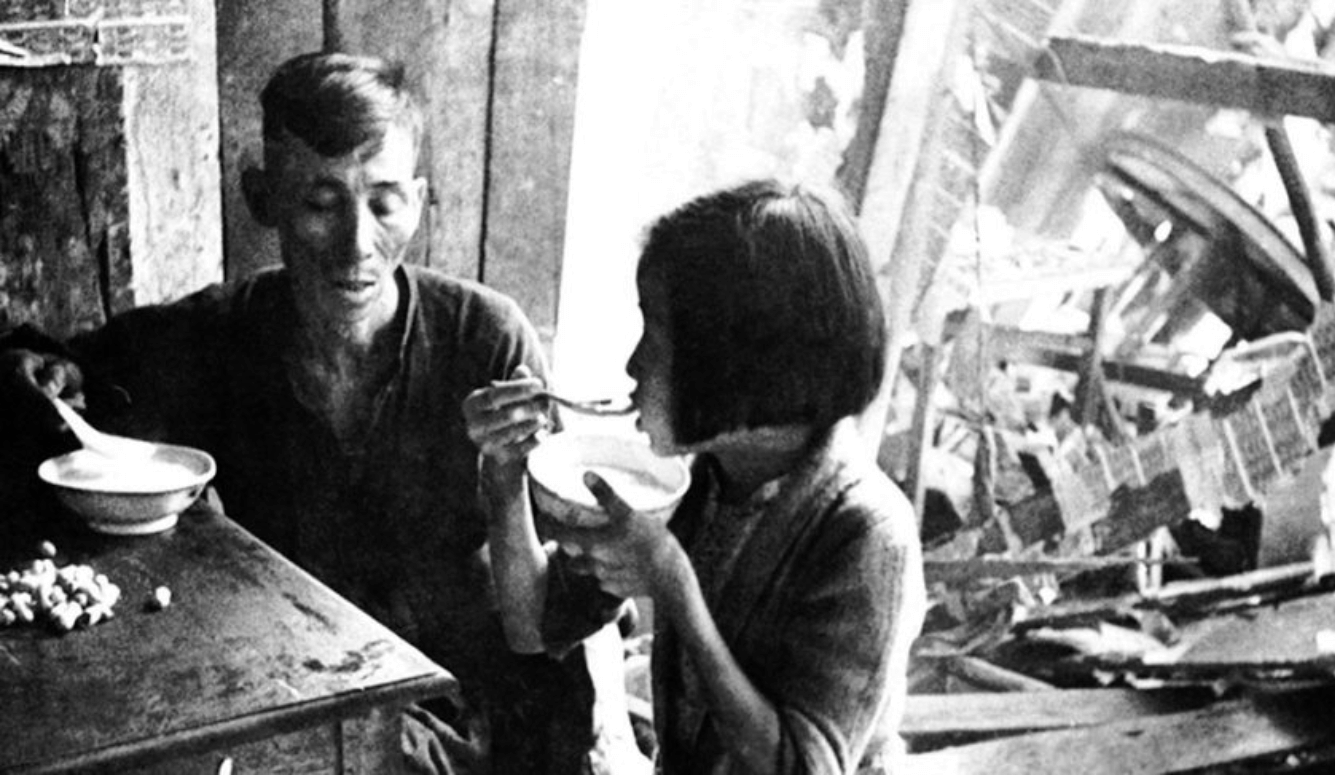
Besides the daily brutalities, another consistent theme of the Japanese occupation was scarcity. Writing about Japanese-occupied Borneo, historian Christine Helliwell observes: “For most people who lived through it, the experience of the occupation is best summarized today by the local Malay word kurang: ‘not enough.’” Indeed, kurang could summarise the experience of most Southeast Asians under the occupation.

Staple household goods—including the ever-important rice—became scarce across the region, triggered by both the collapse of regional supply chains and forced requisitions by Japanese troops. The “banana money” introduced by the Japanese (so called for the banana trees printed on the notes) soon became worthless, sparking rampant inflation. Many resorted to bartering for goods and services—doctors in Malaya, for instance, were often paid in rice and eggs. With export markets cut off due to the war, many local industries, such as Malaya’s rubber industry, collapsed, leaving thousands destitute.

By the end of 1942, prices in Penang and Singapore were 12–15 times their prewar levels. To substitute for rice, people in Malaya and Singapore ate tapioca, swapping recipes to make the taste more palatable. In occupied Indonesia, a drastic shortage of textiles forced civil servants to go to the office in burlap pants and shirts, while out in the fields, farmers toiled completely naked. In Borneo, people beat bark or used locally made rubber to make clothes. By the end of the war in Burma, many women refused to leave their homes, having been reduced to rags. 

Under the Japanese empire, life was better for those who directly controlled goods and services, rather than those who held on to banana notes. The black market became a way of life for many and only those with the requisite street smarts and entrepreneurial skills were able to prosper. Plying the Japanese military with material, food, alcohol, and women was a particularly lucrative trade. In Japan’s “Co-Prosperity Sphere,” the smugglers, hucksters, and local triads emerged as the new tycoons, while members of the respectable colonial-era middle class were forced to undertake menial labour to survive.

Among the most horrific humanitarian disasters under the Japanese occupation was a series of famines in Indochina and Indonesia. Although less well known than other famines that took place during the war, such as the 1943 Bengal famine, the death and suffering involved were just as horrific. A famine in northern Indochina between 1944 and 1945 killed more than a million Vietnamese—about eight percent of the population of the north. The Japanese forcibly requisitioned Vietnamese rice and maize and forced Vietnamese farmers to grow cash crops such as cotton and jute, instead of their traditional food crops, creating serious food insecurity in northern Vietnam.

In 1944, severe weather—typhoons followed by flooding—helped unleash a vicious famine that would be seared into the memories of many of those who experienced it. Starving villagers ate paddy husks, the roots of banana trees, and tree bark. Whole families migrated from the countryside to the provincial cities and towns along “starvation roads,” with many dying on the way. As one peasant later recalled:

Skinny bodies in rags roamed every country road and city street. Then corpses began to appear along roadsides and in pagoda yards, church grounds, marketplaces, city parks, bus and railway stations. Groups of hungry men and women with babies in their arms and other children at their sides invaded every accessible field and garden to search for anything they thought edible: green bananas, cores and bulbs of banana trees, bamboo shoots.  

In Java, one of the most fertile regions on earth, 4–5 percent of the population—between 1.8 and 2.4 million people—died from famine during the dry season of 1944, as a result of Japanese mismanagement. Low price ceilings imposed by the Japanese encouraged farmers to hoard produce, sell their rice on the black market, or stop producing large surpluses altogether. The situation was exacerbated by a lack of manpower to work the fields—since so many people had been snatched up by the Japanese for forced labour projects—and a lack of trucks and lorries to transport rice to the cities. The forced requisitions carried out by the Japanese Army amid all this deprivation fuelled hatred of the occupiers. That was the only thing adequately fuelling people, though: The average number of kilocalories available per capita had dropped from 2,070 a day before the war to 1,320 in 1944 and 1945.

Mobilising the Masses  

Besides seizing the rich natural resources of the region, the Japanese saw fit to mobilise the masses to get behind the “Greater East Asia Co-Prosperity Sphere” and support the war effort. For many Southeast Asians, this was their first introduction to popular politics, a major change from the suffocating hierarchies of the old colonial order, which had rendered most of the populace powerless. Mass rallies and parades became regular features of the Japanese occupation, providing an exciting time for many.

The Japanese occupation presented Southeast Asian writers and visual artists with opportunities to explore themes of ethnic and national identity—albeit within the confines of Japanese wartime censorship. Many prominent artists of the postwar era first found their voices during the occupation, bemoaning the hardships of the common man and exhorting citizens to defend the homeland. Malay writers, for example, experimented with a new language of politics that sought to transcend the old technocratic forms of colonial government in favour of something more ideological and rousing.

Travelling theatre companies across the archipelago not only extolled the glories of the Japanese Empire, but also delved into such themes as the travails of ordinary men and women. In Indonesia, the occupation has even been described as a “golden age” of Indonesian artists, since so many young writers and visual artists produced works that attempted to capture the spirit of the age. Behind the pro-Japanese propaganda the artists were obliged to make, they conveyed deeper messages of freedom and social justice that resonated with the masses.

The Japanese also used religion to try to mobilise Southeast Asian societies. In Burma, the once fractured monkhood was encouraged to unite into one Buddhist sangha, forging a lasting link between Buddhism and the Burmese nation. Similar attempts were made to mobilise Muslims by courting Muslim leaders. In April 1943, ulama from across Malaya and Singapore were invited to a conference in Singapore, where the Japanese attempted to impress upon them that Nippon was the true defender of the faith.  

Japanese officers also unsuccessfully pressured the local ulama to declare Japan’s war against the Allies as a jihad—impossible, the Japanese were told, since the Emperor was not a Muslim. Such actions were a major reversal of colonial policies under the British and Dutch, who had attempted to depoliticise Islam, and would have far-reaching implications for the development of political Islam in the region. 

However, the Japanese were also capable of deliberately offending local religious sensibilities. Churches in the Karen regions of occupied Burma were converted into brothels, while mosques in occupied Malaya were stormed by Japanese officers mid-prayer and the worshippers ordered to turn their prayer mats away from Mecca and towards Tokyo. 

The Militarisation of Society

One of the most consequential aspects of the occupation was the unprecedented militarisation of Southeast Asian society. Much of this can be directly attributed to the Japanese themselves, who wanted to impart their military ethos to their newly conquered subjects. Besides teaching Japanese language, history, and culture, the Japanese introduced gymnastic exercises and military training to the local schooling system. The formative years of many young Southeast Asians were characterised by uniforms, drills, marching, and flag-waving and by the glorification of war and violence.

In places like Burma and Indonesia, joining a Japanese-aligned militia could provide a young man with a steady income, social prestige, and opportunities for adventure. However, the brutalities and humiliations inflicted by their Japanese instructors in military training camps also imbued many with increasing hostility to the occupiers. Many of these men would later turn the military skills imparted by the Japanese against the Japanese themselves.

Others fled to the jungle to join anti-Japanese guerrilla forces. Several of these guerrilla groups, such as those operating in the Philippines and Malaya, as well as the tribal levies in Burma, received Allied arms and training. Those who joined groups like the communist-leaning Malayan People’s Anti-Japanese Army (MPAJA) lived regimented lives marked by rigid discipline and intense ideological indoctrination. Much of the countryside of Southeast Asia was ravaged by guerrilla warfare and Japanese reprisals, with civilians caught in the crossfire. Communist guerilla groups in countries like Malaya, the Philippines, and Vietnam cut their teeth fighting the Japanese during the war. In the postwar period, they became some of the most formidable armed resistance groups to fight the Western colonial powers.

The prewar colonial order, often romanticised in later Western recollections as an idyllic time, was brutally overturned by the occupation. By the time the Allies returned to their battered former colonies, they encountered societies inured to violence, energised by the new politics of mass mobilisation, flooded with arms, and convinced of the power of the gun to force through political change. The gradualist nationalist politics that operated within the restricted confines of the pre-war colonial order had been replaced by a more militant nationalism that sought nothing less than the total overthrow of the Western colonial powers. The stage was set for the struggle for independence, against the backdrop of the opening stages of the Cold War.


In the third essay in this series, we will look at the experiences of some individual Southeast Asian countries under the occupation, examine how local nationalist movements were cautiously co-opted by the Japanese, and show how the Allies eventually regained the initiative during the final stages of the war.