Art and Culture
The End of the Middlebrow Movie
Middlebrow movies weren’t just two-hour escape pods, they functioned as a civic glue, a source of shared language, cross-generational references, and indeed, contemporary American myth.
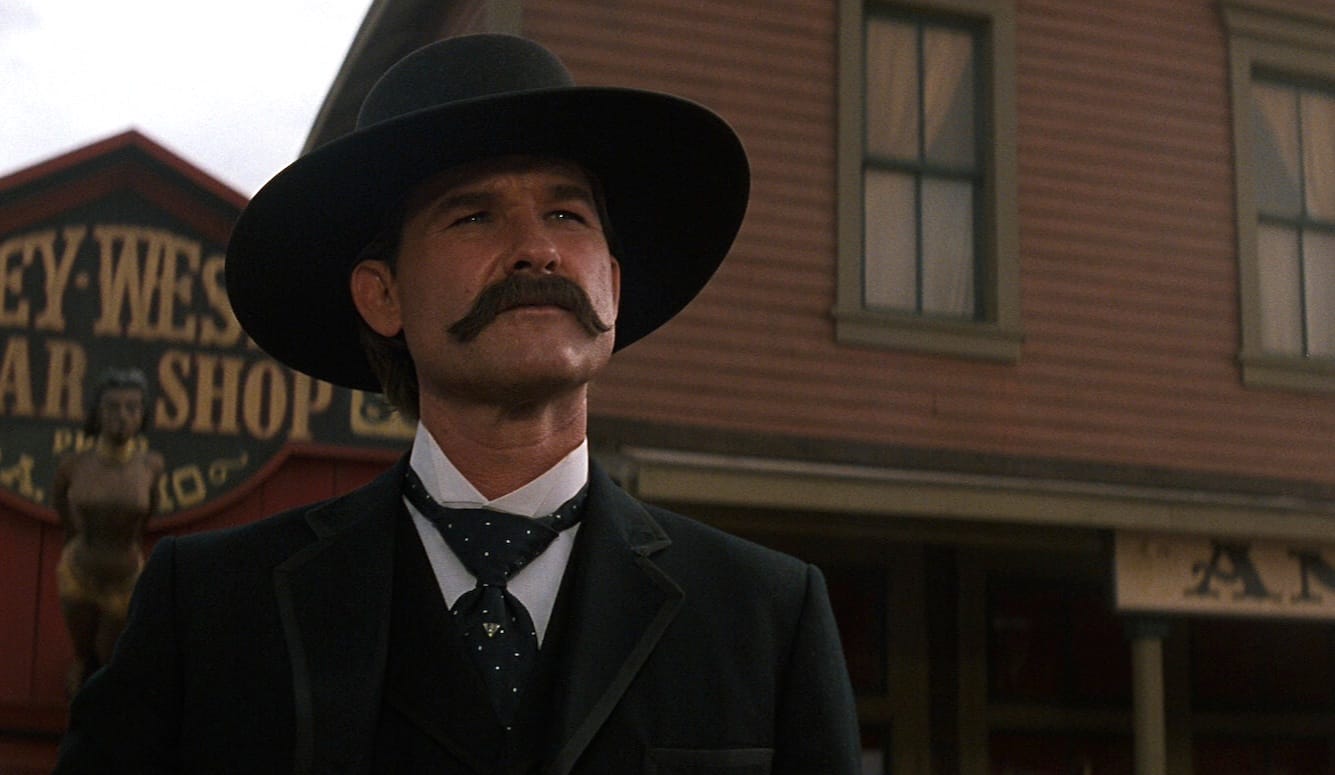

“I’m your Huckleberry,” murmurs Doc Holliday—pale, sweaty, tubercular, yet somehow still a portrait of virility. “We started a game we never got to finish.” I know how this ends, but I’m still electrified. “Say when.” And when the last pistol shot fades, the silence lands like an elegy. Not just for Johnny Ringo, but also for films like this one.
I’ve been watching movies since my father raised me on The Goonies and Star Wars and What About Bob? I even picked up an undergraduate minor in cinema studies, which was impractical but enjoyable. And today, I frequent Movie Madness, one of the last brick-and-mortar rental stores in the country, so that I can work my way through the filmographies of Bill Paxton and Helen Hunt and Kevin Costner. Along the way, I’ve detected a dispiriting trend: the kind of impeccably made, crowd-pleasing entertainment that enjoyed its heyday in the 1980s and 1990s is gone, and with it, the era when entertainment and art could comfortably coexist. Today, studios and filmmakers are more likely to opt for either entertainment or art, and most of the time, they fail to produce a satisfying example of either.
In the lost middle, films prioritised the enjoyment of their audiences with imaginative storytelling, lively dialogue, memorable characters, and a refreshing lack of pretension. This was Hollywood’s default condition, and audiences responded. Regardless of genre or whether a film was prestige, schlock, award-bait, or sequel number three, movies strove for attention and craftsmanship. They were technically accomplished and narratively propulsive, star-driven and ambitious, emotionally serious but not didactic. This was mass culture at its best: Jurassic Park, The Fugitive, Stand By Me, Top Gun, Saving Private Ryan, Groundhog Day, Beverly Hills Cop, Tombstone, When Harry Met Sally, E.T. the Extra-Terrestrial, Point Break, The Shawshank Redemption, Aliens, Ghostbusters, Forrest Gump, As Good As It Gets, Heat. It was a time when schlocky flicks like The Last Boy Scout, Predator, and Lethal Weapon 3 were handed A-movie budgets and placed in the care of accomplished journeymen who could be relied upon to deliver two tightly wrought hours of entertainment. Those films didn’t apologise for being fun, but they were lean and clear and archetypal.
Even shameless awards-bait was often enthralling—prestige films like Dances With Wolves and Rain Man have dated surprisingly well. That people still watch those movies today is an important measure of their durability. These movies have embedded themselves in our language and thoughts as part of a shared cultural infrastructure. Those of us who grew up on Independence Day can still recite the monologue and we still root for John Rambo and his ridiculous missions. When it’s snowing outside and our families are gathered, we watch Home Alone together, and when the kids go to sleep, we switch on Die Hard. These movies are communal reference points, like connective tissue—a reflection of who we are and who we want to be. So we revisit them.
Keep reading


Doomscrolling into Adulthood

Podcast #331: The Ayatollahs’ Assassins

The Disgrace of Tariq Ramadan

Apocalypse ’92