
Who's Afraid of Tribalism?
Common fear of ‘tribalism’ reveals them to be members of a particular kind of ‘tribe,’ one that perpetuates its power by accusing opponents of tribalism.
Blake Smith
· 10 min read
A collection of 1267 posts
Common fear of ‘tribalism’ reveals them to be members of a particular kind of ‘tribe,’ one that perpetuates its power by accusing opponents of tribalism.
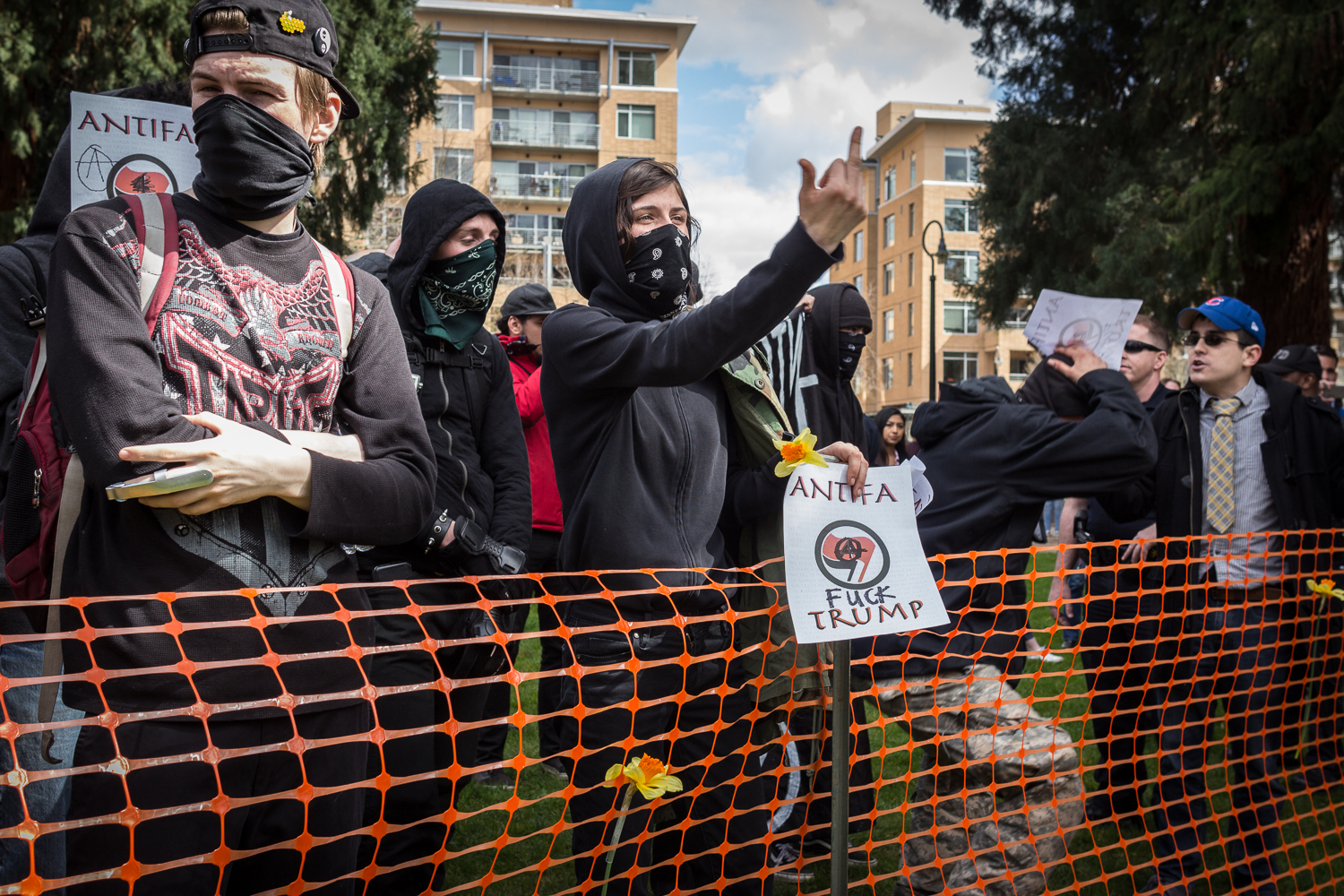
Naps explained the color-coded, three-tiered categorization of antifa participants in the black bloc, the massive swarm of black-clothed marchers.

The solution seemed to be clear: educate the public and they will accept the science.
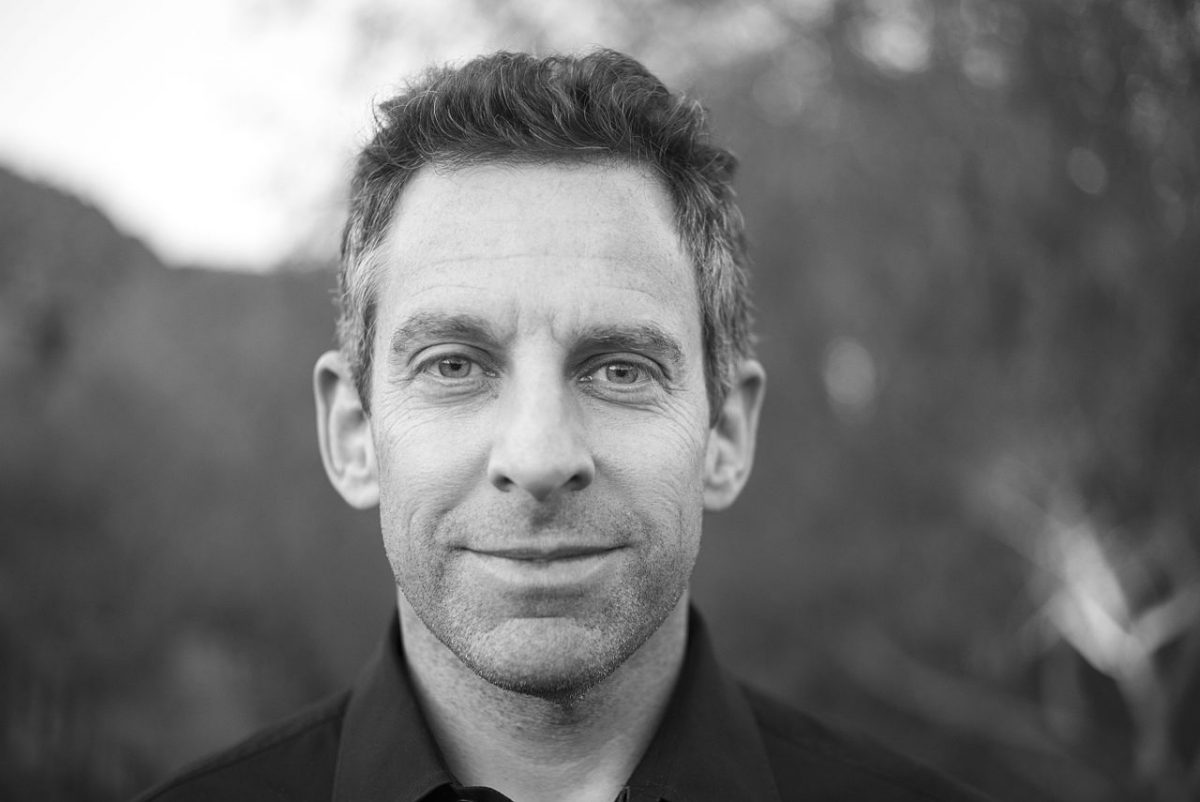
Source of conflict between the two best-selling authors was the extent of white privilege, and the question of how it should be accounted for in public debate
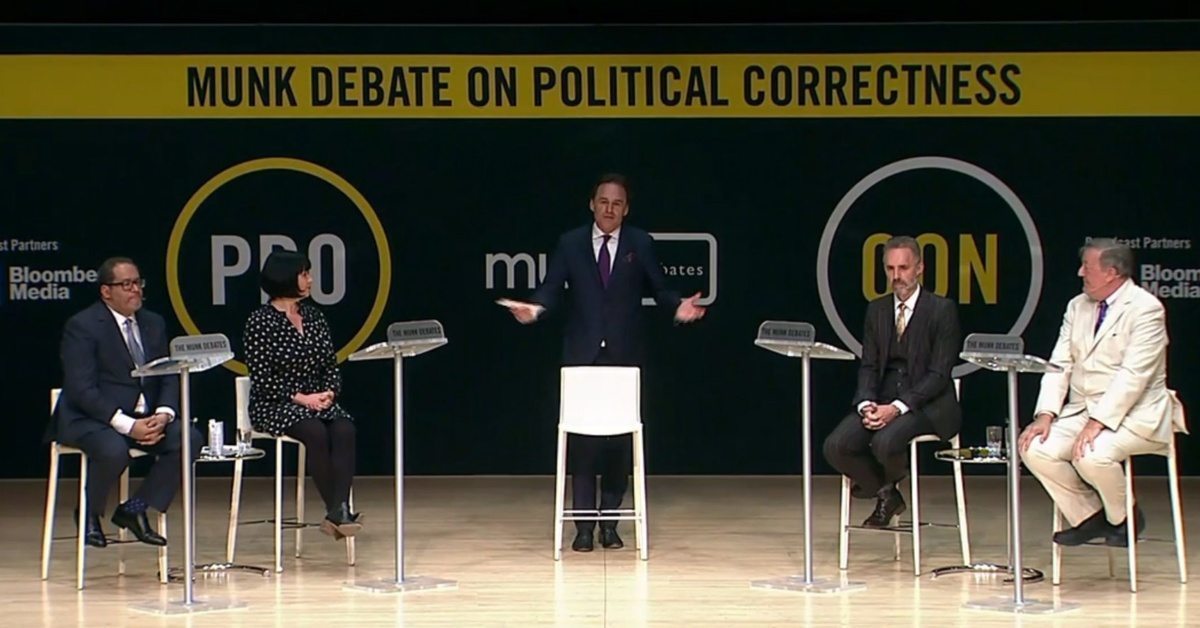
Tribalism isn’t a toy and academics who think they can regulate it up and down like a set of dials to determine who’s in which group
Faculty in continental Europe already overwhelming lean left in the social sciences and humanities
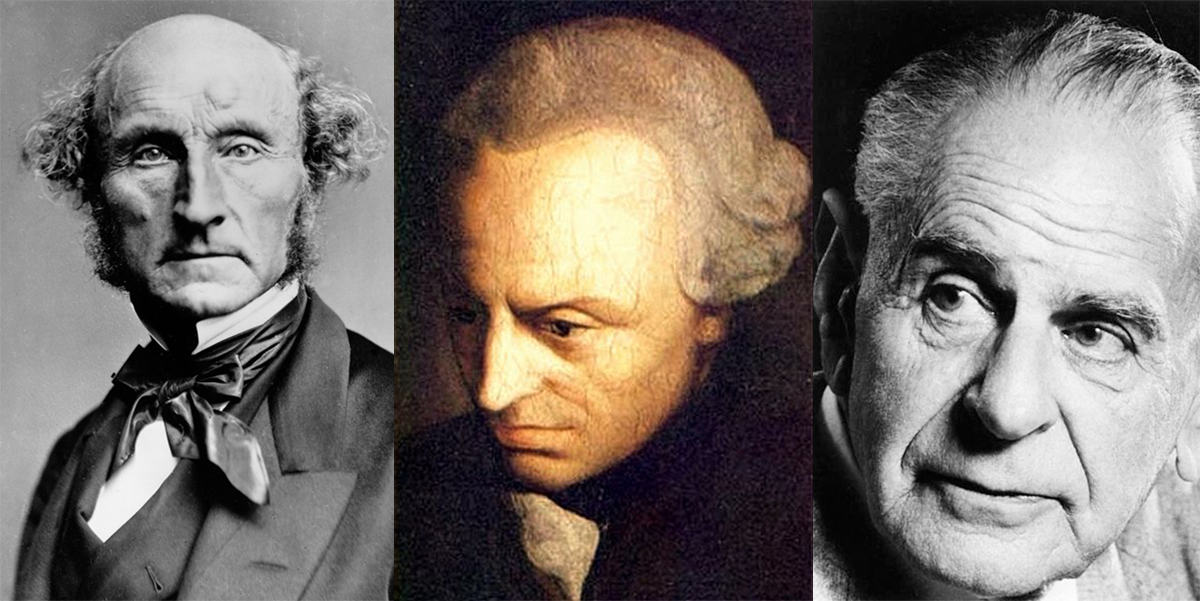
The fact that the complex history of liberalism is largely ignored by both its opponents and its alleged friends

The liberal-to-leftist makeup of the discipline significantly influences the questions historians ask, the answers that we privilege, and the ways we teach and engage with the public.
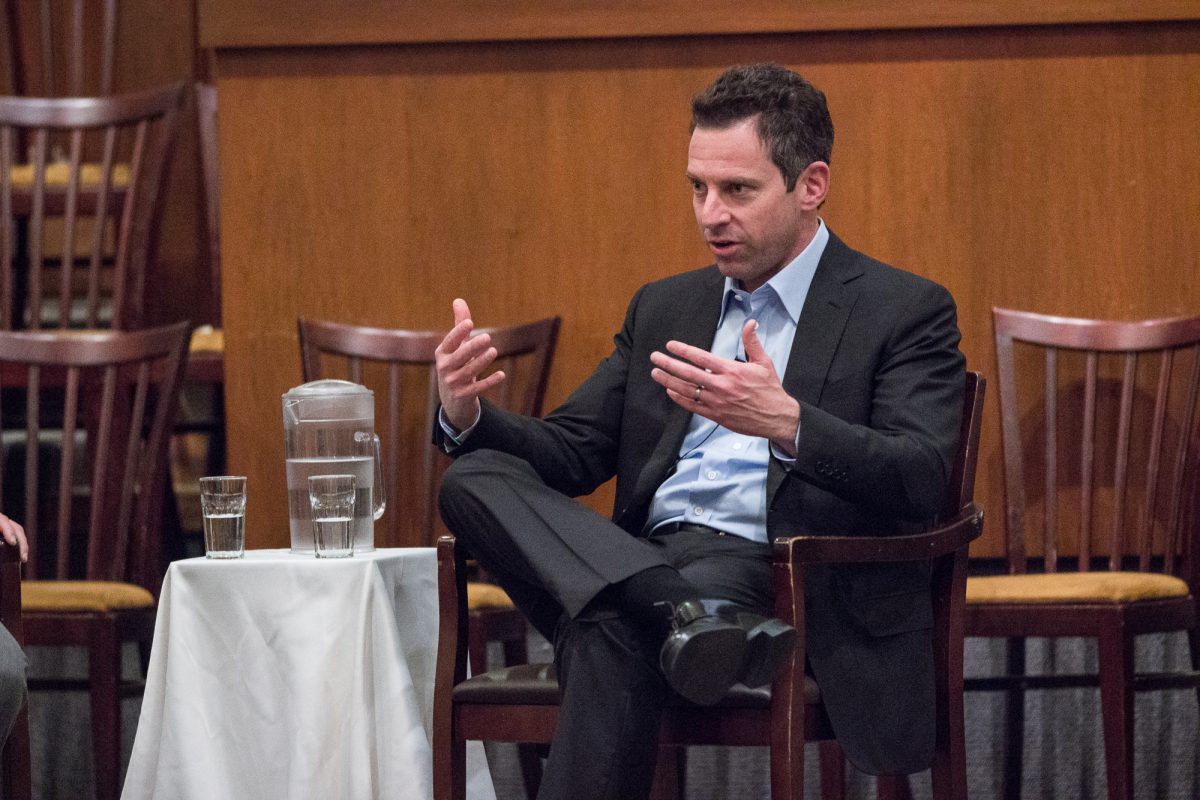
John Nerst suggests that what is actually at issue is whether the discussion of the racial IQ gap is a matter of science or of politics.

What will happen when the melting pot of national identity gives way to a salad bowl bursting with myriad unassimilated tribes?
Postmodernism is devouring the liberal arts. Such a deeply entrenched cultural problem cannot be solved by top-down intervention.
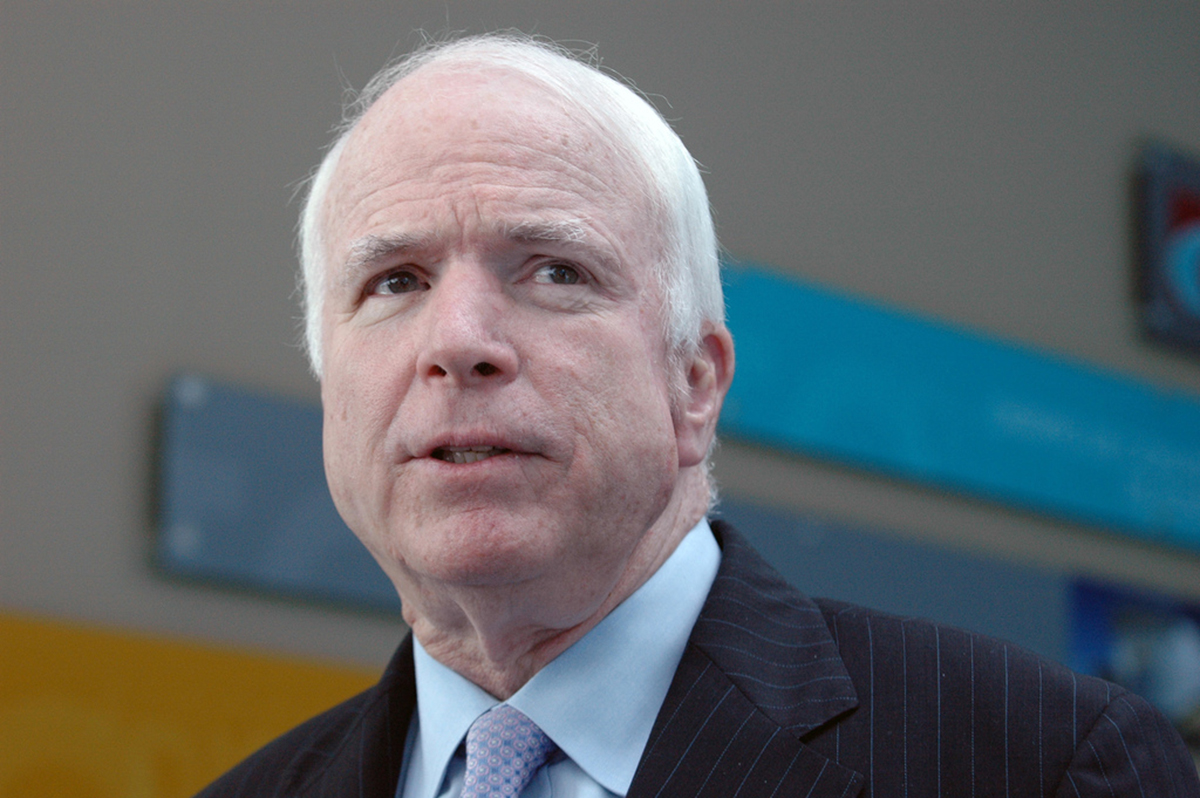
Saddler’s many critics claim that the lines Kelly Sadler and her boss have crossed are easy to identify and avoid.
Everyone would be equal in every way and we would all ride our unicorns to the end of the rainbow. Unfortunately, we do not live in that world we live in this one.

Activism and ambition can conflict so that students must choose between writing what they think and getting the grades they want and need.
It is this very intellectual dishonesty, this reputational cost, that has had such an inhibitory, obscuring effect on the development of biosocial criminology.