
Israel’s Grim Future: Attrition on All Fronts
The Jewish state is facing security threats from groups based in Gaza, the West Bank, Lebanon, and Yemen—all of them supported by Iran.
Benny Morris
· 11 min read
A collection of 122 posts
The Jewish state is facing security threats from groups based in Gaza, the West Bank, Lebanon, and Yemen—all of them supported by Iran.

Republicans and Democrats have both learned the wrong lessons from Iraq.
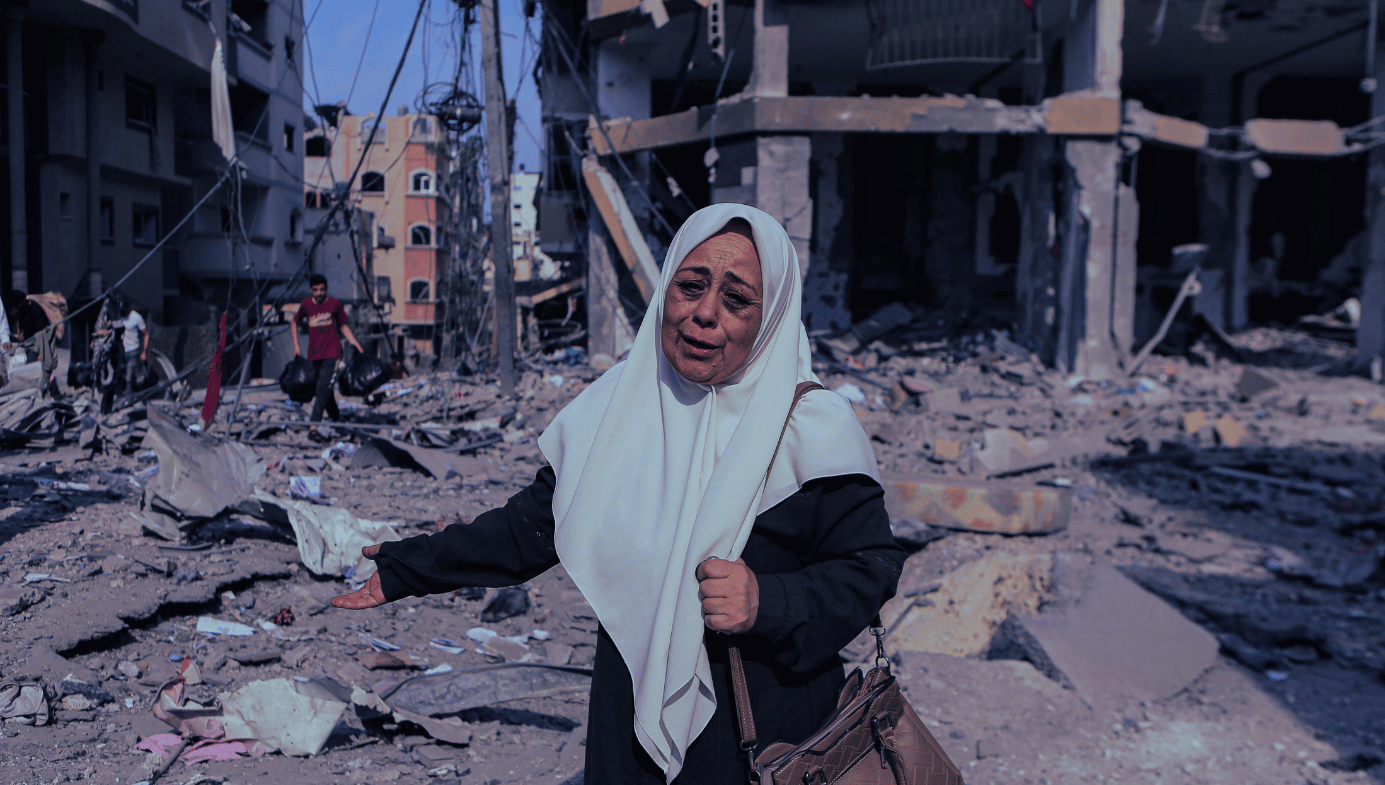
Make no mistake: dead Israelis are good for Hamas, but dead Palestinians are even better.

Today's political and military leaders never imagined that the Hamas was capable of launching a successful invasion of Israel's borderlands.

It is rarely the case that all of the blame for a conflict belongs on one side. But that does not mean blame should be equally divided.

Hamas and the origins of the October 7th attacks.

A perennially controversial bestseller turns 65.

A plea for Arab democracy.

Islamism as an ideology may be great at mobilizing people, but this doesn’t necessarily translate towards effective governance, as has been proven again and again

Democratic transformation generally comes from the ground up, not from foreigners bearing guns and gifts.

Constructive relationships with dictatorships will be key to protecting US interests without direct military involvements.

The comrades worked together, ate together, read together, showered together, used the latrine together, sang together to the sound of accordions late into the night.

Face recognition gives law enforcement this unique authority, this unique power, that does pose risks to our constitutional rights, and this needs to be very closely scrutinized now.

The logic of making Iran’s nuclear program less dangerous via the JCPOA agreement while leaning on the FBI to ignore the crimes of the smugglers that made Iran’s nuclear program so dangerous remains hard to fathom.

The pandemic crisis is rapidly becoming a civilizational crisis.